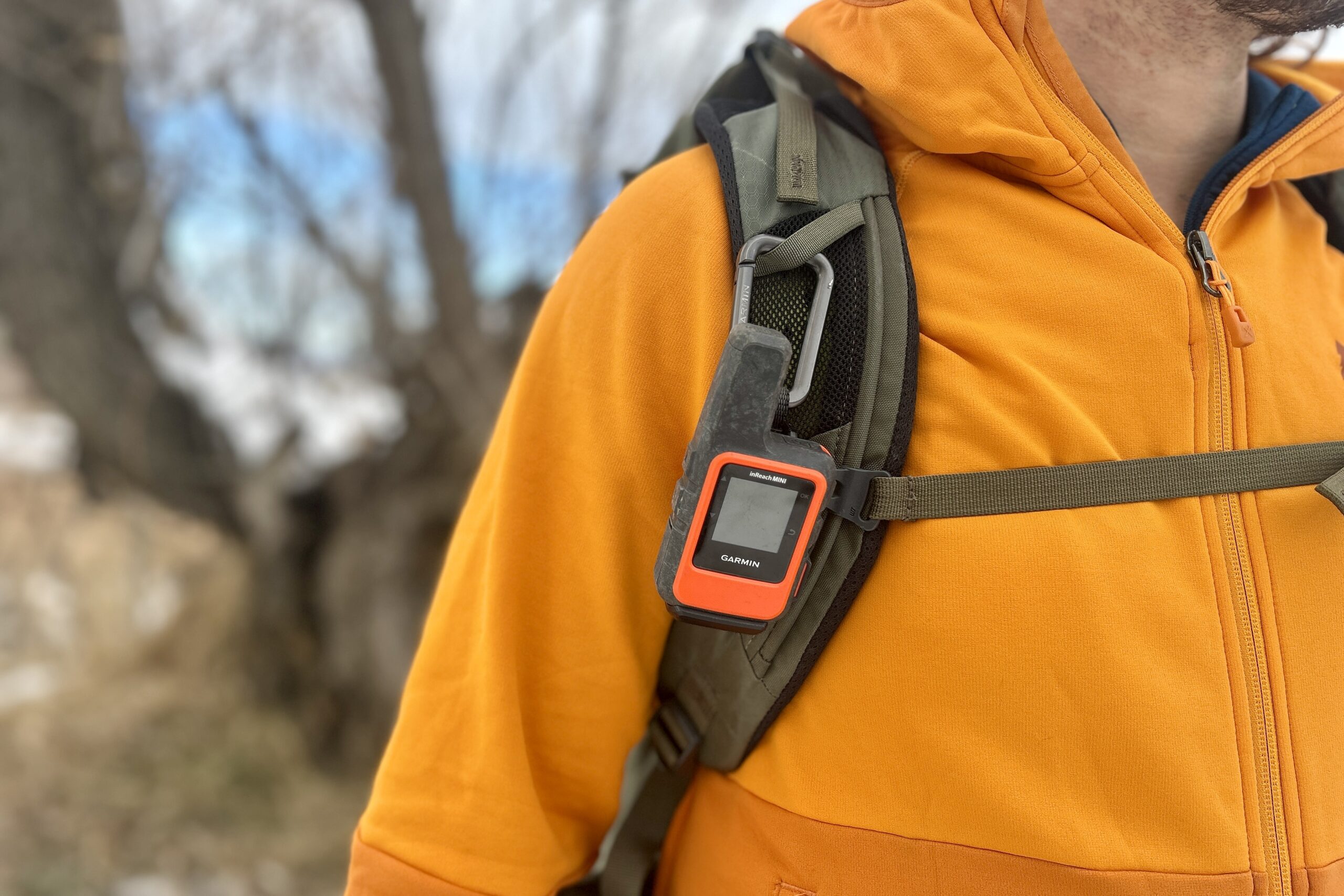
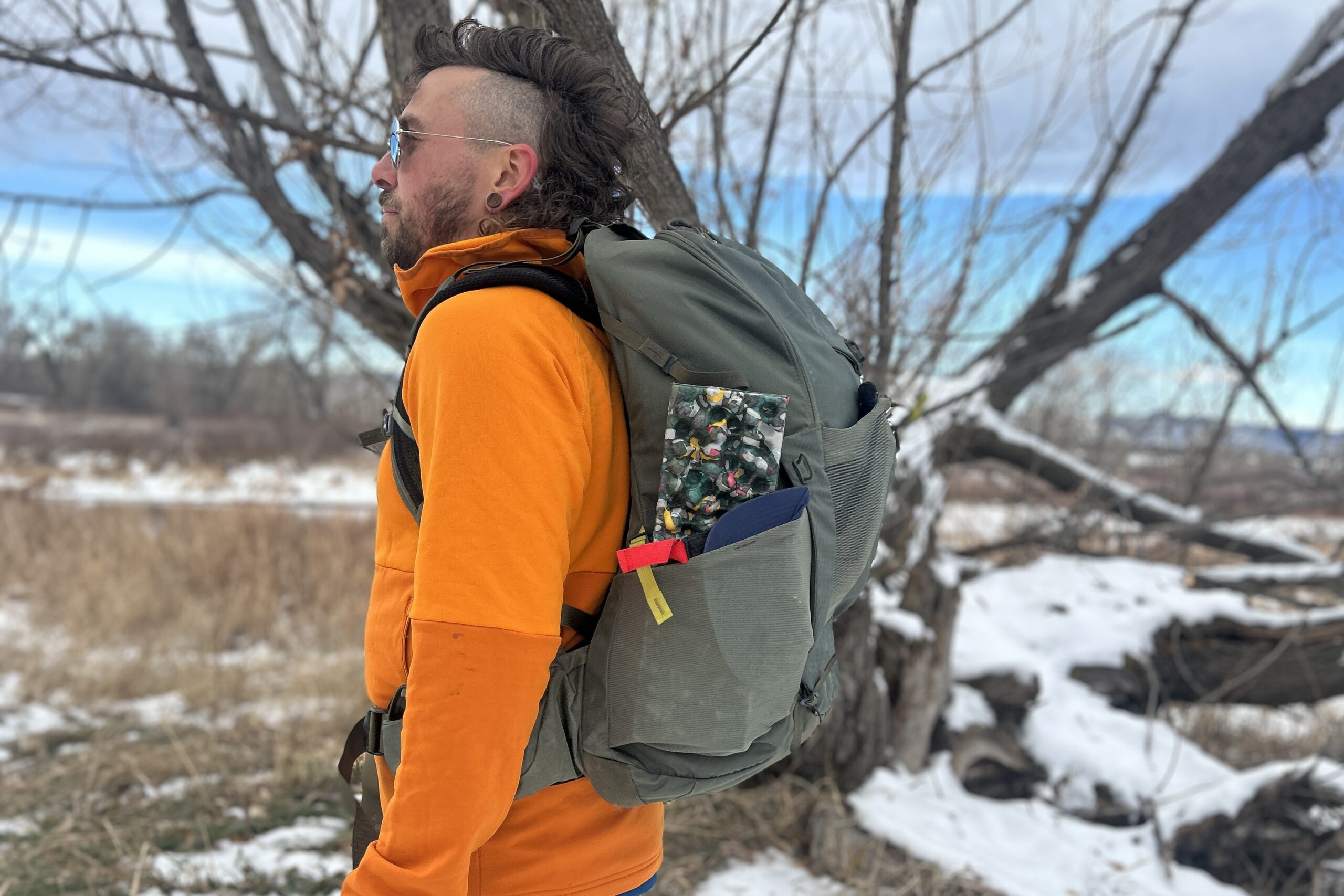
Bottom Line
The Gregory Zulu 30 and Jade 28 are the strongest heavy-hauling daypacks in our current lineup. Their perimeter frames, suspended mesh back panels, and substantial hipbelts carry bulky or dense loads more comfortably than lighter daypacks.
The packs are also highly organized, with a large opening, front stretch storage, hipbelt pockets, hydration compatibility, and multiple exterior pockets. That makes them useful for winter gear, guide kits, hut travel, and all-day outings with extra equipment.
The drawback is obvious on the scale. At around 3 pounds, these are the heaviest and least compressible packs we tested. They are overkill for light summer hikes but excellent when comfort under load is the priority. For more options, see our best hiking daypacks guide.
How We Tested
CleverHiker Editor and gear analyst Jory Brass has used the Gregory Zulu for gear-heavy hiking and multi-day hut travel, including a 10-day Tour du Mont Blanc trip. We loaded it far beyond a typical minimalist day kit to evaluate the FreeFloat suspension, perimeter frame, hipbelt, cushioning, storage, ventilation, and how the pack handled weight over long distances.
Quick Specs
- Best for: Heavy loads and long days
- Material: 400D ripstop polyester (body), 420D nylon (bottom)
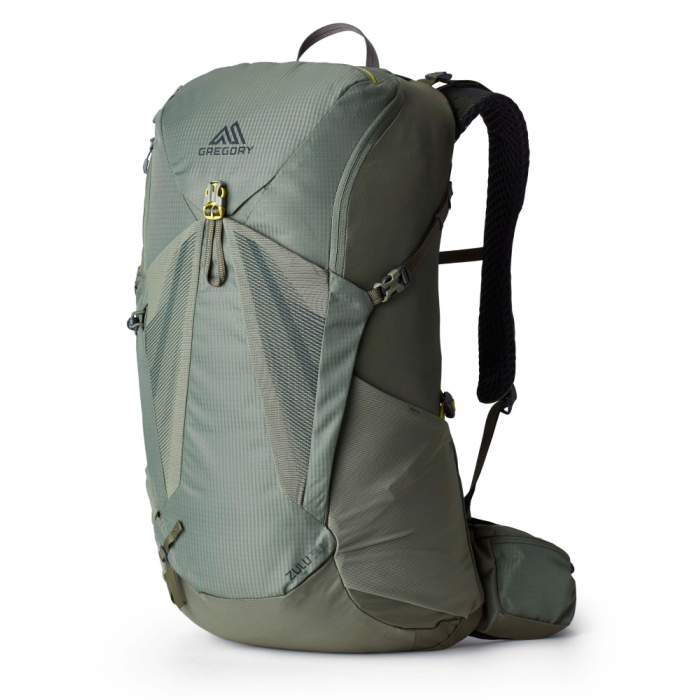
Gregory Zulu 30 / Jade 28
Best Heavy-Hauler Daypack
CleverHiker Rating: 4.4/5.0
Price: $200
Weight: 3 lb. 1.9 oz. / 3 lb. 0.8 oz.
Capacity: 30 L / 28 L
Frame: Perimeter wire
Pros
- Suspended mesh back panel
- Padded shoulder straps
- Adjustable torso
- Fully featured
- Carries weight well
- Stretch-mesh front pocket
- Zippered hipbelt pockets
Cons
- Heavy and not compressible
- Overkill for light loads
Comfort
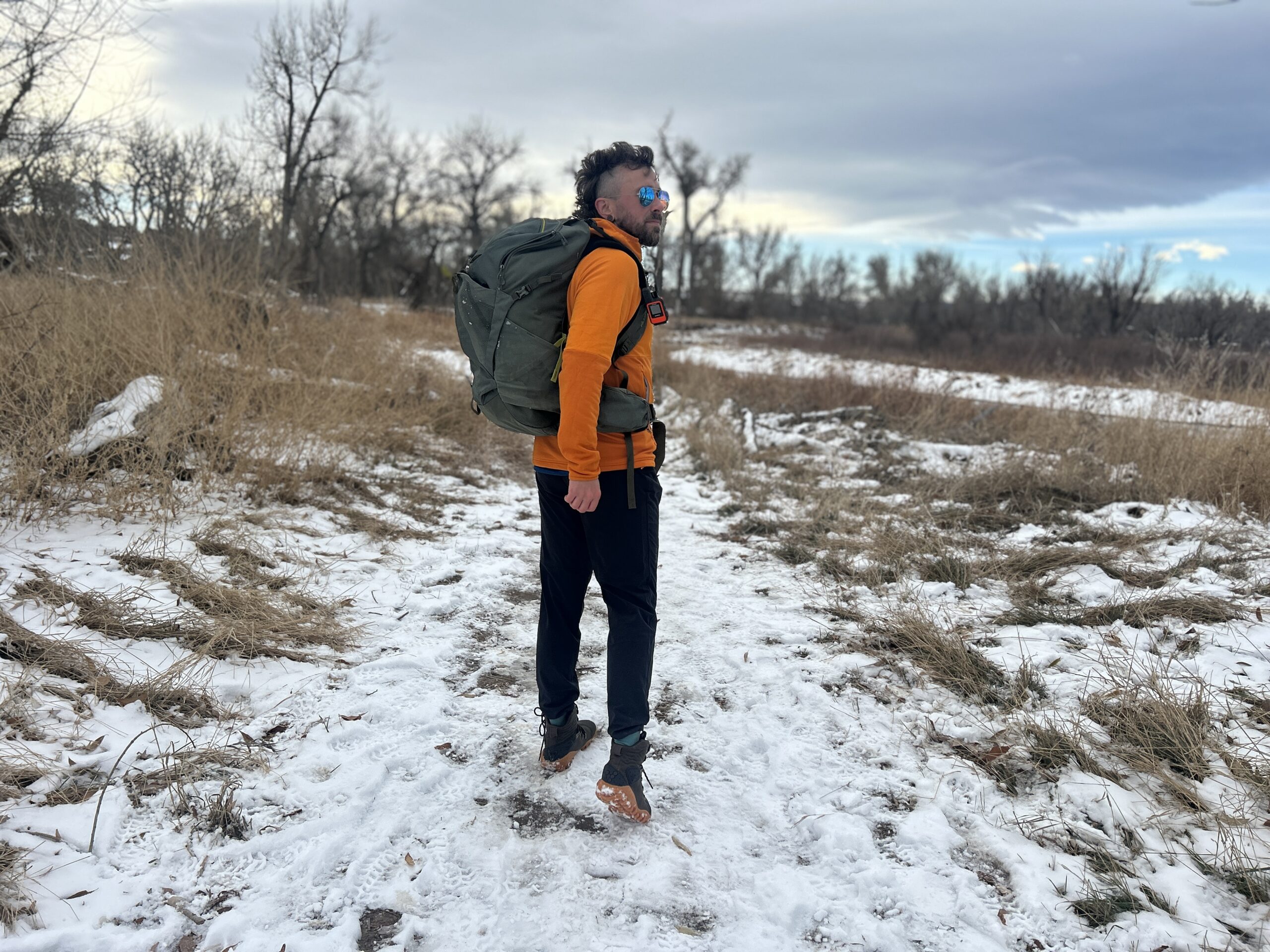
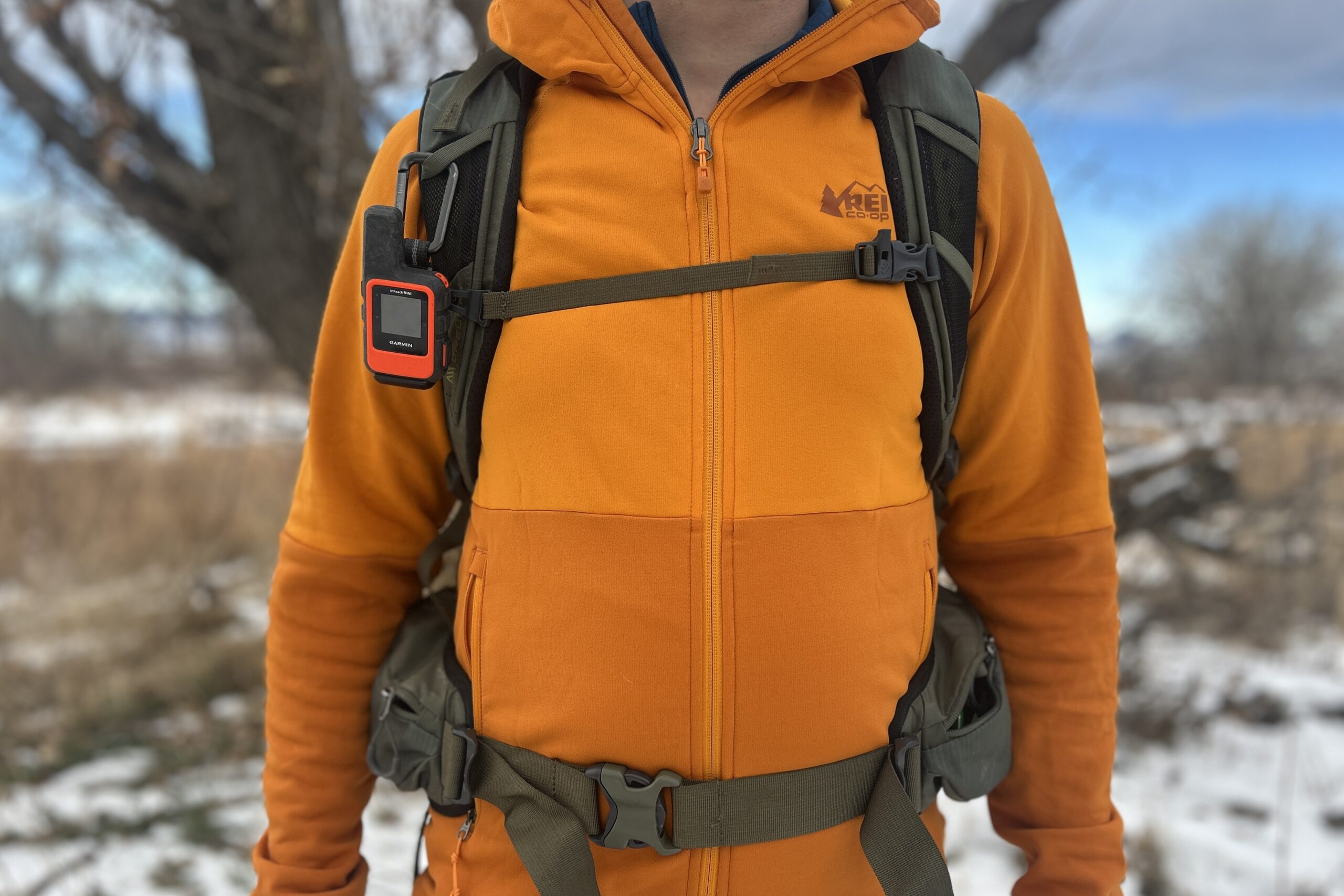
The Zulu/Jade pairs a suspended mesh back panel with substantial cushioning on the shoulder straps and hipbelt. Gregory’s FreeFloat suspension moves with the body while maintaining airflow, which helps the pack feel comfortable through long days.
Unlike minimalist packs, the system remains comfortable as load weight rises because the frame and hipbelt keep pressure from concentrating on the shoulders. We have carried heavy water, layers, and travel gear without the pack collapsing or becoming unstable.
The only comfort penalty is the pack’s own bulk. With a very light load, a simpler bag can feel freer and less cumbersome.
The adjustable torso and load lifters are important because the Zulu is meant to carry more weight than most daypacks. They let hikers fine-tune where the shoulder straps sit and how closely the upper load rides, while the wide hipbelt helps keep pressure off the shoulders. The suspended mesh back panel also creates useful airflow despite the pack’s substantial structure.
The Zulu still feels like a lot of pack on short, lightly loaded outings. Its frame, padding, and 30-liter body are always present, even when the gear inside is minimal. We prefer smaller packs for quick summer hikes, but once the load becomes bulky or dense, the Zulu’s cushioning and fit adjustment make the extra pack weight much easier to justify.
Comfort Score: 4.6 / 5.0
Organization
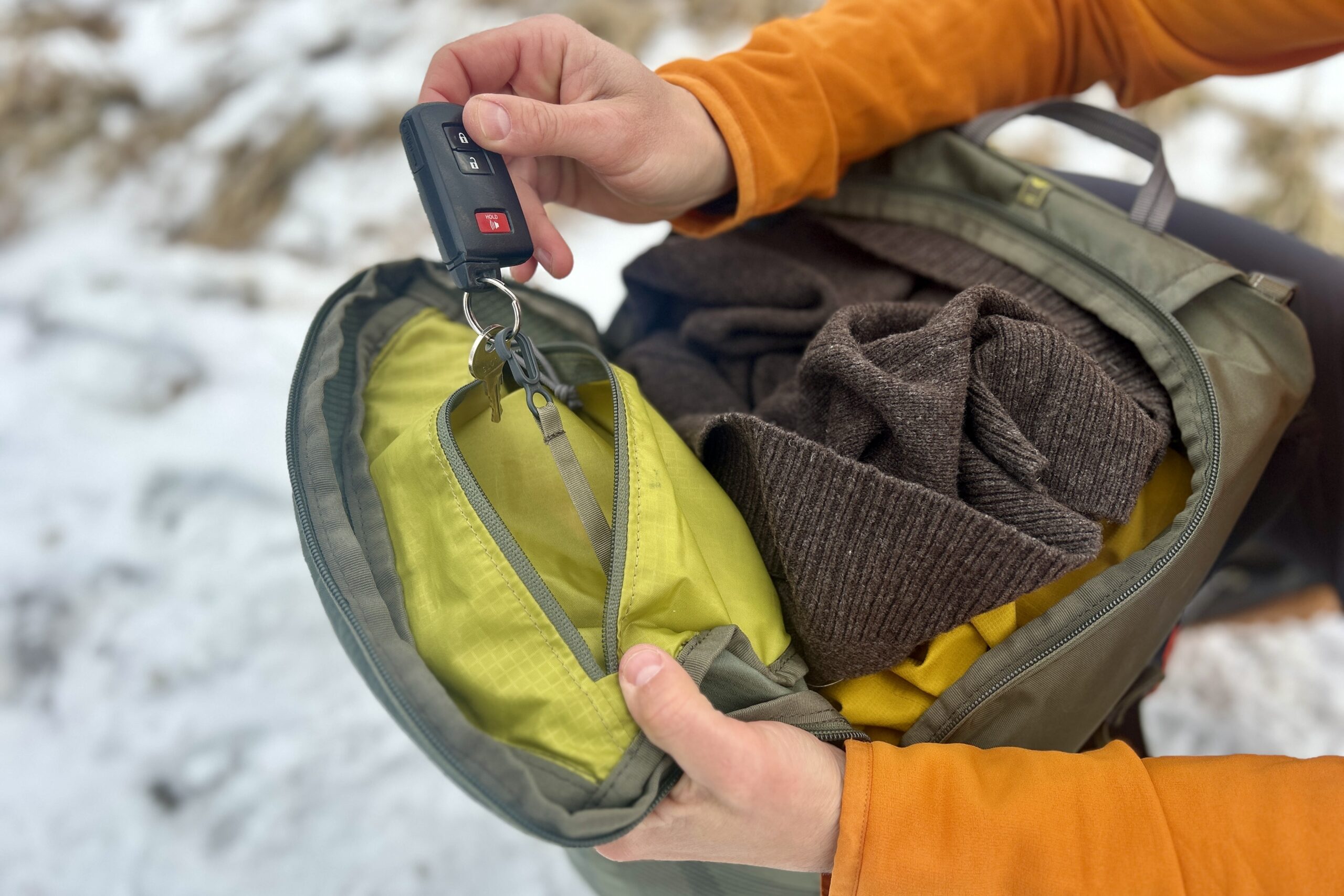
The Zulu/Jade is built for hikers carrying more than the basics, and the storage reflects that. A large U-shaped opening gives quick access to the interior, while the front stretch pocket, side storage, top compartment, hipbelt pockets, and hydration sleeve separate high-use items effectively.
Seven exterior pockets provide more access than most daypacks in our field, and the volume accommodates winter layers or hut-trip gear that smaller packs struggle to hold.
Minimalists may see this as unnecessary complexity, but for big loads the organization prevents a 30-liter bag from becoming one undifferentiated cavity.
The exterior layout is built for large, varied loads. Deep side pockets fit wide bottles, the front stretch pocket handles quick-stash layers, and roomy hipbelt pockets keep a phone and snacks close. The side compression straps can also clip across the front, creating a secure way to carry bulky gear that would not fit neatly inside the main compartment.
The U-shaped zipper gives much better interior access than a narrow top opening, and the reservoir sleeve works with common hydration systems. The main annoyance is the dual-pocket top flap: when those pockets are loaded, the lid becomes top-heavy and flops awkwardly during access. That is a minor usability cost in an otherwise highly capable storage system.
Organization Score: 4.6 / 5.0
Support
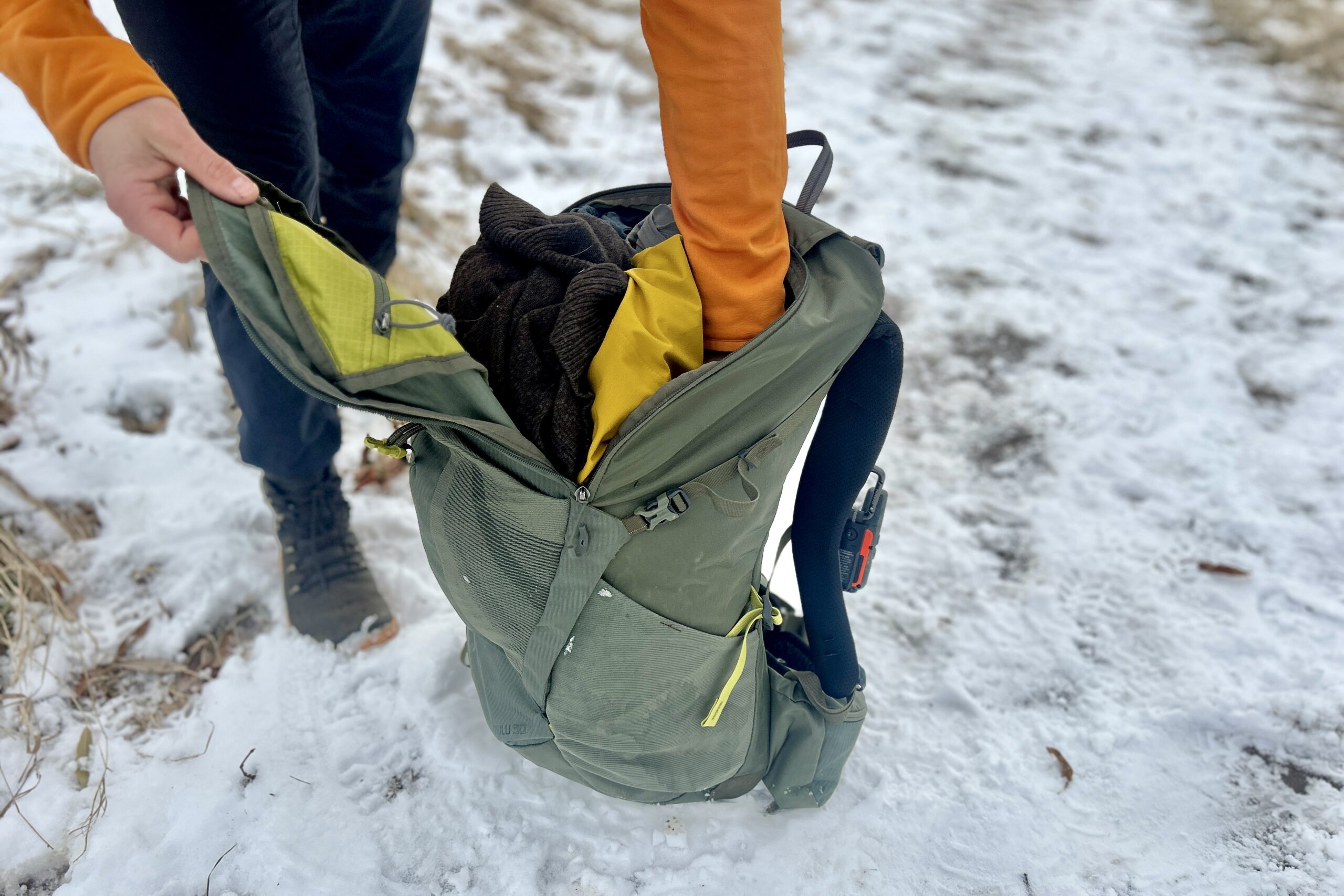
Support is the Zulu/Jade’s defining advantage and the best in our current daypack field. The perimeter wire frame, substantial hipbelt, padded harness, and dynamic suspension transfer weight away from the shoulders and toward the hips.
That load transfer is especially valuable when carrying extra water, winter traction, camera gear, or food. Even at weights that overwhelm lighter framesheet packs, the Zulu maintains structure and keeps the load controlled.
The system is more than most day hikers need, but hikers who routinely carry heavy gear will notice a bigger comfort difference here than they will from shaving a pound off the pack itself.
The alloy perimeter frame, wide hipbelt, load lifters, and substantial shoulder straps make the Zulu the benchmark heavy hauler in this category. The frame keeps the bag from collapsing under dense loads and gives the hipbelt enough structure to move a meaningful share of the weight away from the shoulders.
That support has proven useful well beyond ordinary summer day hiking. The pack has handled winter layers, bulky travel gear, fishing equipment, and other awkward loads that cause softer packs to sag or sway. Hikers who do not carry that much will be paying a weight penalty for capacity they rarely use, but people who routinely push daypack loads toward backpacking territory will feel the benefit.
Support Score: 4.9 / 5.0
Weight & Packability
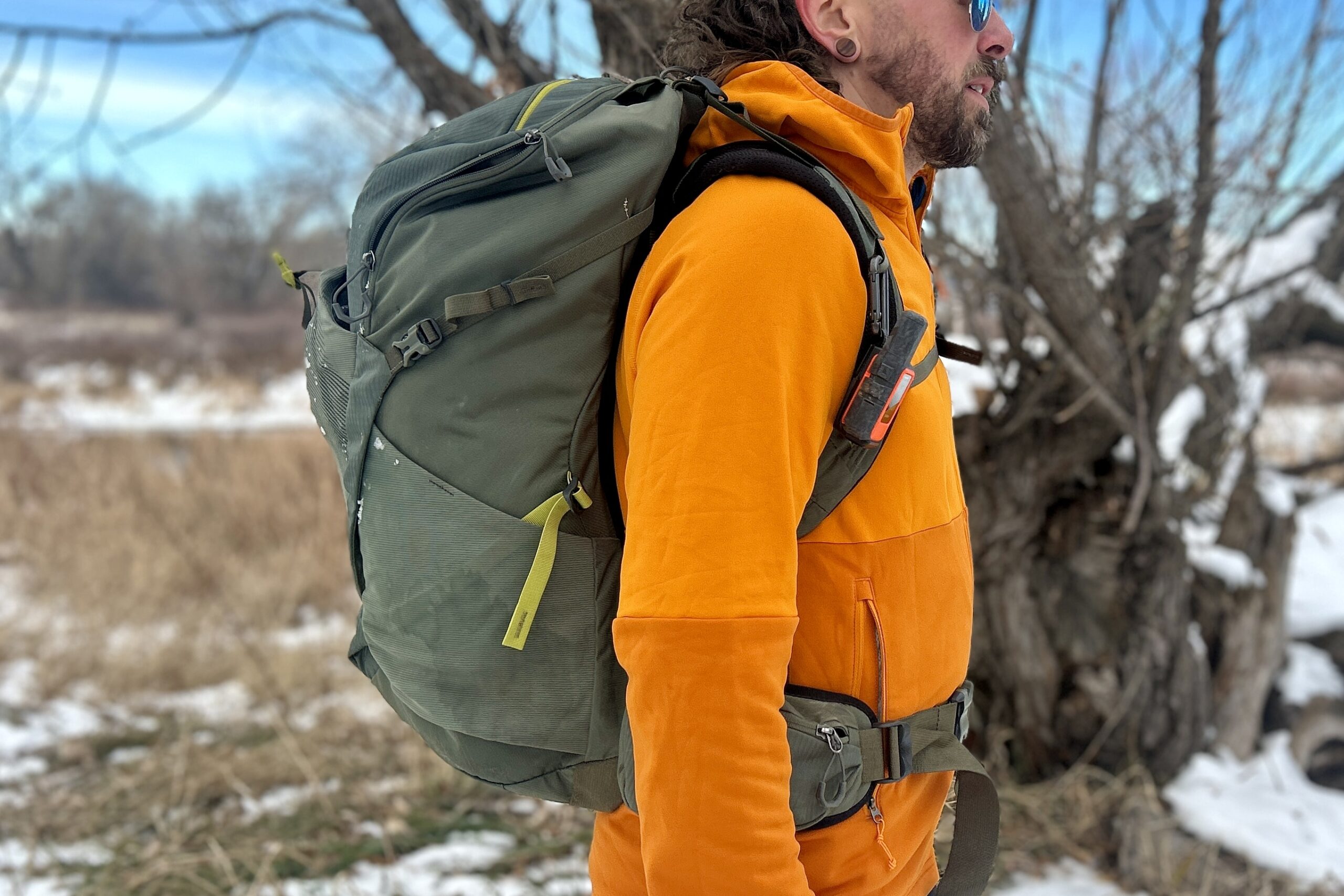
The Zulu/Jade sits at the opposite end of the spectrum from ultralight daypacks. At roughly 3 pounds, it is the heaviest option in our current ranking, and the perimeter frame prevents the bag from folding or rolling down.
That makes it a poor suitcase stuffer and a poor choice for hikers whose entire day kit weighs only a few pounds. The pack’s own mass is noticeable before any gear goes inside.
Every ounce has a purpose—frame, suspension, cushioning, durable fabric, and storage—but buyers should choose this pack only if they will use those features. For heavy-hauling comfort, the penalty is justified; for casual hiking, it is not.
At roughly 3 pounds, the Zulu is the heaviest pack in the daypack field. Much of that mass comes from the alloy frame, durable ripstop fabrics, thick harness padding, and full-size hipbelt rather than decorative features. Those materials also help the pack stand up to rough use and repeated heavy loading.
The same frame makes the Zulu one of the least compressible choices. It holds its shape when empty and is awkward to pack inside luggage or another backpack. For ultralighters, fastpackers, and travelers who need a secondary bag, that is a major disadvantage. For hikers who need comfort under weight, the scale penalty is the mechanism that delivers the pack’s strongest performance.
Weight & Packability Score: 3.3 / 5.0
Should You Buy the Gregory Zulu 30 / Jade 28?
Buy it if your day hikes involve heavy water loads, winter equipment, camera gear, guiding, or hut-to-hut travel. Choose something lighter if most of your outings are warm-weather hikes with a small, simple kit.
What Other Daypacks Should You Consider?
Osprey Stratos 24 / Sirrus 24 Review: The Stratos/Sirrus delivers similar suspended-mesh ventilation and strong load support in a slightly smaller package. It is still a heavy, structured daypack, but its 24-liter size makes more sense for hikers who do not need the Zulu/Jade’s extra capacity. We prefer Gregory when loads are truly bulky or dense, and Osprey when you want heavy-load comfort without moving all the way to a 28- to 30-liter pack.
Rab Syclon XP 30L Review: The Syclon saves well over a pound while keeping 30-liter capacity, an internal frame, and excellent ventilation. It also adds IPX4 waterproof construction, which is valuable in wet climates or snow. The tradeoff is less heavy-load comfort and fewer convenient pockets than the Zulu/Jade. Choose Rab when weather protection and weight matter more; choose Gregory when carrying comfort under load is the priority.
Osprey Talon 22 / Tempest 22 Review: The Talon/Tempest is the smarter option for ordinary three-season day hiking. It is much lighter, easier to move with, and better organized for quick access to small essentials, while still offering meaningful framesheet support. The Zulu/Jade earns its weight only when you regularly carry bulky winter gear, heavy water, camera equipment, or hut-trip loads. If your kit is modest, the Osprey is far less pack than you need.