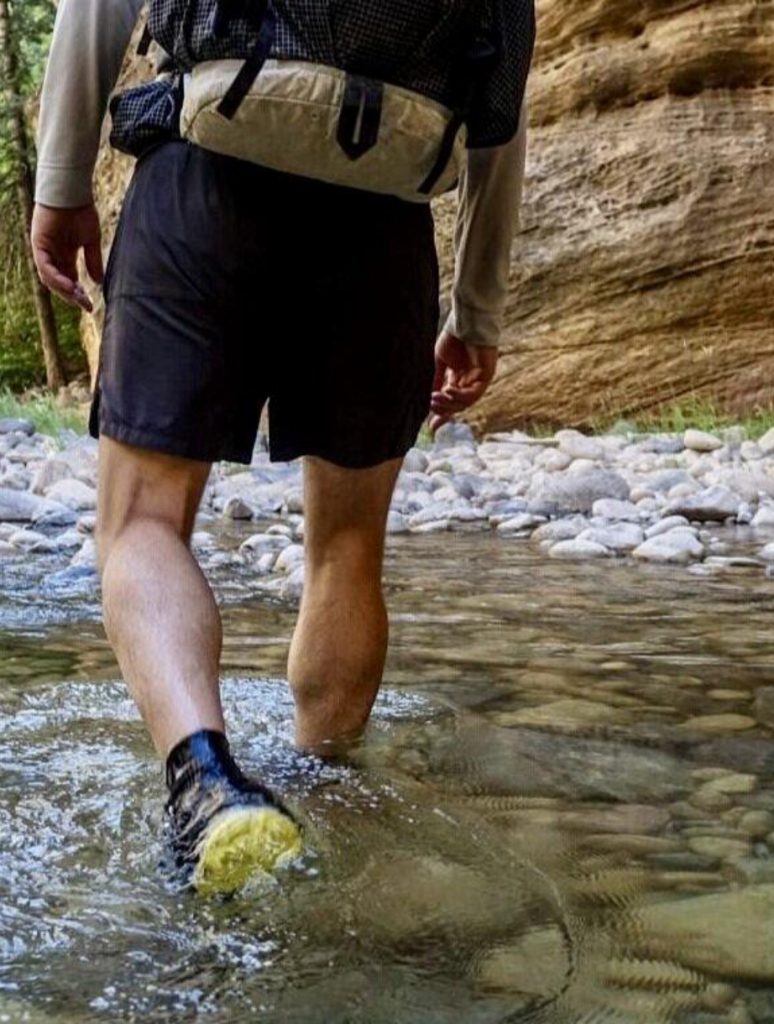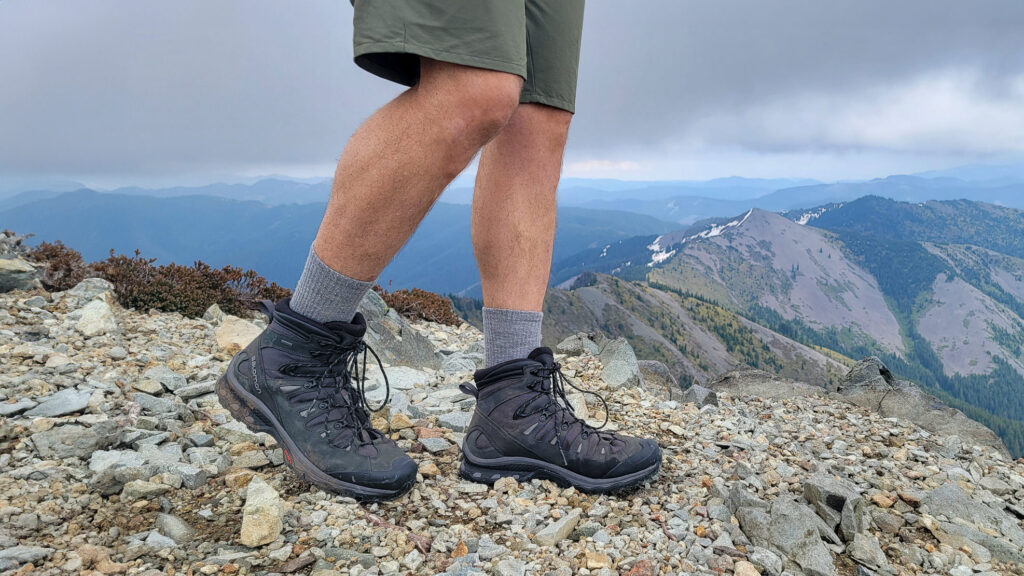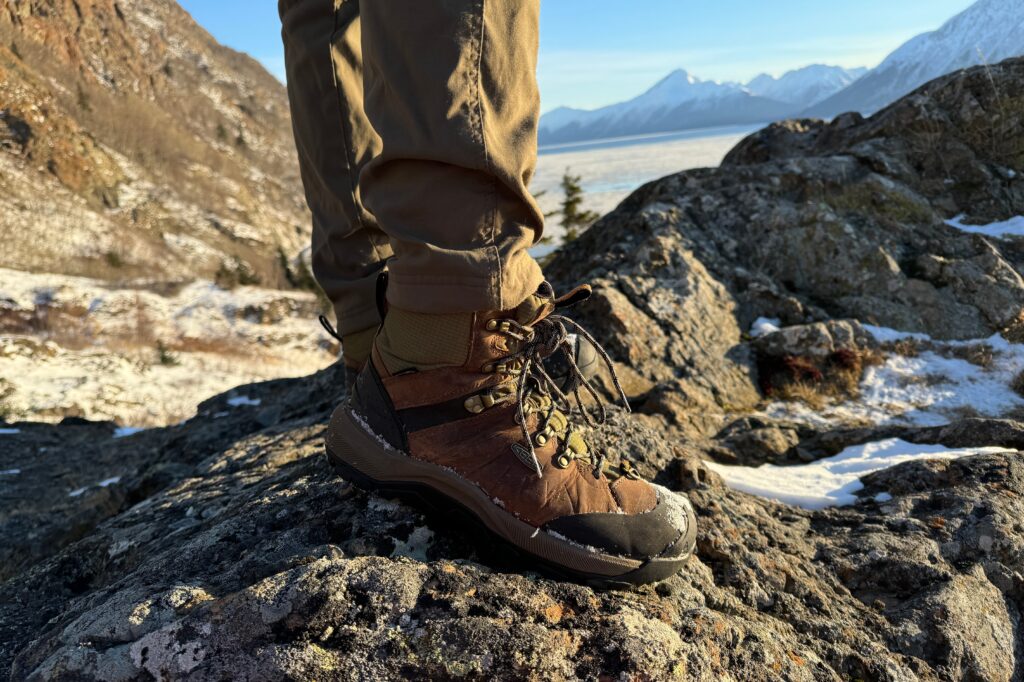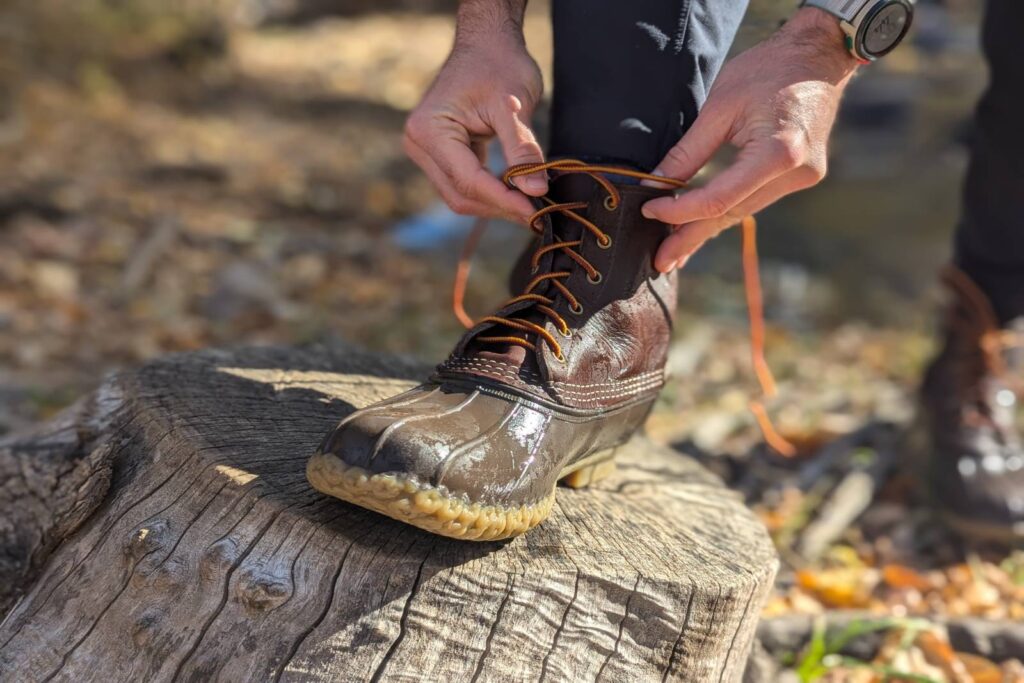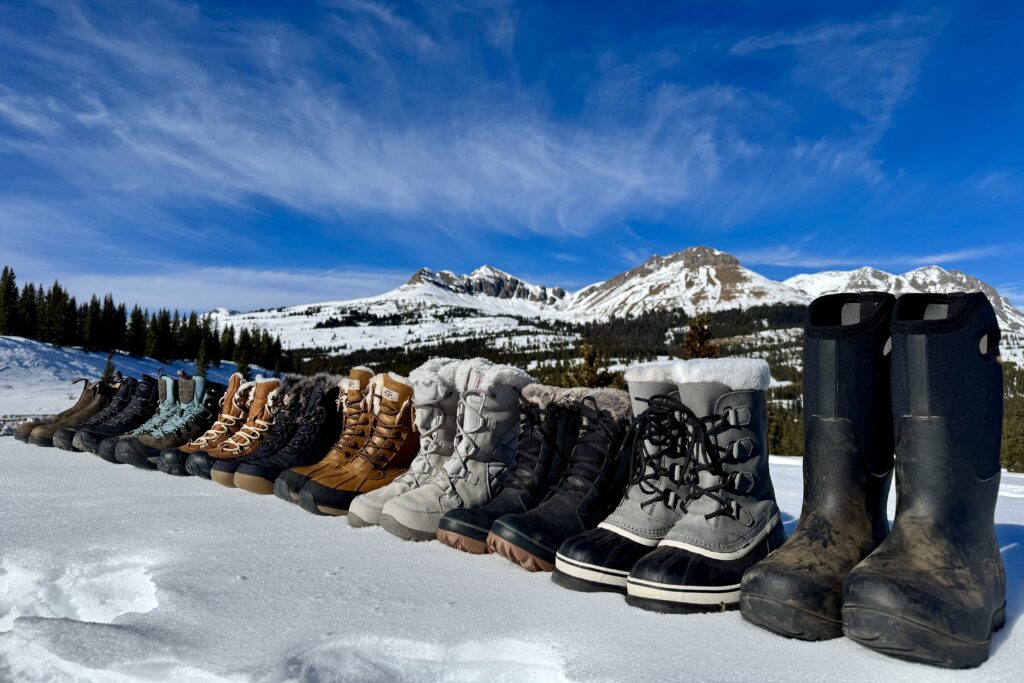


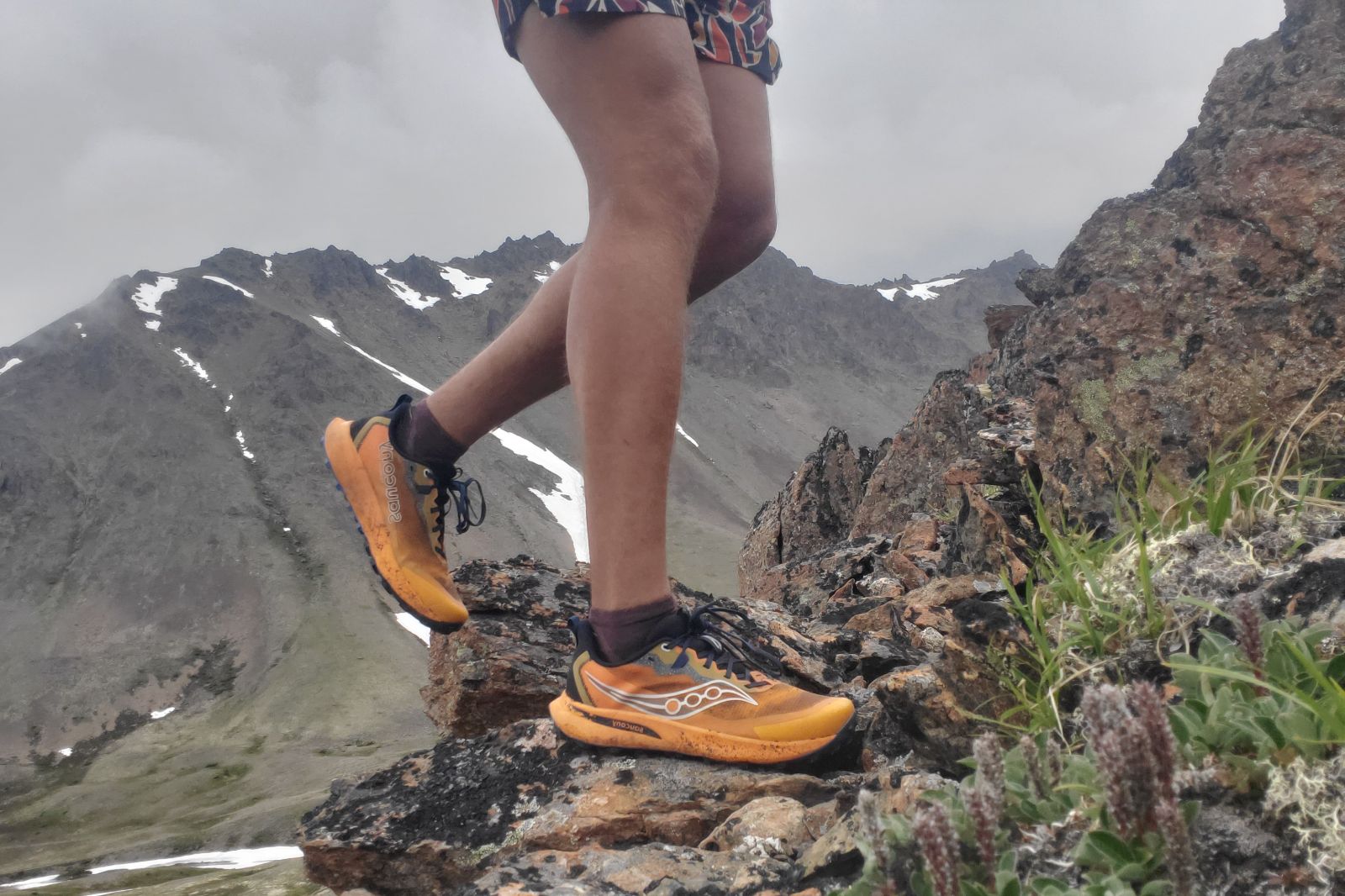
Our team of hiking experts has researched 300 pairs of hiking shoes and tested more than 100 over the past 13 years, including shoes from HOKA, Altra, Saucony, Merrell, Brooks, and more.
Editor’s Note: We updated this guide on June 8, 2026 to reflect new product pricing and to ensure that we still stand by our rankings.
How We Test Hiking Shoes
We’ve hiked 100,000 miles — from local day hikes to 3,000-mile thru-hikes — on world-renowned trails, giving us deep footwear expertise.
For more info, check out some of our other most popular gear guides:

#1. Best Men’s Hiking Shoe Overall
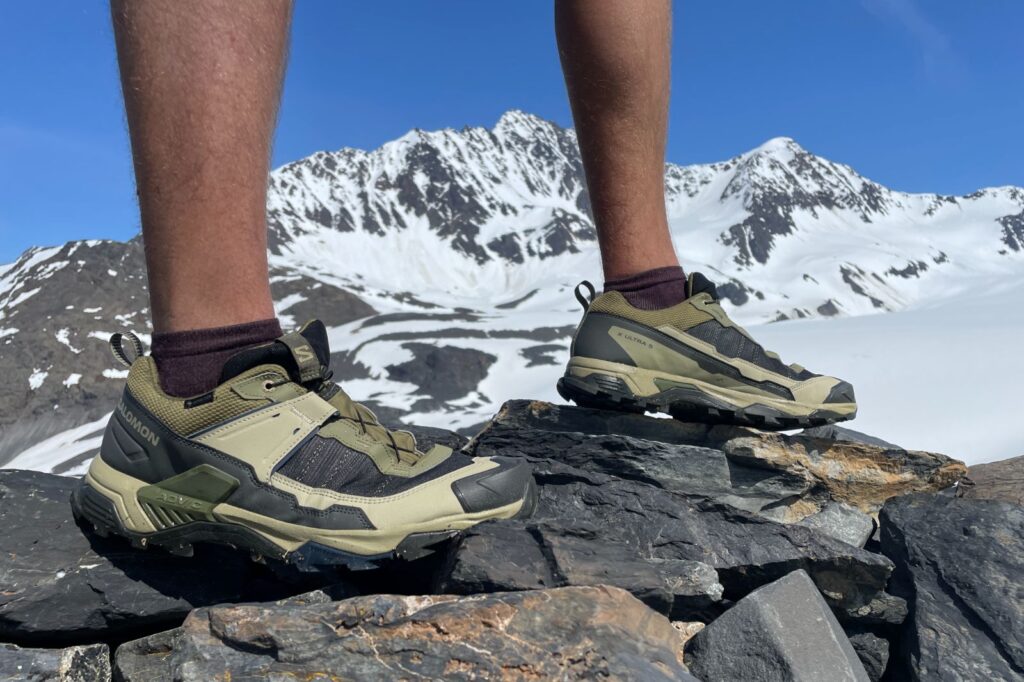
The Salomon X Ultra 5 GTX is the top-performing hiking shoe in our lineup. We like its stability, durability, and waterproofness. After over 500 miles of hiking in this shoe, it’s still our favorite.

Quick Picks for Men’s Hiking Shoes
Check out this list of the best hiking shoes, or continue scrolling to see our full lineup of favorites with in-depth reviews.
1. Best Hiking Shoes Overall: Salomon X Ultra 5 GTX ($175)
2. Best Lightweight Trail Runners for Long Distances: Saucony Peregrine 16 ($150)
3. Best Hiking Shoes for Technical Terrain: La Sportiva Ultra Raptor III ($169)
4. Best Hike Shoes for Fast and Light Missions: La Sportiva Prodigio 2 ($170)
5. Good Balance of Comfort & Traction: HOKA Speedgoat 7 ($165)
6. Best Grippy & Comfy Waterproof Hiking Shoes: HOKA Anacapa 2 Low GTX ($180)
7. Best Hiking Shoes for Cold and Damp Conditions: On Cloudrock Low Waterproof ($200)
8. Best Hiking Shoes for Narrow Feet: Scarpa Ribelle Cross 2 ($159)
9. Best Budget Hiking Shoes: Merrell Moab 3 ($140)
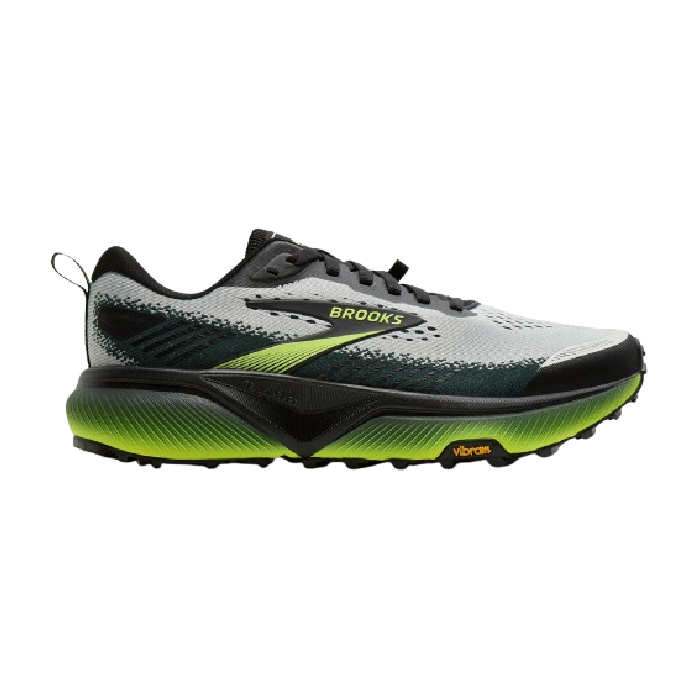
10. Supportive & Comfortable Trail Runners for Long Distances: Brooks Cascadia 20 ($160)
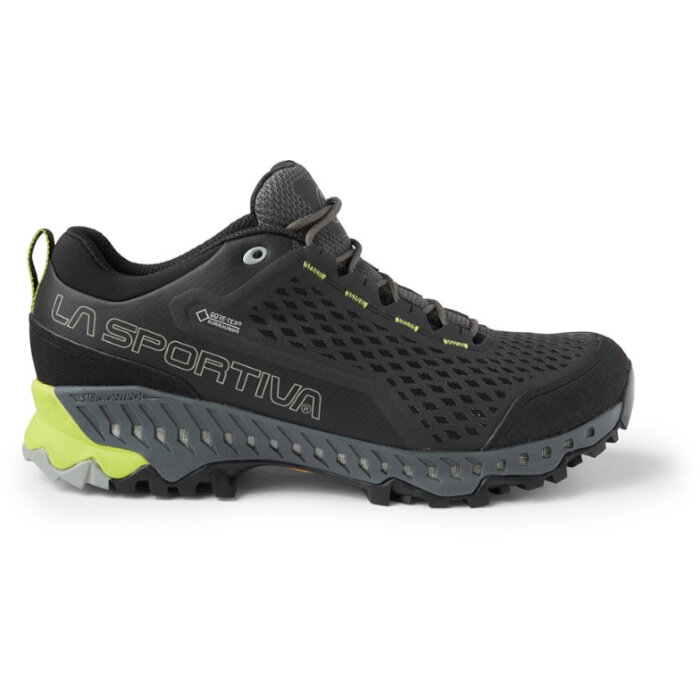
11. Best Shoe-Boot Hybrid: La Sportiva Spire GTX ($219)
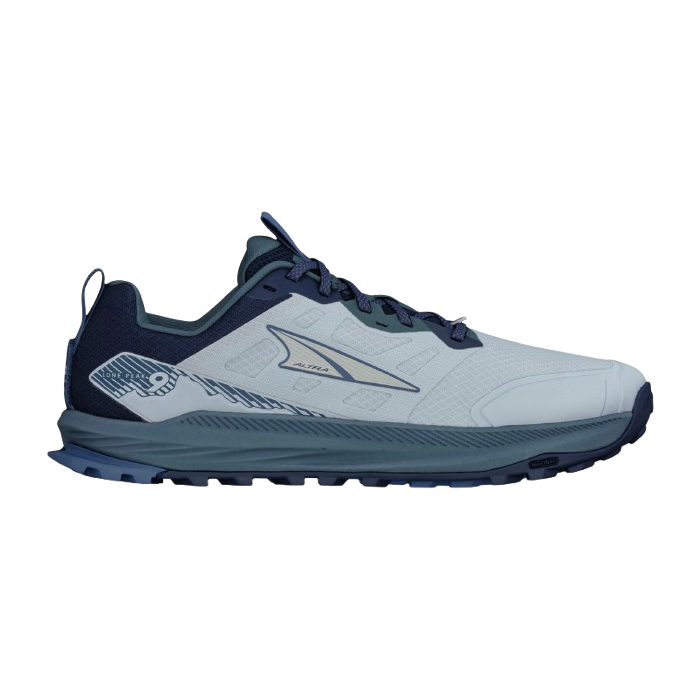
12. Best Zero Drop Shoes for Thru-Hiking: Altra Lone Peak 9 ($145)
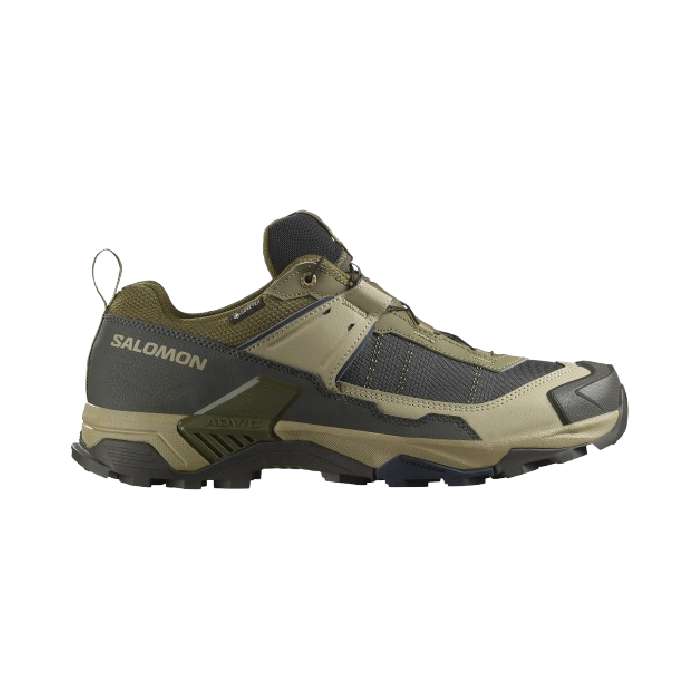
Men’s Salomon X Ultra 5 GTX
Best Hiking Shoes Overall
CleverHiker Rating: 4.8/5.0
Price: $175
Weight (Pair): 1 lb. 11 oz.
Heel-to-Toe Drop: 11 mm
Pros
- Outstanding traction
- Easy-to-use quick lace
- Waterproof
- Stable soles
- Protective toe cap & heel
Cons
- Heavier than some
- Not as flexible as some
- High heel-to-toe drop won' t suit everyone
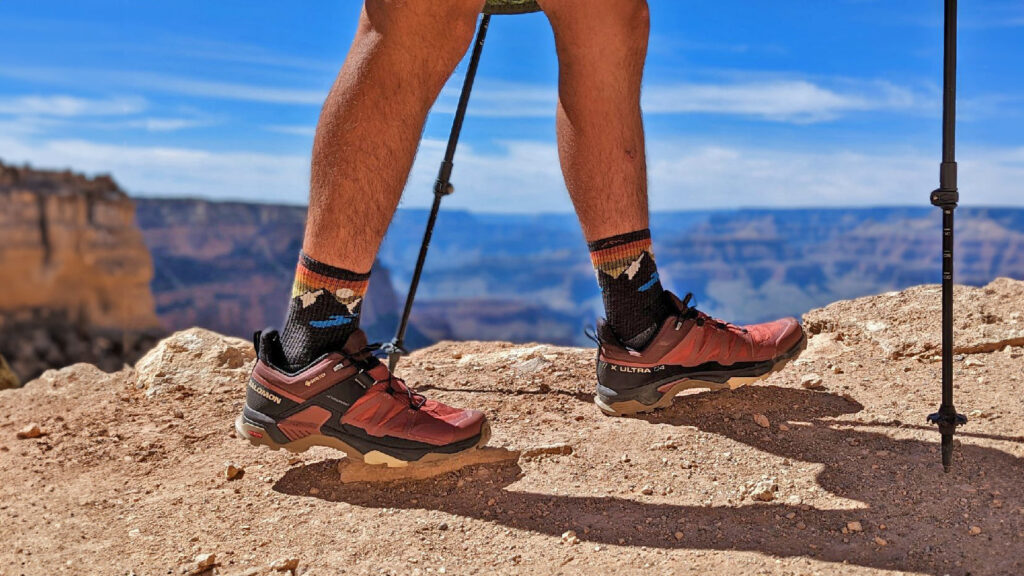
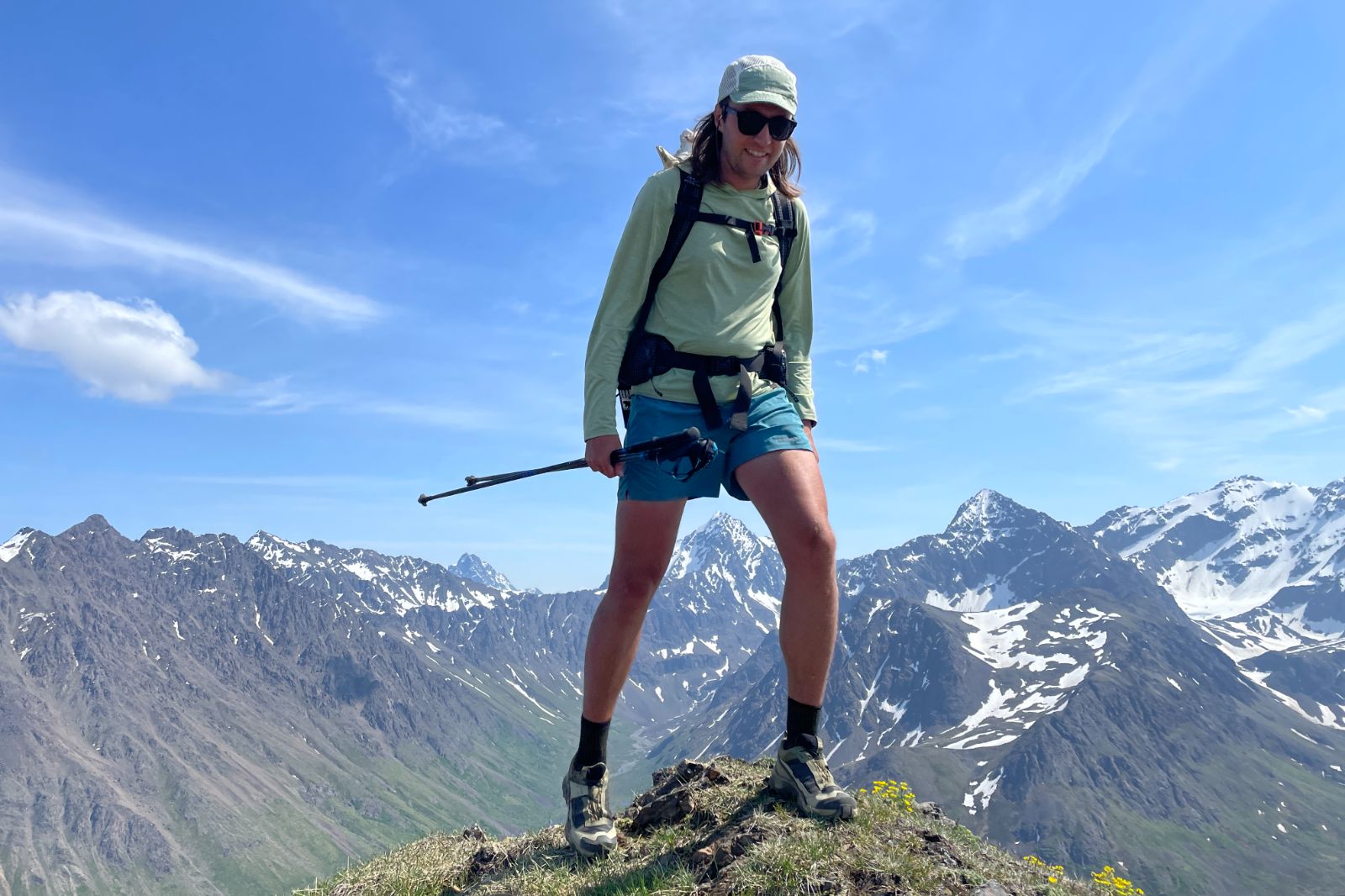
The Salomon X Ultra 5 GORE-TEX is a burly, waterproof hiking shoe built for rugged adventures in wet and challenging terrain. If stability, durability, and dry feet are your top priorities, this shoe delivers. Tested on off trail traverses in Alaska’s Chugach Range, the X Ultra 5 is one of our top choices for a dependable hiking shoe, no matter the conditions.
The X Ultra 5 is one of the most stable shoes we tested. With a stiff sole and a secure platform, it shines on uneven terrain where support and protection matter most. From steep alpine scrambles to scree-filled traverses, we found it reliable and confidence-inspiring underfoot. Its waterproofing is excellent, making it ideal for wet and cold climates. The GORE-TEX membrane, paired with the thick upper, kept our feet dry through creek crossings, snow patches, and sloppy trails. That same burly upper traps heat, though, so it’s less ideal for hot summer time hikes.
Traction is strong, especially when the footing is loose or muddy. The deep lugs and Contragrip rubber bite into soft terrain and shed debris well. However, we noticed some slip on smooth, wet rock surfaces. Still, it’s one of the grippier shoes in the lineup. Weight is the main trade-off. The X Ultra 5 is heavy compared to sleeker trail shoes, but with that weight comes increased durability and support. It remains one of our favorite hiking shoes.

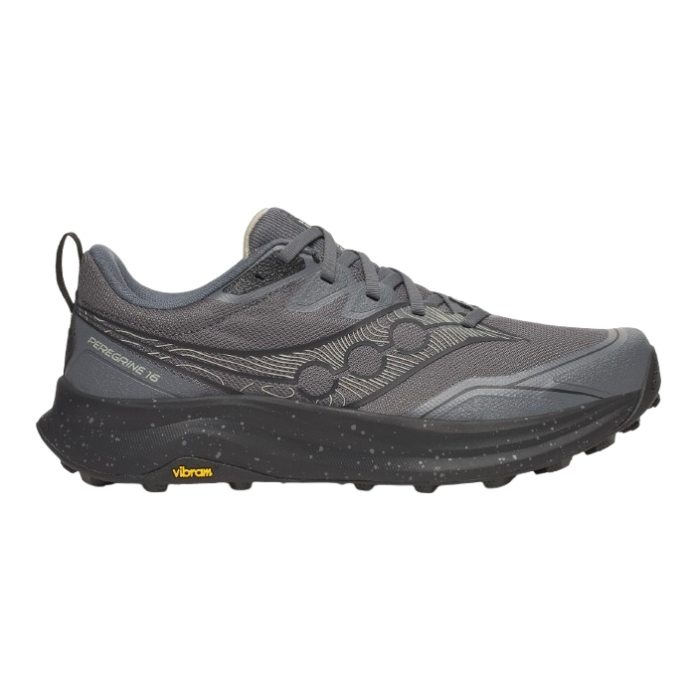
Men’s Saucony Peregrine 16
Best Lightweight Trail Runners for Long Distances
CleverHiker Rating: 4.6/5.0
Price: $150
Weight (Pair): 1 lb. 3 oz.
Heel-to-Toe Drop: 4 mm
Pros
- Excellent traction
- Breathable mesh upper
- Lightweight
- Affordable
- Flexible outsoles
- Rock plate helps protect the bottom of the feet
- No break-in period
Cons
- Not as durable as classic hiking shoes
- Limited cushioning
- Few protective features
- Laces wear out compared to previous version
From long treks through Nepal’s Himalayas to Patagonia’s famous Torres del Paine, our team at CleverHiker has hiked thousands of miles in Saucony Peregrines over many years. These shoes are grippy and lightweight and feel spry, flexible, and responsive.
The mesh uppers breathe exceptionally well and dry quickly. So they’re a solid all-around option for almost any summer conditions, rain or shine, desert or mountains. The sizing and fit are true to size and consistent. We like that the lacing and tongue allow the shoe to tighten fully around the foot from heel to toe, so it feels secure and locked down underfoot.
This shoe also stands out for its knobby, triangular lug pattern. The chunky grip provides reliable traction from sandy coastal trails to rocky alpine routes. We like the bit of cushioning that allows the Peregrine 16 to walk a fine line between agility and support.
The Peregrine 16 is a highly popular trail running shoe. So it’s designed for fast, lightweight movement over long periods and doesn’t have hiking-specific features like a toe cap, dovetail heel, or reinforced uppers. The combination of mesh, TPU, and ultralight foams and rubbers means they won’t last as long as beefier shoes on this list, like the La Sportiva Spire or the Hoka Anacapas.
That said, weighing only 9.5 ounces per shoe, these classic Saucony trail runners are a great option. If you’re looking for lightweight, comfortable shoes for your next weekend backpacking trip or footwear that can carry you across the continent, the Peregrine 16 is up to the task.

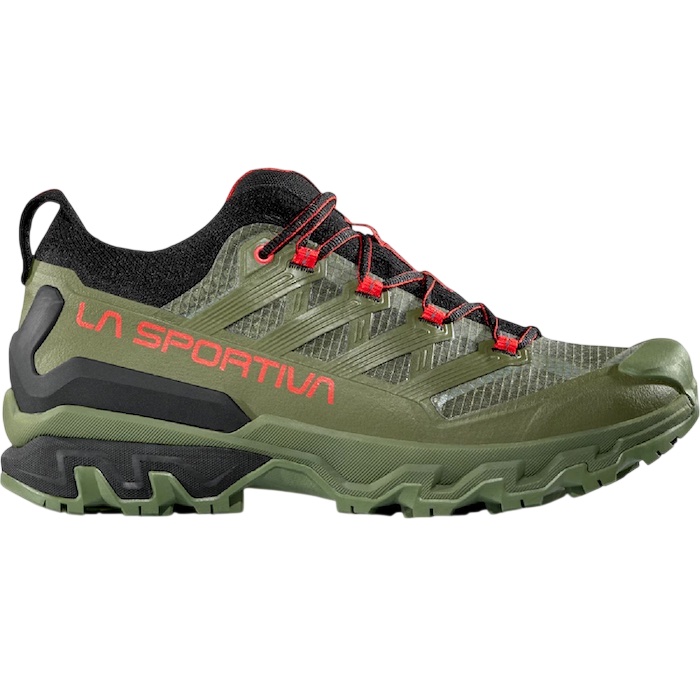
Men’s La Sportiva Ultra Raptor III
Best Hiking Shoes for Technical Terrain
CleverHiker Rating: 4.5/5.0
Price: $169
Weight (Pair): 1 lb. 9 oz.
Heel-to-Toe Drop: 9 mm
Pros
- Solid construction
- Comfortable
- Sticky grip
- Durable
- Huge toe guard
- Snug fit
Cons
- Runs a bit narrow
- High heel drop not for everybody
- Limited breathability
- Stiffer midsoles than some
The La Sportiva Ultra Raptor III is a favorite for technical, mountainous terrain. Tested by Gear Analyst Miles Knotek on the steep trails and loose scree of Alaska’s Chugach Range, this shoe delivers the robust protection and exceptional stability needed to confidently navigate loose sidehills and boulder fields.
The Ultra Raptor III’s defining feature is an incredibly sticky rubber composite outsole and aggressive lugs. This tread provides tacky traction on steep, slick rock and loose slopes, though the softer rubber does wear down faster than denser blends. Heavy TPU overlays and a thick toe cap offer top-tier defense against sharp talus.
The Raptor III features a narrow, low-volume fit that often requires sizing up. They may not be the best fit for users with wide feet or who prefer a wider toe splay. It also runs warm and dries slowly once saturated. While too stiff for flat, well-maintained trails, the Ultra Raptor III remains the ultimate choice for alpine peak-bagging and rugged off-trail adventures.
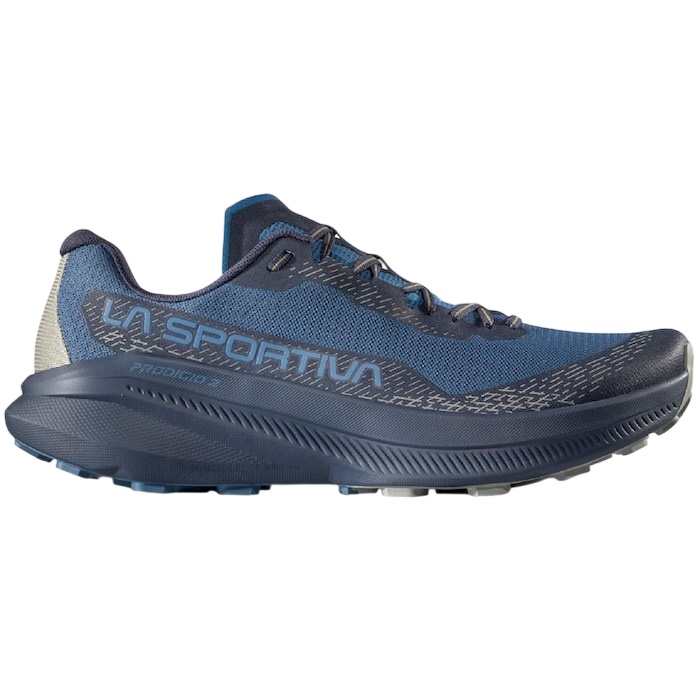
Men’s La Sportiva Prodigio 2
Best Hiking Shoe for Fast & Light Missions
CleverHiker Rating: 4.5/5.0
Price: $170
Weight (Pair): 1 lb. 2.3 oz.
Heel-to-Toe Drop: 6 mm
Pros
- Great traction
- Durable for a trail runner
- Performance fit
- Lightweight
Cons
- Not a good fit for wide feet
- Tricky sizing
The La Sportiva Prodigio 2 is a lightweight, high-performance trail running shoe built for moving fast over rugged terrain. Designed with a precision fit and a focus on technical movement, it’s a top pick for runners and mountain enthusiasts who value speed, stability, and reliable traction above all else.
The Prodigio delivers serious grip and support in challenging conditions. The strong rubber outsole and aggressive 4mm lugs excel on everything from loose dirt to slick rock. The dual-density rubber is soft on the inside for grip and firmer on the outside for durability. Its rockered profile allows for a comfortable gait, and the midfoot wrap system helps maintain control on off-camber terrain. We love the welded overlays and a robust toe cap for boosting protection without adding much bulk or weight.
This shoe is not for everyone, but it’s exceptional for the right user. The narrow fit and firm midsole create a snug, performance-oriented feel. However, that fit may be uncomfortable for those with wide feet or for casual hikers. We suggest sizing up a half size and giving it some break-in time.
The Prodigio 2 is impressively light, durable, and trail-ready. After 100 miles in the Chugach Range, including talus-hopping, ridge scrambling, and fast scree descents, it’s proven itself as one of the most capable shoes for high-output days in the mountains.
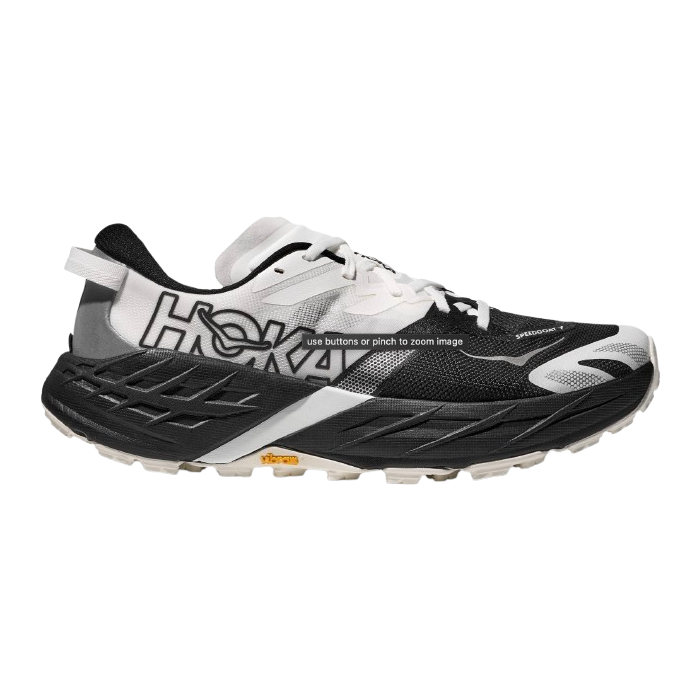
Men’s HOKA Speedgoat 7
Good Balance of Comfort & Traction
CleverHiker Rating: 4.5/5.0
Price: $165
Weight (Pair): 1 lb. 3.4 oz.
Heel-to-Toe Drop: 5 mm
Pros
- Cushy soles
- Excellent traction
- Great arch support
- Lightweight
- Roomy toe box
- Breathable
- Short break-in time
Cons
- Uppers and midsoles less durable than some
- Stiffer midsoles than prior versions
- Toebox not as wide as prior versions
- Dovetail heel may take getting used to
The HOKA Speedgoat 7 offers an excellent combination of comfort, support, and light weight. The Speedgoats have ranked on our list for years thanks to thick, soft midsoles, which make for a comfortable ride. They provide ample impact absorption, so you won’t feel those branches, rocks, or roots while moving down the trail.
Weighing in at only 9.8 ounces each, these are some of the lightest shoes in our lineup, but they don’t skimp on important features. While the latest version of the Speedgoat does have a shallow, low-volume toe box, they do open up slightly when broken in. They also come in wide. The outsoles feature a lug pattern that delivers outstanding traction, especially on uphill sections. The Speedgoat’s laces stay put once tied, and the extended gusseted tongue is comfortable and secure. The uppers are impressively fast-drying and breathable, and these shoes are pleasant and snug right out of the box.
Like many trail runners, the Speedgoats are not as durable as true hiking shoes. Although the uppers last longer than those of many other trail runners, the foam soles are prone to damage and wear out faster than burlier options. That said, we hiked 200 miles in the Speedgoats before they began to show wear and tear.
The Speedgoats also have a reduced heel flare from the back of the shoe, which contributes to the shoe’s slightly rockered soles our team likes so much. They lead the pack as a cushioned, extremely lightweight trail runner. If a supportive build, über-cushy feel, and great traction are your top priorities in a hiking shoe, these are for you.
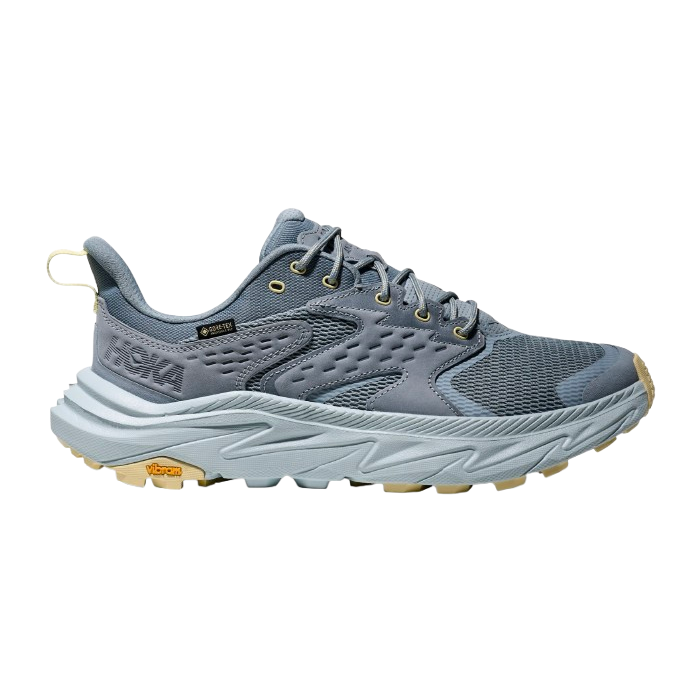
Men’s HOKA Anacapa 2 Low GTX
Grippy & Comfy Waterproof Hiking Shoes
CleverHiker Rating: 4.4/5.0
Price: $180
Weight (Pair): 1 lb. 14.6 oz.
Heel-to-Toe Drop: 8 mm
Pros
- Grippy and sticky lug pattern
- Comfortable midsole
- Laces stay put once tied
- Waterproof
- Excellent weather resistance
- Rockered design for a natural gait
Cons
- Expensive
- Too wide for some
- Heavier than other shoes
- Dovetail heel takes getting used to
- Aesthetic won't fit everyone's style
The HOKA Anacapa 2 Low GTX is a unique blend of comfort and durability, making these shoes an excellent choice for both day hikes and extensive backpacking trips. With a sole just stiff enough for steep ascents and a wider toe box to let your forefoot spread out, they feel comfortable and supportive on most terrain and trail conditions.
The uppers are decently durable – and stronger than other models we tested – thanks to a combination of leather and mesh, and the TPU toe cap adds a bit of extra protection.
This model offers solid traction, with a chunky lug pattern that bites the ground for excellent grip on rocks and roots. The GORE-TEX liner gives reliable waterproofing in wet conditions, and a rockered heel makes them outstanding for daily use in a variety of trail conditions, whether you’re on the third day of a muddy route or tackling a local trail in wet conditions.
But, for the price, the Anacapa 2 is one of the most spendy pairs of shoes on this list. Because of its wider fit, HOKA’s extended heel, and unique aesthetic, we found the Anacapa’s might take a bit of time to get used to.
Though they are more expensive, the HOKA Anacapa 2 offers top-tier comfort and durability. If you need a new go-to waterproof hiker with great support and protection for 3-season hiking, these are worth a closer look.
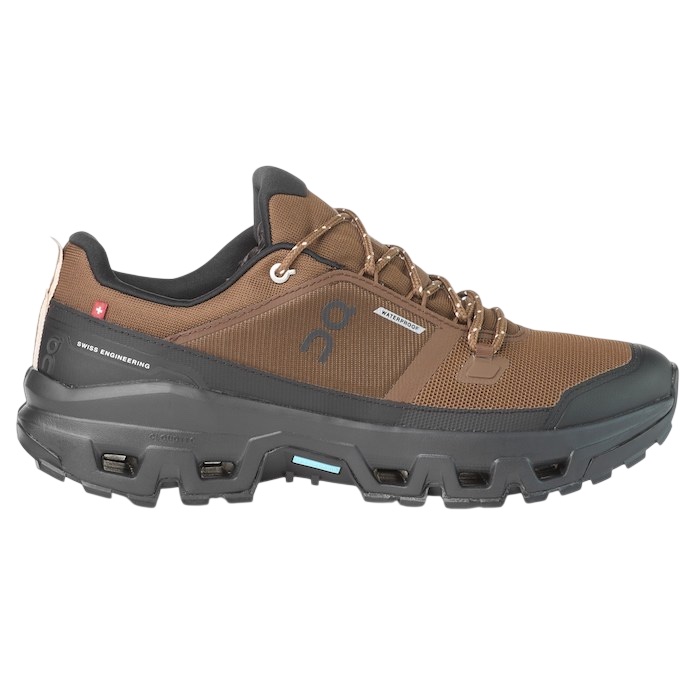
Men’s On Cloudrock Low Waterproof
Best Hiking Shoes for Cold & Damp Conditions
CleverHiker Rating: 4.4/5.0
Price: $200
Weight (Pair): 1 lb. 14.3 oz.
Heel-to-Toe Drop: 8 mm
Pros
- Supportive
- Strong waterpoofing
- Durable
- Rubber rand
Cons
- Warm
- Expensive
- Heavy
New to our lineup, the On Cloudrock Low Waterproof hiking shoes earn a spot in our guide to the best men’s hiking shoes for their durability and strong weather resistance. This beefy, low-cut hiker is more like a climbing approach shoe or lightweight boot than a trail runner or hiking shoe. Over three months of testing in variable mountain and coastal conditions in springtime Alaska, this shoe proved itself to be a rugged, highly durable tank designed to conquer mucky trails.
Its standout feature is On’s proprietary waterproof membrane, which excelled in muddy conditions, keeping our feet completely dry even when fully submerged. A full wrap-around TPU mudguard and a burly toe cap provide top-tier protection and impressive longevity against talus and scree.
However, this burly construction comes with a few trade-offs. Weighing nearly 2 pounds per pair, they are the heaviest shoes in our lineup, and their thick construction traps considerable heat. The Cloudrock also has a decidedly stiff, firm ride rather than the plush cushion that some may be looking for. If you frequently hike in cold, damp, or muddy environments, the durable Cloudrock is an excellent choice.
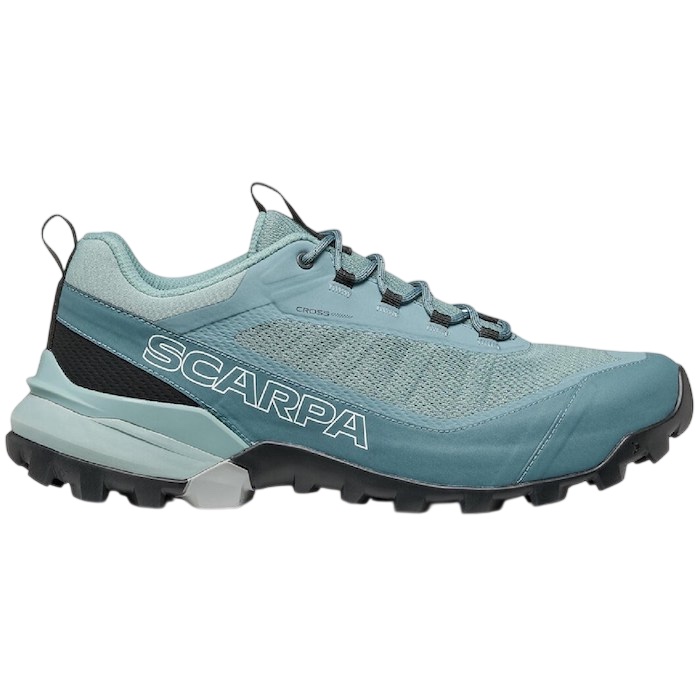
Men’s Scarpa Ribelle Cross 2
Best Hiking Shoes for Narrow Feet
CleverHiker Rating: 4.4/5.0
Price: $159
Weight (Pair): 1 lb. 11.6 oz.
Heel-to-Toe Drop: –
Pros
- Excellent traction
- Durable
- Breathable uppers
- Protective
Cons
- Long break-in period
- Not the most comfortable
The Scarpa Ribelle Cross 2 is built for those who prioritize traction and durability above all else. Designed with steep alpine terrain in mind, this technical shoe feels most at home scrambling over loose rock, sidehilling across scree, and tackling muddy mountain trails. Its aggressive chevron-shaped lugs provide some of the best traction in our lineup, perfect for the steeps. The stiff construction and supportive platform also excel at edging on rock and kicking steps into steep hillsides.
Despite its trail-runner-inspired appearance, the Ribelle Cross 2 feels more like a lightweight mountain boot. It features a robust upper and reinforced TPU protection that shrugged off months of abuse in Alaska’s Chugach Mountains. That performance does come with tradeoffs, though. The narrow fit may not suit wider feet, and the rigid construction lacks the plush comfort many hikers prefer for long trail miles. Heavier than most other hiking shoes, the Ribelle Cross 2 is still an exceptional choice for alpine travel where durability and traction matter most.
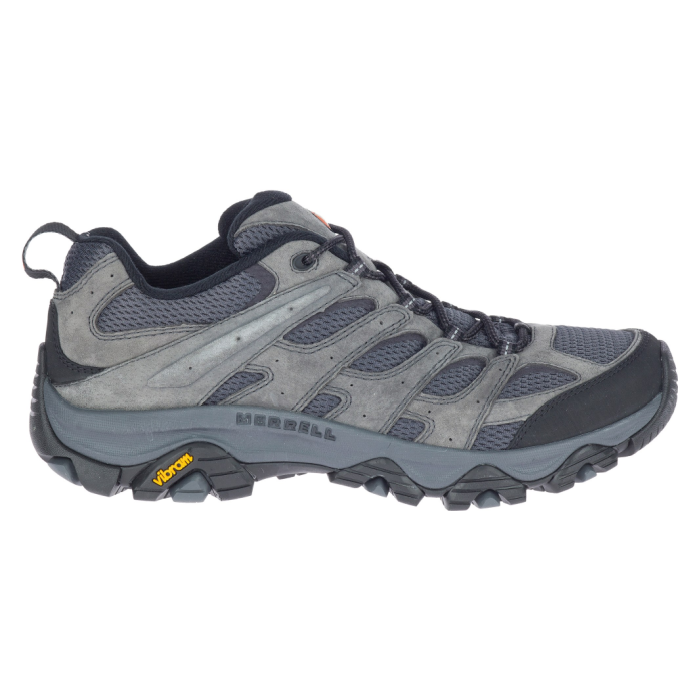
Men’s Merrell Moab 3
Best Budget Hiking Shoes
CleverHiker Rating: 4.3/5.0
Price: $140
Weight (Pair): 1 lb. 9 oz.
Heel-to-Toe Drop: 11.5 mm
Pros
- Less expensive
- Very little break-in needed
- More durable than trail runners
- Breathable mesh
- Excellent traction
- Laces hold well
- Dry fast for hiking shoes
Cons
- Heavier than some
- Not as flexible as trail runners
- Bulkier outsole than trail runners
The wildly popular Merrell Moab 3 has been our top budget shoe pick for years. These shoes are comfortable, versatile, and an outstanding value. They offer similar protection to a hiking boot in a breathable, low-profile shoe, with next to no break-in period.
These shoes are a rare combination of comfort and ventilation, thanks to their non-waterproof construction. They also come in a waterproof version, although we prefer the non-waterproof shoes because they offer better ventilation for wet or sweaty feet and on warm days. That said, we are big fans of the waterproof boot for soggy and muddy hikes.
Aesthetically, the Moab 3s are about as traditional-looking as hiking shoes come. All the colorways are earth tones, the profile is burly, and the leather-and-mesh combination is reminiscent of old-school boots.
Though the Moabs aren’t the sleekest or lightest shoes on the market, they are comfortable. The insoles are contoured with thick heel cushioning, the midsole is soft but firm, and the outsoles offer decent traction on most surfaces, while still feeling durable. The thick toe and heel guards protect your feet from rocks and roots. We also like the Moab’s long laces because they’re easy to tie, cinch the shoe tightly around our feet, and don’t need constant adjustments.
Compared to many other shoes on this list, these are on the bulkier and heavier side, so we tend to leave them at home for long backpacking trips and huge hiking days. However, we highly recommend the Moab 3s for just about any other hiking adventure. For weekend warriors, summer hikers, and folks who prioritize comfort on short overnight trips and day hikes, the Moab 3 might just be your glass slipper.
Men’s Brooks Cascadia 20
Supportive & Comfortable Trail Runners for Long Distances
CleverHiker Rating: 4.3/5.0
Price: $160
Weight (Pair): 1 lb. 5.6 oz.
Heel-to-Toe Drop: 6 mm
Pros
- Versatile for road & trail running
- Large heel tab
- Flexible uppers
- Less expensive
Cons
- Laces come undone somewhat easily
- Mesh uppers blow out
- Less ground feel than other trail runners
The Brooks Cascadia 20s are versatile, breathable trail runners well-suited for covering huge mileage days on established trails. We have tackled over 8,000 miles of America’s most scenic trails in these shoes, including thru-hikes of the PCT, CDT, Pinhoti Trail, and more. Whether you’re a trail runner, day hiker, or long-distance backpacker, these are comfortable trail shoes that feel fast on backcountry routes.
The Cascadia 20s weigh 10.8 ounces per shoe, which is lighter than most traditional hiking shoes. These are first and foremost trail runners, so they aren’t designed for off-trail adventures. That means the Cascadia 20s don’t have the durability of hiking-specific shoes on this list, though this edition is more robust than previous versions. With a 6-millimeter heel-to-toe drop, this has a traditional trail running shoe build that won’t appeal to low-drop or zero-drop fans.
Still, we like the Cascadia 20s for their consistent all-around performance. These are a bullseye for dependable shoes with almost no break-in period.
Men’s La Sportiva Spire GTX
Best Shoe-Boot Hybrid
CleverHiker Rating: 4.0/5
Price: $209
Weight (Pair): 1 lb. 15 oz.
Heel-to-Toe Drop: 6 mm
Pros
- Quality construction
- Breathable
- Waterproof
- Stable
- Great traction
- Snug fit
Cons
- Expensive
- Heavier than some
- Stiff soles
- Medium break-in period
- Runs narrower than some
- Flimsy shoelaces
The La Sportiva Spire GTX is a seriously burly shoe. It effectively mixes the stability, deep lugs, and waterproofing of a classic hiking boot with the comfort, breathability, and low profile of a shoe. These are the right shoes for you if you like the feel of a thick-soled hiking boot but want a slightly more flexible and versatile waterproof option for shoulder-season adventures or wet, muddy trail conditions. They served us well on our 200-mile thru-hike of the John Muir Trail in California’s Sierra Nevada.
The stiff midsole and aggressive Vibram outsoles are protective and grippy. And the quality build means these puppies will last for hundreds of miles. But these shoes will require a longer break-in period before they really shine. Once you’ve gotten through that initial break-in, the fit is stable and comfortable.
The Spires also have a higher heel-to-toe drop of 11 millimeters. That’s great if you love traditional heel cushioning and foot support. However, if you prefer a lower profile or a more natural foot strike, these might feel a bit too tippy and tall to maintain a natural gait.
When shoes are waterproof, they usually aren’t very breathable. The opposite is true with the Spires: the waterproof liner keeps out rain and snow while aeration channels in the footbed and midsole help release more moisture. Our feet stayed consistently dry and comfortable on days up to 70 degrees.
They weigh in at about 1 pound per shoe. This is largely due to the beefy midsole and thick synthetic upper. Those elements inspire confidence off-trail and in gnarly mud or light snow but make the shoes feel hot and heavy for summer hiking on groomed trails.
These shoes are one of the more expensive pairs on our list. However, they are well worth the price if you’re looking for a waterproof hiking shoe for day hikes, weekend adventures, and section hikes where weatherproofing and durability matter.
Men’s Altra Lone Peak 9
Best Zero Drop Shoes for Thru-Hiking
CleverHiker Rating: 3.9/5.0
Price: $145
Weight (Pair): 1 lb. 6.4 oz.
Heel-to-Toe Drop: 0 mm
Pros
- Roomy toe box
- Excellent traction
- Lightweight
- Flexible outsoles
- Breathable uppers
- Rock plate
- No break-in needed
- Built-in gaiter attachment
Cons
- Not as durable as some
- Zero drop doesn't work for everyone
- Lacing system is a bit cumbersome
- Thinner soles
- Not weather resistant
The Altra Lone Peak 9s are zero-drop shoes that offer excellent traction, a natural foot shape, and plenty of toebox room. They are foot-shaped, so they’re snug and comfy through the midsole and heel, but very wide in the toebox. In fact, the toebox is one of the largest on this list, offering plenty of room for your forefoot and toes to splay naturally for an ergonomic gait.
The Trail Claw lug pattern offers a variety of square, triangular, and ribbed lugs across the outsole for ultra-tacky, super-effective traction in most trail conditions. The Lone Peak 9s also have great ground feel, allowing for better navigation of the trail with every step, whether you’re traversing sandstone washes in the deserts of Arizona or hiking over tall mountain passes in the Sierra Nevada.
This is one of our top picks for hot weather and trails that are wet, mucky, or overgrown. With lightweight mesh uppers, they dry in no time. The large Velcro gaiter attachment at the heel (gaiters sold separately) is perfect for keeping out brambles, dirt, and rocks.
For many folks, zero-drop shoes promote a natural foot position and can even help solve foot and leg pain. However, zero-drop shoes are not for everyone. We always recommend researching and testing if zero-drop shoes will work for your biomechanics.
The biggest downside of these shoes is their lower durability. Due to their lightweight uppers, the Lone Peak 9s won’t last as long as more durable, heavier options. That also means they’re too light and thin to offer much insulation from the cold and wet, so we don’t recommend them for especially chilly routes.
That said, Altra hits the nail on the head with a wide toe box, burly traction, and a comfy, lightweight build. The Lone Peak 9 is the reigning champion of the zero-drop world for good reason, and this pair could become your favorite too.
Product Comparison Table
| oSort | Product | Price | Weight (Pair) | Heel-to-Toe Drop | Comfort | Traction | Durability | Weight Score | Weather Resistance | 0 |
Salomon X Ultra 5 GTX View at REI View at Amazon 
|
$175 | 1 lb. 11 oz. | 11 mm | 4.5 | 4.7 | 4.7 | 4.2 | 4.8 | 1 |
La Sportiva Ultra Raptor III View at REI View at Amazon
|
$169 | 1 lb. 9 oz. | 9 mm | 4.5 | 4.6 | 4.6 | 4.3 | 4.5 | 2 |
La Sportiva Prodigio 2 View at REI View at Amazon |
$170 | 1 lb. 2.3 oz. | 6 mm | 4.6 | 4.5 | 4.5 | 4.7 | 4.4 | 3 |
HOKA Speedgoat 7 View at REI View at Amazon
|
$165 | 1 lb. 3.4 oz. | 5 mm | 4.4 | 4.5 | 4.4 | 4.8 | 4.4 | 4 |
HOKA Anacapa 2 Low GTX View at REI View at Amazon
|
$180 | 1 lb. 14.6 oz. | 8 mm | 4.5 | 4.5 | 4.4 | 3.5 | 4.7 | 5 |
On Cloudrock Low Waterproof View at REI View at Amazon |
$200 | 1 lb. 14.3 oz. | 8 mm | 4.4 | 4.4 | 4.7 | 4.0 | 4.7 | 6 |
Scarpa Ribelle Cross 2 View at REI View at Amazon |
$159 | 1 lb. 11.6 oz. | – | 4.4 | 4.7 | 4.7 | 4.0 | 4.3 | 7 |
Merrell Moab 3 View at REI View at Amazon 
|
$140 | 1 lb. 9 oz. | 11.5 mm | 4.7 | 4.6 | 4.3 | 4.2 | 4.3 | 8 |
Brooks Cascadia 20 View at REI View at Amazon |
$160 | 1 lb. 5.6 oz. | 6 mm | 4.1 | 4.2 | 4.1 | 4.5 | 3.9 | 9 |
La Sportiva Spire GTX View at Amazon View at Backcountry |
$209 | 1 lb. 15 oz. | 6 mm | 4.0 | 4.5 | 4.6 | 4.0 | 4.4 | 10 |
Altra Lone Peak 9 View at REI View at Amazon |
$145 | 1 lb. 6.4 oz. | 0 mm | 3.8 | 3.8 | 3.9 | 4.5 | 3.9 |
|---|
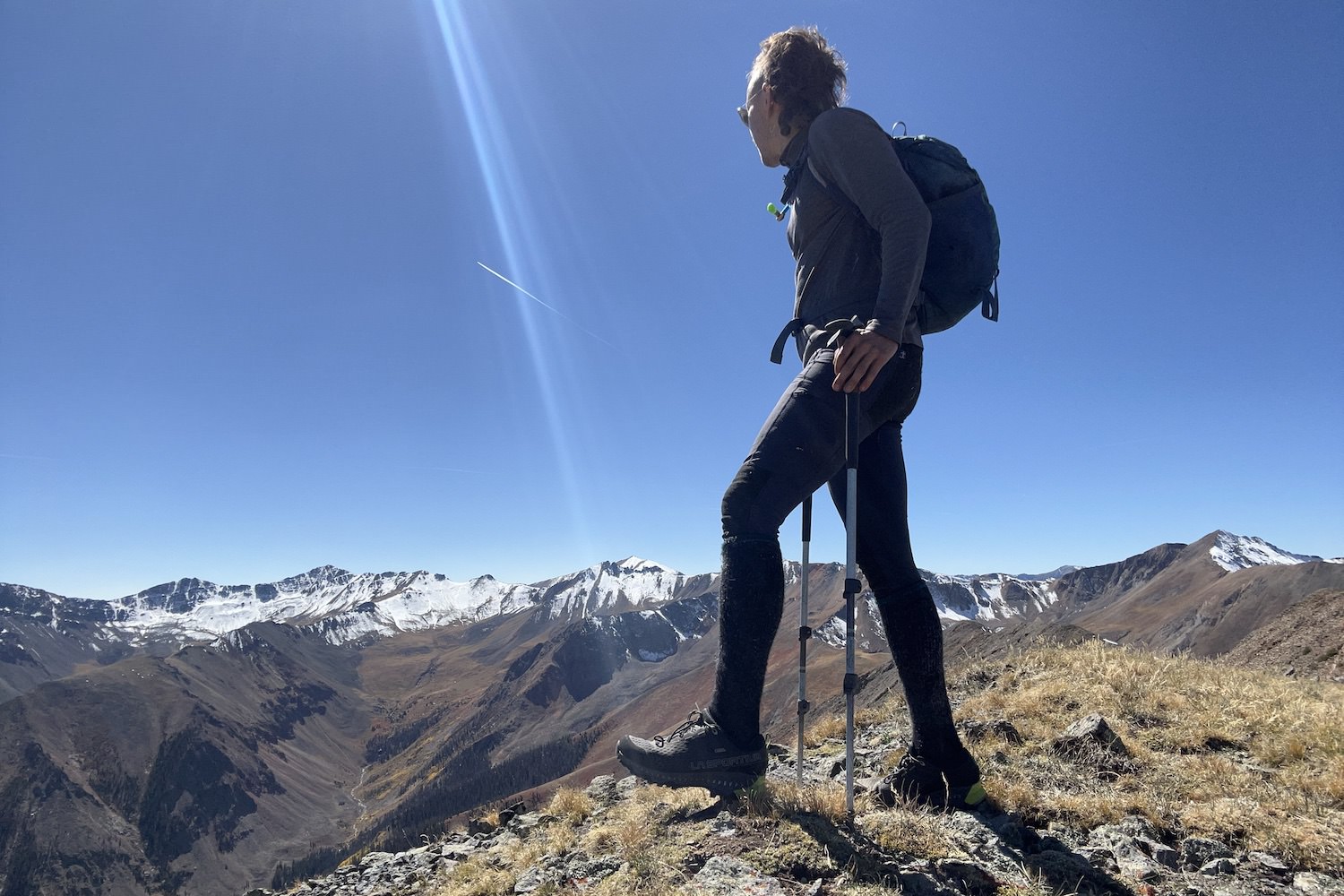
Analysis & Results
We rate our hiking shoes on five different dimensions: comfort, traction, weight, durability, and weather resistance. Check out how they performed in our real-world, hands-on testing.
What’s the best value hiking shoe?
The Merrell Moab 3 is our favorite budget option, offering exceptional durability, comfort, and traction at one of the lowest prices on this list. The Saucony Peregrine 16 is another great high-value shoe. Its impressive lightweight performance, combined with its attainable price point, makes it a high-performance shoe that punches far above its price point. Similarly priced and built to go the distance, the Brooks Cascadia 20 is a shoe that we’ve trusted for years.
What are the most comfortable hiking shoes?
When it comes to comfort, all of the shoes on our list are excellent options — although a few stand out as super cozy right out of the box. Our top choice for comfort is the Hoka Speedgoat 7, providing exceptional cushioning and a plush feel thanks to its thick midsole and responsive foam. This design reduces impact and offers a smooth ride, even on the roughest trails.
Also near the top are the Saucony Peregrine 16 and the Merrell Moab 3. The Peregrine 16 remains an extremely comfortable shoe for logging high mileage. Its plush midsole, combined with an updated and slightly wider toe box, makes it comfortable no matter your foot shape. The Merrell Moab 3 is one of our favorites for its fit and ample interior padding, which cradles the foot comfortably while offering excellent arch support. Both shoes will keep your feet happy on the trail and ensure you can hike for hours without discomfort.
Which shoes have the best traction?
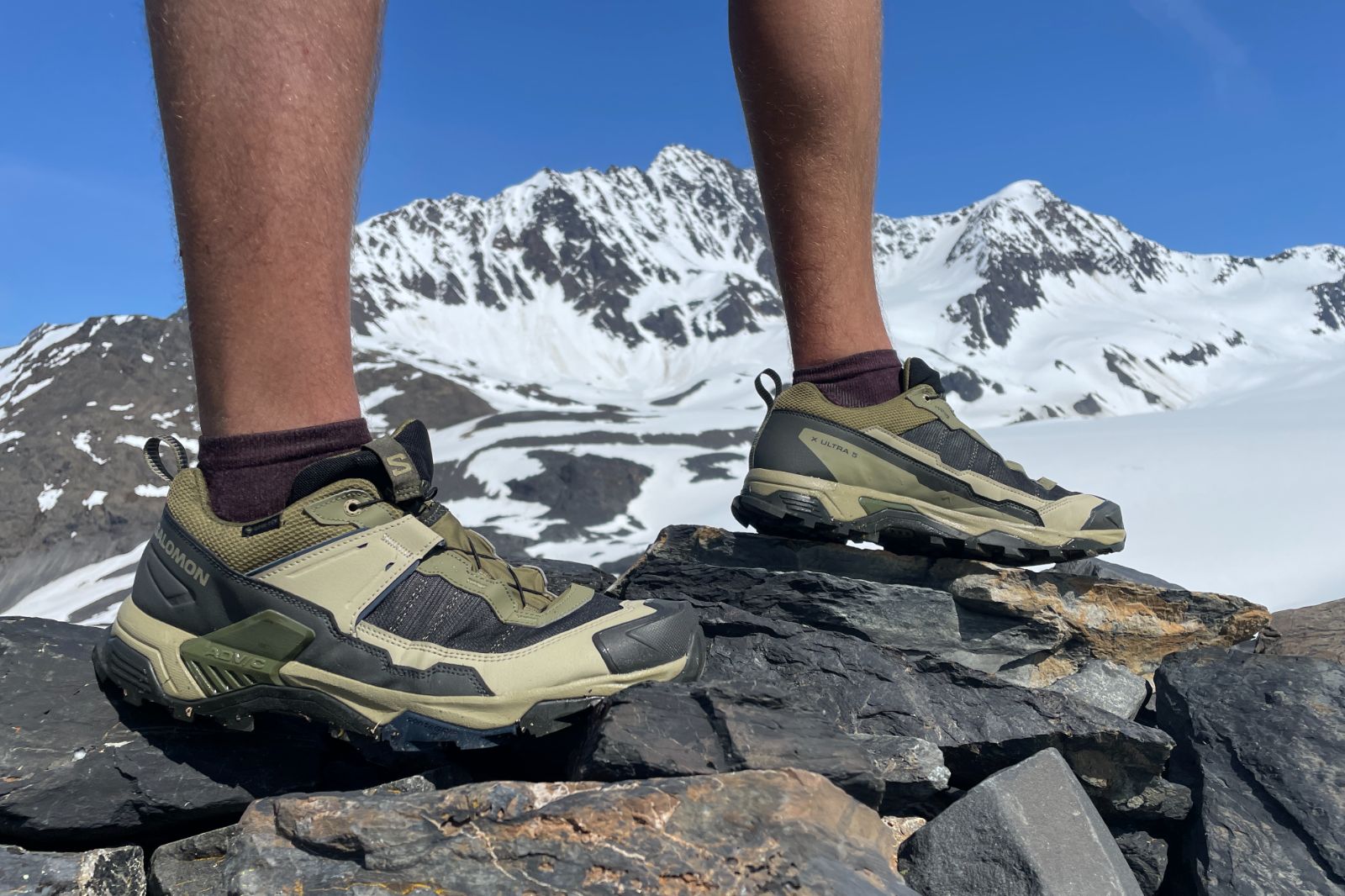
Getting a grip matters when you’re hiking. While all of the shoes on this list will keep you secure on most terrain, a few are truly the best in our experience. The Salomon X Ultra GTX 5 leads the pack with its Contagrip sole, which provides excellent bite on both wet and dry surfaces. Its multi-directional lugs enhance stability and control while moving, making it an ultra-reliable choice for ascents and descents on all sorts of terrain.
The La Sportiva Prodigio 2 impresses with its sticky lugs and powerful grip. We love the dual-density rubber for both traction and durability on mile after mile of wet, rocky trails. With some of the deepest lugs of any shoe in our lineup, the Scarpa Ribelle Cross 2 is an excellent choice for muddy or steep trails that require extra traction.
What are the lightest hiking shoes?
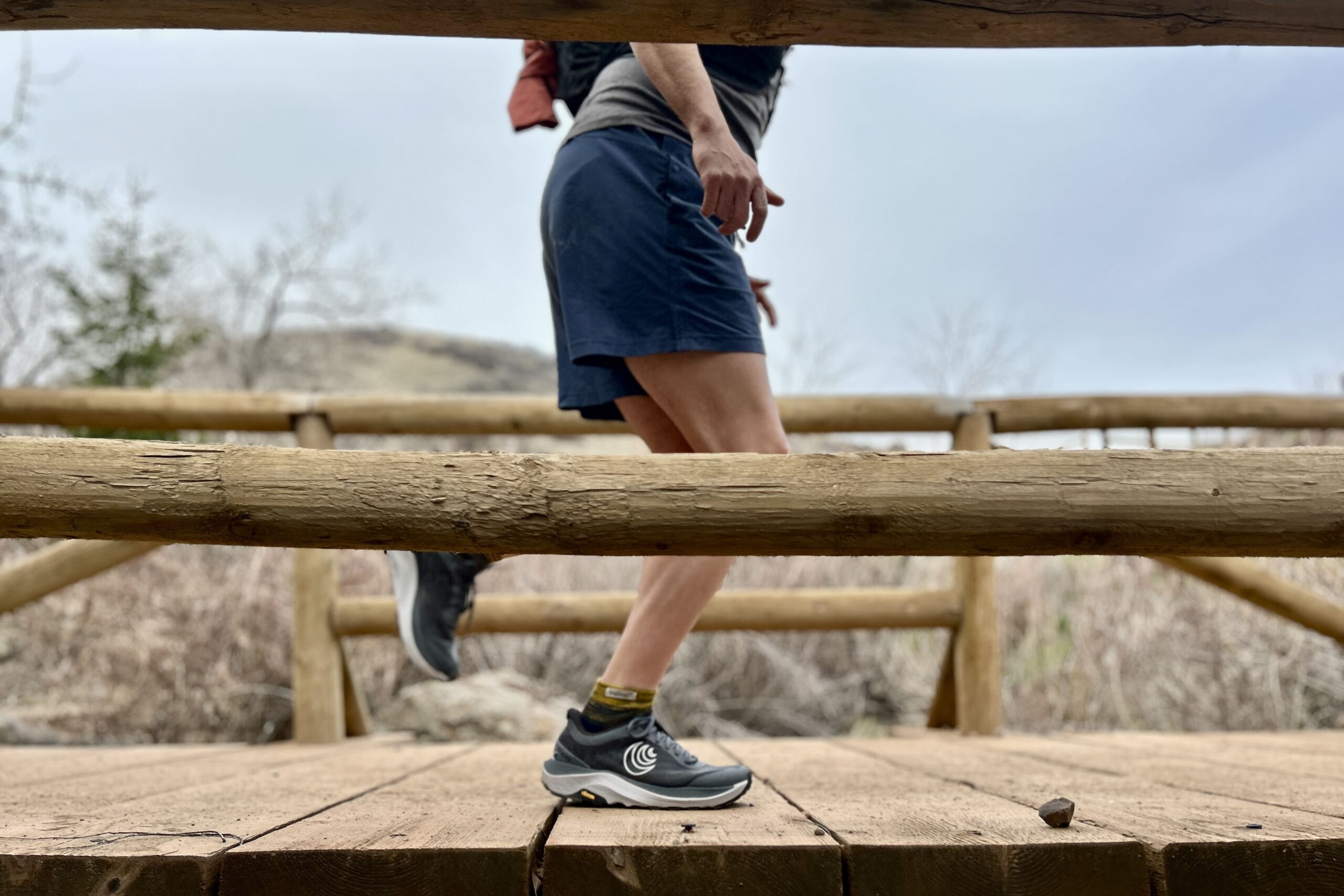
The lightest in our lineup, all coming with an ounce of each other, are the Saucony Peregrine 16, La Sportiva Prodigio 2, and Hoka Speedgoat 7. The La Sportiva Prodigio 2 in particular is our top choice for those looking to go fast and light on the trail. While all three of these shoes are made for trail running, we have found that they are great for hikes as well. While lightweight may mean they are less durable than heavier shoes, throughout our testing we’ve found that lighter-weight shoes lead to less fatigue and more fun on the trail.
What’s the most durable hiking shoe?
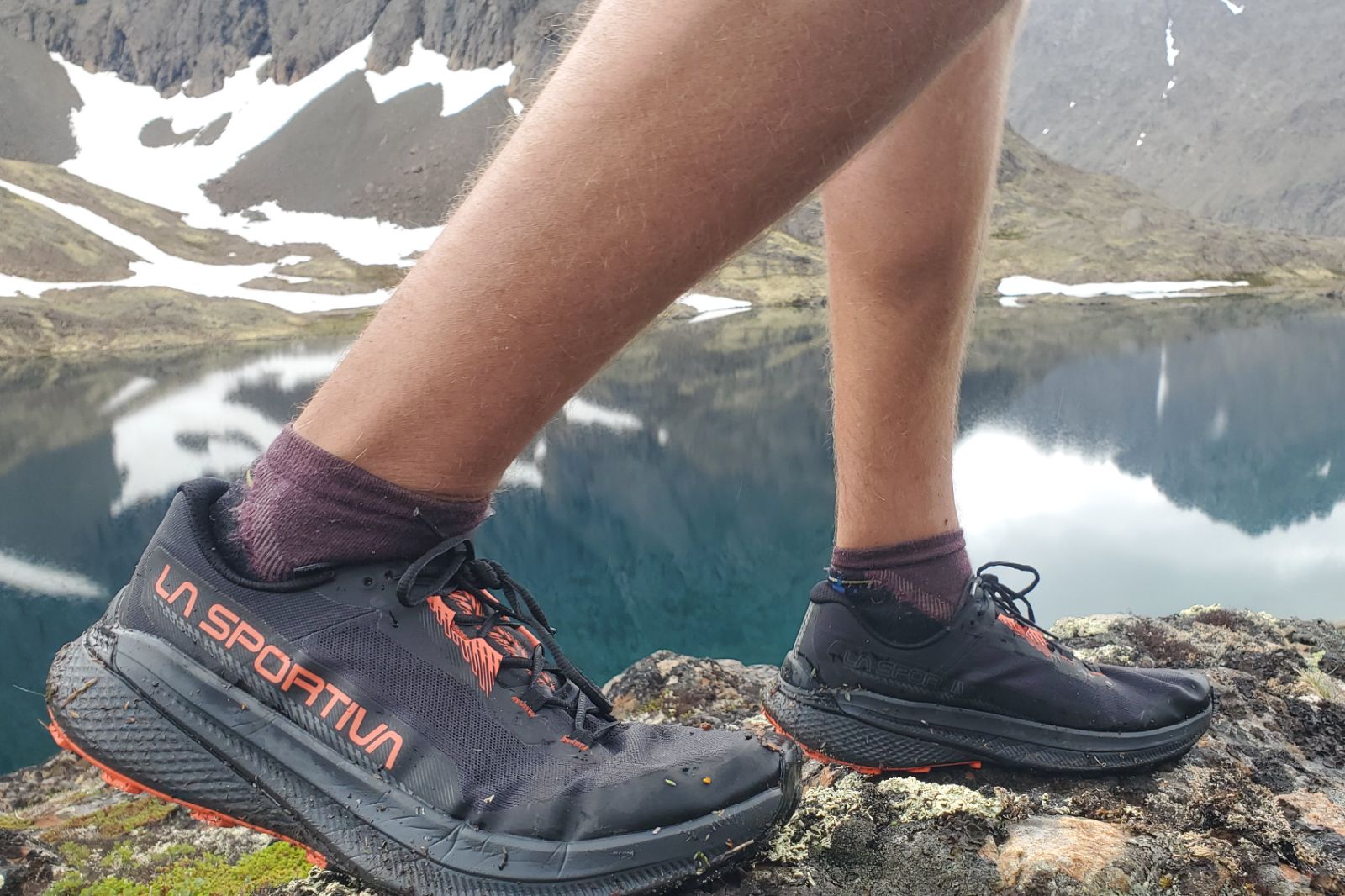
At the top of our list for durability is a tie between the On Cloudrock Low Waterproof, Scarpa Ribelle Cross 2, and the Salomon X Ultra 5 GTX. The On Cloudrock is built to last, featuring a burly upper made of abrasion-resistant materials that offer excellent protection against wear and tear. The rubber rand, highly durable outer, and strong laces all add up to make a shoe that we trust for many miles. With its deep lugs, strong midsole, and strong upper, the Scarpa Ribelle Cross 2 quickly became a favorite for steep mountain adventures, encountering sharp rocks and scree.
The Salomon X Ultra 5 GTX boasts a similarly tough synthetic upper offering exceptional durability on sharp rocks and root-filled trails. We found it held up extremely well, no matter what we threw at it. Its updated chassis and excellent outsole lend serious longevity even during the longest hikes over the most challenging terrain — and they’ll last several seasons.
Which hiking shoes have the best weather protection?
Several hiking shoes on our list are waterproof and do a solid job of keeping feet dry. However, we generally find that GORE-TEX waterproofing outperforms most brands’ proprietary waterproof membranes. The Salomon X Ultra 5 GTX, La Sportiva Spire GTX, and HOKA Anacapa 2 GTX each boast a GORE-TEX Membrane that delivers exceptional waterproofing and breathability. While not built with Gore-Tex, the On Cloudrock Low Waterproof still offers outstanding weather resistance and is a favorite in damp conditions.
How to Choose Hiking Shoes
What is the Difference Between Hiking Boots, Shoes, and trail Runners?
Hiking Boots
Hiking boots are made for stability, durability, and traction. They often come in mid- and high versions, covering the ankle bone and shin. They offer top protection from ankle rolls and reliable grip on slick terrain. The downsides are that they are heavy and not nearly as breathable as shoes or trail runners, which increases the risk of blisters.
Hiking Shoes
Shoes often offer similar traction and durability to boots, but have a lower cut that sits below the ankle bone, so they don’t provide the same stability as boots. Over the past few years, many hiking shoes have drifted more toward a trail-running style (i.e., lighter, more breathable materials).
Trail Runners
Trail runners are the lightest-weight and generally most breathable version of hiking footwear. From the outside, they look like regular running shoes. They typically offer far less stability than hiking boots, but your feet will get much less sweaty and dry much, much faster. Most thru-hikers wear trail runners (including us!).
There are a few differences between trail runners and regular running shoes. Those include a rock plate at the mid-foot to protect the foot while scrambling or walking over uneven terrain. It also includes deeper, more rugged lugs for increased traction. And sometimes, trail runners have a gaiter trap — a piece of Velcro at the back to attach a running gaiter.
What Size Shoe Do You Need?
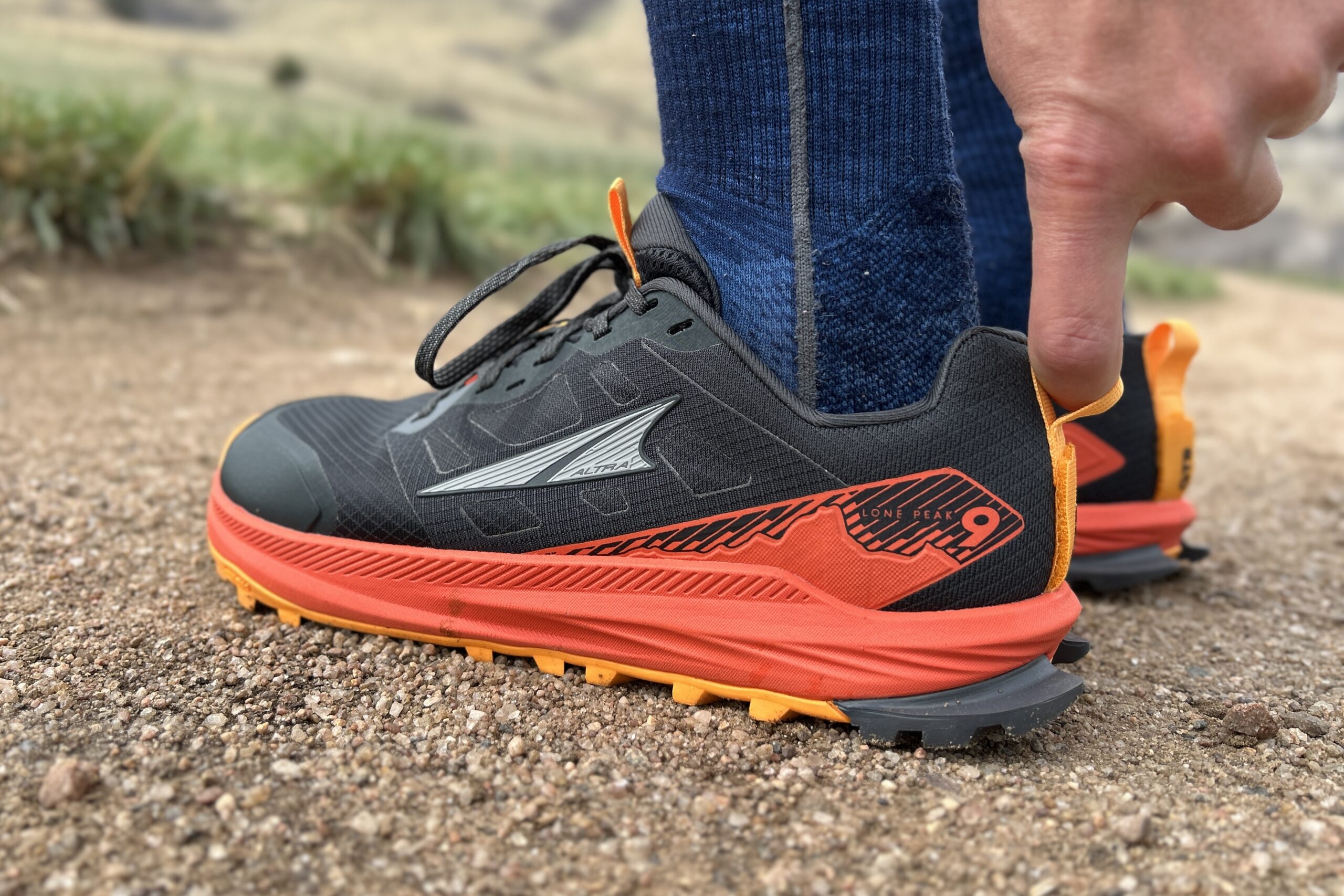
We recommend purchasing hiking shoes (and boots) a half size bigger than your normal shoes, especially if you’re between sizes or at the edge of one size. This is for two reasons. First, feet tend to swell during long hikes, and second, people tend to wear slightly thicker socks for hiking. You’ll need the extra wiggle room so your toes don’t get crushed inside your toe box.
For a quick guide, use the finger test to figure out if you have enough room. With your foot in the shoe, loosen the laces and press your toes against the tip of the toe box. Your index finger should slide in easily. If there’s enough room, you’ll know your toes won’t jam against the front of the shoe during steep descents, so you’ll reduce the chance of hot spots, pain, and nail damage.
How Long Do Hiking Shoes Take To Break In?
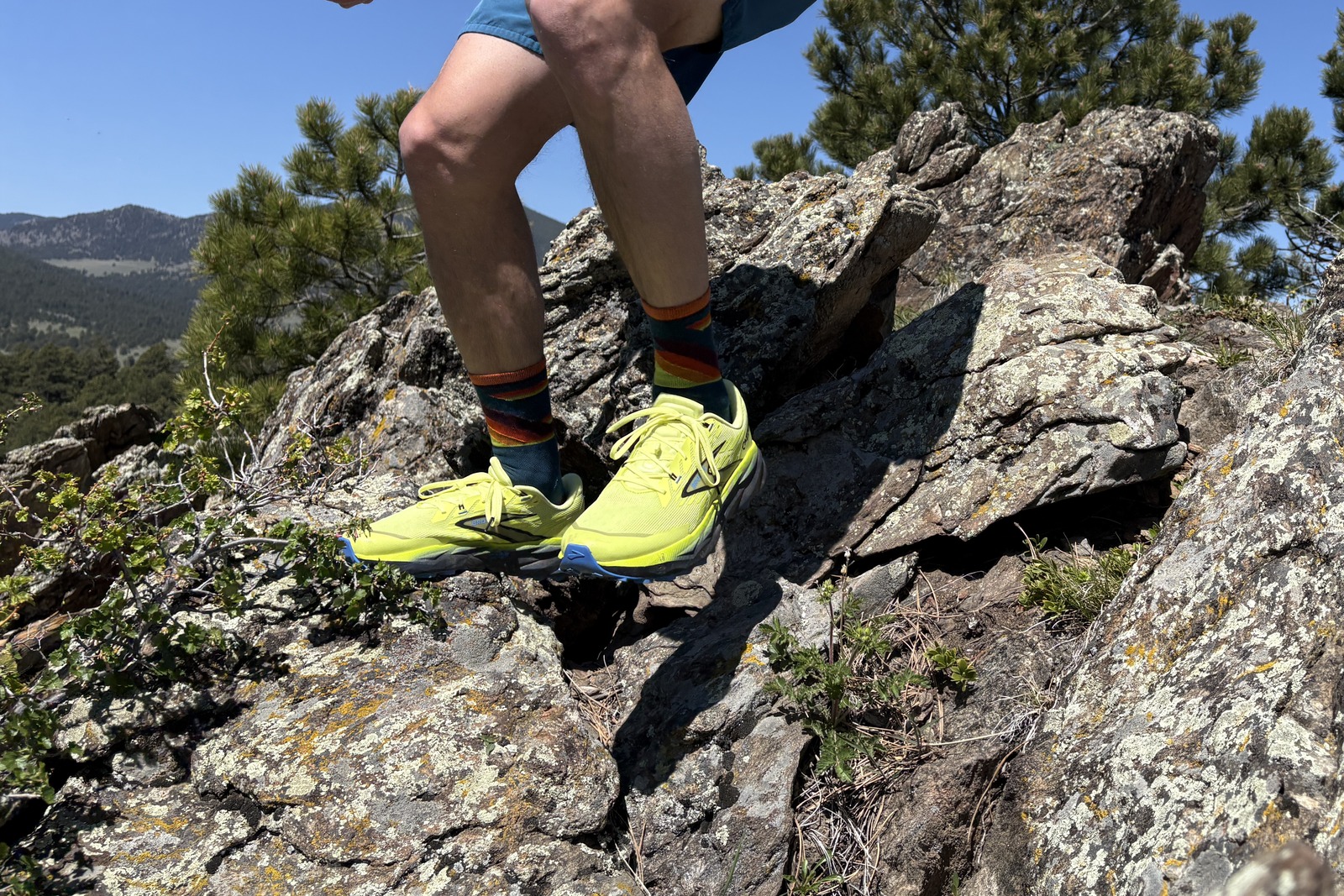
We recommend walking in shoes for around 20 miles before taking them on trail. Some pairs are comfortable right out of the box. This is generally true for models that lean more toward a lightweight trail-runner style. However, shoes with leather uppers or stiffer soles require a break-in period.
Hiking Shoe Traction
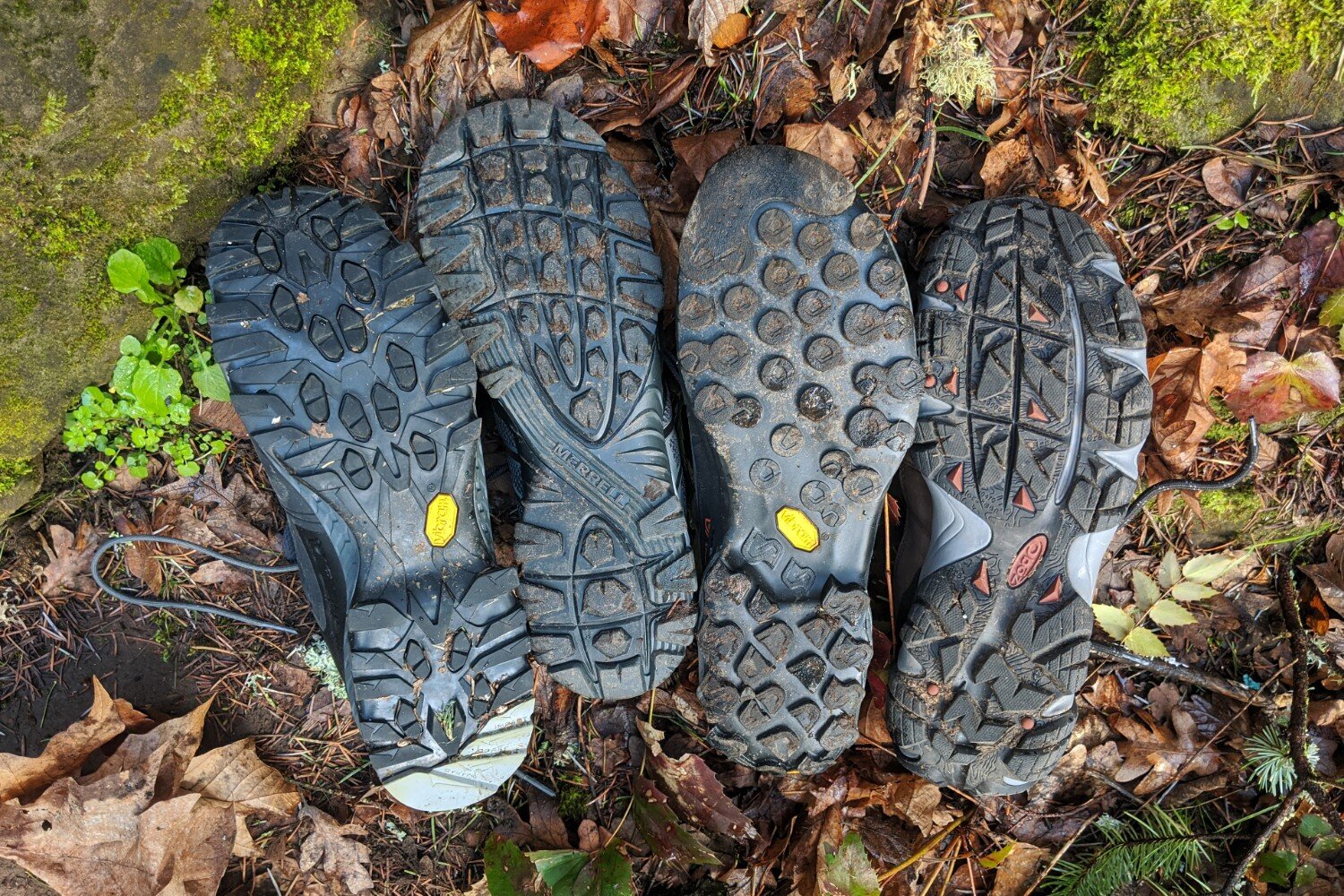
If you are hiking off-trail or on uneven terrain, pay special attention to hiking shoe traction. The only way to get a good sense of how grippy the shoes are is to try them on. Walk around the store and go up and down that funny little rock stepper thing (we like to lean forward, facing downhill, and backward, facing uphill, to get a feel for how much bite the shoes actually have).
How Do You Prevent Blisters While Hiking?
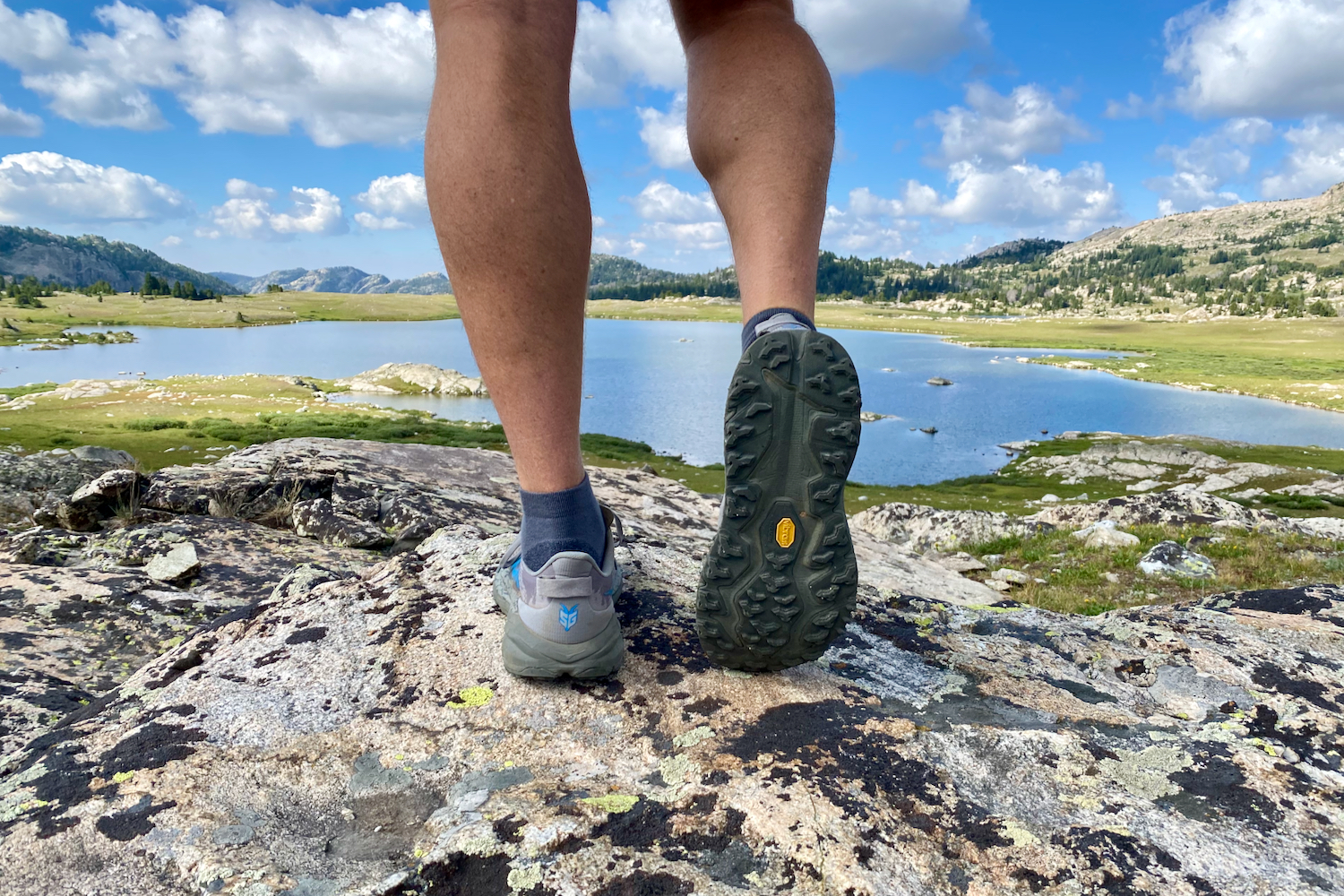
You can prevent blisters by reducing friction between your foot and the shoe. The best ways to reduce friction are to wear high-quality socks and keep your feet clean and dry.
There are a couple of reasons people get blisters faster while hiking and backpacking than they do in the frontcountry. One is that feet and socks get wet faster and stay wet longer (through sweat, rain, and water crossings). The second is that uneven terrain twists and turns feet more than a smooth, flat surface like concrete. The push and pull of each step forces layers of skin to move in different directions, eventually separating and irritating those high-friction points.
Check out our article, How to Prevent and Treat Blisters, for all our tips on treating your feet, but in short, keep them as clean and dry as possible.
Do You Need Waterproof Hiking Shoes?
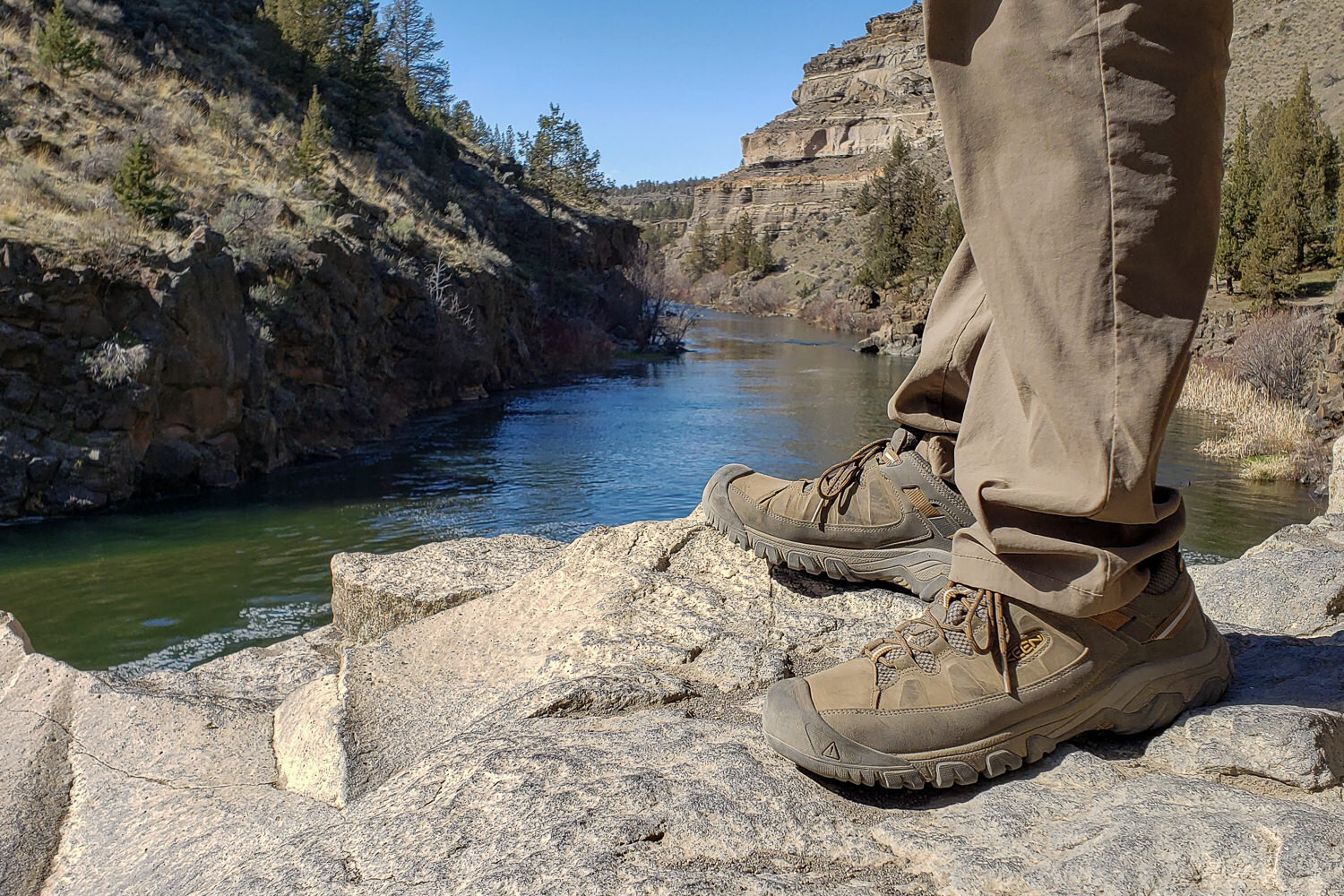
If you’ll be hiking in a damp, wet climate, waterproof hiking shoes are great. However, if your trip involves many water crossings, it may not make a difference. If your feet have a chance to dry out (i.e., you’ll have warm, sunny stretches mixed in with periods of rain), waterproof shoes can limit how wet they get during those wet times.
However, if they’ll be chronically wet, it’s more important to keep your feet warm and wet than to try to keep them dry when that’s not a realistic option. If you’re hiking in an arid climate, go with a non-waterproof option, even if you have to cross through some water.
If you do go waterproof, remember that external treatments become less effective over time, so you’ll need to reapply a treatment to keep your shoes in tip-top shape.
There are waterproof and non-waterproof versions of most shoes on this list. We recommend first finding the hiking shoe that meets your comfort, traction, and stability needs, then determining whether you’ll need a waterproof or non-waterproof option.
What Kind of Socks Should You Wear With Hiking Shoes?
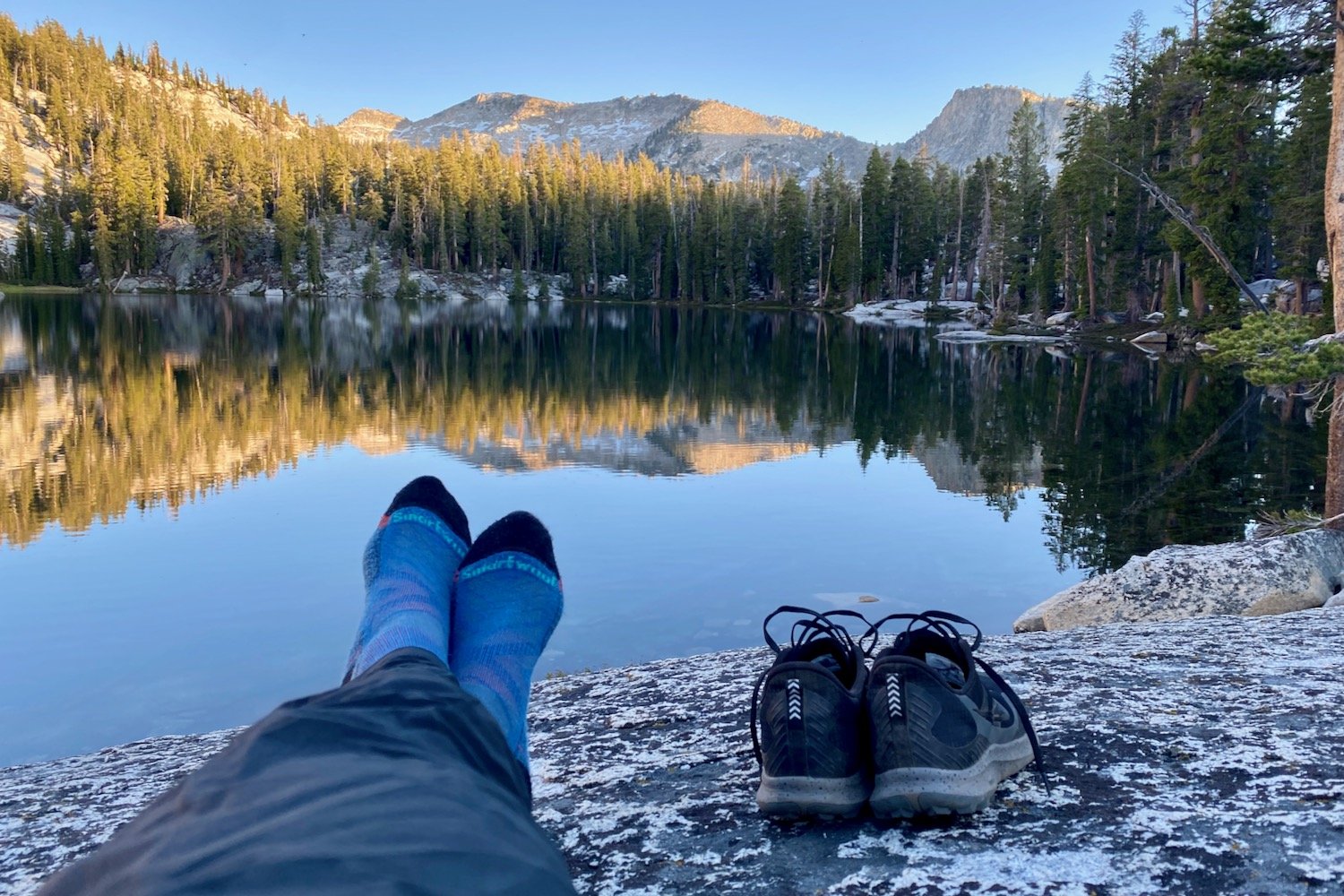
You’ll want to wear a wool or synthetic sock with your hiking shoes. The top of the sock needs to be above the top of the shoe. Wearing no-show or ankle-height socks is asking for trouble.
For hot summer hiking, a lightweight, quarter-length option is your best bet. For cooler weather, consider a mid- or heavyweight option for additional insulation.
We cover our favorites in our best hiking socks guide.
Do You Need Insoles?
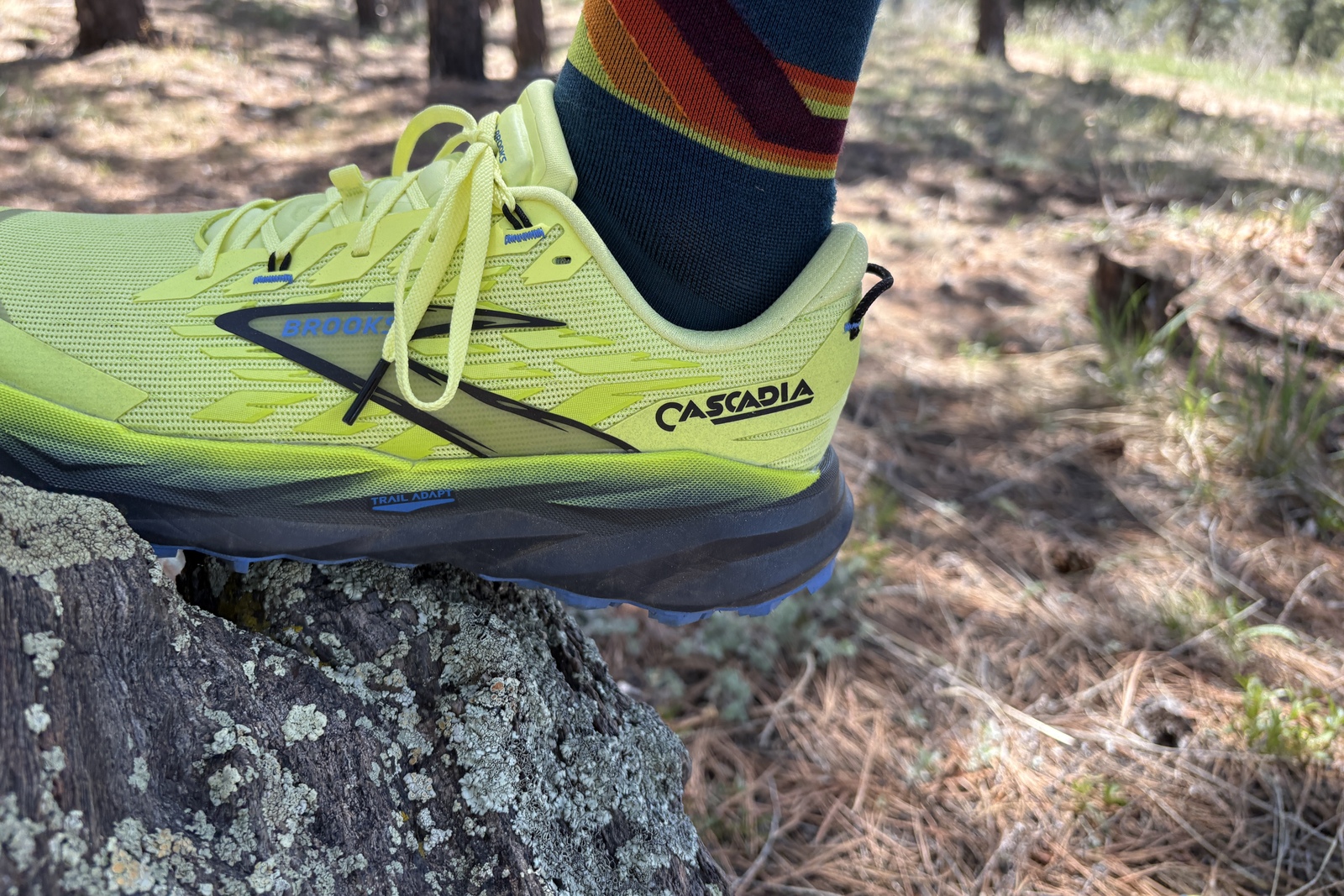
If you have a history of foot issues, yes, insoles are a great idea. Specifically, if you have plantar fasciitis, flat feet, or are prone to shin splints or blisters, we recommend them.
If you have generally healthy, resilient feet, you don’t strictly need them. But insoles are a great option for anyone who wants additional cushioning and arch support. They are a solution for rigid shoes or pairs that have little support. They can also help take up a bit more space to achieve that customized fit for folks who are between sizes or want a tighter fit.
Why Trust CleverHiker
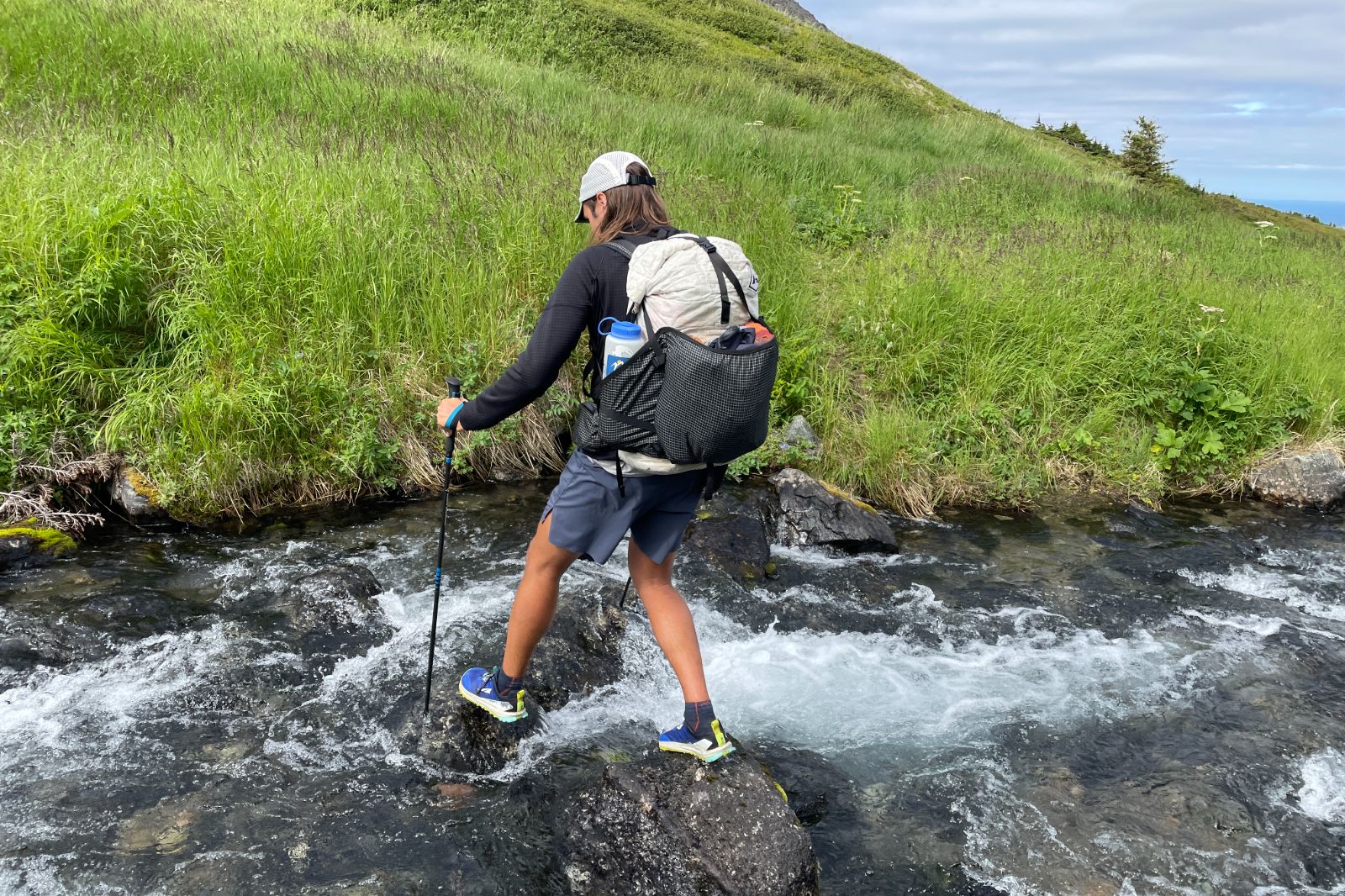
We’ve collectively run, hiked, and backpacked over 80,000 miles and 3,000 days in hiking shoes to identify the top-performing models. Lead tester Ian Krammer has climbed all 58 Colorado 14ers (and many of them twice) in hiking shoes from this list. He’s also climbed more than 400 peaks over 13,000 feet over the last eight years, which has given him a deep understanding of where these shoes truly excel or fall short.
Joining him, Gear Analyst Miles Knotek, is a self-proclaimed shoe geek. Miles has been experimenting with footwear ever since making his first pair of sandals out of paracord and a truck’s mud flap as a teenager. He loves exploring the ins and outs of his shoes and is meticulous in finding the right shoes for the right conditions. He firmly believes that the correct number of shoes to own is “N+1.” Based in Alaska, he regularly takes his shoes out in some of the harshest conditions. From rocky ridgelines to muddy trails, Miles can be found testing the limits of all his footwear on his many adventures.
Testing Methodology
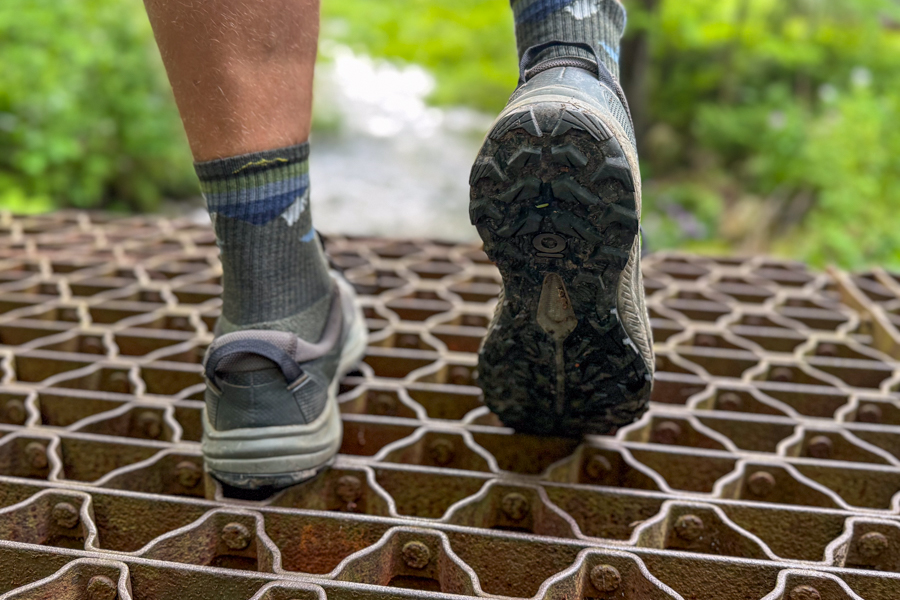
We assess hiking shoes in five different dimensions: comfort, traction, weight, durability, and weather resistance. We take each pair out for hundreds of miles on long-distance thru-hikes as well as dozens of day hikes in alpine zones.
How Do We Assess Comfort?
To assess comfort, we look at the amount of room in the toe box — enough for toes to splay naturally but not so much that they feel sloppy — as well as cushioning in the insole and support around the arch. We also consider flexibility at the mid-foot (enough to keep your natural gait) and protection on rocky and rooty trails.
How Do We test Traction?
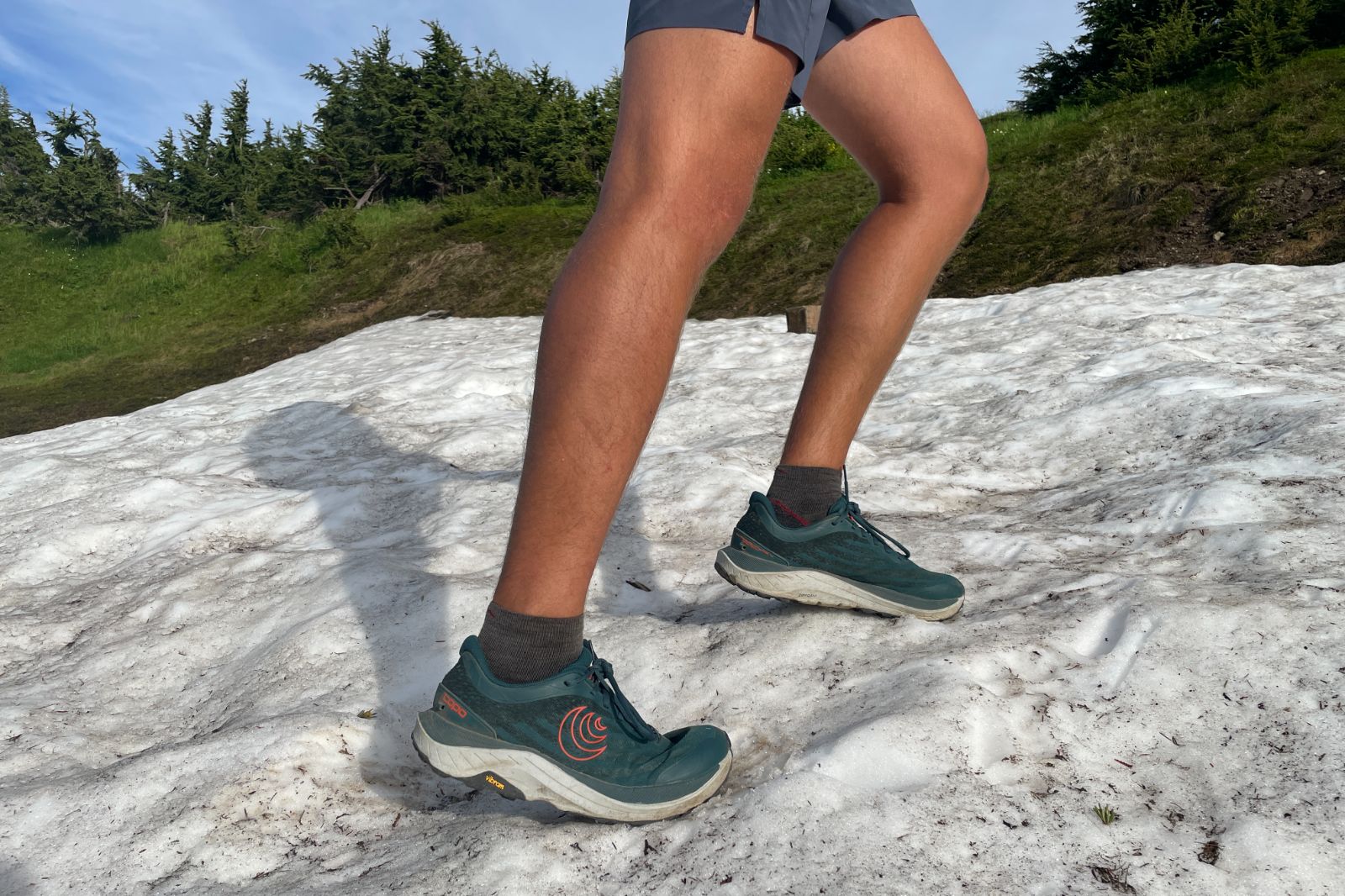
For traction, we examine the lug pattern and outsole depth, analyzing during real-world trail testing how effectively it grips across multiple surfaces, including regular dirt, loose soil, mud, wet rock, roots, and sand.
We also scrutinize the lug pattern’s design, noting how effectively each model sheds (or cakes) water and debris. Additionally, we consider the type of outsole material, whether it’s a durable rubber or proprietary compound, and its tackiness and flexibility underfoot.
How Do We Measure Weight?
Weight is straightforward. The weight on your feet expends about five times as much energy as the same amount carried on your back. Lighter shoes are always better in this metric, and we put each pair on a scale to make sure they measure up.
How Do We Assess Durability?
For durability, we examine the outsole material, evaluating its resilience to abrasion and wear over extended use. For the upper material, we scrutinize its robustness against blowouts and tears over time in high-wear areas. We note any areas of reinforcement around the toe and ball of the foot, where holes tend to appear first. We also pay close attention to stitched and bonded areas to assess seams. Tread longevity is also a critical factor, and we track the number of miles we make it before we start to notice a decrease in performance.
What Do We Look at for Weather Resistance?
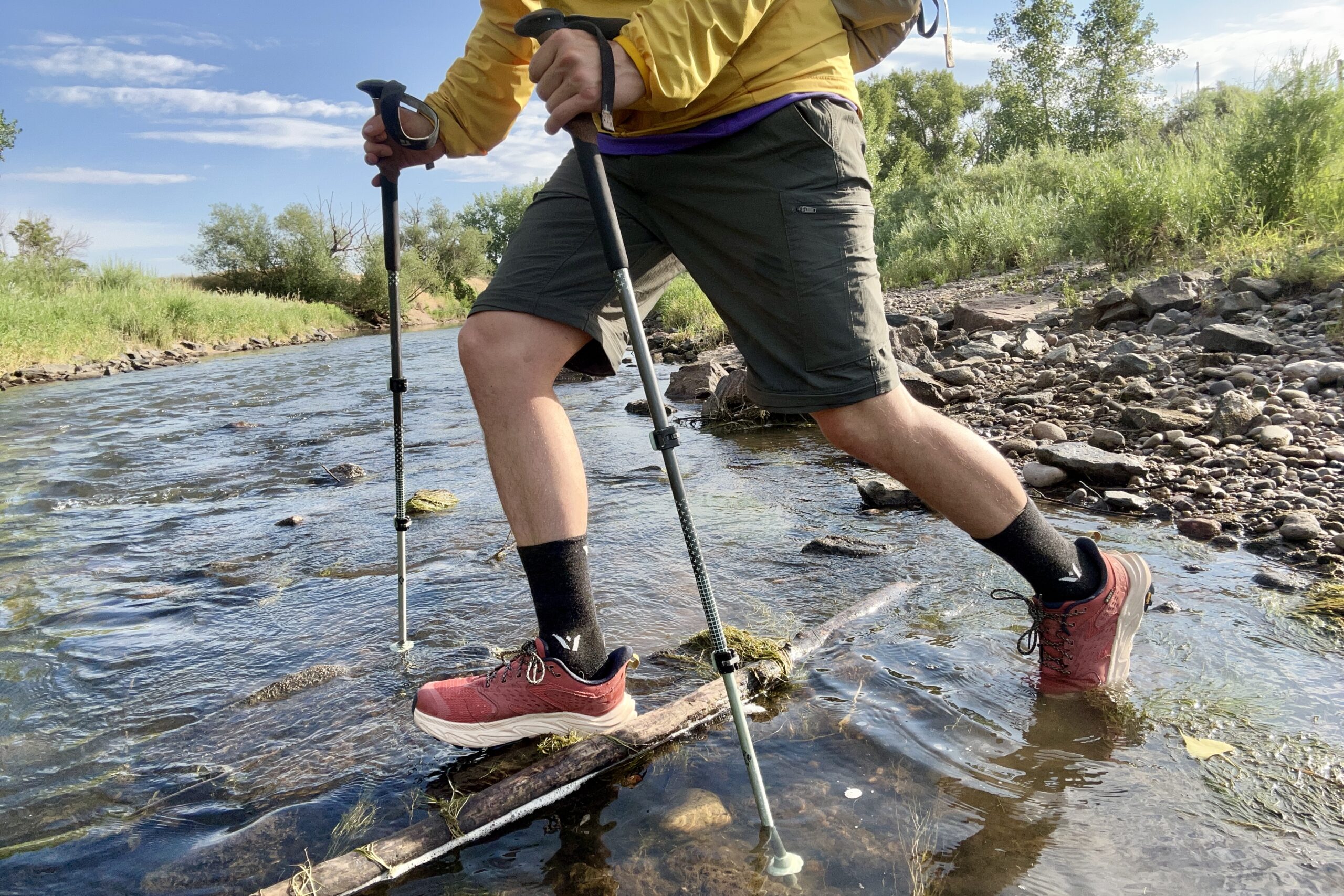
Weather resistance for footwear has a few key elements for us. We look at how effectively each pair keeps water out by hiking through rainstorms, across bogs, and water crossings. We also care about how quickly they dry, assessing how long it takes after the footwear has been saturated to dry out. Relatedly, breathability — how well the shoes release moisture from the inside — is another dimension we hone in on in our on-trail testing.
Conclusion
Selecting the right pair of hiking shoes is essential for a comfy and fun outdoor experience. From rugged trails to unpredictable weather, the durability, comfort, and weather resistance of men’s hiking shoes play a crucial role in your safety and happiness on the trail. With so many options out there, finding the perfect pair for your feet will get you into the great outdoors, and we hope this guide is a step in the right direction.