
Bottom line
Katadyn Micropur tablets are the easiest backup treatment to forget about until you need them: a few sealed packets take almost no pack space and require no equipment to work. Chlorine dioxide treats microorganisms including viruses, unlike common squeeze filters. Waiting is the catch, particularly if you need protection against Cryptosporidium, and treated water retains grit and can carry a faint chemical taste.
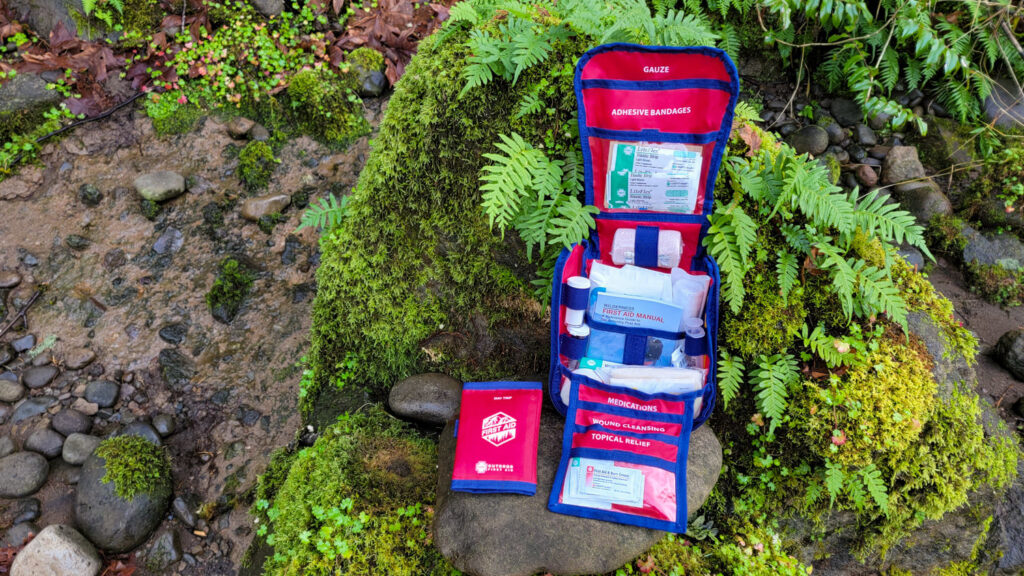
We especially value sealed tablets in our emergency kit when a primary filter breaks or unexpectedly freezes. There is nothing mechanical to maintain, and treatment works with nearly any clean container. The resulting water may taste slightly chlorinated, and silt stays behind; we prefer collecting from the clearest available source and allowing the complete label contact time.
Find mechanical filters and other chemical treatments in the best backpacking water filters guide.
How We Tested
We’ve carried Micropur on backpacking trips, including livestock country, and evaluated its simplicity, taste, packing efficiency, and the practicality of different treatment waiting periods.
Quick Specs
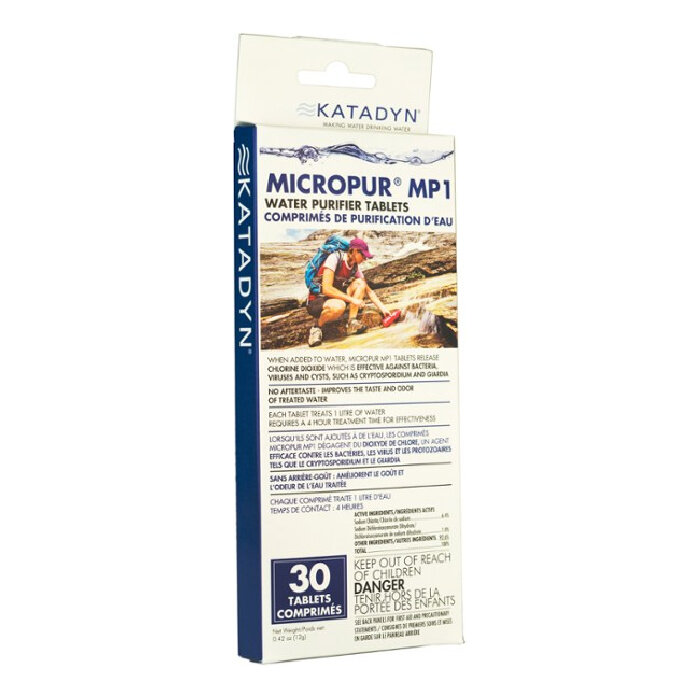
Katadyn Micropur
Best Chemical Water Purification
CleverHiker Rating: 4.5/5.0
Price: $18
Weight: 0.9 oz.(30 tablets)
Flow Rate: N/A
Filter Pore Size: N/A
Lifetime Volume: N/A
Pros
- Very compact
- Virus protection
- No moving parts
- Good emergency backup
Cons
- Long contact time for resistant protozoa
- Slight chemical taste
- Doesn't remove sediment


Water Quality
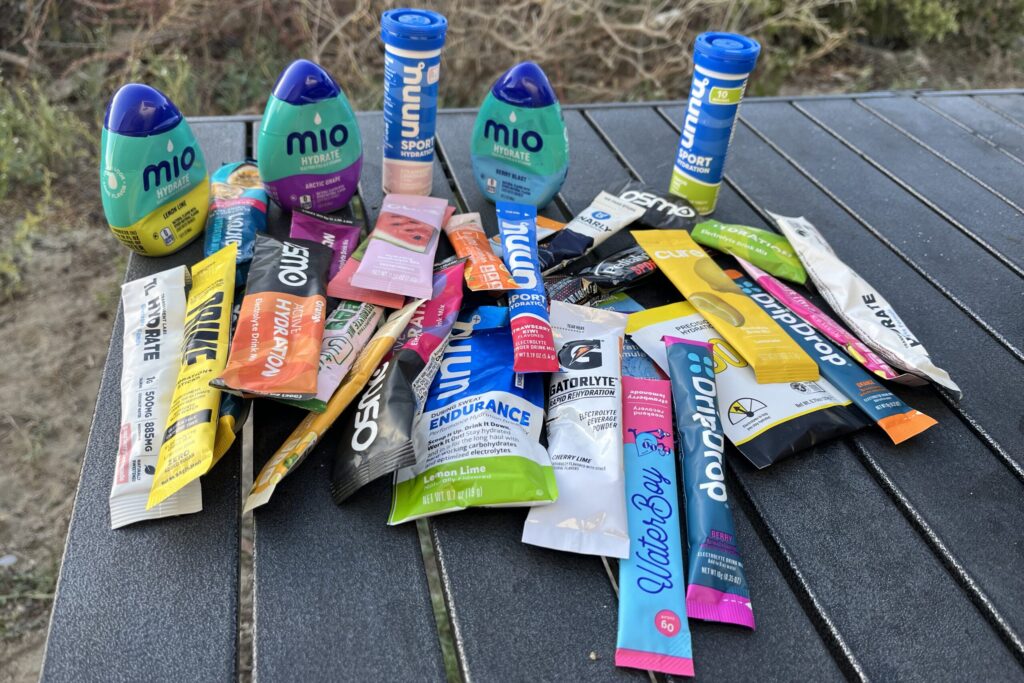
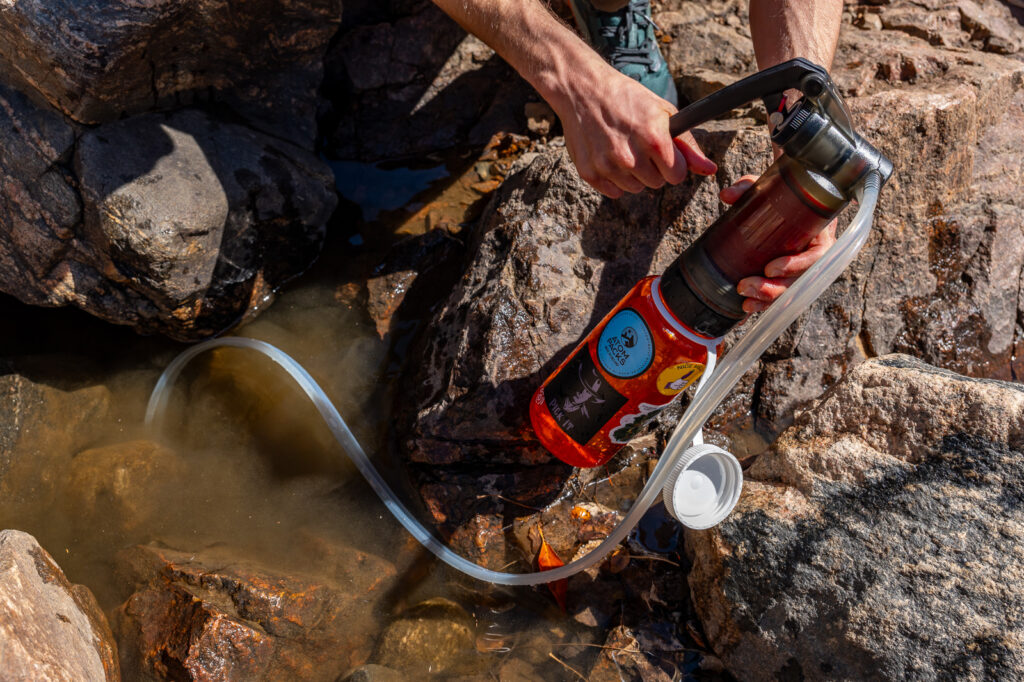
One tablet treats a liter using chlorine dioxide, protecting against bacteria, viruses, and protozoa when allowed the required contact time. It does not physically remove dirt, leaves, or silt. We notice a mild aftertaste and sometimes use electrolyte powder to cover it. Water from livestock or heavily used areas is where we especially appreciate backup purification.
We can mask the mild chlorine-dioxide taste with flavored electrolyte mix after treatment is complete. If leaves or sediment are present, passing the water through a bandana or cloth first makes it more pleasant to drink. The tablets disinfect but do not remove chemicals or physical debris, an important distinction from a mechanical purifier.
Water Quality Score: 3.9/5.0

Ease of Use
Cut open a packet, add its contents to the specified amount of water, and wait according to the label. There are no hoses, filters, batteries, or bags to fail. Individual packaging also makes it easy to carry just the quantity needed, although users must keep track of treatment time.
Every dose is individually sealed, making it easy to count how many liters of protection we still have. We can use a hard bottle, a hydration bladder, or another clean container without special threads. The main operational mistake to avoid is drinking before the full treatment period has elapsed.
Ease of Use Score: 4.9/5.0

Treatment Time
Micropur requires planning because treated water is not immediately ready to drink. Label contact times differ by organism, and Cryptosporidium requires the full four hours. Cold water also slows chemical treatment. We do not shorten the manufacturer’s required interval simply because the water looks clean.
On the trail, we often fill a spare bladder and allow treatment to continue while we hike. Treating the next morning’s water the night before is another practical way to avoid standing around. These strategies make tablets convenient for longer trips, although a squeeze filter remains faster for drinking immediately at a stream.
Treatment Time Score: 3.9/5.0

Weight
A 30-tablet supply is listed at just 0.9 ounce in the current guide, and a few individual packets weigh much less. That is exceptional for emergency coverage or a brief trip. The system’s advantage narrows on long expeditions because you must carry an individual dose for every liter.
A wrapped tablet weighs only a small fraction of an ounce, so a weekend backup supply can ride unnoticed in a first-aid kit. Unlike a reusable cartridge, every liter consumes another packet, and that total adds up on very long hikes. For regular use over hundreds of liters, a filter usually makes more economic sense.
Weight Score: 4.9/5.0

Maintenance & Longevity
No backflushing or mechanical upkeep is required. Sealed tablets have an approximately five-year shelf life if stored correctly, so it’s practical to keep them with emergency supplies. The continuing cost per liter is higher than repeatedly using a durable filter, and used wrappers accumulate.
The manufacturer gives unopened packets a five-year shelf life, making them easy emergency-kit items. Check manufacture dates rather than assuming old tablets remain potent forever. They never clog, but each treatment is single-use and leaves a small wrapper to pack out.
Maintenance & Longevity Score: 5.0/5.0
Should You Buy the Katadyn Micropur Tablets?
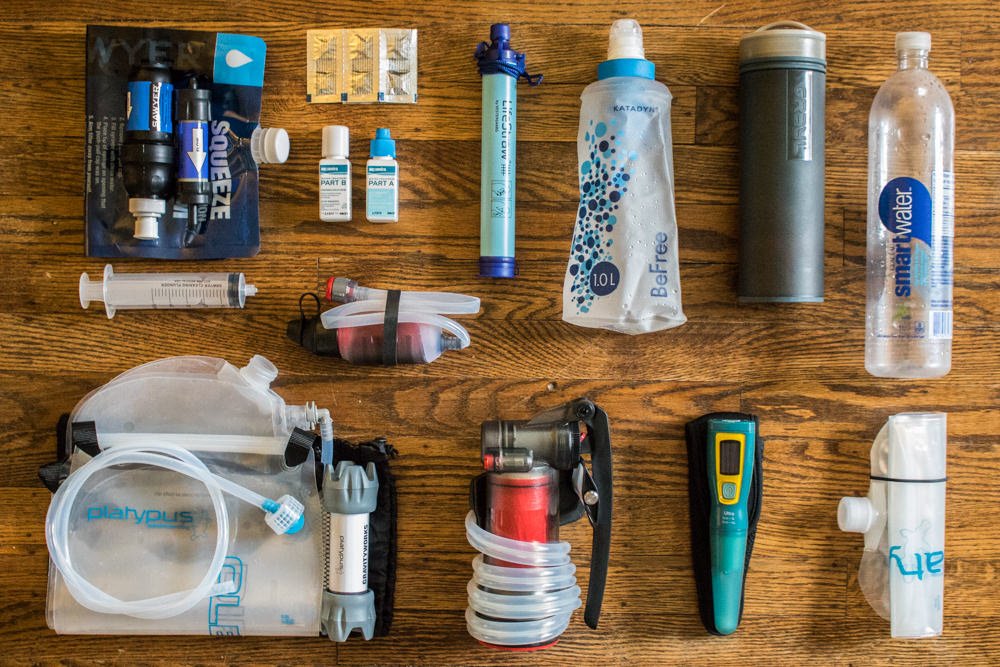
We recommend Micropur as a lightweight emergency treatment and as a primary method when viral protection matters more than immediate drinking or removing grit. Choose a squeeze filter for water you want to drink right away; use the Steripen with clear water if you’d rather avoid chemical flavor.
What Other Purifiers Should You Consider?
Aquamira Review: Aquamira can cost less per liter when you’re treating water regularly over a long trip. The two-part mixing routine takes more attention than a sealed Micropur tablet, but both can address viral risks and neither removes dirt from the water.
Katadyn Steripen Ultra Review: Clear-water travelers may prefer the Steripen Ultra because UV treatment avoids Micropur’s chemical aftertaste. The faster treatment has a tradeoff: the pen needs a charged battery, an intact glass bulb, and water transparent enough for UV exposure.
Sawyer Squeeze Review: For ordinary North American backcountry streams, the Sawyer Squeeze lets you drink right away and physically removes suspended particles. It is less suitable if viruses are the concern, and its filter must be protected from freezing.