

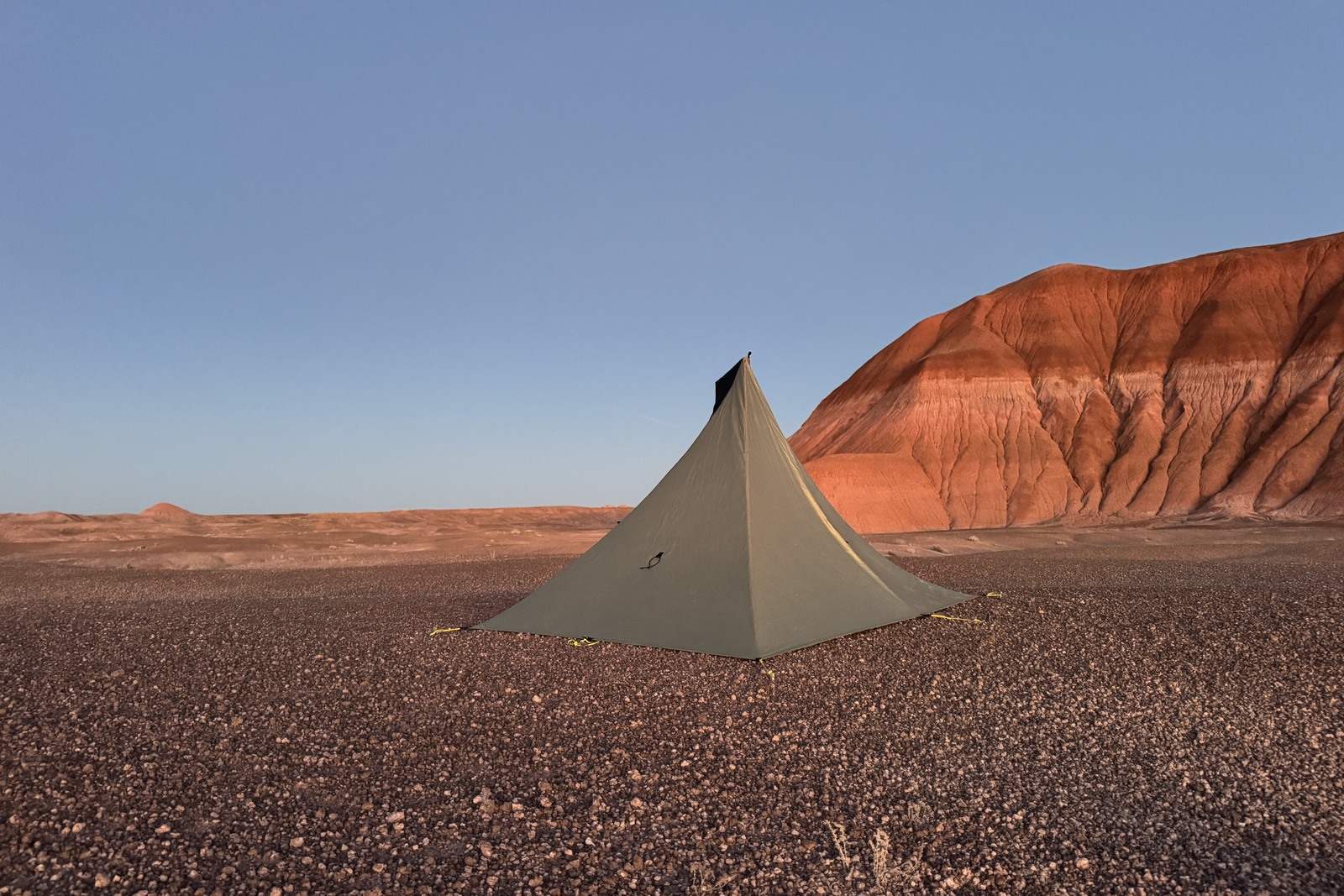
Editor’s Note: We updated this guide on May 19, 2026 to reflect new winners of this year’s testing. We also checked prices, updated durability notes, and removed tents that are no longer $300 or less.
With over 700 nights spent outside backpacking, our gear analysts diligently examined and thoroughly researched over 40 different models of the most popular tents before narrowing them down to the most promising for hands-on testing in terms of affordability, comfort, weather resistance, durability, portability, and ease of use.
From well-known brands like Marmot and Kelty to more specialized cottage companies such as Mountain Laurel and Six Moon Designs, we’ve rigorously trail-tested our collection of the top budget tents on the market to help you decide the best fit for you.
Camping in areas such as the Los Padres National Forest, the high desert of the Eastern Sierras, and the Colorado Plateau, our lineup was methodically tested in the field to bring you our list of the best.
And for more info, check out some of our other popular gear guides:

#1. Best Budget Backpacking Tent Overall
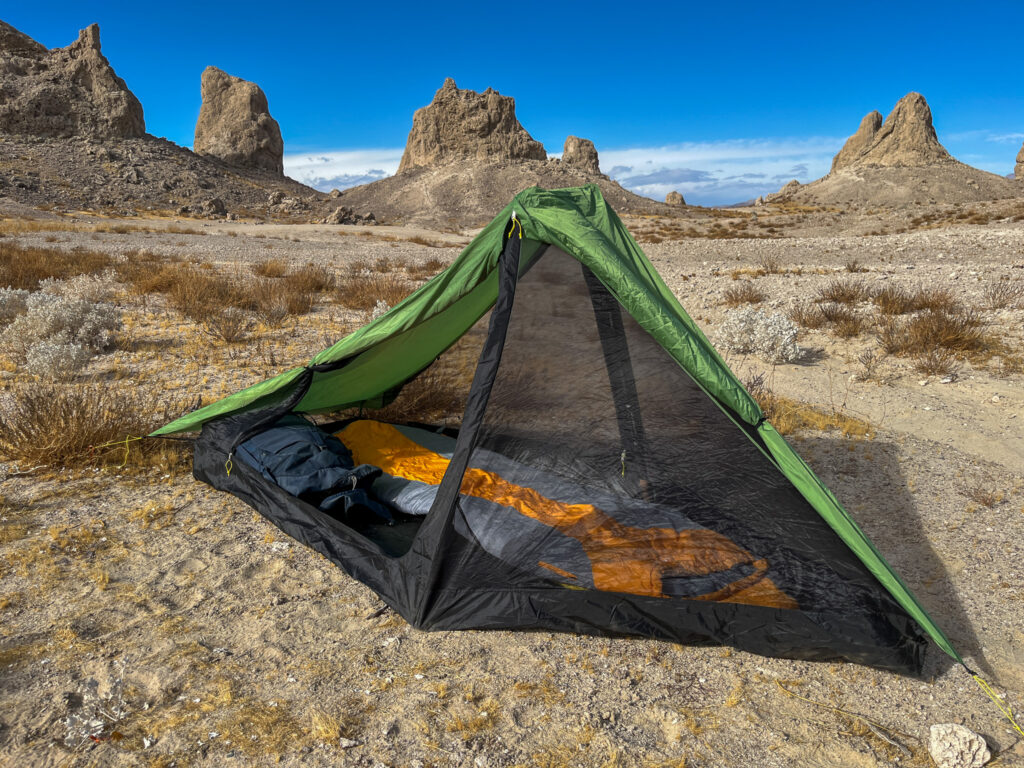
The Six Moon Designs Skyscape Scout is lightweight, comfortable, and adaptable. Its spacious interior has kept us sleeping well on backpacking and camping adventures for 100 nights. After all that time, it’s still our favorite.

Quick Picks for Budget Backpacking Tents
Browse our top picks below, or continue scrolling to see our full list with detailed reviews and analysis.
1. Best Budget Backpacking Tent Overall: Six Moon Designs Skyscape Scout ($160)
2. Most Spacious Budget Backpacking Tent: Six Moon Designs Lunar Duo Outfitter ($210)
3. Best Budget Tent for Pocket Storage: Mountainsmith Morrison EVO 2 ($230)
4. Most Affordable: River Country Trekker Tent 2V ($66)
5. Fastest Setup Tent: Kelty Late Start 2 ($160)
6. Best Ultralight Budget Tent: Mountain Laurel Designs SoloMid XL ($295)
7. Most Livable Interior Space: Marmot Tungsten 2 ($279)
8. Lightest Freestanding Budget Tent: Naturehike Cloudup 2 ($169)
9. Best Freestanding Budget Tent: Clostnature Polaris 2 ($85)
Six Moon Designs Skyscape Scout
Best Budget Backpacking Tent Overall
CleverHiker Rating: 4.8/5.0
Price: $160
Weight: 2 lb. 7 oz.
Dimensions (LxWxH): 8.6 x 4 x 3.75 – 23 sq ft
Type: Semi-Freestanding
Pros
- Great for taller people
- Ultralight
- Can store gear easily at the foot and head
- Vestibules roll back for almost all net shelter
- Sufficient headroom
- Stable
Cons
- Condensation issues if improperly ventilated
- Doesn't come seam-sealed
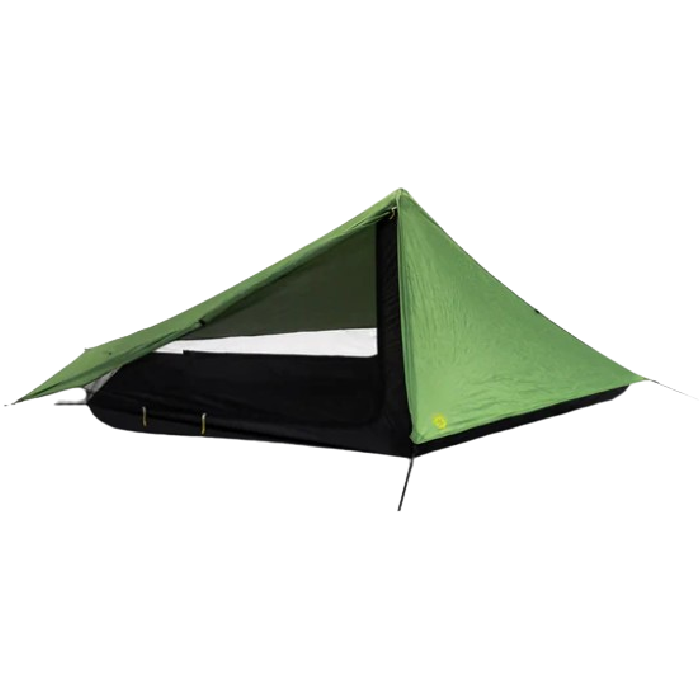
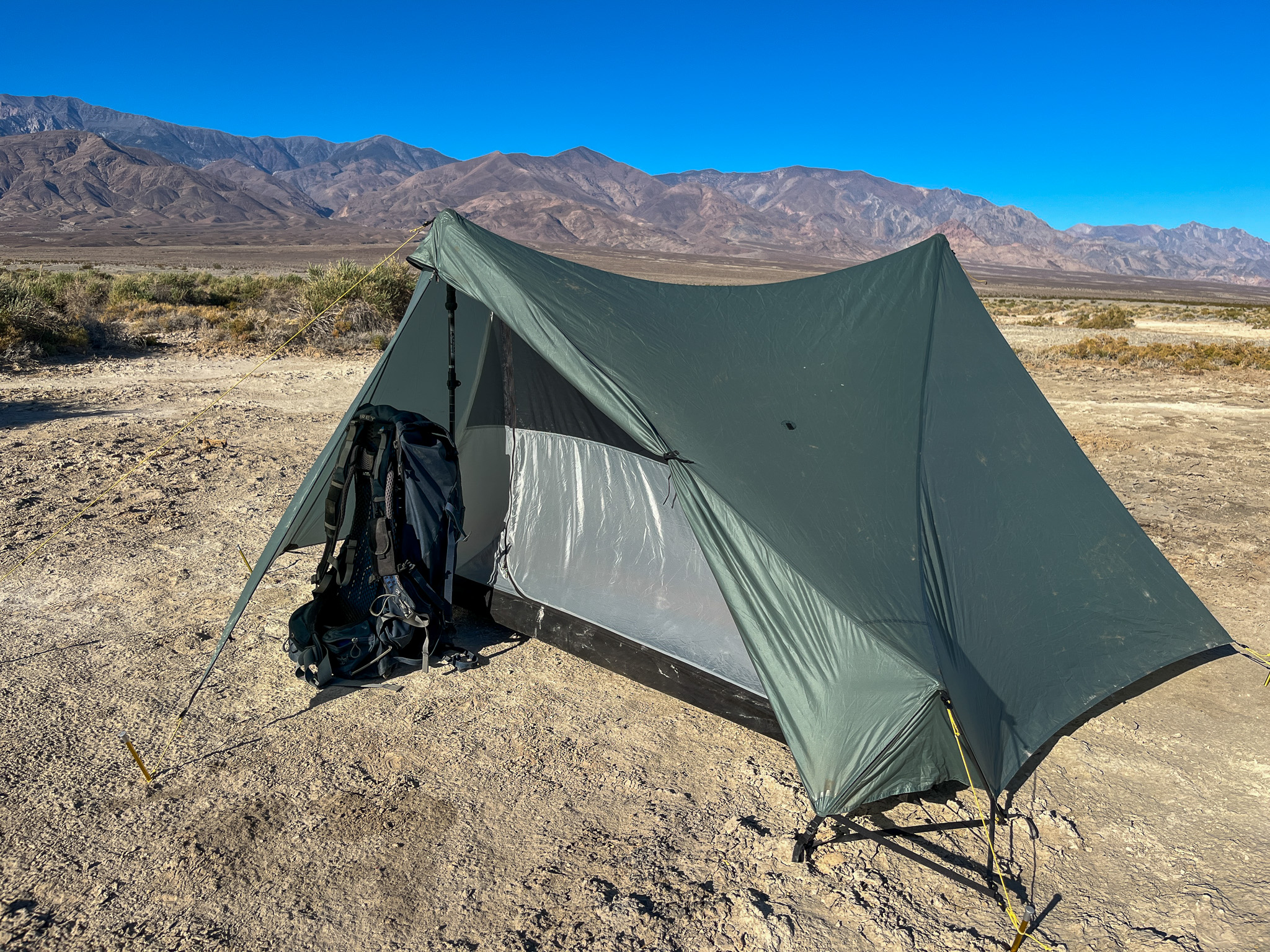
With features like an extended 8.6 feet of length, a semi-freestanding design, and an ultralight weight at just 2.4 pounds, it’s easy to see why the Skyscape Scout tent might appeal to those looking for backpacking tents on a budget. Well thought-out features include a 60/40 offset for the poles, which allows for added headroom and brings the peak height up to 3.75 feet. Despite its double-wall design, the Skyscape Scout offers incredible ventilation, with both vestibules able to fully roll back to reveal an almost complete net shelter for bug protection on warm nights and for great stargazing. There is also an integrated cross bar sewn into the roof to help stabilize and open up the ceiling when pitching. It reinforces the rigidity provided by the poles over the top of the shelter to prevent sagging.
The Skyscape Scout is great for solo backpackers prioritizing low weight, but might not be a choice pick for those looking for more comfort and space. Having tested both, we can say with confidence that backpackers looking for a roomier shelter, and who can easily split weight with a hiking partner, should check out the Lunar Duo Outfitter. Another great buy from Six Moon Designs, this tent has increased interior space for 2 people plus their gear and is still great for shorter backpacking trips with a partner.
Overall, Six Moon Designs’s Skyscape Scout is an undeniable best budget buy for solo backpackers and those prioritizing low weight.

Six Moon Designs Lunar Duo Outfitter
Most Spacious Budget Backpacking Tent
CleverHiker Rating: 4.7/5.0
Price: $210
Weight: 3 lb. 11 oz.
Dimensions (LxWxH): 7.5 x 4.5 x 3.8 – 34 sq ft
Type: Non-Freestanding
Pros
- Easily fits 2 people with gear
- Lots of ventilation
- Good storage features
- Stable
- Great headroom
- Dual doors and vestibules
Cons
- Doesn't come seam-sealed
- Heavy unless splitting weight with a partner
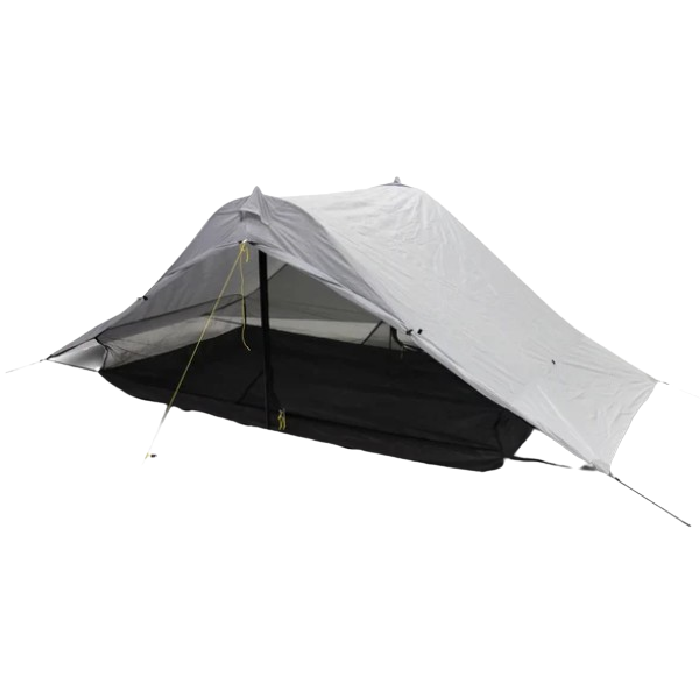
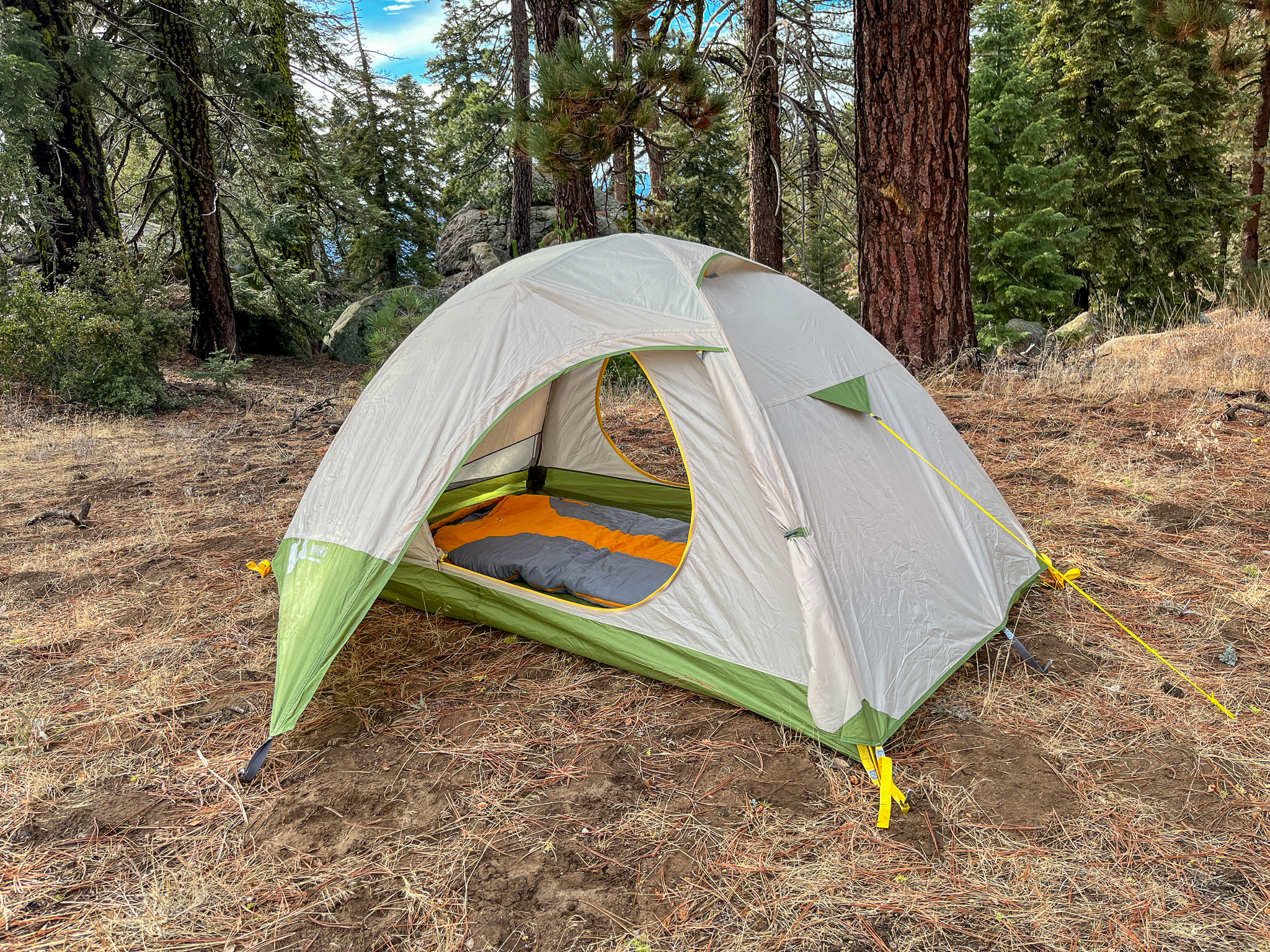
For a non-freestanding backpacking shelter, the Lunar Duo Outfitter delivers unmatched comfort and durability at a great price that is uncommon for most lightweight backpacking tents. With the third-largest interior space in the category and increased headroom thanks to its small, curved roof poles, the Lunar Duo Outfitter easily stands out from the rest in our lineup. As the only other hybrid double wall tent aside from the Skyscape Scout, the Lunar Duo Outfitter had no issue with condensation when thick fog rolled in overnight while camping near Reyes Peak in the Los Padres National Forest. The ample amount of mesh and upper hood vents prevent any moisture buildup on the inner walls.
Luckily, in our experience, we haven’t encountered heavy rain because the Lunar Duo Outfitter isn’t seam-sealed. Sealer needs to be purchased and applied separately if you anticipate encountering any rain throughout your trip.
It’s also worth noting that the Lunar Duo Outfitter is constructed of a more cost-effective 190T polyester, making it a heavier shelter than other backpacking tents. While still very reasonable to carry, it’s much easier and more efficient to split the weight with a partner. Overall, the Lunar Duo Outfitter is a great choice for couples or dog owners who want to confidently explore the backcountry with a comfortable, durable, and reliable shelter that provides protection and peace of mind.
Mountainsmith Morrison EVO 2
Best Pocket Storage
CleverHiker Rating: 4.6/5.0
Price: $230
Weight: 6 lb. 15 oz.
Dimensions (LxWxH): 7.6 x 4.7 x 3.8 – 36 sq ft
Type: Freestanding
Pros
- Large interior space
- Lots of head and shoulder room
- 11 storage pockets
- Footprint included
- Oversized dual doors and vestibules
Cons
- Too heavy and bulky for backpacking
- Half of vestibule is meant to be staked and can’t be rolled back
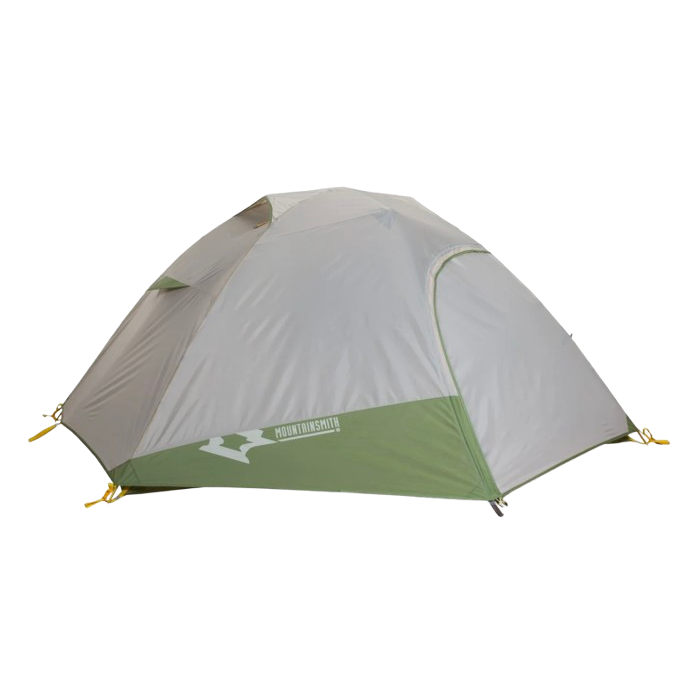
The Mountainsmith Morrison EVO 2 is a significant upgrade over its predecessor, the Morrison 2. It’s an excellent choice for campers who prioritize spacious interiors and ample storage. In fact, this tent boasts the largest interior square footage of any tent in the category.
With a generous 36 square feet of interior space, the Morrison EVO 2 comfortably accommodates two full-size air mattresses plus additional gear. Its length is second only to the Skyscape Scout, which is a single-person tent designed more for lightweight, longer-distance backpacking. The Morrison EVO 2, on the other hand, is a true two-person tent, offering plenty of room to move around without feeling cramped or restricted.
Storage is another strong point of the Morrison EVO 2. It comes equipped with a total of 11 pockets, including a removable gear loft with integrated pockets, door stow pockets with dual access, and additional sidewall pockets. These storage options help keep your gear fully organized and off the tent floor, maximizing your usable space and comfort when it comes time for rest.
The Morrison EVO 2 is constructed and fortified with durable 68-denier/185 taffeta polyester with an added 2000 mm polyurethane coating for the fly, 68-denier/185 taffeta polyester for the inner walls, and 68-denier/190 taffeta denier for the floor. While this material provides excellent protection against the elements, it does contribute to the tent’s weight. At 6.93 pounds, the Morrison EVO 2 is the heaviest tent in the category, making it less suitable for any type of backpacking, even if splitting weight with a partner. It is ideal for car camping, where weight is less of a concern and comfort is priority.
Overall, the Mountainsmith Morrison EVO 2 is a fantastic option for car campers who value comfort, space, and durability. Its spacious interior, ample storage, and robust construction make it a top choice for those seeking a premium comfort tent for a convenient camping experience.
River Country Trekker Tent 2V
Most Affordable
CleverHiker Rating: 4.5/5.0
Price: $66
Weight: 3 lb. 3.6 oz.
Dimensions (LxWxH): 3.3/5.5 (foot/head) ft x 7 ft x 4 ft – 38.8 sq ft
Type: Non-Freestanding
Pros
- Exceptional value
- Spacious for 2 + dog
- Beginner-friendly setup
- Durable, thick fabric
- No footprint needed
- Headroom
Cons
- Weak rainfly waterproofing
- Large packed size
- Basic guyline tensioners
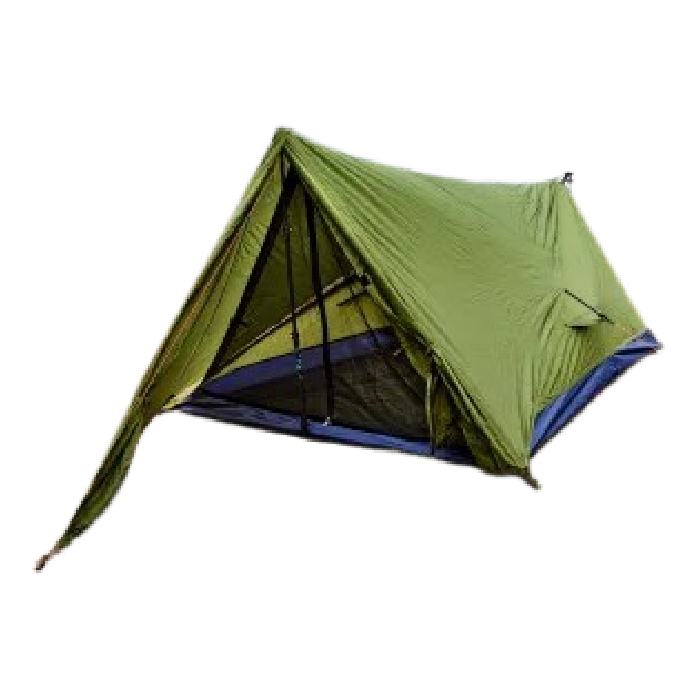
The River Country Trekker Tent 2V is one of the best budget backpacking tents we’ve tested, offering impressive space, durability, and ease of use at a price and weight that’s hard to beat. It consistently outperformed our expectations in the field, especially given that it’s at least half the cost of competitors’. For backpackers seeking reliable shelter without spending hundreds of dollars, the Trekker 2V stands out as a clear value pick.
This tent shines in livability and comfort. During testing in Utah and Arizona, we comfortably fit two adults, two dogs, and gear inside without feeling cramped—something many “two-person” tents fail to deliver. The generous length and tall front peak height make it especially accommodating for taller users, and the trapezoidal floor strikes a smart balance between weight savings and usable space.
Ease of setup is another major strength, particularly for a trekking pole design. The simple A-frame pitch and included setup instructions make this a great entry point for beginners, while still being efficient enough for experienced backpackers. It does take a bit of practice to dial in the rainfly and guyline adjustments, but once you get the hang of it, setup is straightforward and repeatable.
There are some tradeoffs, but they feel reasonable given the price. The rainfly fabric showed some interior dampness during our hose test, so we’d be cautious using this tent in consistently wet conditions. It also doesn’t pack down as small as more premium ultralight options. Still, for hikers in drier climates or anyone prioritizing value, those drawbacks are far from dealbreakers.

Kelty Late Start 2
Fastest Setup Tent
CleverHiker Rating: 4.5/5.0
Price: $160
Weight: 5 lb. 0.6 oz.
Dimensions (LxWxH): 7.4 x 4.5/3.6 (head/foot) x 3.5 – 30.6 sq ft
Type: Freestanding
Pros
- Easy setup
- Pre-attached guy lines with integrated stow pockets
- Durable floor
- Spacious
- Color-coded rainfly
Cons
- One door and vestibule
- Only one rainfly vent
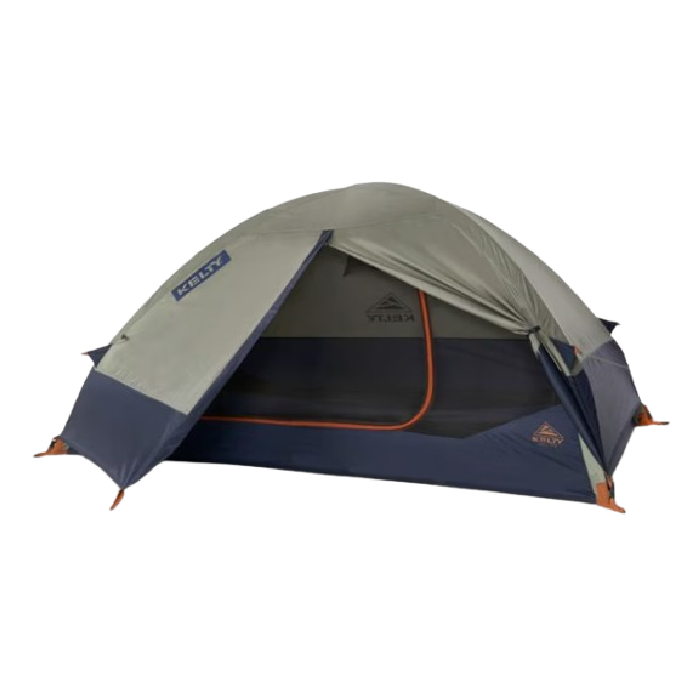
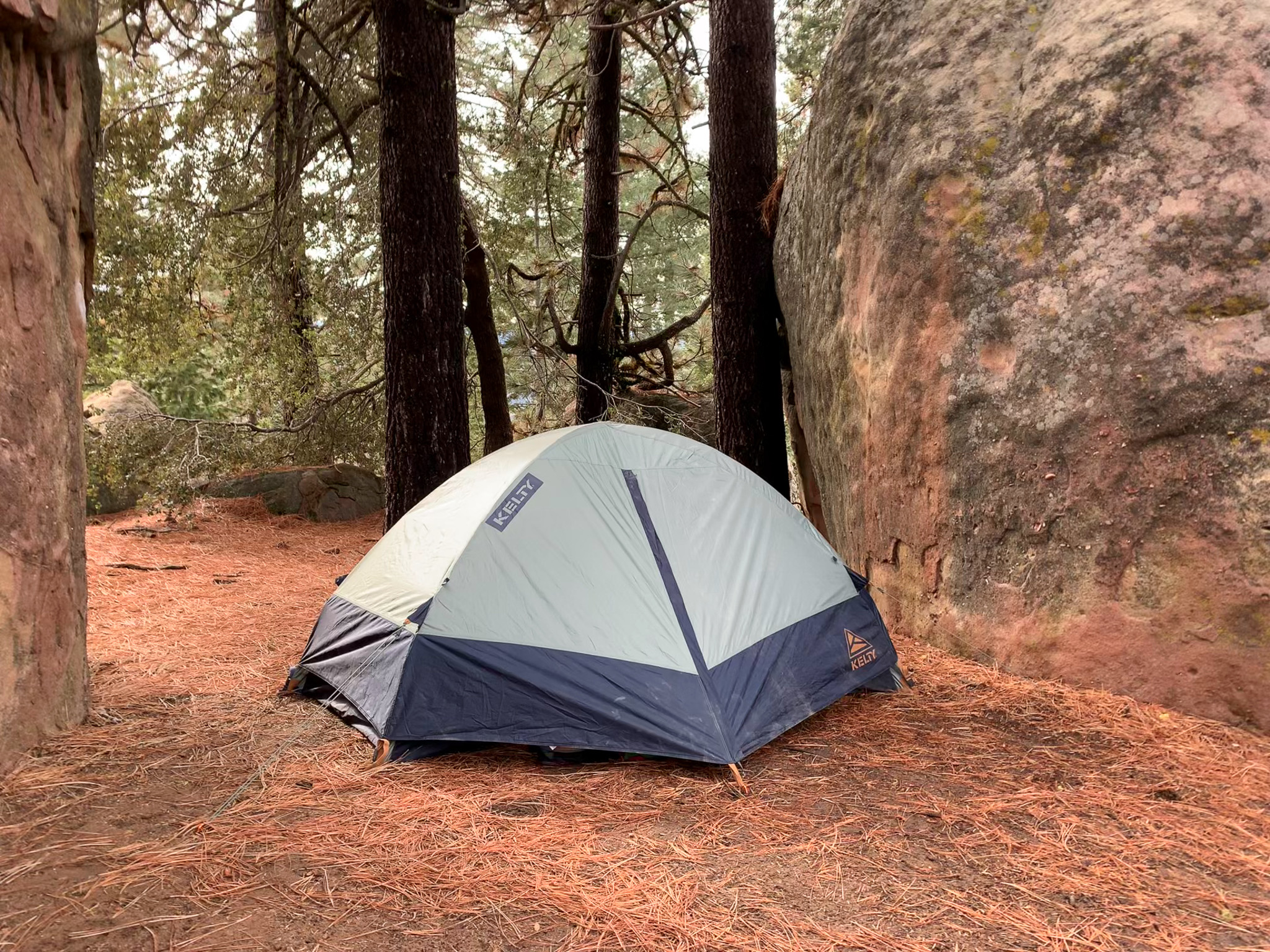
The Kelty Late Start 2 is a great compact tent with some notable features that aren’t available in other model tents in this category. One of these features includes the tent’s built-in stow pouches for extra guy lines, which helped us maximize our limited campsite space by keeping them organized and easily accessible when needed.
After camping in the upper regions of the Los Padres National Forest, we were impressed with this tent’s ability to fit into smaller campsites. Even with large boulders and natural features dotting the landscape, the Late Start 2 had no problem settling into a campsite thanks to its relatively small footprint. This tent is easily pitched in no more than a few minutes thanks to its quick corner pockets for the pre-bent poles, quick clips, and color-coded fly, which prevent any confusion during setup.
However, this tent’s thicker fabric does not compress well, so it takes up more volume than other lighter nylon materials would. Due to this, it might not be a first choice for backpackers because of the amount of space it would occupy in a backpack compared to more packable tent models.
However, for an uncomplicated and undemanding tent that almost pitches itself, look no further than the Kelty Late Start 2. With a thick 68D polyester material, this easy-to-pitch shelter is more than capable of withstanding many seasons of rough outdoor use as well as the company of your favorite furry friend.
Mountain Laurel Designs SOLOMID XL
Best Ultralight Budget Tent
CleverHiker Rating: 4.4/5.0
Price: $275-295
Weight: 1 lb. 1.2 oz.
Dimensions (LxWxH): 9.2 x 4.2 x 4.4 – 38.2 sq ft
Type: Non-Freestanding
Pros
- Ultralight
- Extremely packable
- Excellent wind stability
- Durable
- Large footprint
- Great weight-to-cost ration
- Fast setup (with practice)
Cons
- Learning curve to setup
- Floorless design risks flooding
- Not great for beginners
- Seam sealing costs extra
- Zipper stress over time
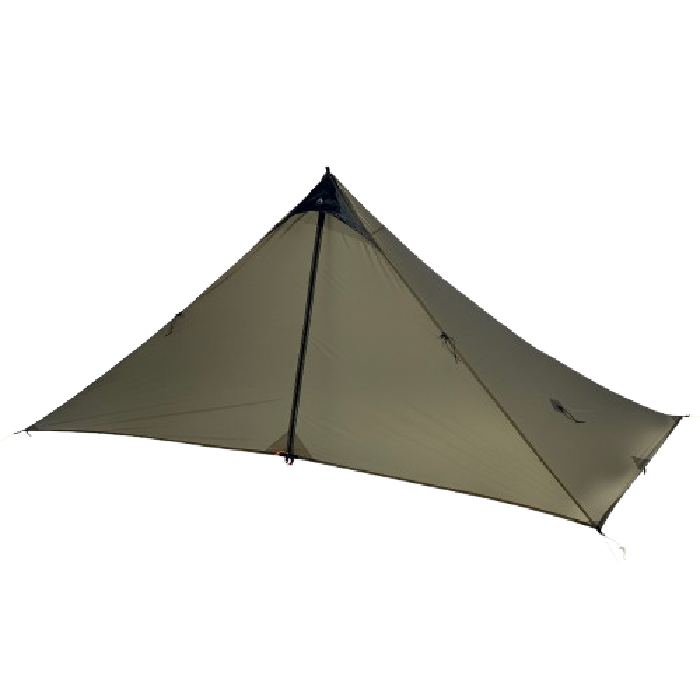
The Mountain Laurel Designs SoloMid XL is an ultralight, highly packable shelter that delivers exceptional performance and durability at a surprising price. It stands out as one of the best value options for those who prioritize weight savings and simplicity without sacrificing reliability in the backcountry.
Weight and packability are where the SoloMid truly shines. During testing in Petrified Forest National Park, we appreciated how easily it disappeared into our packs, leaving more room for water and other essentials. At around a pound and a half fully rigged, it competes with shelters that cost significantly more, making it a compelling choice for thru-hikers and ultralight enthusiasts looking to cut weight without breaking the bank.
Weather protection and structural strength are also major highlights. The pyramid design handled wind well in exposed badlands terrain, and the seam-sealed fabric kept water out during our hose testing. That said, the floorless design requires careful campsite selection to avoid pooling water, and users need to be mindful of setup in wet conditions. With good technique, however, this shelter provides reliable protection in a wide range of environments.
Ease of use is the main tradeoff, but it’s manageable with experience. The SoloMid pitches quickly once dialed in, but achieving a clean, balanced setup takes practice, and the initial setup requires extra steps like seam sealing and guyline attachment. For beginners, this may feel like a hurdle, but for seasoned backpackers, it becomes second nature.
Overall, the SoloMid is best for experienced solo hikers who value ultralight efficiency and are comfortable trading convenience for weight savings and versatility.
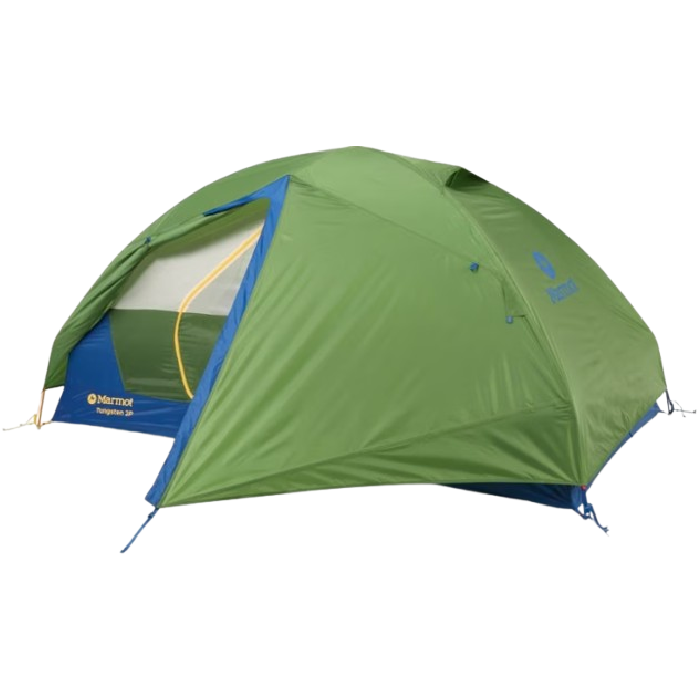
Marmot Tungsten 2
Most Livable Interior Space
CleverHiker Rating: 4.3/5.0
Price: $279
Weight: 6 lb. 3 oz.
Dimensions (LxWxH): 7.3 x 4.5/3.8 (head/foot) x 3.5 – 30.1 sq ft
Type: Freestanding
Pros
- Easy color-coded setup
- D-style doors for quick and easy access
- Good waterproofing features
- Roomy
- Lots of storage
- Tent comes in two other sizes
Cons
- Too heavy for backpacking
- Tapered floor plan might feel restrictive
The Marmot Tungsten 2 tent shines as a spacious and well-designed shelter to elevate your next camping experience. Its generous interior boasts 30.1 square feet of floor space and a length exceeding 7 feet. This provides ample room for two campers to stretch out and relax after a day of outdoor activities.
The Tungsten 2 is thoughtfully complemented by a suite of organizational features, including two expansive, double-tiered hanging pockets perfect for stashing smaller items like headlamps or phones. Five upper loops offer convenient hanging points for lights, makeshift clotheslines, or carabiners to maximize vertical space and keep the tent floor clutter-free. A unique light-diffusing lamp shade pocket transforms a headlamp into a soft, ambient light source, creating a cozy atmosphere inside the tent at night.
The Tungsten 2 prioritizes simplicity with intuitive design elements like color-coded pole tips and corresponding rainfly attachment points, which streamlines the setup process to under 5 minutes. This quick and hassle-free pitching is a welcome feature, especially when arriving at a campsite after dark or in inclement weather. Dual vestibules also provide a valuable 16 square feet of covered outdoor storage, ideal for stowing muddy boots, backpacks, or other gear, while preventing dirt and moisture from entering the sleeping area.
Despite its numerous advantages, the Marmot Tungsten 2 presents some limitations for certain users. While the tapered floor plan is generally imperceptible when sitting, taller individuals who prioritize maximum shoulder room while sleeping might find it slightly constricting.
This tent is not designed for weight-conscious backpackers and is most appropriate for car camping scenarios where portability over long distances is not a primary concern. Even though it forgoes some of the specialized features found in dedicated backpacking tents, the Marmot Tungsten 2 is a highly functional and livable tent perfectly suited for car campers who value space, organization, and ease of setup.
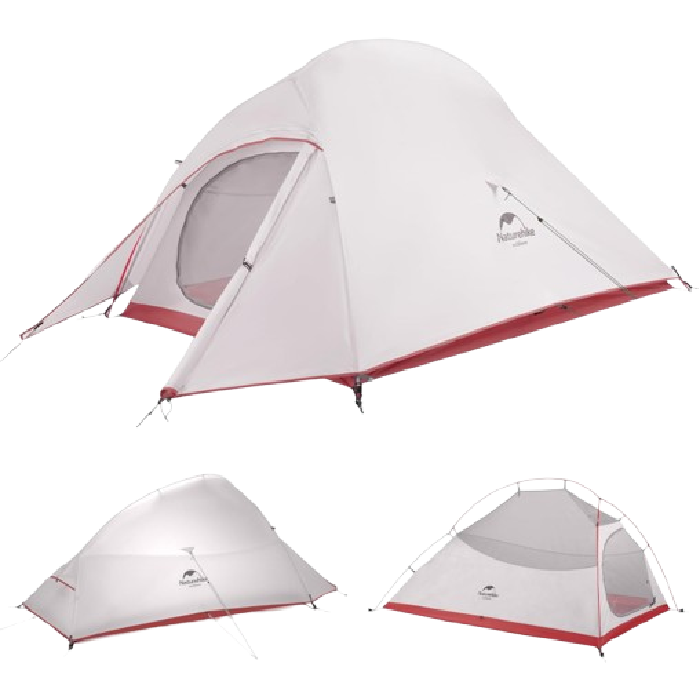
Naturehike CloudUp 2
Lightest Freestanding Budget Tent
CleverHiker Rating: 4.1/5.0
Price: $169
Weight: 3 lb. 7 oz.
Dimensions (LxWxH): 6.9 x 4.1 x 3.4 – 27.9 sq ft
Type: Freestanding
Pros
- Lightweight enough for backpacking
- High sidewall for privacy
- Quick and easy to pitch
- Included footprint
- Packable
- Quality materials
- Fly can be used separately as a sunshade
Cons
- Too short for people over 6 ft
- Single front-entry and small vestibule
The Naturehike CloudUp 2 lands itself firmly as a decent crossover tent for people under six feet tall. As a smaller, more compact shelter, with a slim 3.4 lb weight, it lends itself well to short solo backpacking trips and frontcountry excursions. It is constructed of lightweight 20-denier silicone coated nylon with an added polyurethane 4000 mm coating and taped seams for a robust barrier against heavy rainfall. Not to mention, the high quality hardware consists of durable thin gauge guy line and eleven 6” Y-stakes to keep the pullout points secure in high wind.
During testing, we found that anyone six feet or taller would not be comfortable with the CloudUp 2’s smaller 82.8 inch length and 40.8 inches of peak height. Its smaller, more compact dimensions would also struggle to accommodate two full size people plus gear, especially with the single door entryway. Storage is pretty limited with the singular smaller vestibule and only one interior pocket above the door. Based on our experience, we feel that the CloudUp 2 is much more suitable for a solo hiker under six feet tall.
Overall, the Naturehike CloudUp 2 is a suitable crossover tent for frontcountry car camping and short range solo backpacking trips. Its simple and stable Y-pole design allows for a quick setup. Extra pullout points can be firmly secured with thin-gauge guy lines and Y-stakes which are unlikely to bend. Although not recommended for two people due to its one-door design and more compact size, the CloudUp 2 is a solid tent for solo campers who enjoy both backpacking and car camping.
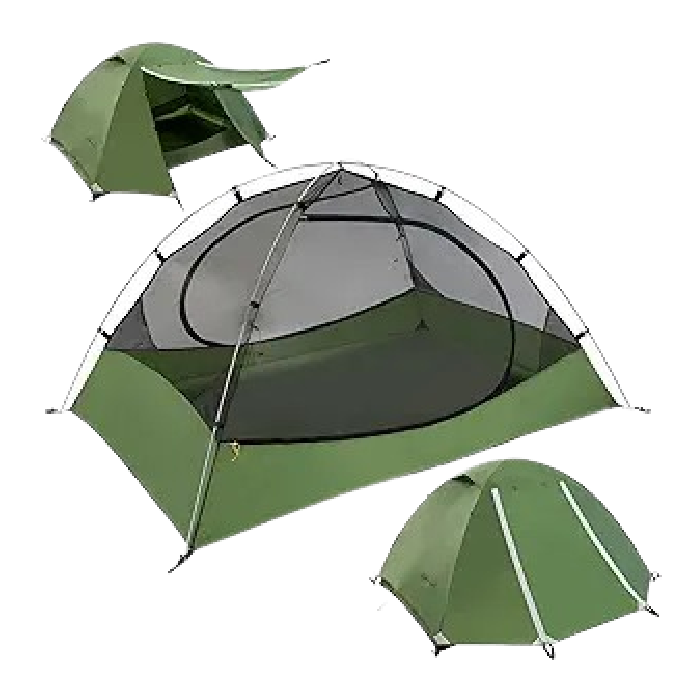
Clostnature Polaris 2
Most Affordable Freestanding Budget Tent
CleverHiker Rating: 3.9/5.0
Price: $85
Weight: 5 lb. 5 oz.
Dimensions (LxWxH): 7.2 x 4.9 x 3.8 – 35 sq ft
Type: Freestanding
Pros
- Deployable shade awning for sunny days (requires poles)
- Familiar and simple-to-use dome-style structure
- Dual doors for easy and quick access
- Convenient and easy-to-use carrying bag with handles
- Lots of interior space for two people, dog, or gear
- Double reinforced corners for fabric longevity and delayed fraying
Cons
- 5 pound weight is too heavy for backpacking
- Shade awning is susceptible to wind and may flap around
The Clostnature Polaris 2 surfaced as one of the most affordable tents in the Budget Tents Category. At a generous 35 sq ft., this tent feels spacious and it isn’t costing and arm and a leg. Its simple yet effective design is easy to use for a very quick setup and includes handy features that will make your trip even more enjoyable.
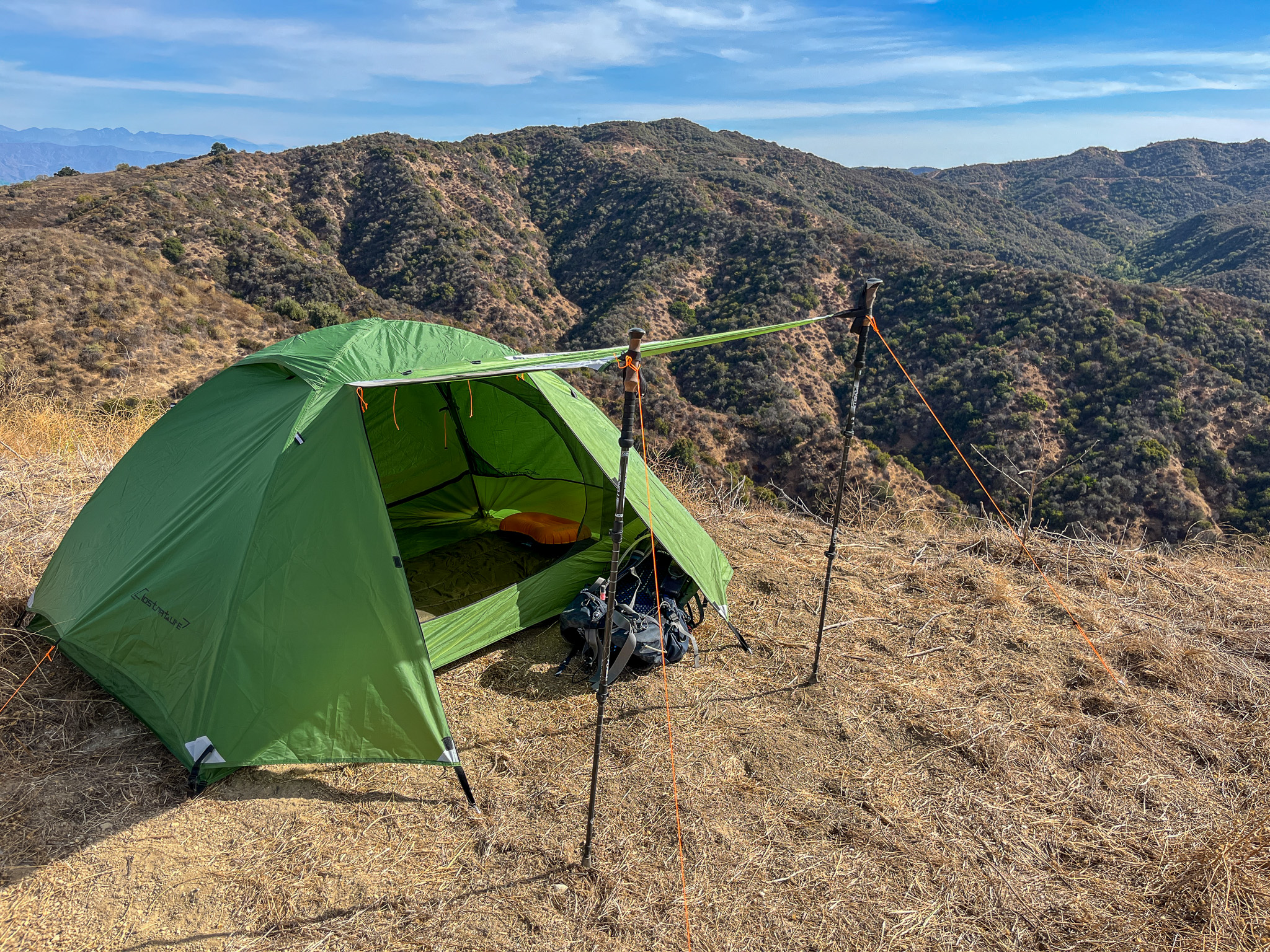
With a familiar and simple dome-style structure that is pitched with two equal-sized x-poles and a corresponding clip system, this tent is a breeze to set up and take down in minutes. After the fly is clipped in via the buckles on the four corners, the vestibules stake out to complete the process. This tent is perfect for those looking for a straightforward shelter that pitches effortlessly. One of the vestibules also converts into a shade awning where you can relax out of the heat in shadeless and exposed campsites.
This tent came in handy while our gear analyst camped out on the sunny trails of the Santa Monica Mountains where shade can be elusive and the heat can feel inescapable at times. However, this tent might not be for everyone, especially if you are searching for something lighter and more suitable for backpacking. Though If you just need an easy-to-use car camping tent for weekend camp getaways, then this tent is for you.
Product Comparison Table
| oSort | Product | Price | Weight | Dimensions (LxWxH) | Type | Comfort | Weather Resistance | Durability | Portability | Ease of Use | 0 |
Six Moon Designs Skyscape Scout View at Six Moon Designs View at Garage Grown Gear 
|
$160 | 2 lb. 7 oz. | 8.6 x 4 x 3.75 – 23 sq ft | Semi-Freestanding | 4.5 | 4.2 | 4.5 | 4.7 | 4.6 | 1 |
Six Moon Designs Lunar Duo Outfitter View at Six Moon Designs View at Garage Grown Gear
|
$210 | 3 lb. 11 oz. | 7.5 x 4.5 x 3.8 – 34 sq ft | Non-Freestanding | 4.5 | 4.2 | 4.5 | 4.3 | 4.4 | 2 |
Mountainsmith Morrison EVO 2 View at Amazon View at Backcountry
|
$230 | 6 lb. 15 oz. | 7.6 x 4.7 x 3.8 – 36 sq ft | Freestanding | 4.7 | 4.5 | 4.5 | 3.8 | 4.2 | 3 |
River Country Trekker Tent 2V View at Walmart View at River Country 
|
$66 | 3 lb. 3.6 oz. | 3.3/5.5 (foot/head) ft x 7 ft x 4 ft – 38.8 sq ft | Non-Freestanding | 4.6 | 4.0 | 4.6 | 4.4 | 4.3 | 4 |
Kelty Late Start 2 View at Amazon View at Kelty
|
$160 | 5 lb. 0.6 oz. | 7.4 x 4.5/3.6 (head/foot) x 3.5 – 30.6 sq ft | Freestanding | 4.5 | 4.2 | 4.4 | 4.3 | 4.6 | 5 |
Mountain Laurel Designs SOLOMID XL View at Mountain Laurel Designs
|
$275-295 | 1 lb. 1.2 oz. | 9.2 x 4.2 x 4.4 – 38.2 sq ft | Non-Freestanding | 4.2 | 4.0 | 4.7 | 4.8 | 4.2 | 6 |
Marmot Tungsten 2 View at REI View at Amazon |
$279 | 6 lb. 3 oz. | 7.3 x 4.5/3.8 (head/foot) x 3.5 – 30.1 sq ft | Freestanding | 4.6 | 4.5 | 4.5 | 3.9 | 4.5 | 7 |
Naturehike CloudUp 2 View at Amazon View at Naturehike |
$169 | 3 lb. 7 oz. | 6.9 x 4.1 x 3.4 – 27.9 sq ft | Freestanding | 3.7 | 4.4 | 4.5 | 4.4 | 4.2 | 8 |
Clostnature Polaris 2 View at Amazon |
$85 | 5 lb. 5 oz. | 7.2 x 4.9 x 3.8 – 35 sq ft | Freestanding | 4.3 | 4.4 | 4.4 | 4.2 | 4.3 |
|---|
Analysis & Results
Budget tents can offer a surprising balance between affordability and features. While they may not match the premium aspects of high-end models, they often exceed expectations for their reasonable price point and unique characteristics, providing a surprisingly reliable and quality shelter.
All of the tents ranked in the Budget Tents category were scored and assessed on five separate metrics, including comfort, weather resistance, durability, portability, and ease of use. Results and comparisons for each are shown below, starting with value.
Which budget tent is the best value?
The River Country Trekker Tent 2V is a clear winner for value. Priced like a box store car camping tent, but with a performance that meets or even beats many higher quality backpacking tents on the market, there is a lot to love about the Trekker Tent. The durable material is more cost-effective, and the thoughtful design maximizes space while reducing fabric use. The trekking pole setup also reduces weight, but choosing an A-frame design keeps this tent beginner-friendly.
Other standout performers include the Six Moon Designs Skyscape Scout and Lunar Duo Outfitter tents. Both these models were some of our highest performers during testing and the Skyscape in particular has one of the more affordable price tags. We love that both of these tents weigh a reasonable amount for backpacking, include some features, and are comfortable to use in the backcountry.
Other tents we tested may either perform well but cost a bit more, or have a more affordable price tag with reduced performance. This is particularly true of some of the beginner-friendly freestanding tents. That said, they may still be worth the purchase if the alternative is to forgo backpacking.
Which budget tent is the most comfortable?
Among the top performers, the Six Moon Designs Skyscape Scout and Lunar Duo Outfitter were particularly noteworthy for their innovative hybrid-wall designs and lightweight construction. Even though they are made of thicker materials, these tents were designed with the ultralight backpacker in mind without compromising comfort or space. The Lunar Duo Outfitter has the second largest square footage of all the tents and the Skyscape Scout has an extended 100+ inch length for tall hikers. They utilize high-quality materials and advanced construction techniques, resulting in spacious and well-ventilated shelters that are easy to carry and set up.
The River Country Trekker Tent 2V also impressed with its unmatched 38.8 square foot interior, superior comfort, and durability. This tent offered a balance of spaciousness and weather protection that stood out from the rest, making it suitable for a wide range of camping conditions. Its robust construction, space, and attention to detail ensure a comfortable and reliable experience.
The Marmot Tungsten 2, with its light diffuser pocket and ridge pole is another example of a tent that excelled in comfort and performance. This model provided surprisingly ample space, good ventilation, and stability – making it an ideal choice for comfort.
While all the tents in our lineup offered a comfortable camping experience, the top-performing models stood out for their exceptional combination of spaciousness, ventilation, ease of setup, and overall livability – providing a comfortable and enjoyable camping experience.
Which budget tent is the most weather resistant?
The top-performing tents for weather resistance include the Mountainsmith Morrison EVO 2 and Marmot Tungsten 2. Both of these tents are constructed from materials that prioritize waterproofing, with the seams taped. When tested in the Los Padres National Forest, they also both held up well to wind thanks to reinforced guylines. Both of these tents are a bit heavier as a result of the materials used, but if staying warm and dry is the highest priority it may be worth the tradeoff.
Another top choice for performance in wet conditions is the Naturehike Cloudup 2. Made with a 4000 mm waterproof coating, the inside of the tent stayed completely dry during our moisture test with no signs of sagging. One thing to bear in mind with many tents, particularly the Cloudup, is how the tent is oriented to the wind. Because the Cloudup has a unique shape, it should be positioned to cut the wind rather than with the broadside facing the breeze.
Which budget tent is the most durable?
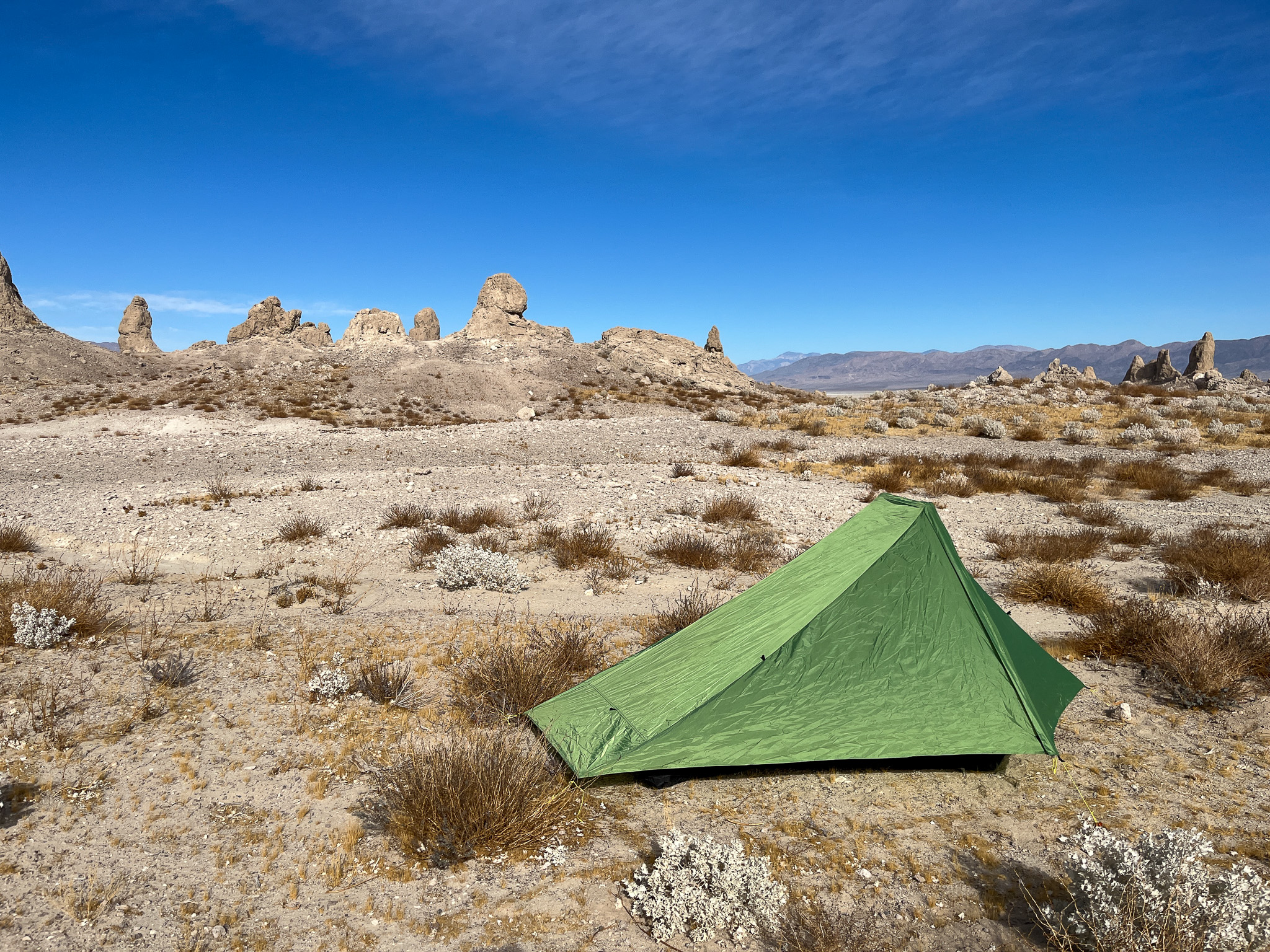
The Mountain Laurel Designs SoloMid XL and River Country Trekker Tent 2V both stood out, but for different reasons. Pyramid style tents such as the SoloMid often lack floors and hold up well to the elements. The lack of a floor means the tent can be set up on any surface without the worry of the floor wearing out. Likewise, the triangular shape of the peak sheds snow and wind with ease, reducing worry about broken poles or shredded fabric. The SoloMid comes in Silpoly or DCF, but we prefer the more affordable Silpoly version as it is less likely to form holes in the fabric over time. The biggest thing to watch for is stress on the zipper, which is likely going to be the first area to wear out on this tent.
We found the River Country Trekker Tent 2V to be quite durable thanks to the thick taffeta floor, polyester canopy, and robust zippers. We did not feel the need to use a footprint with this tent because the materials are so robust, and the extra weight of the zipper is worth it for something that won’t give out early in the tent’s lifespan.
Although notably heavier than other tents made of lighter materials, the stronger polyester-based tents, such as the Six Moon Designs models and the Morrison EVO 2, also demonstrate impressive durability – offering a balance of strength and affordability. These tents are well-suited for providing reliable, long-lasting shelter without breaking the bank.
Models like the Marmot Tungsten 2 provide a good balance of durability and comfort, making them suitable for frontcountry car camping.
Backpackers seeking lightweight and robust shelter may opt for the Mountain Laurel Designs SoloMid XL, while car campers prioritizing comfort and durability might choose the Mountainsmith Morrison EVO 2. Ultimately, the best tent is the one that meets your specific requirements and provides reliable protection during your outdoor adventures.
Which budget tent is the most portable?
In terms of packed size, the Mountain Laurel Designs (MLD) SoloMid XL and Six Moon Designs Skyscape Scout are top picks. These tents pack down incredibly small, making them ideal for ultralight enthusiasts who prioritize minimal weight and pack volume.
The MLD SoloMid is by far the lightest tent we tested, coming in at just over a pound and packing down to the size of a water bottle. This tent is the ultralight backpacker’s dream and lends well to users who want to go light and fast.
The Skyscape Scout was not too far behind, weighing about two and a half pounds. Both of these are one-person tents, which is part of why they pack down smaller and weigh less than other high-quality options.
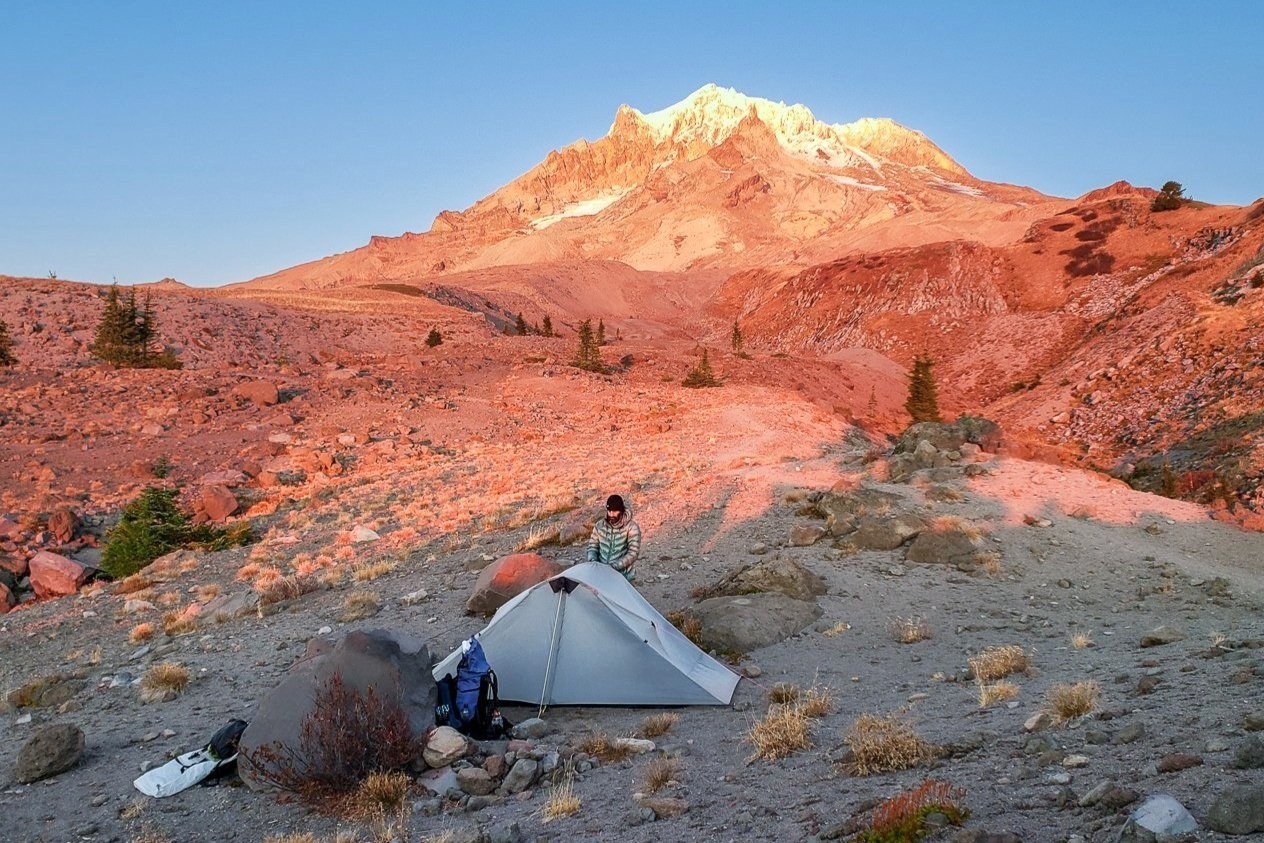
Similarly, the River Country Trekker Tent 2V and NatureHike CloudUp 2 offer impressive weight-to-space ratios, making them suitable for those looking to add a two-person tent to their kit. Both of these tents weigh between 3 and 3.5 pounds, which is quite reasonable when split with a partner.
Which budget tent is the easiest to use?
The Kelty Late Start 2 and Six Moon Designs Skyscape Scout stand out with their user-friendly designs. These tents boast intuitive pole systems and clear instructions, allowing for a quick and hassle-free setup. Their spacious vestibules and interior further enhance the ease of use, providing ample space for gear storage and movement. We love that the Late Start is free-standing, so once the poles are inserted in the pole pockets, it is essentially ready to use. The fly is also color-coded, making it easy to clip onto the tent. Alternatively, the Skyscape Scout only requires three stakes to stand, plus two extras for the vestibules. This makes it incredibly fast to set up.
The Marmot Tungsten 2 also impressed us with its ease of use. This tent features sturdy pole systems and color-coded clips, simplifying the assembly process. The roomy interior and well-ventilated design contribute to its overall user-friendliness, ensuring a comfortable camping experience. The Tungsten features a fast fly system similar to those found in much more expensive tents. This means that the tent can be set up with just the poles, fly, and footprint, which can help keep the inside dry when setting up in rain or save weight by leaving the inside at home.

How to Choose a Budget Tent
What’s a good price for a budget tent?
You can find a really solid budget backpacking tent for under $200 (even in today’s economy). If you are willing to experiment with a non-freestanding tent, there are a few options at that price point. Double-wall shelters less than $200 will likely be lacking in some area, whether that’s overall dimensions, pole and stake quality, or the size and coverage of the fly.
In general, we try to stick to under $300 to truly call it a budget option. Beyond that point, we are looking at regular backpacking and car camping tents that should be more specialized or made of high-performance materials.
What’s a good weight for a budget tent?
The weight of a tent is a critical factor influencing its portability and durability. Lighter tents are easier to carry, making them ideal for backpacking and minimalist camping. However, they may compromise on features like vestibule space, multiple doors, and overall structural integrity.
Conversely, heavier tents, often constructed with stronger materials and larger footprints, offer enhanced durability and spaciousness. So the answer is not so simple. Think about what you need in a tent and go from there before cutting weight.
These are better suited for car camping or extended stays as opposed to long-distance backpacking. When selecting a tent, it’s essential to strike a balance between weight and your specific camping needs. Consider factors like the frequency of your trips, the terrain you’ll be traversing, mileage, elevation gain/loss, and the number of people you’ll be camping with.
How big should my tent be?
The ideal tent size depends on your group size, if you’re going solo or not, and your gear storage needs. Smaller tents, while more affordable and lightweight, may feel cramped for some people even if advertised differently. Larger tents offer ample space, but come with increased weight and cost.
Carefully consider your size needs and required gear storage to select a tent that provides a comfortable and functional camping experience. Oftentimes, an advertised 2-person tent can be a roomy 1-person shelter and a 3-person tent could easily become a comfy 2-person shelter.
Should I Choose a Freestanding or Non-freestanding Tent?
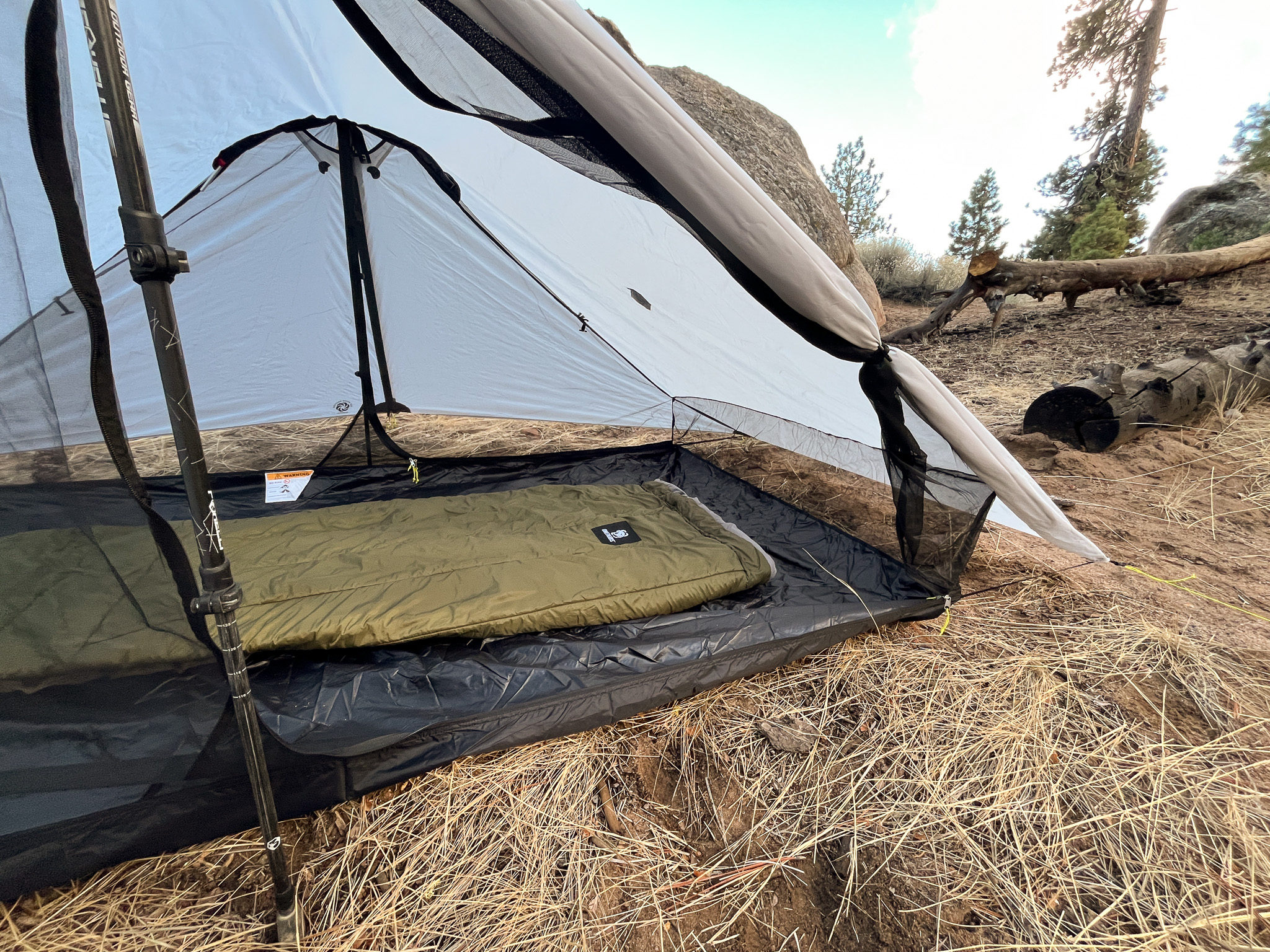
Freestanding tents are those that do not require tent stakes to be fully pitched. That said, it is still a good idea to stake freestanding tents out to increase weather resistance and keep them from flying away in high wind. Freestanding tents are typically more beginner-friendly because they are easier to use and can be set up anywhere.
Trekking pole, or non-freestanding tents, are not typically sold with tent poles. They tend to be lower in price and weight because they use one or two trekking poles to support the fabric. They also require tent stakes to hold up the poles. These tents typically require more practice and skill to pitch correctly, as the stakes need to be at the right angles to each other to keep the fabric taut.
Some attention needs to be paid to the surface these tents are pitched on, as rocky terrain can make it harder to place tent stakes. That said, in all the years we have been using trekking pole tents, we have yet to encounter a situation where it was impossible to pitch one. Rocks and other objects can stand in for stakes in a pinch, though this requires a bit more creativity and problem-solving.
There are some tents on the market that are semi-freestanding. This means that most of the tent is supported by custom poles, but one or two corners may require a stake to keep it tight. These tents save a bit of weight by using smaller poles, but can still be easily set up. They strike a good compromise between the two main setups. That said, few budget tents are available in a semi-freestanding design.
What Material Should My Tent Be Made From?
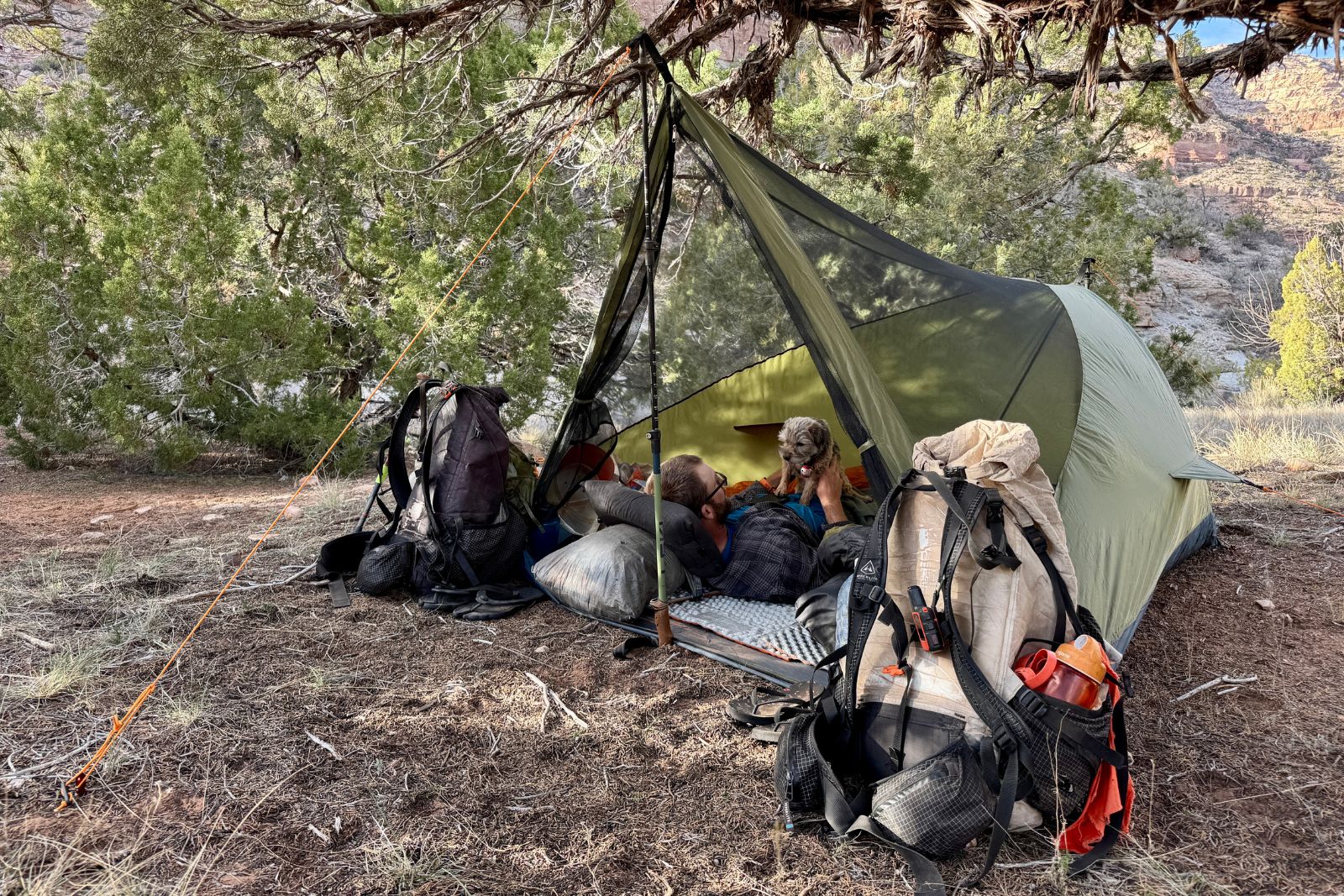
Tents are made from a variety of fabrics, though options are more limited for budget tents. Some of the most affordable fabrics are made out of polyester and taffeta in various weaves. They tend to be durable and higher weave counts do a good job repelling moisture. The trade-off is that they are much heavier than fabric found on premium tents.
Higher quality backpacking tents tend to be made of either SilPoly, SilNylon, and DCF (Dyneema). Silicone-coated Polyester (SilPoly) does a great job of repelling moisture but is slightly less durable than Silicone-coated Nylon (SilNylon). SilNylon has a reputation for sagging when it becomes wet, which can be very problematic with a tent, particularly with single wall shelters. Both fabrics weigh a similar amount.
DCF, also known as Dyneema or formerly as Cuban Fiber, is the lightest and most expensive material typically used for tents. It is completely water repellent and keeps its shape. Though DCF is known for its strength, it is common for strands to get caught and form holes in the fabric. It is also very expensive and the likelihood of finding a budget material made from this material is slim to none.
Why Trust CleverHiker
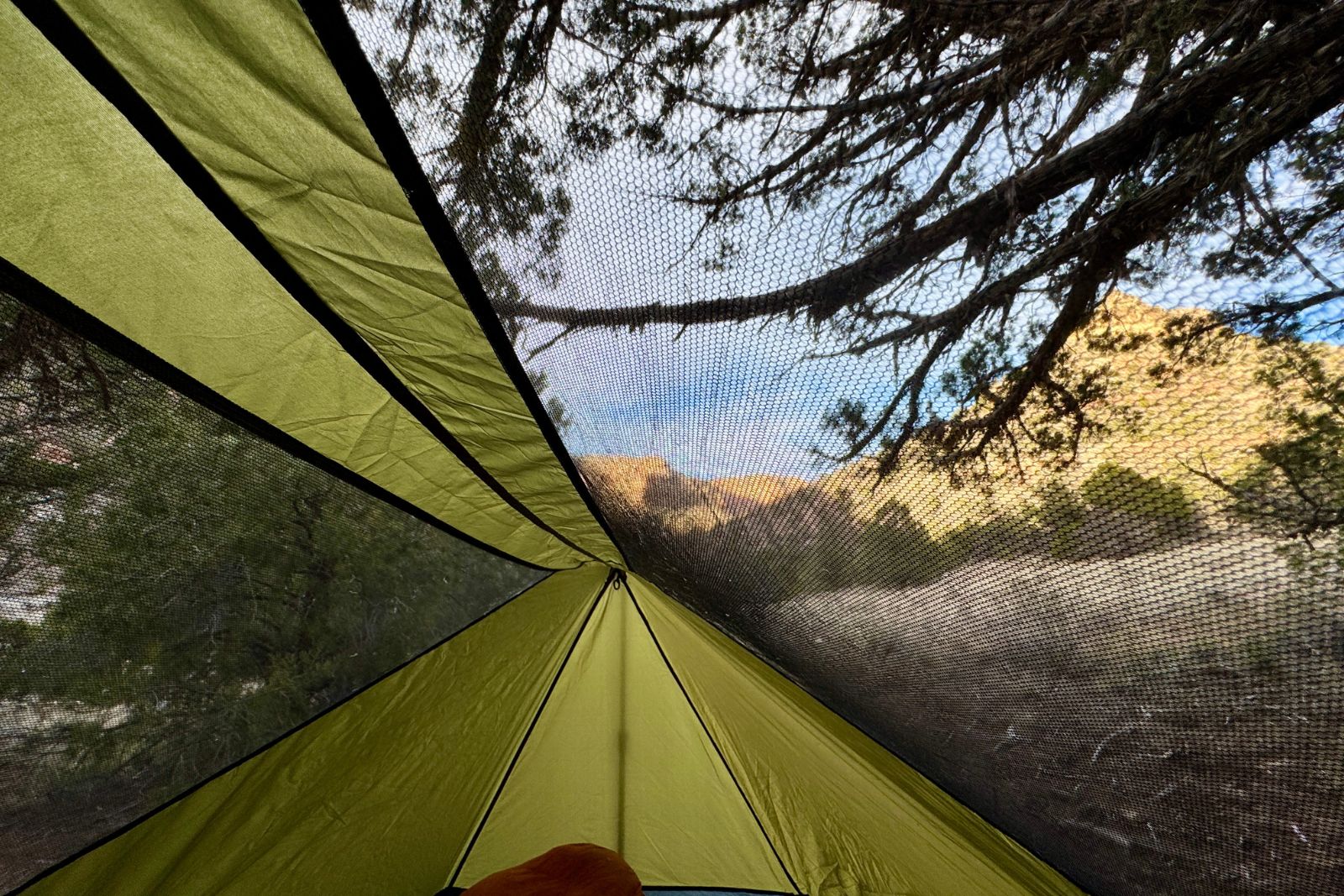
Bailey Bremner is an avid thru-hiker, backpacker, and dog lover. She has spent over 700 nights outside on thru-hikes such as the Continental Divide Trail, Vancouver Island Trail, and countless original long-distance routes such as the 2300 mile Western Wanderer Route. She loves geeking out over tents and has used a wide variety on her treks ranging from the well loved Big Agnes Copper Spur to a simple DCF Flat Tarp.
Testing Methodology
How do we assess comfort?
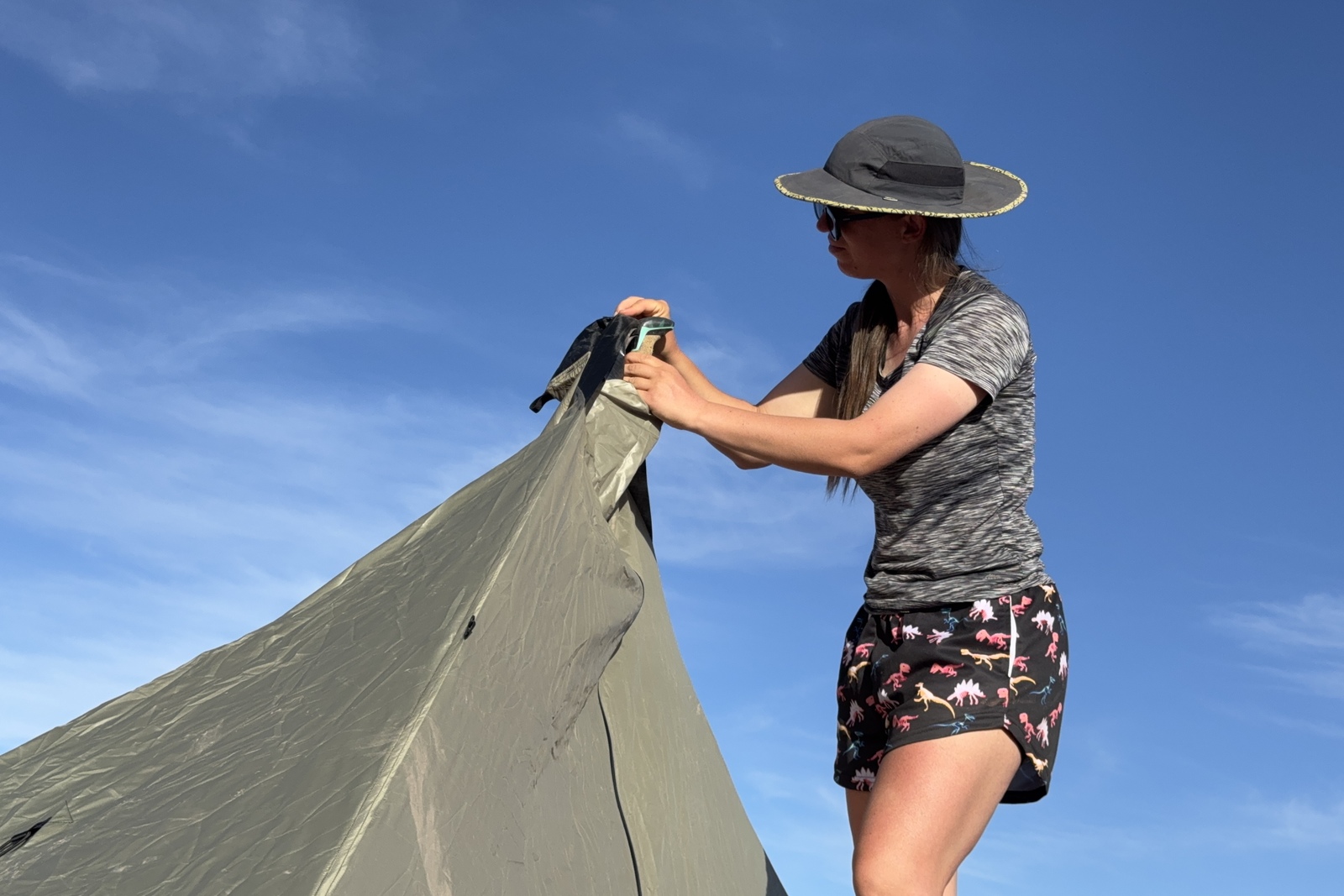
This metric involved a comprehensive assessment of the tent’s interior dimensions and comfort. Key measurements included total floor area with and without gear, peak height, total capacity, and shoulder and headspace while sitting and lying down.
Accessibility was evaluated based on size, configuration, number of doors, zipper quality, and fly configuration. We also noted and assessed whether or not the rainfly doors block or restrict the entryway when rolled back. Additionally, the presence and functionality of interior pockets, gear lofts, hanging support, and organizational features were noted as well.
Tent shape was examined to identify potential head or toe contact points, especially when using an air mattress. We also considered each tent’s suitability for hosting one or two occupants, while considering factors like interior space, gear storage, and privacy. The height of the sidewalls and the opacity of the fabric were also evaluated to determine their impact on comfort, visibility, privacy and ventilation.
How do we assess weather resistance?
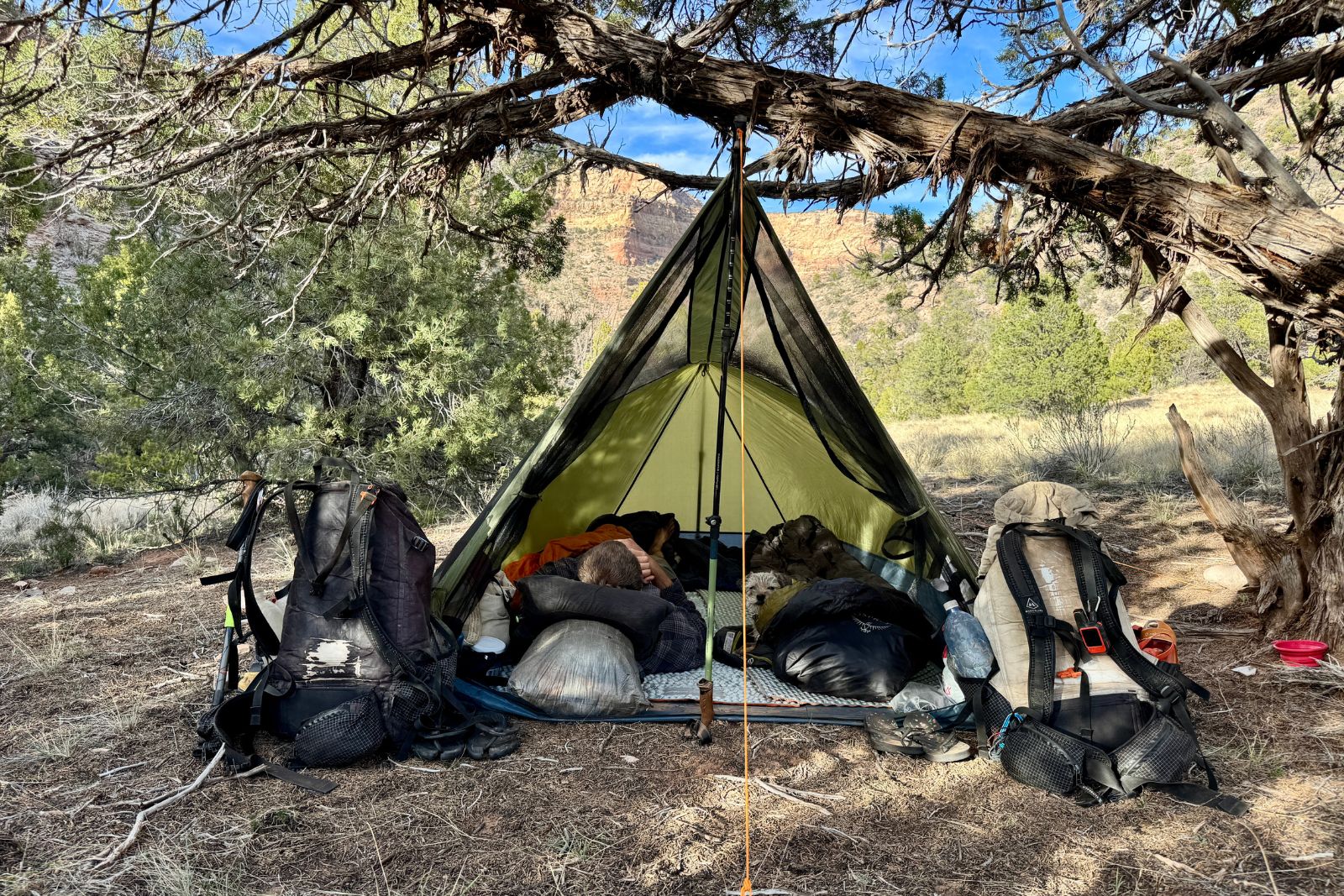
This metric assessed the resilience of each shelter model in various simulated weather conditions. Key factors examined included structural integrity, waterproofing capabilities, and overall design effectiveness. This involved evaluating the materials used, the construction quality, the seam-taping and stitching, and the effectiveness of the bathtub floor.
In the absence of specific testing conditions, the shelters were subjected to simulated wind tests by vigorously shaking the structures to assess their stability, noise levels, and potential stress points before, during, and after each test.
Waterproofing was tested with a one-minute manual application using a hose on the shower setting, while someone else sat inside to check for leaks and evaluate vestibule performance, interior dryness, and fabric water repellency.
Additionally, the quality of guyline attachment points, stitching, and seam-taping was inspected. Thermal performance, ventilation, and the presence of shading features were also considered. By analyzing these factors, we gained a comprehensive understanding of each shelter’s strengths and weaknesses in real-world conditions.
How do we assess durability?
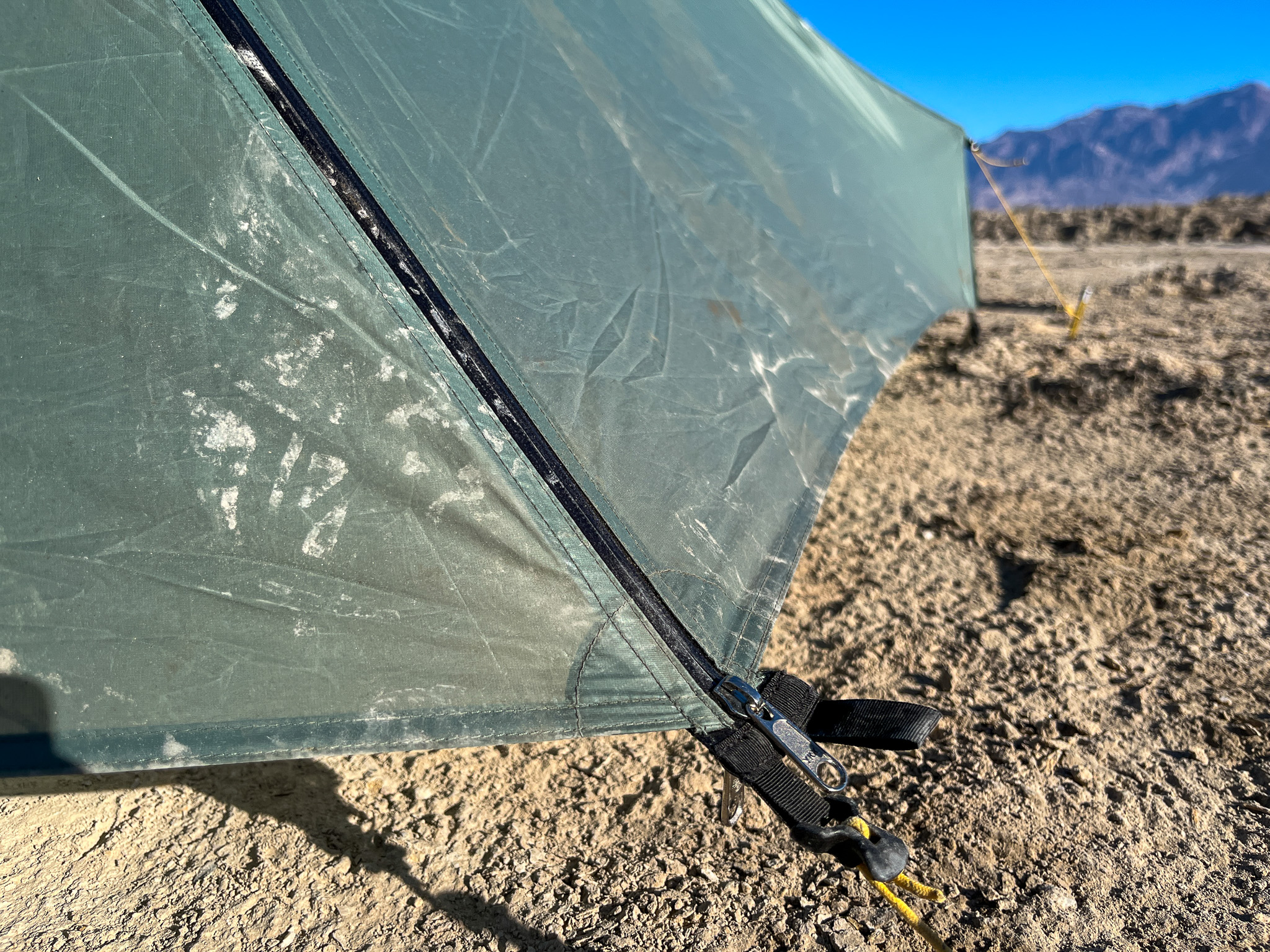
All tents were rigorously tested for fabric tensile strength and evaluated for overall resistance to tears and punctures, particularly when exposed to rough surfaces or sharp, pointed objects. Floor durability was examined, while considering each tent’s need for a footprint to see if it could adequately protect air mattresses from punctures and prevent tears and holes from occurring in the fabric.
Pole and stake quality were assessed, including their resistance to bending and breaking under stress. A pole bend-test was applied to confirm flexibility, and stakes were vigorously hammered into various terrains like packed dirt, rocky soil, mud, and sand. Guy line attachment points were inspected for secure connections, adequate stitching, and potential failure points from stress. Guy lines themselves were evaluated for durability, reflectivity, gauge, and the quality of their line-locks.
Finally, the tent’s overall design was scrutinized for overall potential weak points or design flaws that could compromise its longevity and functionality. By identifying and addressing these issues, the tent’s durability and reliability can be optimized for extended outdoor use and many camping seasons.
How do we assess portability?
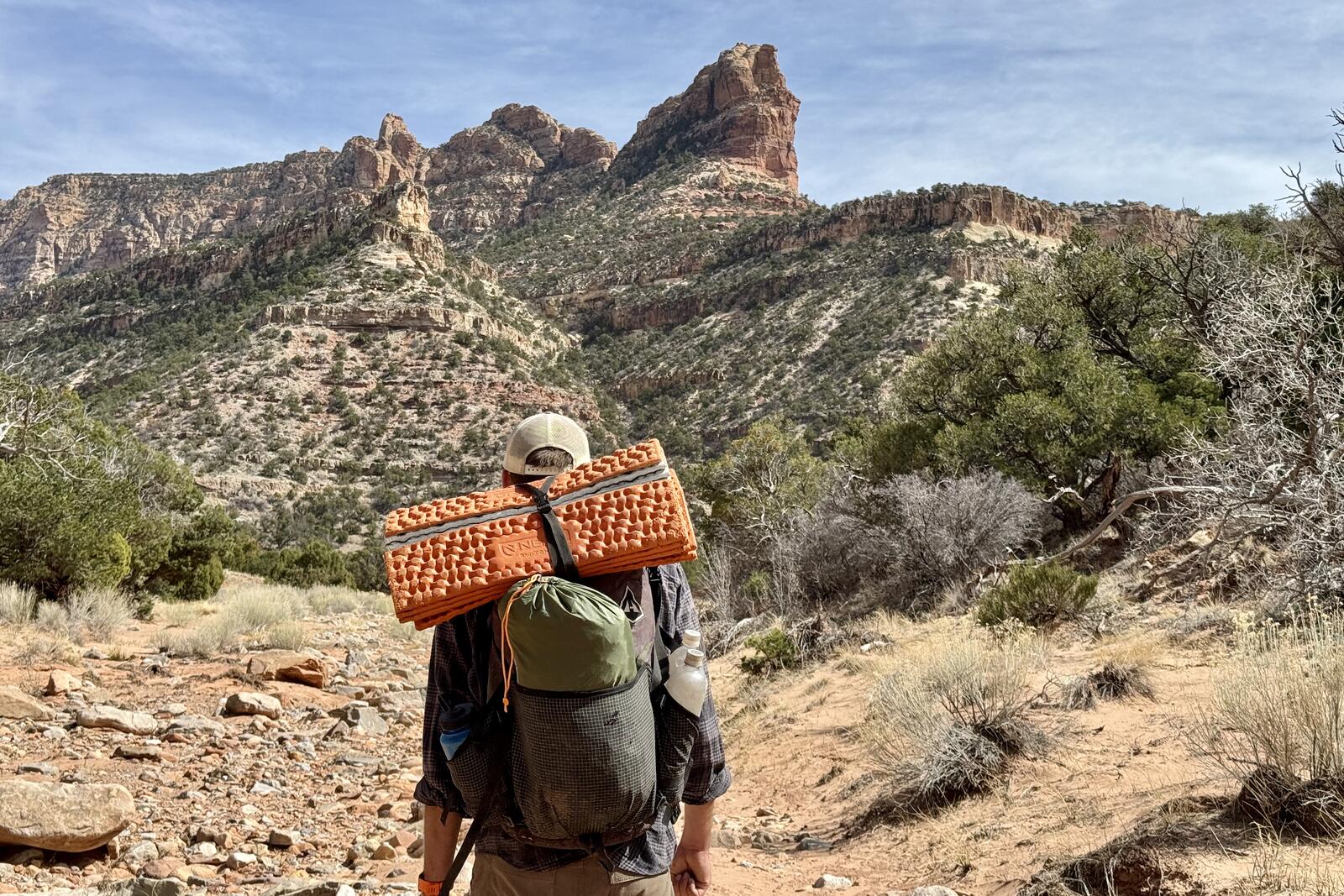
Tent portability was rigorously assessed during field testing. We conducted a detailed inventory to assess the quality of all components and hardware, ensuring that everything was present and determining how easily it could also be repacked. The tent’s minimum trail weight was tested on a 2-5 mile hike, even if its intended use was not backpacking, so that we could evaluate its impact on overall pack weight, comfort, and viability for being a crossover shelter. Setup and breakdown times were measured and averaged, along with the ease of relocating the tent without full disassembly.
The presence and effectiveness of the carrying sack, including its handles, compression straps, and storage solutions were all examined, as well as the feasibility of carrying the tent by hand, outside of a backpack. The length of any folded poles and stakes were also measured.
By systematically evaluating these factors, we gained a comprehensive understanding of the tent’s portability and suitability for backpacking, car camping, or use as a crossover shelter.
How do we assess ease of use?
When field testing these tents, the last metric we focused on was ease of use, a crucial factor for campers. We took into account the average setup time across many pitches and breakdowns, overall footprint area with deployed features, stake quality and quantity, pole and clip system efficiency, rainfly attachments and configurations, tension mechanisms, and interior features.
Basic setup time was considered with factors like poles, clips, and fly attachment, but not with full tensioning because that’s largely optional. Footprint area was examined to determine the tent’s required minimum and maximum space. Stake quality was evaluated through pull and force tests to assess their durability and ease of insertion/removal. Pole systems were examined for their material, packed length, attachment method, flexibility, and the inclusion of repair splints.
Fly attachment was assessed for its ease of setup, color-coded features, guy out attachments, and impact on entry and exit points. Tension mechanisms, including guy line attachment points, line-locks, and reinforced points, were tested for their effectiveness while they were slack and also while they were under tension. Interior features like doors, vestibules, zippers, tie-backs, pockets, and lofts were evaluated for their quantity, size, placement, and functionality. By systematically analyzing these factors, a comprehensive understanding of each tent’s ease of use and overall performance was achieved.
Conclusion
Choosing the right tent is essential for a comfortable and enjoyable camping experience, whether you’re relaxing in the frontcountry or trekking in the backcountry. With countless options available, finding the perfect balance of adequate features like comfort, weather resistance, durability, and weight can be overwhelming.
Whether you prioritize ultralight backpacking or spacious car camping, our expert guidance will help you make the best informed decision to ensure your next outdoor adventure is a success and your gear lasts a lifetime.