

Bottom Line
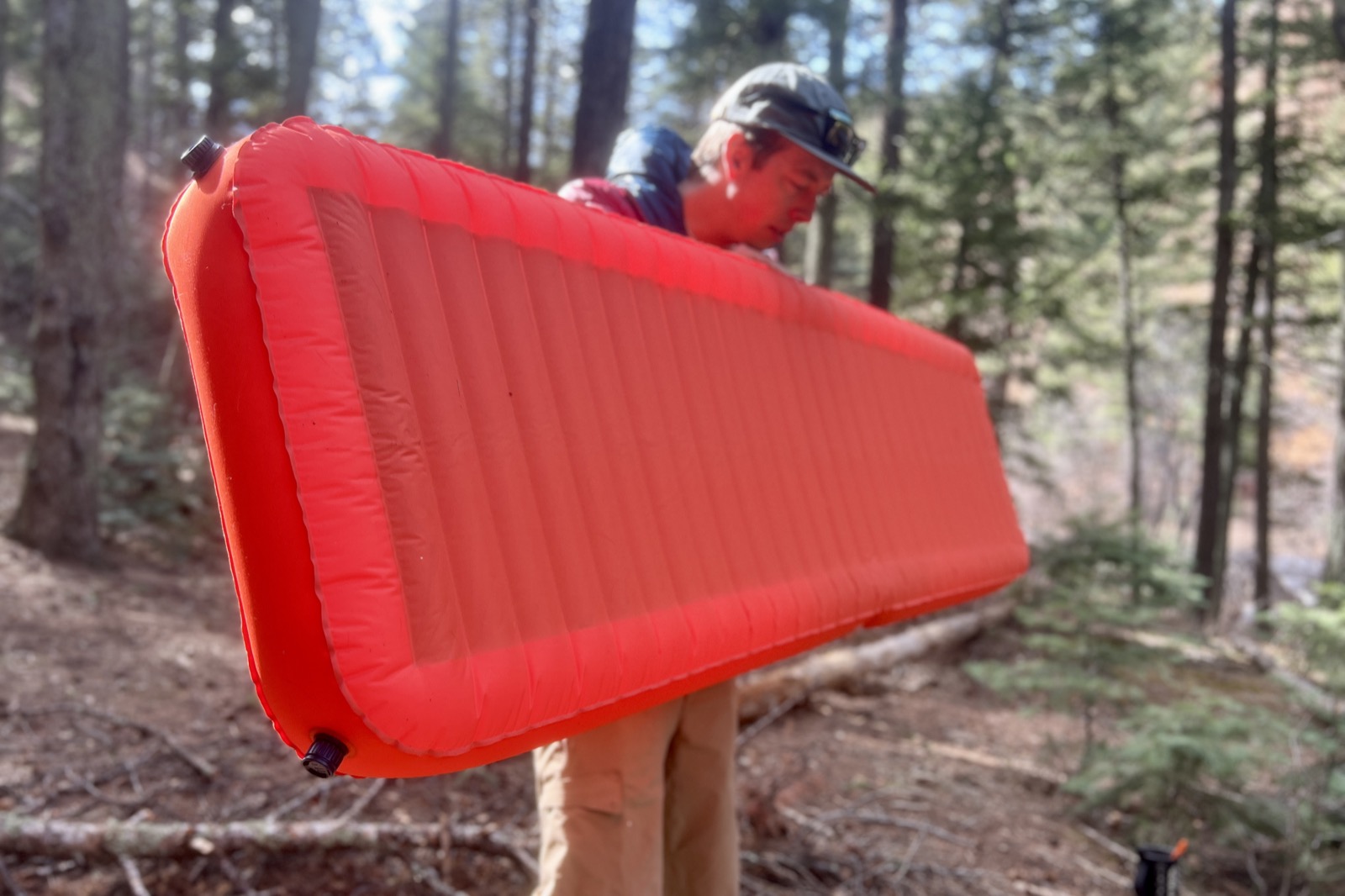
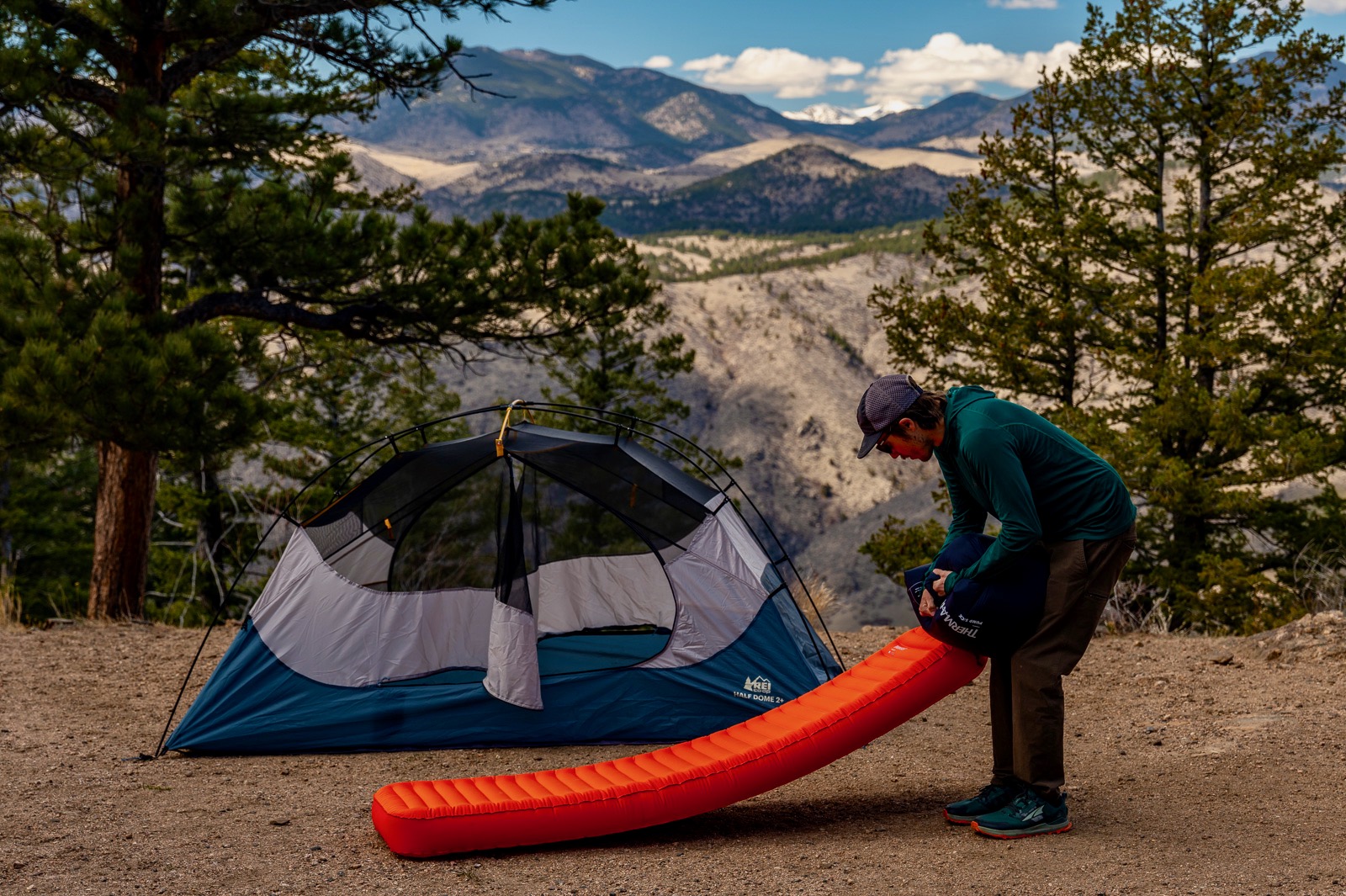
The Therm-a-Rest NeoLoft is the most comfortable backpacking sleeping pad in our current lineup. Its 4.6-inch thickness, broad rectangular shape, stretch-knit top, and body-conforming construction create a sleep surface that feels noticeably more mattress-like than most lightweight backpacking pads.
We’ve used the NeoLoft for backpacking, car camping, at-home sleep testing, and cold-weather trips that included Colorado spring snowstorms. Across that testing, its comfort has been the clear standout. The raised sidewalls help keep sleepers centered, the thick cushioning works especially well for side sleepers, and the soft top fabric feels much less technical than the slick nylon surfaces on many ultralight pads.
The tradeoff is weight. Our category data records a 27.5-ounce CleverHiker measured weight, which puts the NeoLoft well outside the ultralight end of the category. Its R-value of 4.7 is useful for three-season and shoulder-season trips, but it is not our preferred option for true winter conditions. Backpackers who prioritize low weight have better choices, but for hikers who value sleep quality enough to carry extra ounces, the NeoLoft is the comfort-first option we’d choose from our guide to the best backpacking sleeping pads.
How We Tested
Gear Analyst Brett Kretzer tested the NeoLoft across backpacking and car-camping trips, extended at-home sleep testing, and cold-weather outings in Colorado, including spring snowstorms. We also tested its warmth around 28°F with a 15°F sleeping bag and found the combination comfortable in those conditions.
We evaluated the Regular rectangular version for comfort, weight, packability, durability, warmth, inflation, deflation, and everyday usability. Our current category ranking data records a 27.5-ounce measured weight for the test pad.
Quick Specs
- Best for: Comfort-first backpacking, side sleepers, shorter-mileage trips
- Tested size: Regular rectangular
- Tested dimensions: 73 x 22 x 4.6 in., manufacturer listed
- Fabric: 50D polyester knit top / 75D solution-dyed polyester bottom
- Included: Pump sack, stuff sack, repair kit
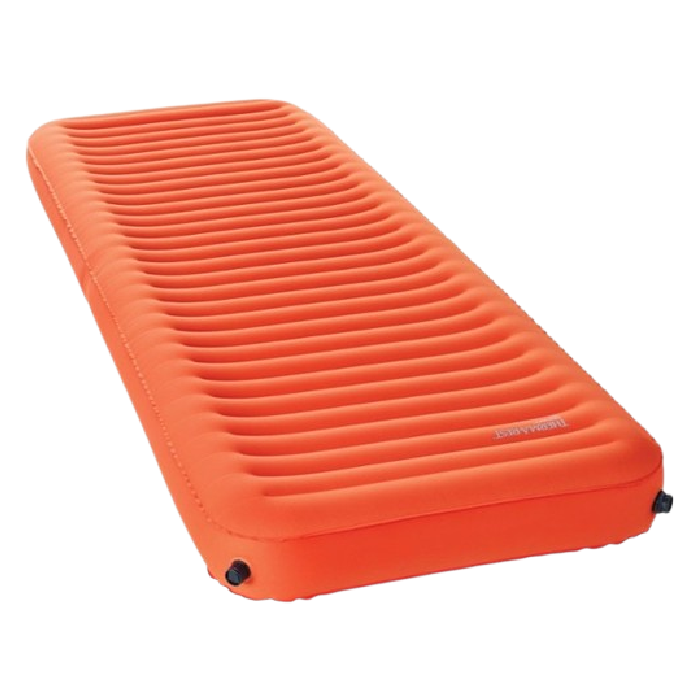
Therm-a-Rest NeoLoft
Most Comfortable Backpacking Sleeping Pad
CleverHiker Rating: 4.4/5.0
Price: $250
Weight: 27.5 oz., CleverHiker measured
R-Value: 4.7
Thickness: 4.6 in.
Pros
- Most comfortable pad in our current lineup
- Excellent for side sleepers
- Very thick, supportive cushioning
- Soft stretch-knit sleeping surface
- Raised sidewalls help keep sleepers centered
- Strong durability for an inflatable pad
- Easy-to-use twist valve
- Large pump sack and roomy stuff sack
Cons
- Heavy for backpacking
- Too bulky and heavy for most ultralight hikers
- Not insulated enough for true winter use
- Pricey for occasional backpackers

Comfort
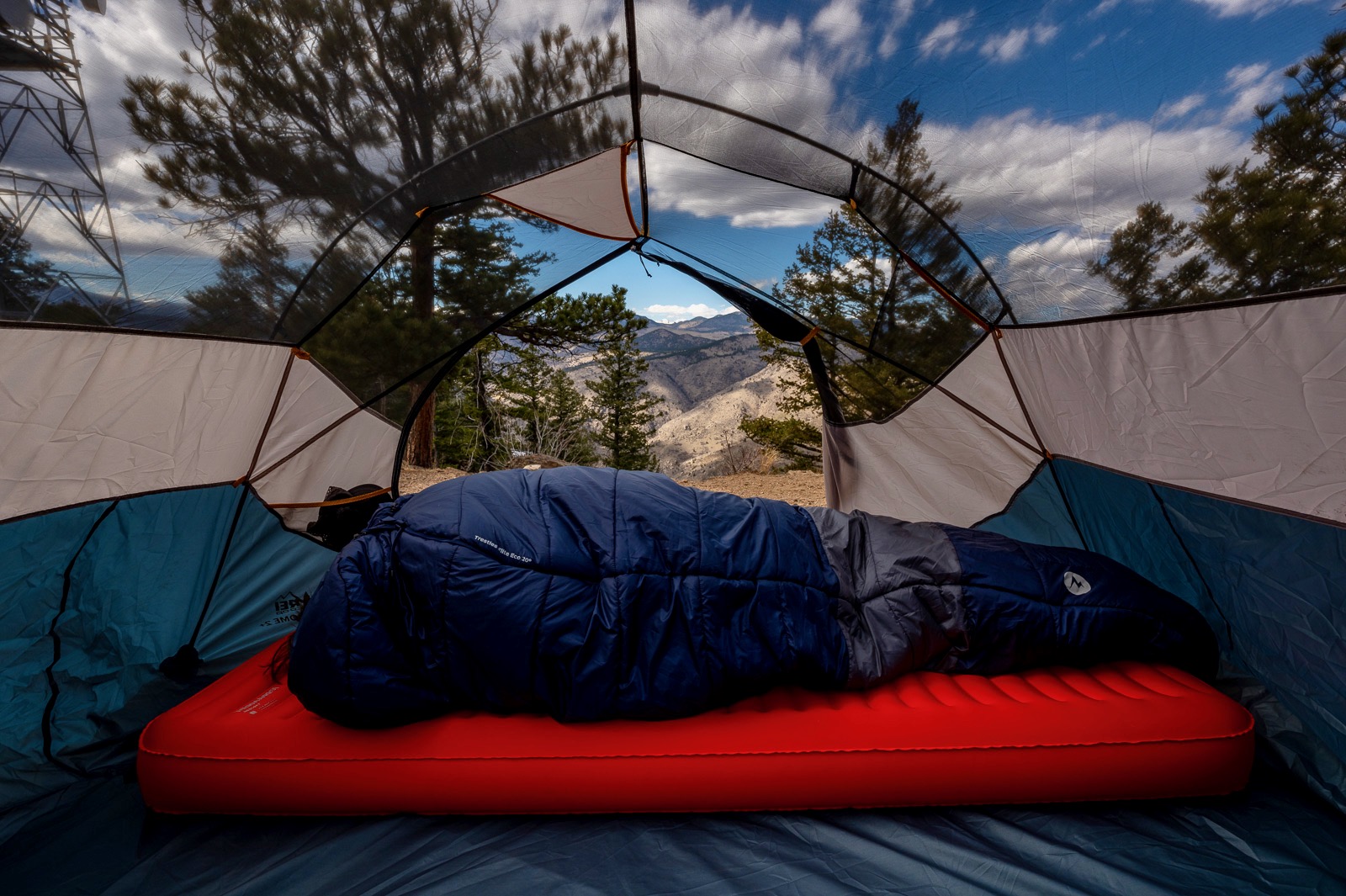
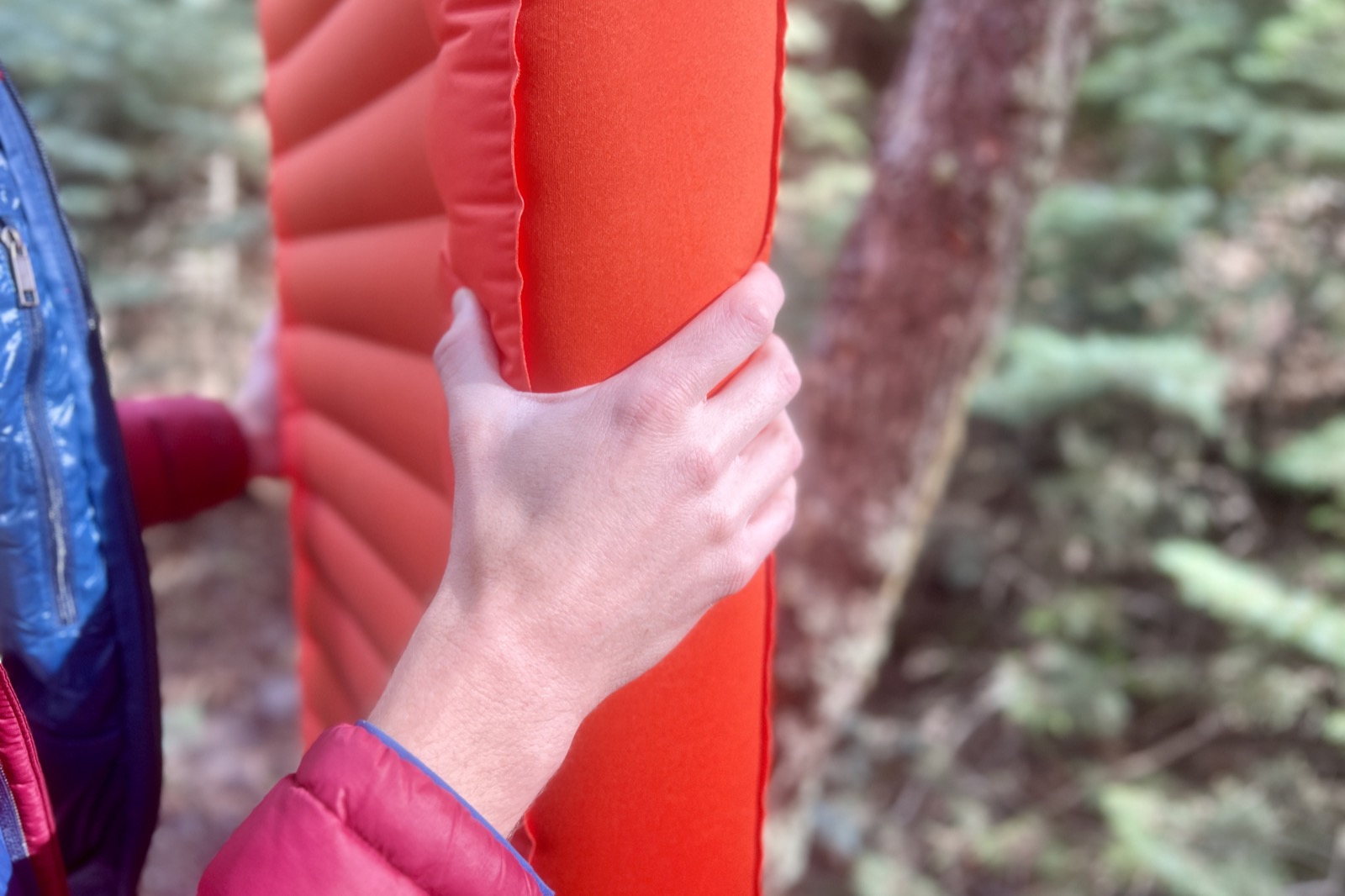
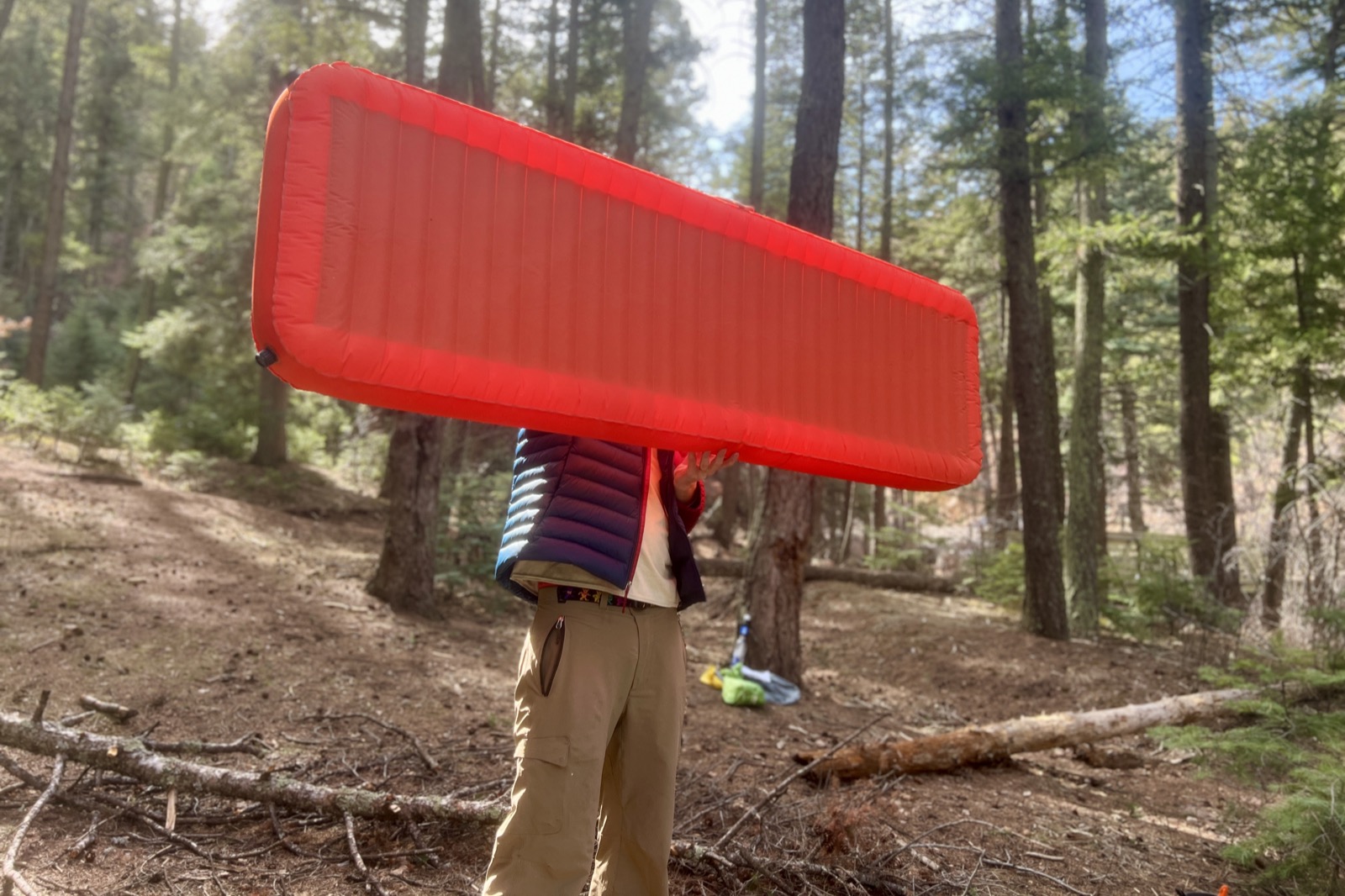
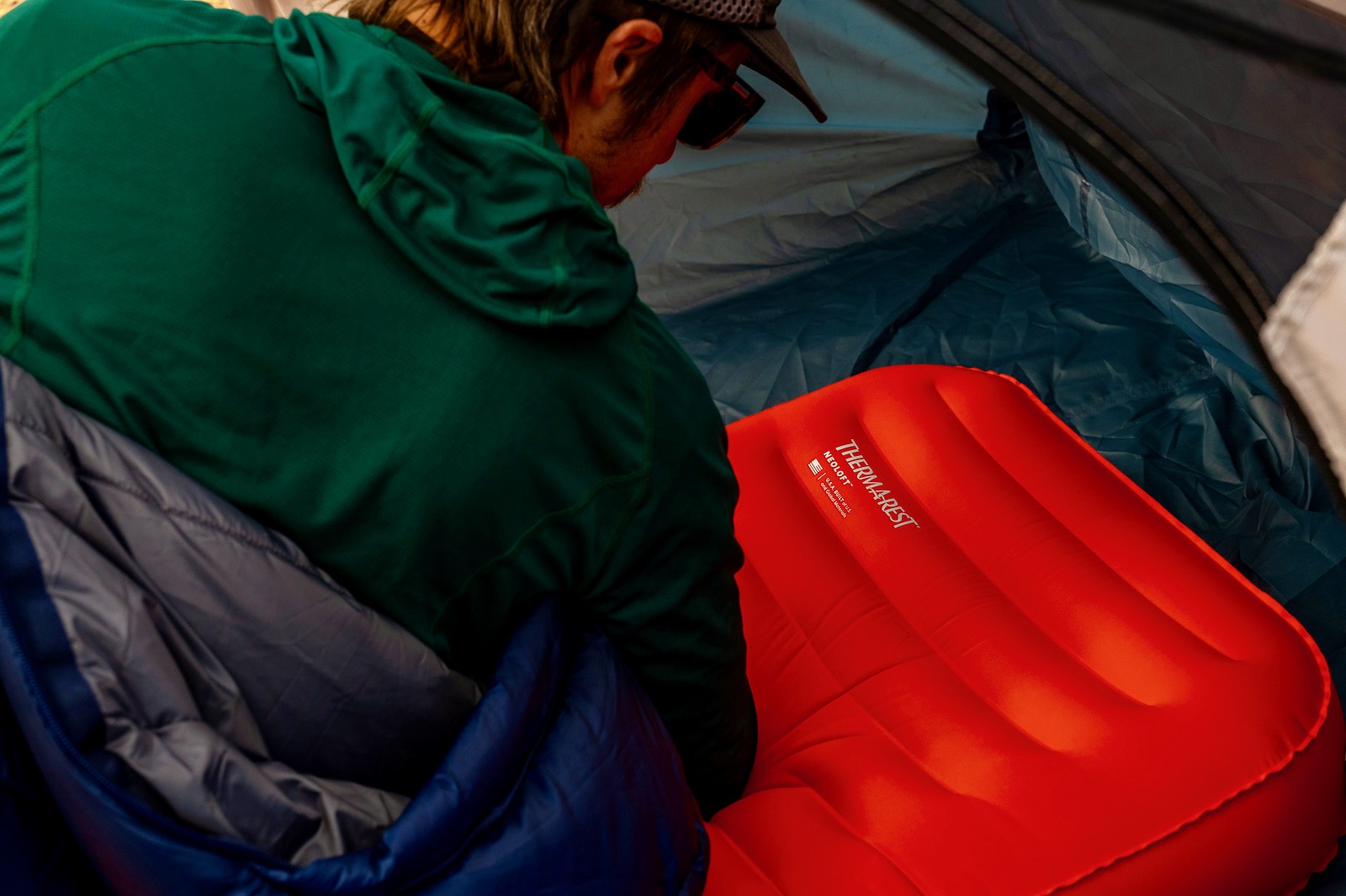
Comfort is where the NeoLoft separates itself from the rest of the category. At 4.6 inches thick, it provides substantially more cushioning than most backpacking pads, and its wide rectangular shape gives sleepers more usable room to move around at night.
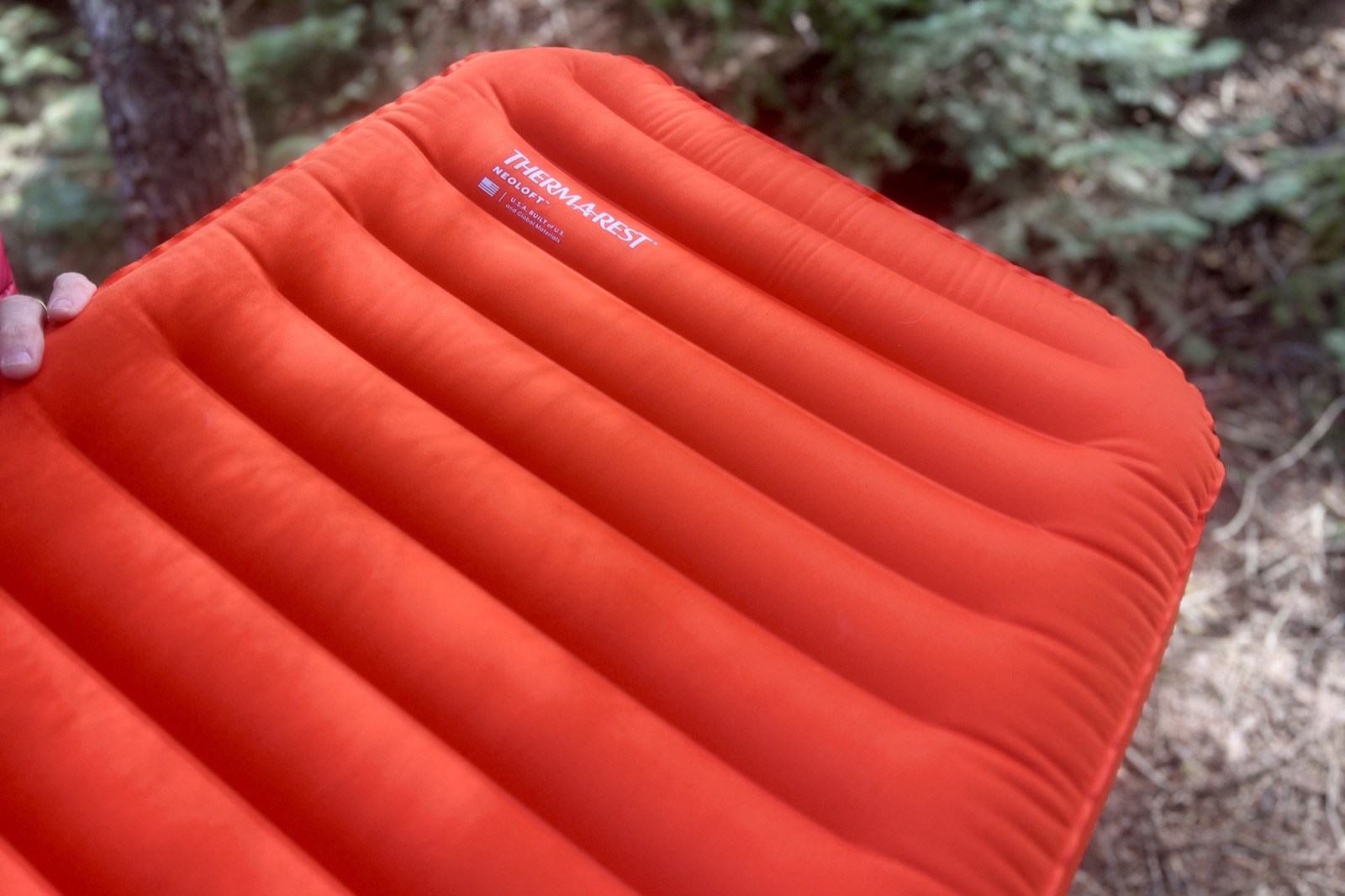
The stretch-knit top is a major part of the appeal. It feels softer against the skin than the woven nylon surfaces used on many lightweight pads, and the fabric has enough give to help the pad conform around shoulders, hips, and other pressure points.
The NeoLoft also uses vertical sidewalls and raised side rails to create a more defined sleeping surface. That design helps reduce the sensation of rolling off the pad and gives side sleepers more confidence when shifting positions.
Its horizontal internal structure feels supportive rather than overly soft, so the NeoLoft works well for back and stomach sleepers too. But side sleepers stand to benefit most from the extra depth and body-conforming surface.
Comfort Score: 5.0 / 5.0
Weight & Packability
The NeoLoft’s biggest compromise is weight. Our current category data records a 27.5-ounce CleverHiker measured weight, which is substantially heavier than the Tensor All-Season, XLite NXT, and other lightweight leaders.
That extra weight is buying something tangible: significantly more cushioning, a larger sleeping surface, plusher materials, and a more mattress-like feel. For hikers who routinely sleep poorly on thin or firm pads, that tradeoff may be worthwhile.
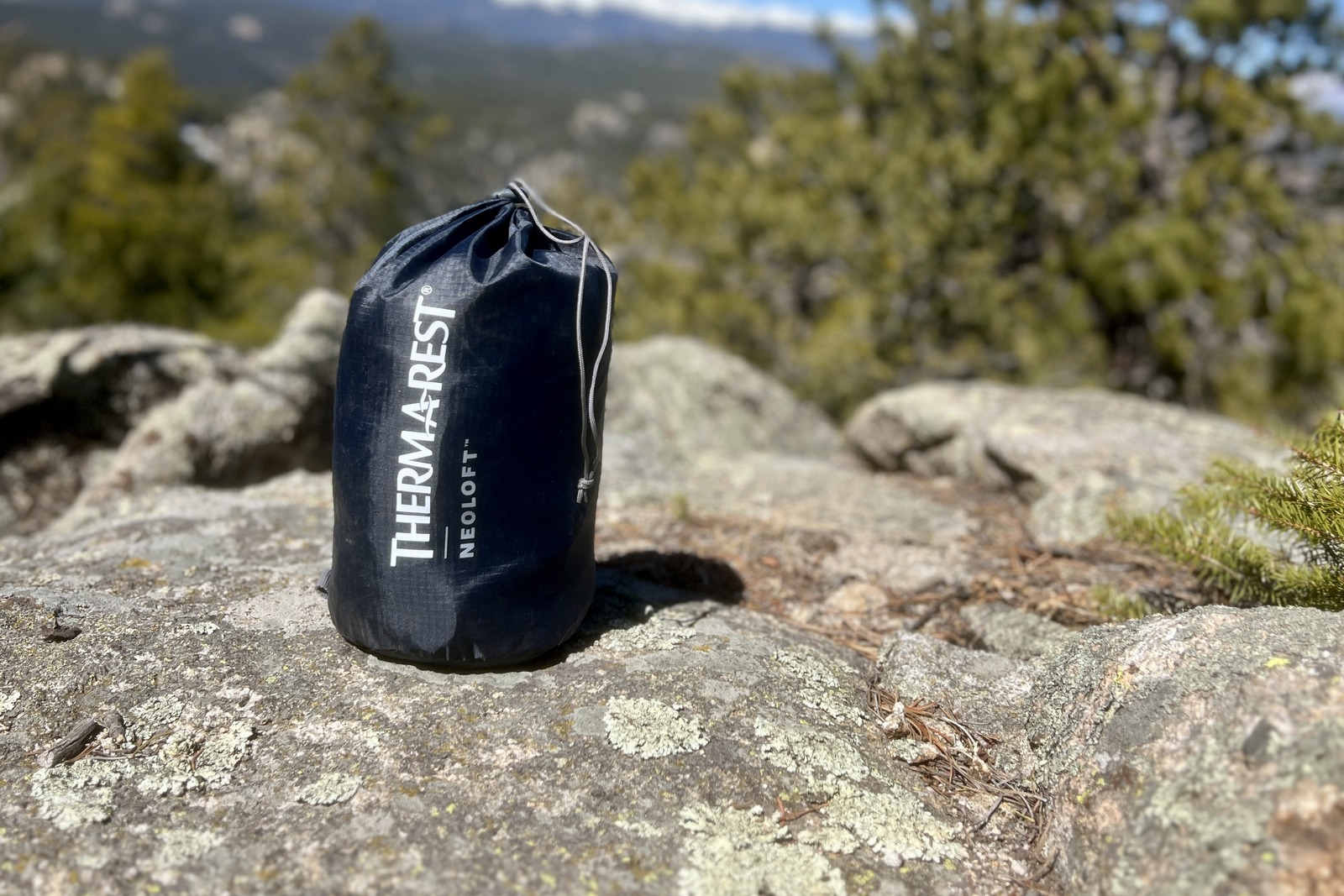
The Regular packs to roughly 5.7 by 9.5 inches according to current manufacturer and retailer specs. That is larger than the most compact ultralight pads, but still manageable inside a backpack and small enough that it does not feel like a car-camping mattress.
We would not choose the NeoLoft for high-mileage trips where every ounce matters. For lower-mileage backpacking, comfort-focused trips, or hikers who know they sleep dramatically better on a deeper pad, the added weight is easier to justify.
Weight Score: 3.1 / 5.0
Durability
The NeoLoft is one of the more durable inflatable sleeping pads in our current lineup. Its underside uses comparatively robust fabric, and our category testing gives it a slight durability edge over the already-tough XTherm NXT.
That extra material adds weight, but it also gives us more confidence around rough campsites than we have with the thinnest ultralight pads. The broad rectangular footprint and soft top fabric still require normal care around sharp rocks, sticks, pet claws, and other puncture hazards.
We also like that the pad includes a field repair kit. As with any inflatable pad, a puncture is still possible, but the NeoLoft’s fabric choices make it less delicate than many lightweight alternatives.
For backpackers who are hard on gear but still want an inflatable comfort pad, the NeoLoft strikes a useful balance between plushness and toughness.
Durability Score: 4.8 / 5.0
Warmth
With an R-value of 4.7, the NeoLoft provides enough insulation for typical three-season backpacking and cooler shoulder-season trips. We tested it around 28°F with a 15°F sleeping bag and stayed comfortable.
Its internal construction uses layered air chambers and reflective insulation to reduce heat loss to the ground. The thick profile also keeps sleepers physically well separated from cold ground, even when the upper surface compresses under body weight.
There is a clear limit, though. The NeoLoft is not our preferred pad for true winter backpacking or extended trips on snow and frozen ground. For those conditions, we trust higher-R-value options such as the XTherm NXT.
For spring, summer, fall, and moderate shoulder-season use, the NeoLoft offers enough warmth for most backpackers while keeping its primary emphasis on comfort.
Warmth Score: 4.5 / 5.0
Ease of Setup
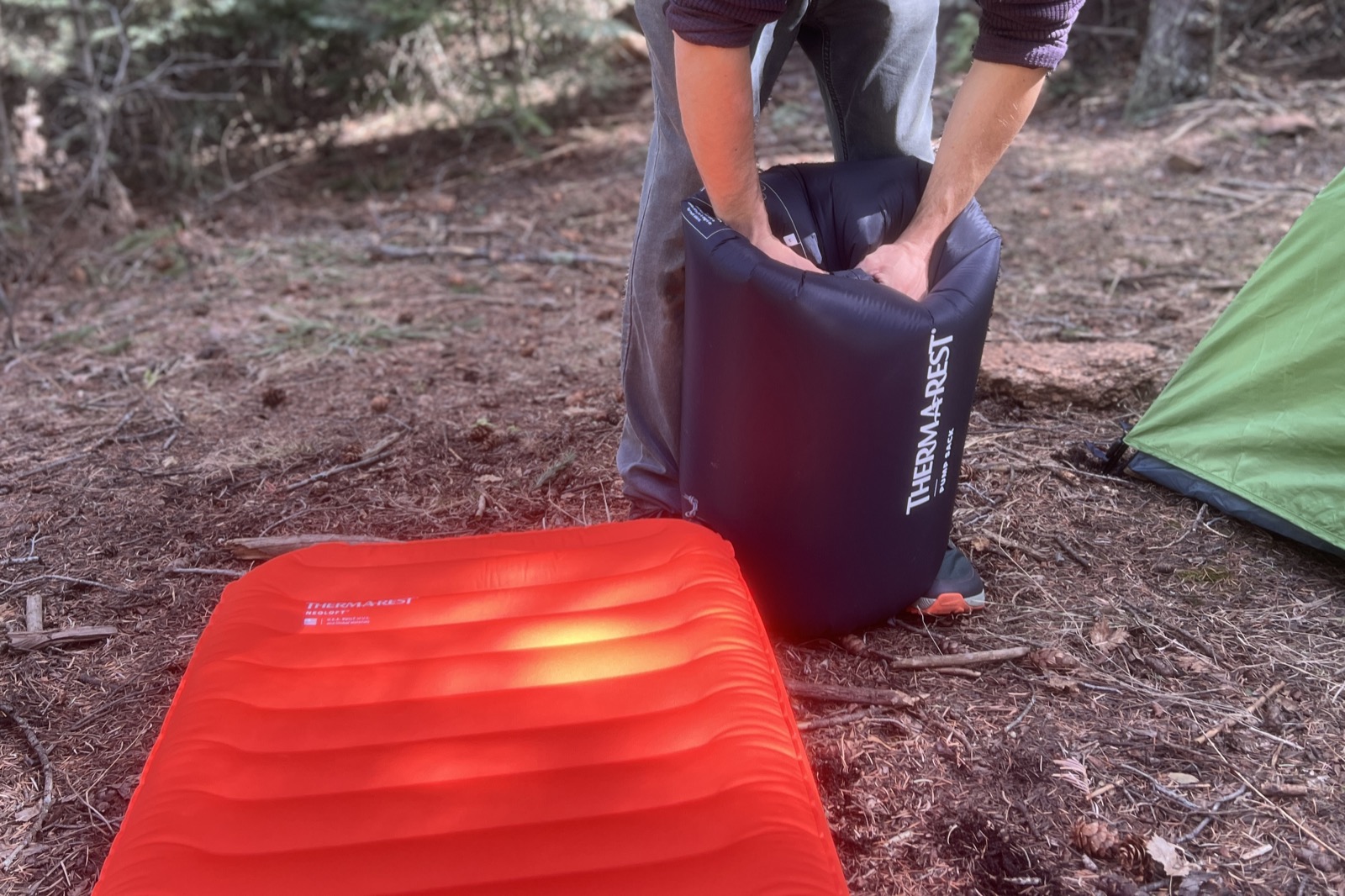
Despite its size, the NeoLoft is straightforward to inflate. The included pump sack is large and easy to fill, and in our testing the pad generally takes about four full bags of air and just under two minutes to reach a comfortable firmness.
We prefer the NeoLoft’s twist-lock valve to Therm-a-Rest’s WingLock valve. It is intuitive to operate, connects securely to the pump sack, and makes it easy to release small amounts of air when fine-tuning firmness.
Deflation is also simple. The separate output valve dumps air quickly, and the flexible fabric makes the pad relatively easy to fold and roll.
Therm-a-Rest also gives the stuff sack enough extra room that packing does not require a perfect roll. That matters on a pad this large, and it makes the NeoLoft less fussy in daily use than its size might suggest.
Ease of Setup Score: 4.6 / 5.0
Should You Buy the Therm-a-Rest NeoLoft Backpacking Sleeping Pad?
The NeoLoft is the backpacking pad we’d choose when comfort is the top priority and carrying extra weight is acceptable. Its 4.6-inch thickness, soft stretch-knit surface, wide rectangular shape, and supportive sidewalls provide a noticeably more luxurious sleep experience than the lighter pads in our lineup.
It makes the most sense for side sleepers, hikers with sensitive hips or shoulders, backpackers who routinely sleep poorly in the backcountry, and people taking shorter-mileage trips where a few extra ounces matter less than recovery and sleep quality.
We would look elsewhere for long-distance hiking, ultralight backpacking, or true winter trips. The NeoLoft is heavy compared with our lightweight leaders, and its 4.7 R-value is not enough to replace a dedicated winter pad when temperatures and ground conditions become severe.
If better sleep is worth carrying more weight, though, the NeoLoft is the strongest comfort-first choice in our current backpacking sleeping pad lineup.
What Other Backpacking Sleeping Pads Should You Consider?
NEMO Tensor All-Season: The Tensor All-Season is our favorite overall backpacking sleeping pad and a better fit for hikers who want a more balanced mix of comfort, weight, warmth, and ease of use. It is much lighter than the NeoLoft and still very comfortable, but it does not have the same deep, mattress-like cushioning.
Sea to Summit Ether Light XR Insulated: The Ether Light XR is another comfort-oriented option with a thick sleeping surface and body-conforming Air Sprung Cell construction. It is a better fit for backpackers who want a softer, lighter alternative to the NeoLoft while still prioritizing comfort over the absolute lowest weight.
Therm-a-Rest NeoAir XTherm NXT: The XTherm NXT is the better choice for true winter backpacking. It is far more insulated, has an excellent warmth-to-weight ratio, and remains one of the most durable inflatable pads we’ve tested. Choose the NeoLoft for plush comfort; choose the XTherm when winter performance matters more.