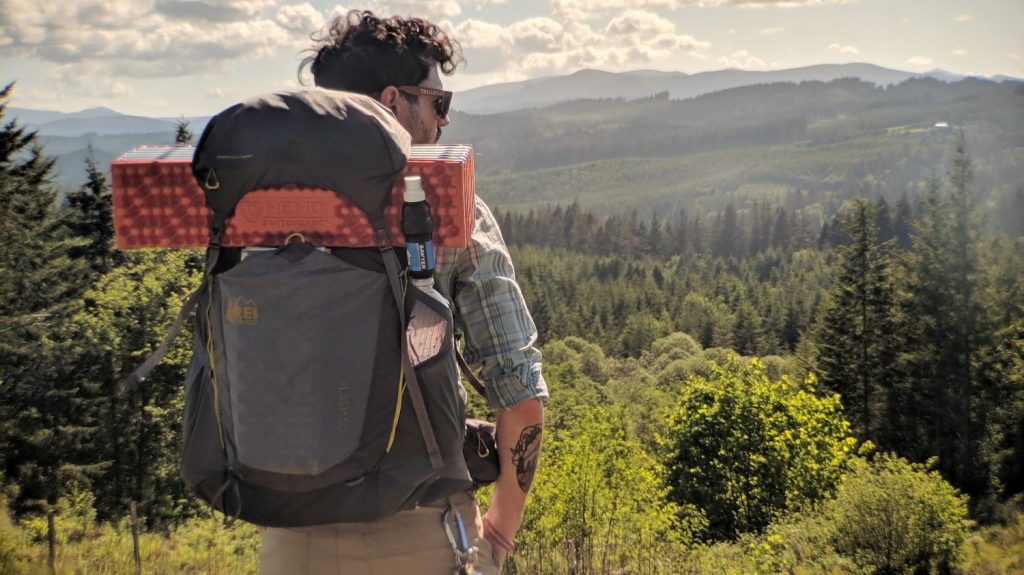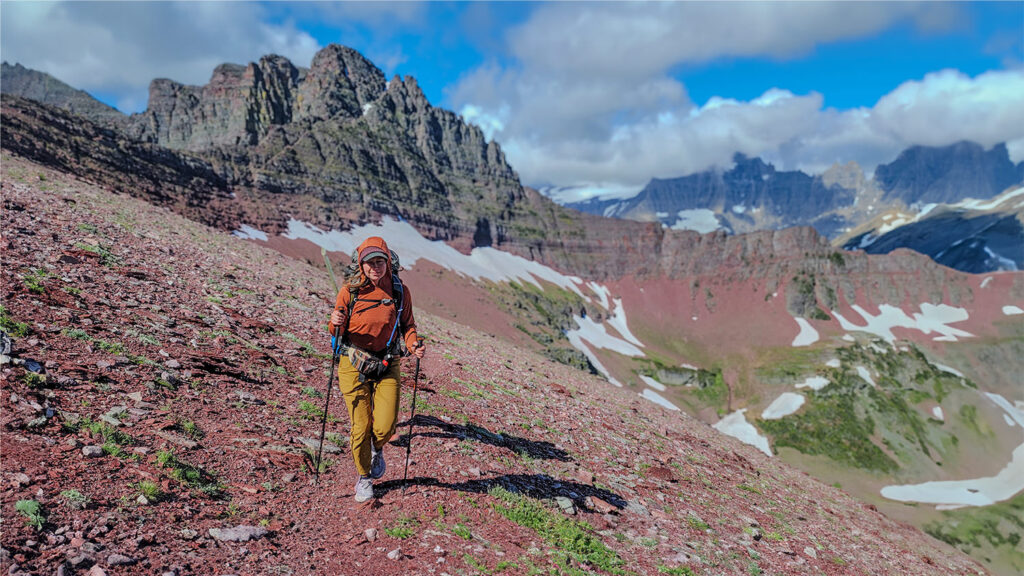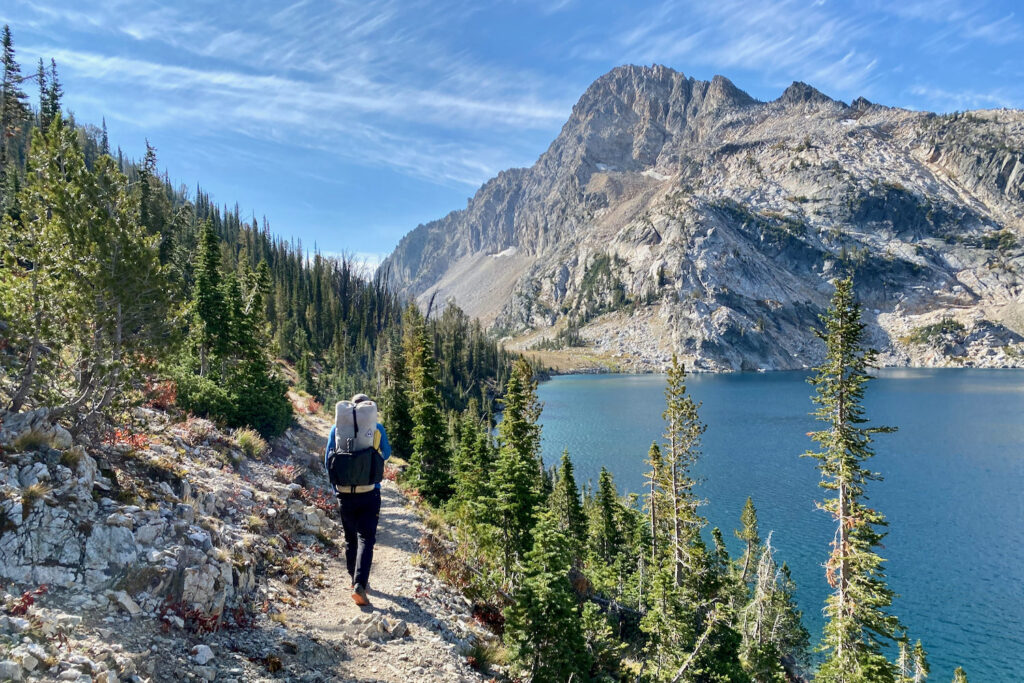


Our ultralight backpacking philosophy is ‘bring what you need, nothing more, nothing less’. Going ultralight doesn’t mean you have to sacrifice significant comfort. We’ve put together a full backpacking gear list – complete with a free-standing tent, a stove, and even a pillow – for under 10 pounds.
Ultralight Backpacking Gear List
| Gear Type | Our Pick | Target Weight | Our Pick Weight |
| Backpack | Gossamer Gear Gorilla 50 | 2 lbs | 1 lb 15.9 oz |
| Tent | Big Agnes Tiger Wall UL1 | 1 lb 14 oz | 2 lbs 2 oz |
| Footprint | Six Moon Designs Polycro | 2 oz | 1.5 oz |
| Sleeping Pad | Thermarest Neoair Xlite NXT | 14 oz | 13 oz |
| Sleeping Bag | REI Magma 30 | 1 lb 10 oz | 1 lb 8.4 oz |
| Pillow | Sea to Summit Aeros Down | 3 oz | 2.5 oz |
| Stove | MSR PocketRocket 2 | 3 oz | 2.6 oz |
| Pot | Toaks Titanium 750ml | 4 oz | 4.1 oz |
| Utensil | Toaks Titanium Long Handle Spoon | 1 oz | .8 oz |
| Water Filter | Sawyer Squeeze | 3 oz | 3 oz |
| Rain Jacket | Outdoor Research Helium | 6 oz | 5.7 oz |
| Rain Pants | Zpacks Vertice | 5 oz | 2.5 oz |
| Base Layer | Arc’Teryx Rho LT Crew | 5 oz | 5.6 oz |
| Mid Layer | Rab Ascendor Hoody | 7 oz | 6.8 oz |
| Down Jacket | Mountain Hardwear Ghost Whisperer | 9 oz | 8.8 oz |
| Socks | Darn Tough Ultralightweight Micro Crew | 2 oz | 1.8 oz |
| Power Bank | Nitecore NB10000 | 5 oz | 5.3 oz |
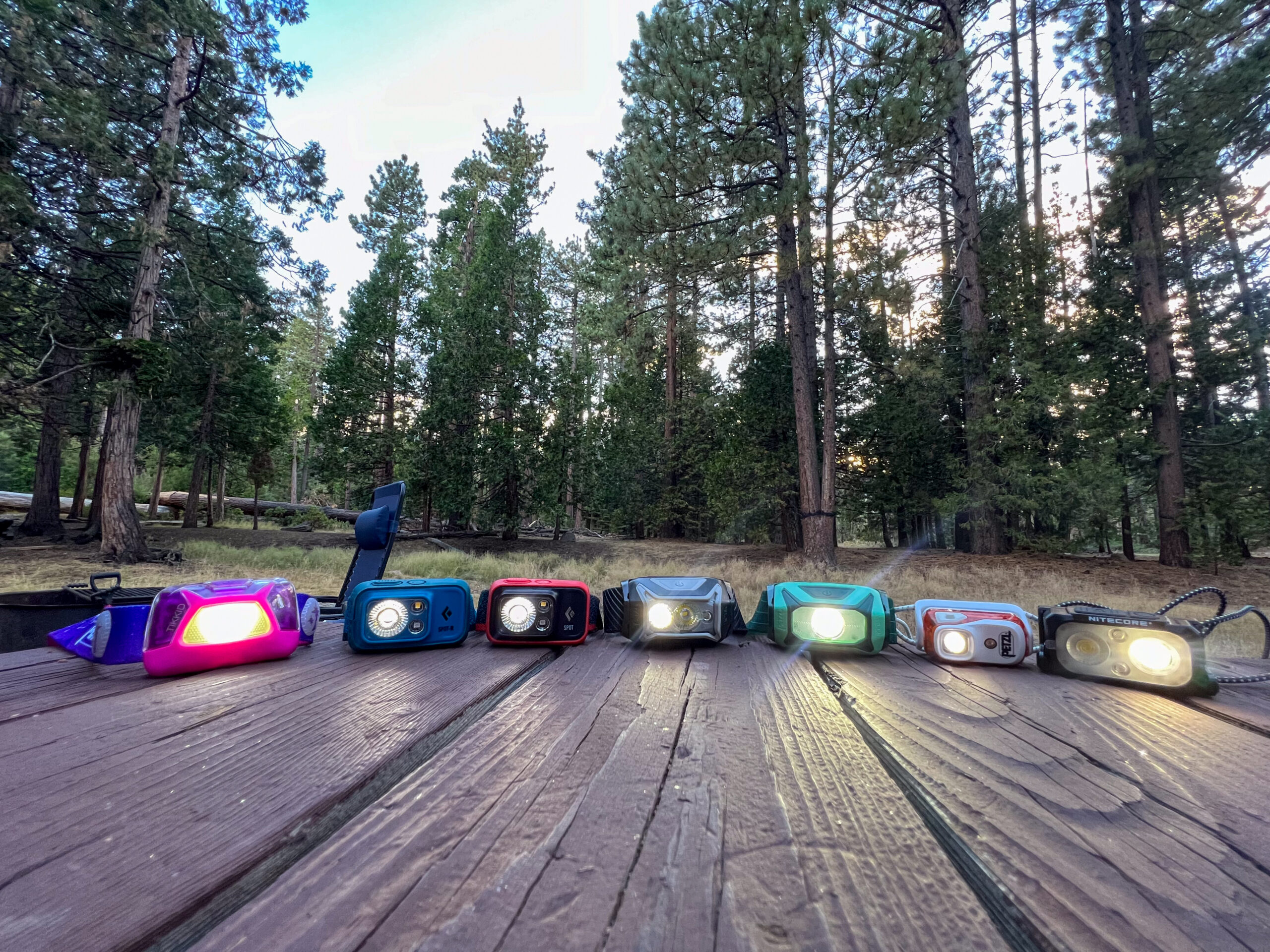
| Headlamp | Black Diamond Spot 400-R | 3 oz | 2.6 oz |
| Total | 10 lbs | 9.9 lbs |
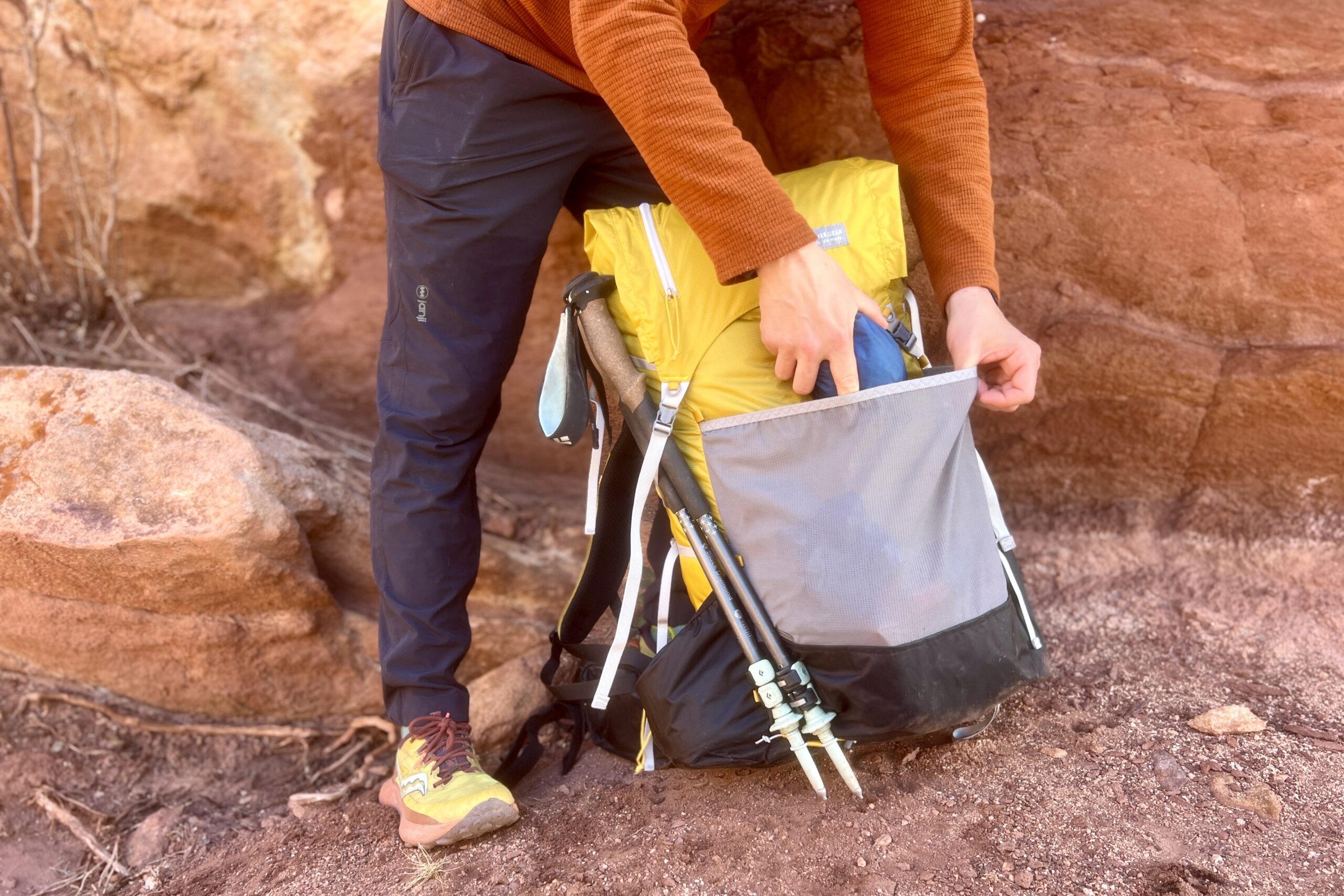
Backpack
Target Weight: 2 lbs
Our Pick: Gossamer Gear Gorilla 50 (1 lb 15.9 oz)
Most of the packs in our guide to ultralight backpacks have one thing in common: simplicity. After using dozens of different packs over the years, we’ve found that features like extra pockets and a heavily engineered frame add weight and usually aren’t necessary if you’re sticking to a UL packing list.
We’ve carried the Gorilla for 8,000 miles of backpacking, and it has yet to let us down. It’s light, comfortable, and big enough to carry all of your gear.
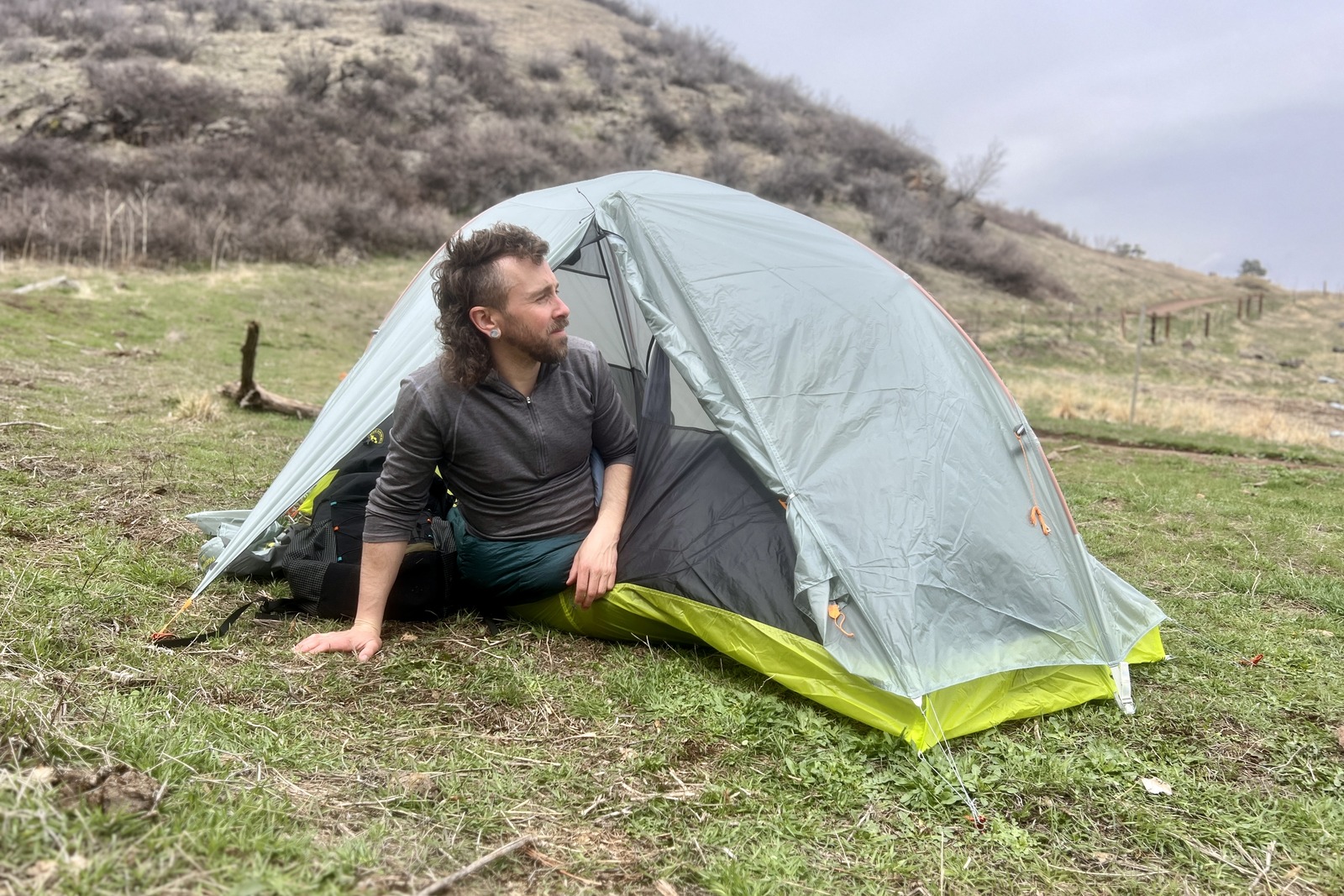
Tent
Target Weight: 2 lbs
Our Pick: Big Agnes Tiger Wall UL1 (2 lbs 2 oz)
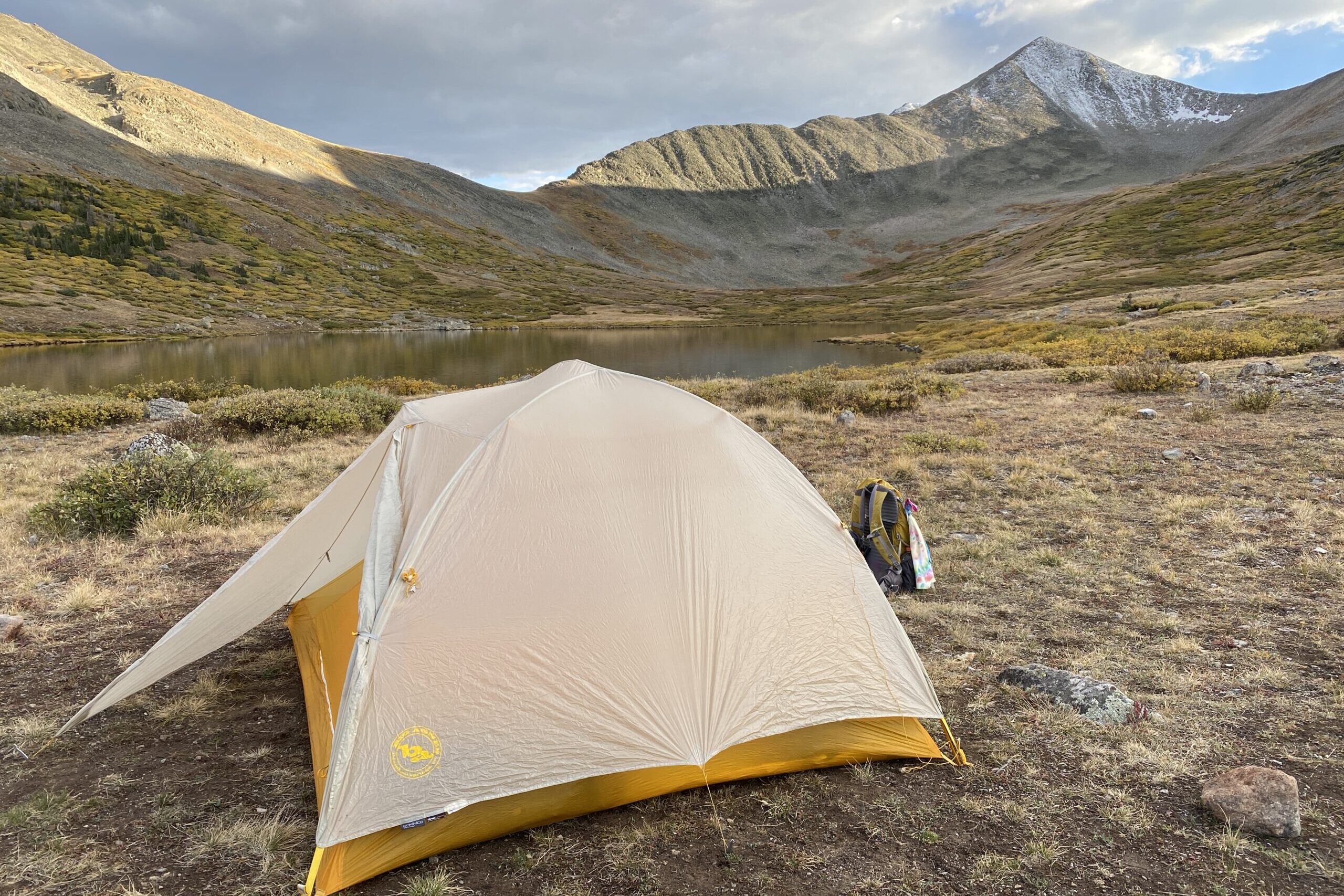
When it comes to ultralight shelters, we stick with a double-wall tent. That’s definitely not the most effective way to shed weight – single-wall, trekking pole tents are lighter. But they are also finicky, have a steep learning curve, and their single-wall design encourages condensation to form on the underside.
We’ve backpacked with the Tiger Wall for 10,000 miles, most recently for 500 miles on the GR11 in Spain. It kept us dry, cozy, and protected from bugs. Campsites were hard to come by on that trail as well, so the freestanding design allowed us to set up in less-than-ideal conditions.
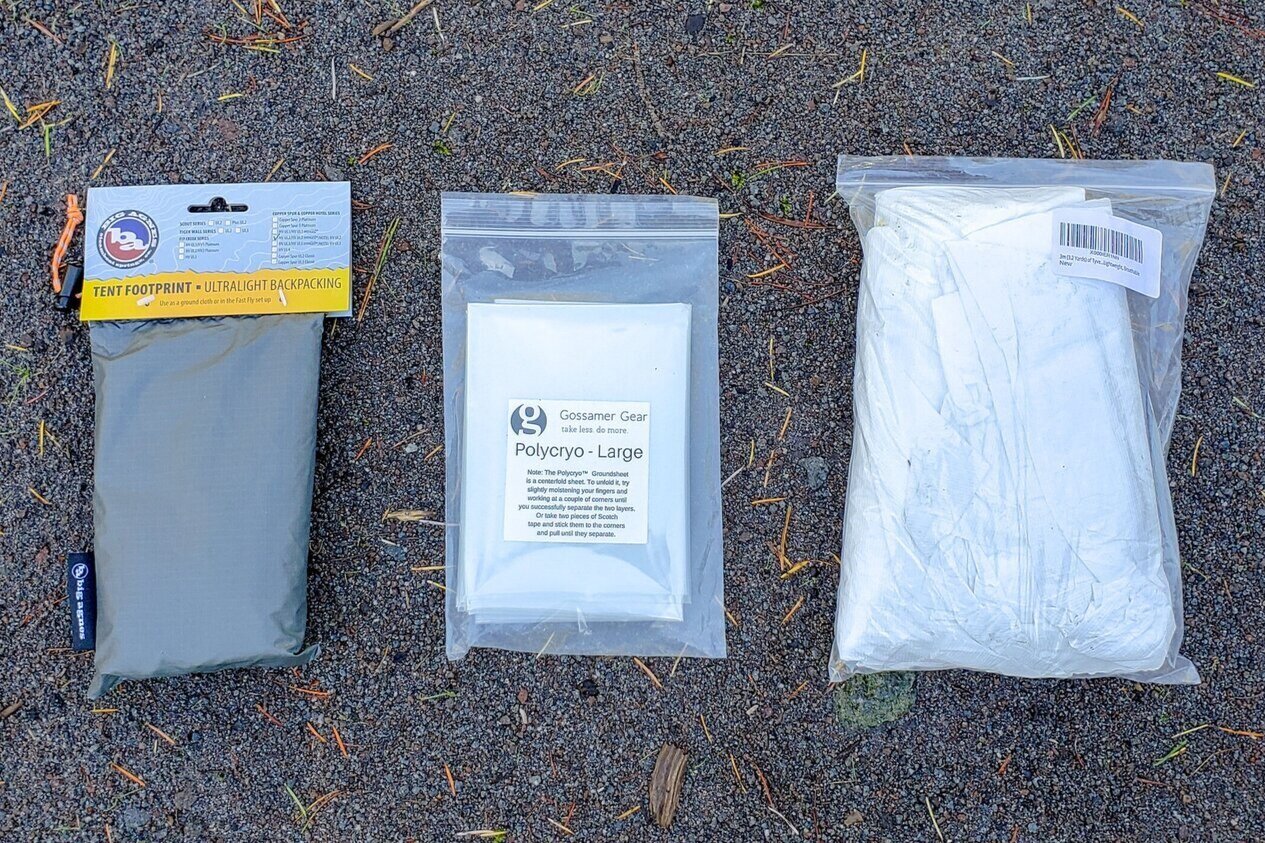
Footprint
Target Weight: 2 oz
Our Pick: Six Moon Designs Polycro Footprint (1.5 oz)
Polycro (or polycryo) is a super thin, lightweight plastic commonly used for seasonal window insulation. It is also a go-to groundcloth material for ultralight backpackers. It’s delicate for sure, but this 1.5-ounce sheet will keep you dry if your tent floor soaks through.
Sleeping Pad
Target Weight: 1 lb
Our Pick: Therm-a-Rest NeoAir Xlite (13 oz)
Some people like the durability of a closed-cell foam sleeping pad, but we’ll choose an inflatable backpacking sleeping pad every time.
The NeoAir Xlite is a tried-and-true, thru-hiker-tested option. Its 4.5 R-value provides enough insulation to keep you warm in spring, summer, and fall, and its 3-inch thickness prevents bottoming out.
Sleeping Bag
Target Weight: 2 lbs
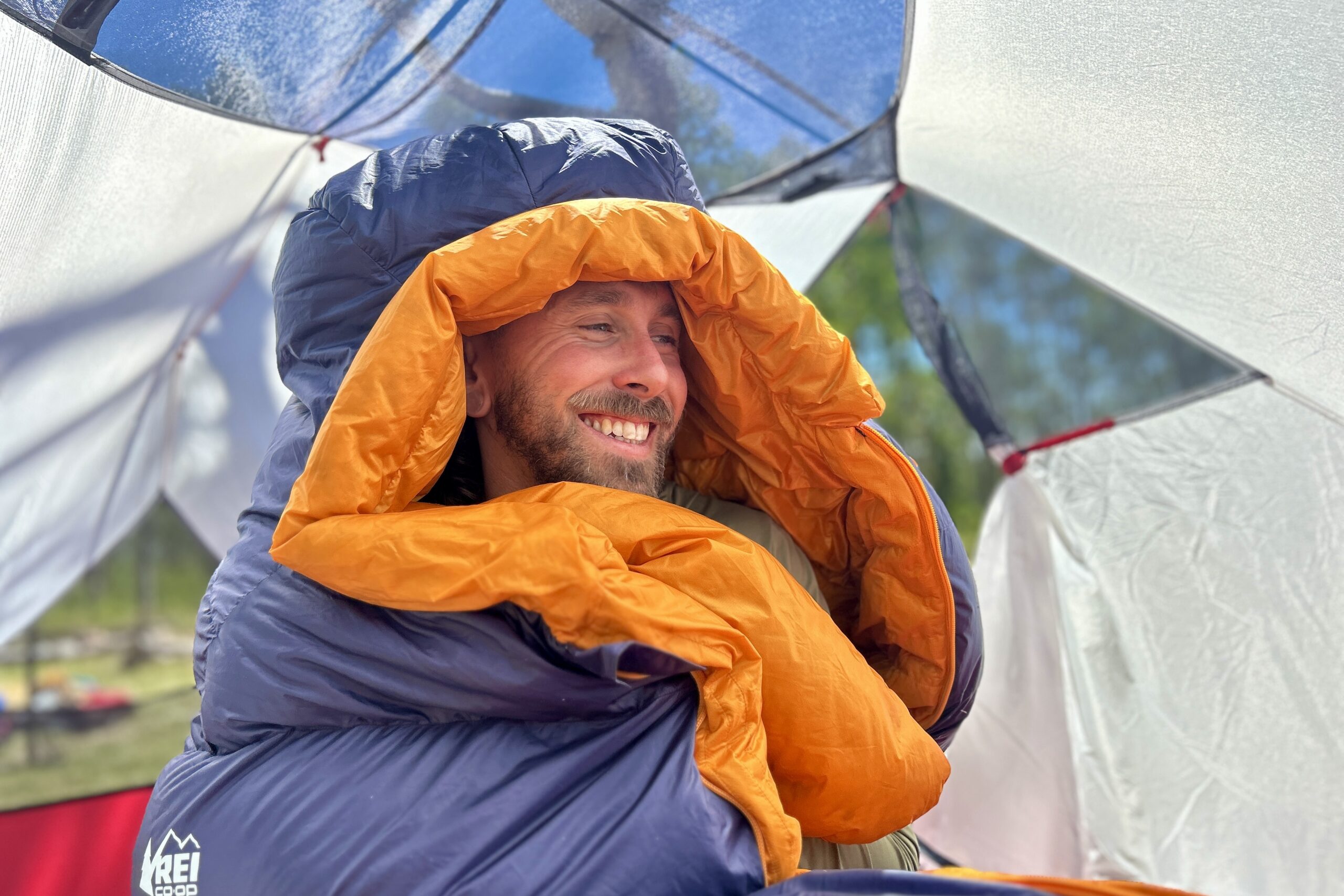
Our Pick: REI Magma 30 (1 lb 8.4 oz)
A lightweight sleeping bag is one of the most effective (and costly) ways to cut down on pack weight. Bags filled with down are significantly lighter than synthetic insulation, and higher-quality down makes for an exceptional warmth-to-weight ratio. Look for a fill power of 800 or above for a seriously lightweight and warm bag.
You would be hard-pressed to find a sleeping bag with more overall value than the Magma 30. We thru-hiked the Colorado Trail (multiple times) with this bag and we are thrilled with its performance. There are plenty of quilts that are even lighter weight, but this is a true sleeping bag, so you can really snuggle into it.
Pillow
Target Weight: 3 oz
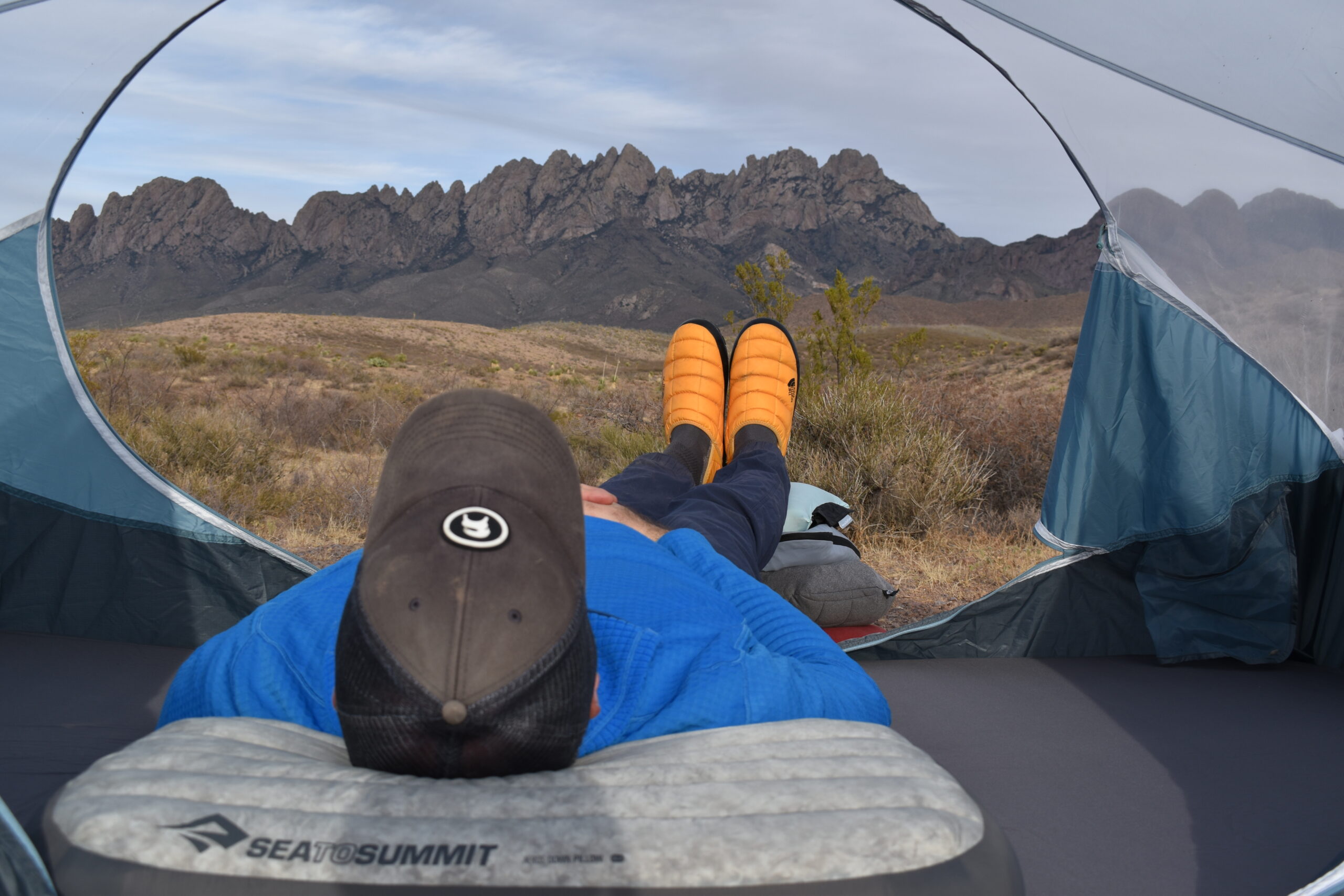
Our Pick: Sea to Summit Aeros Down Pillow (2.5 oz)
True UL hawks may turn their noses at the mere mention of it, but we know that a good camping pillow can be an absolutely essential piece of gear for some.
At just 2.5 ounces, you’ll hardly feel the Aeros Down in your pack, but you’ll certainly feel it when it’s time to get horizontal.
Stove
Target Weight: 4 oz
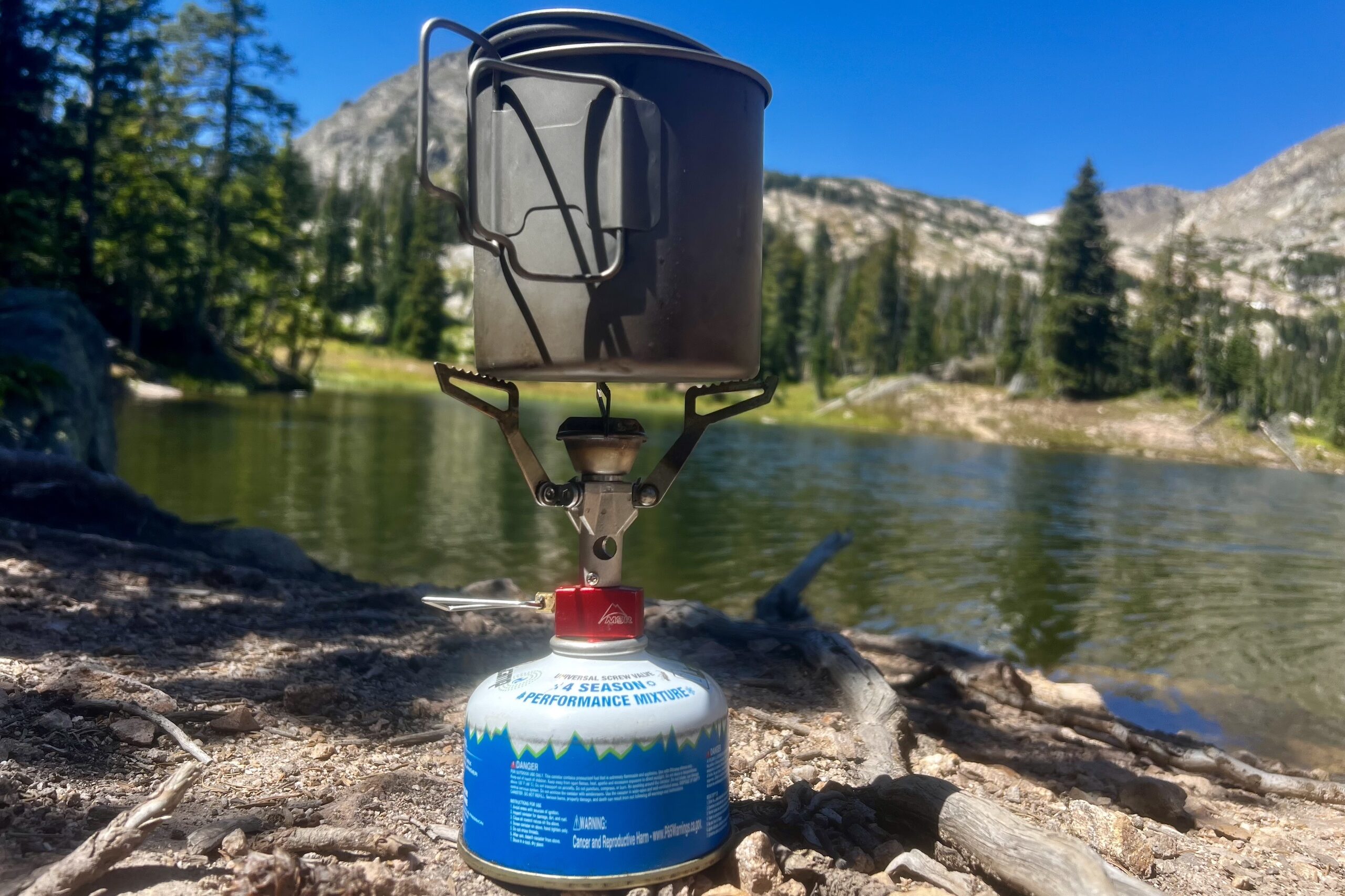
Our Pick: MSR PocketRocket 2 (2.6 oz)
We rarely need a stove that can do more than boil water. The main things we look for (apart from weight) are windproofness, sturdy arms, and an efficient burn. There are more powerful backpacking stoves that have better simmer control and ignition switches, but we mostly care about getting water hot, fast.
The PocketRocket 2 is one of our favorites, and we’ve taken it on 12,000 miles of backcountry trails, including the CDT and PCT. After 900 meals, we know the PR2 boils water quickly, is stable, and packs down small enough to fit the stove and a small fuel canister in your pot. We’re big fans.
Cookset
Target Weight: 5 oz
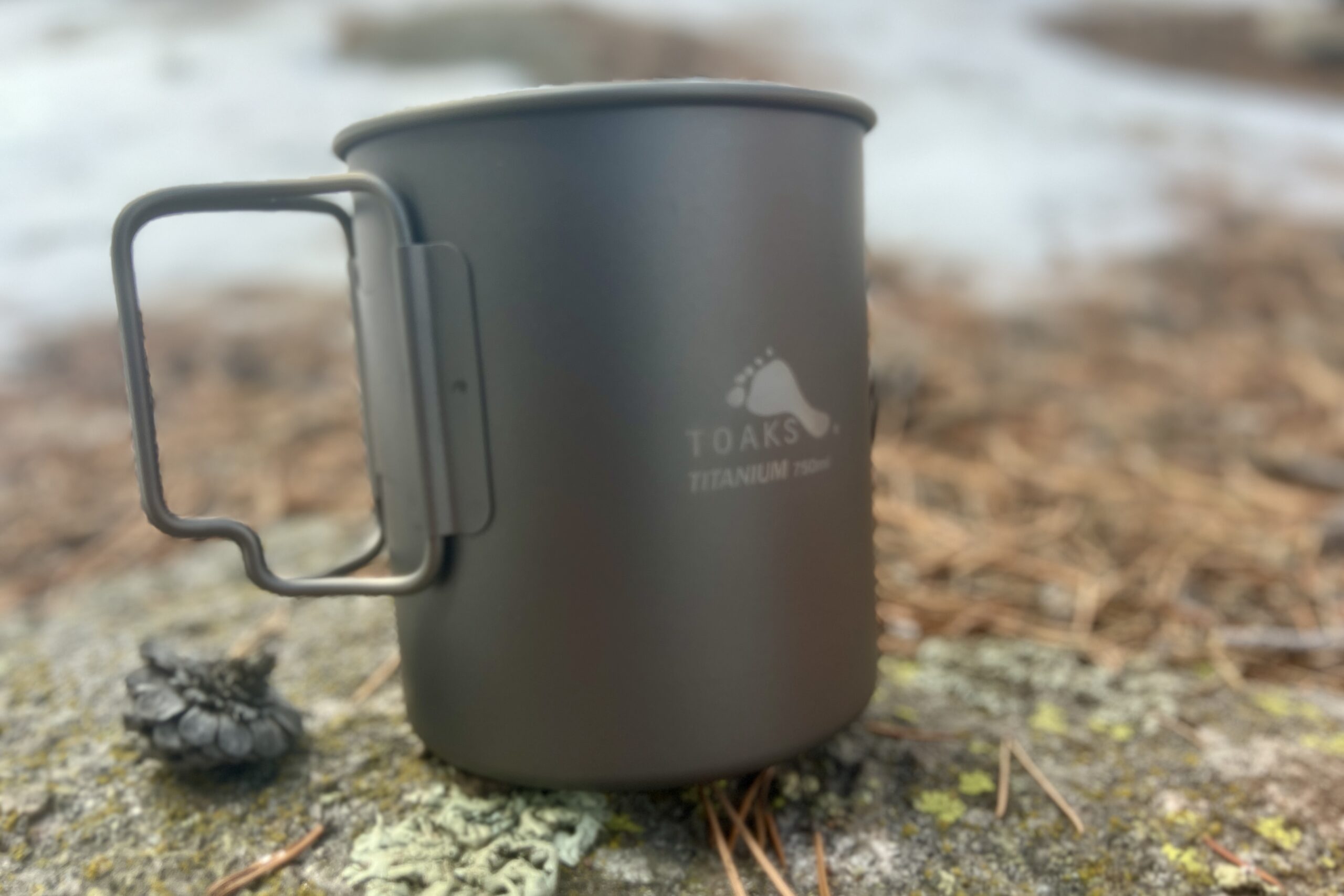
Our Pick: Toaks Titanium 750mL (4.1 oz)
We like to keep our backpacking cookset simple – a single pot with a handle and a decent strainer lid. Look for something titanium for the maximum weight savings (aluminum will do as well). We’ve found 750mL is a great volume to aim for – large enough for one person, passable for a pair.
The Toaks Titanium 750mL has been our trusty companion for thousands of miles. It hardly weighs anything and is fairly affordable.
Utensil
Target Weight: < 1 oz
Our Pick: Toaks Titanium Long Handle Spoon (0.8 oz)
The lightest backpacking utensils are going to be those made from titanium or plastic. We just take one utensil to do it all. We strongly recommend a long handle option to avoid burns and to scrape the last bits out of the bottom of a dehydrated meal pouch.
We’re big fans of the long handle spoon for reaching to the bottom of backpacking meals without getting your hands dirty.
Water Filter
Target Weight: 3 oz
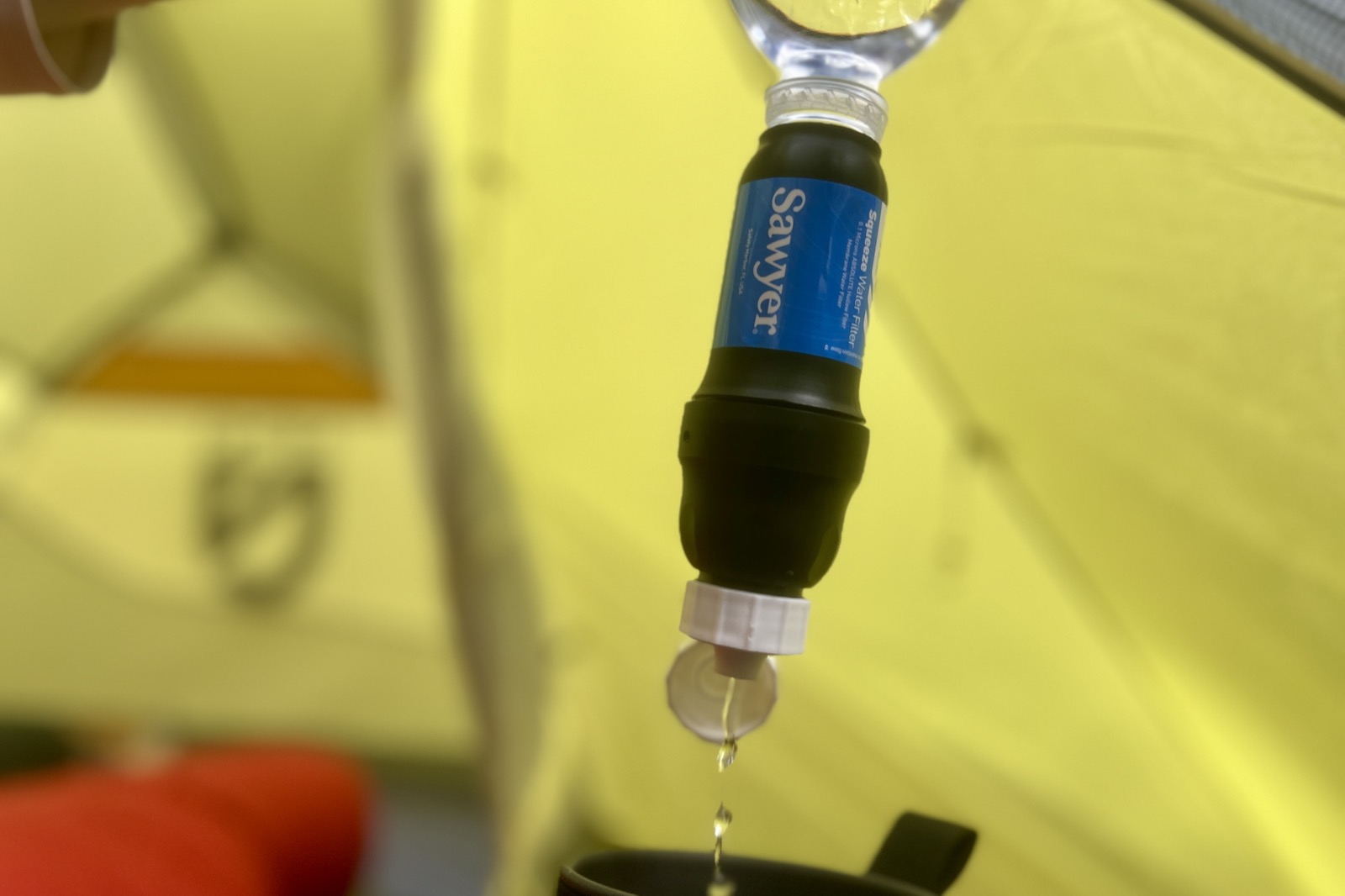
Our Pick: Sawyer Squeeze (3 oz)
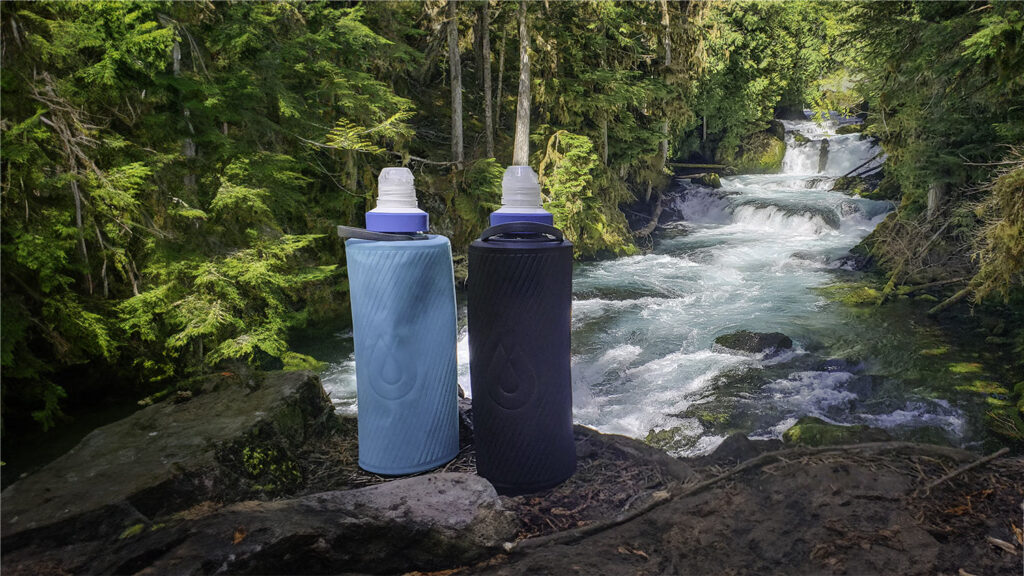
There are lots of types of water filters, but squeeze filters are by far our favorite due to their simplicity, light weight, and availability. Anything with a pore size of 0.2 microns or less should take care of water borne bacteria. (If you will be in an area with viral water contaminants, you’ll want to bring along a chemical treatment as well.)
Pair the Sawyer Squeeze with a Smartwater bottle, or any reusable bottle with the same thread pattern, and you’ve got an ultralight filtration system that will last for years. We prefer the original Squeeze over the Sawyer Mini for trips with moderately silty water – it gets clogged less easily.
Rain Jacket
Target Weight: 10 oz
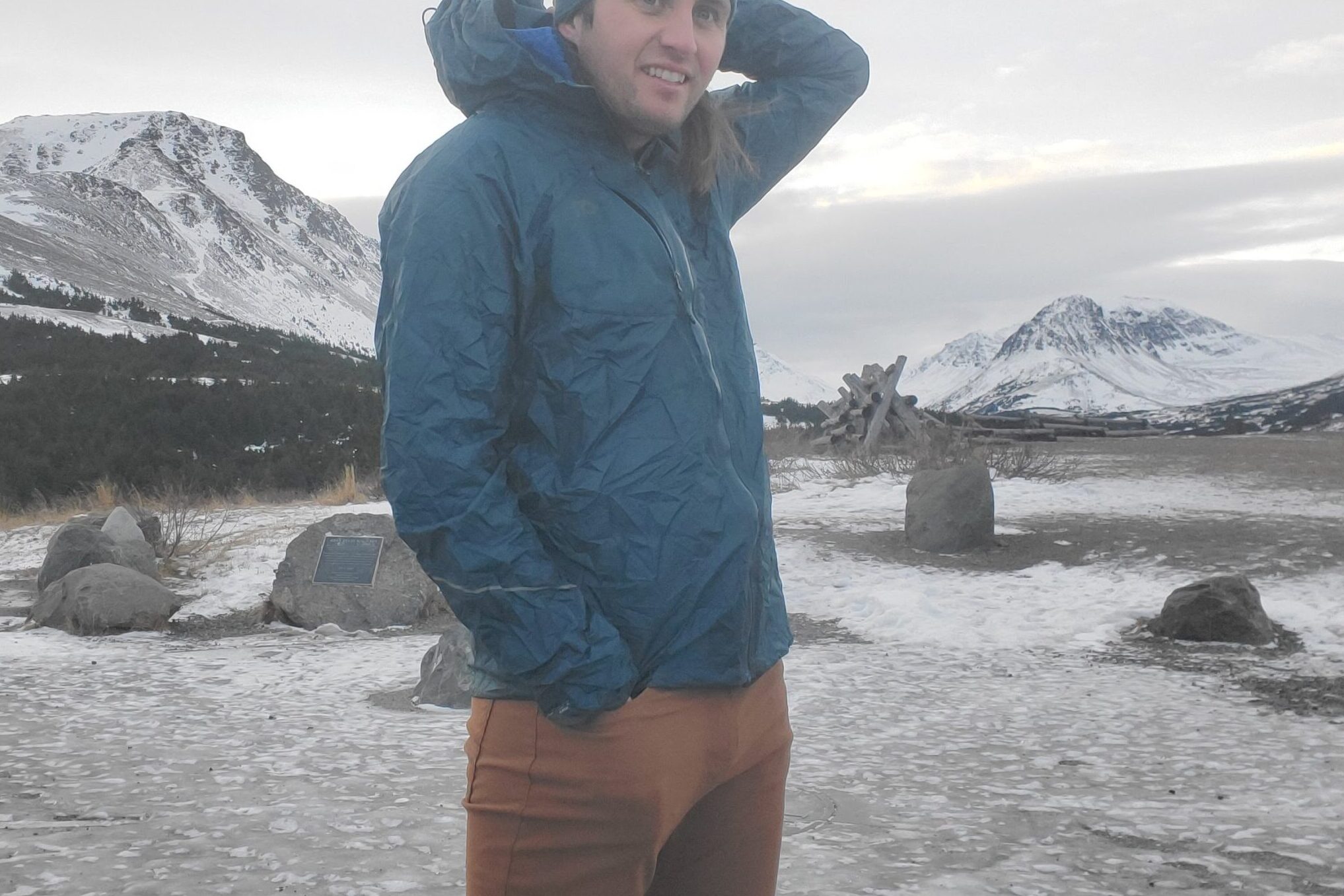
Our Pick: Outdoor Research Helium (7 oz)
Always pack for the climate and weather you are backpacking in. Hiking in the arid mountain west, you can often get away with a lightweight 2- or 2.5-layer rain jacket. If you will be in consistently soggy conditions, like in the northeast or pacific northwest, go for a heavier duty 3-layer model and consider rain pants as well.
The Helium (men’s / women’s) has been our rain jacket of choice on the Colorado Trail, CDT, and PCT. It is super light weight and comes with just the right minimalist features to keep you dry and comfortable in scattered showers.
Rain Pants
Target Weight: 5 oz
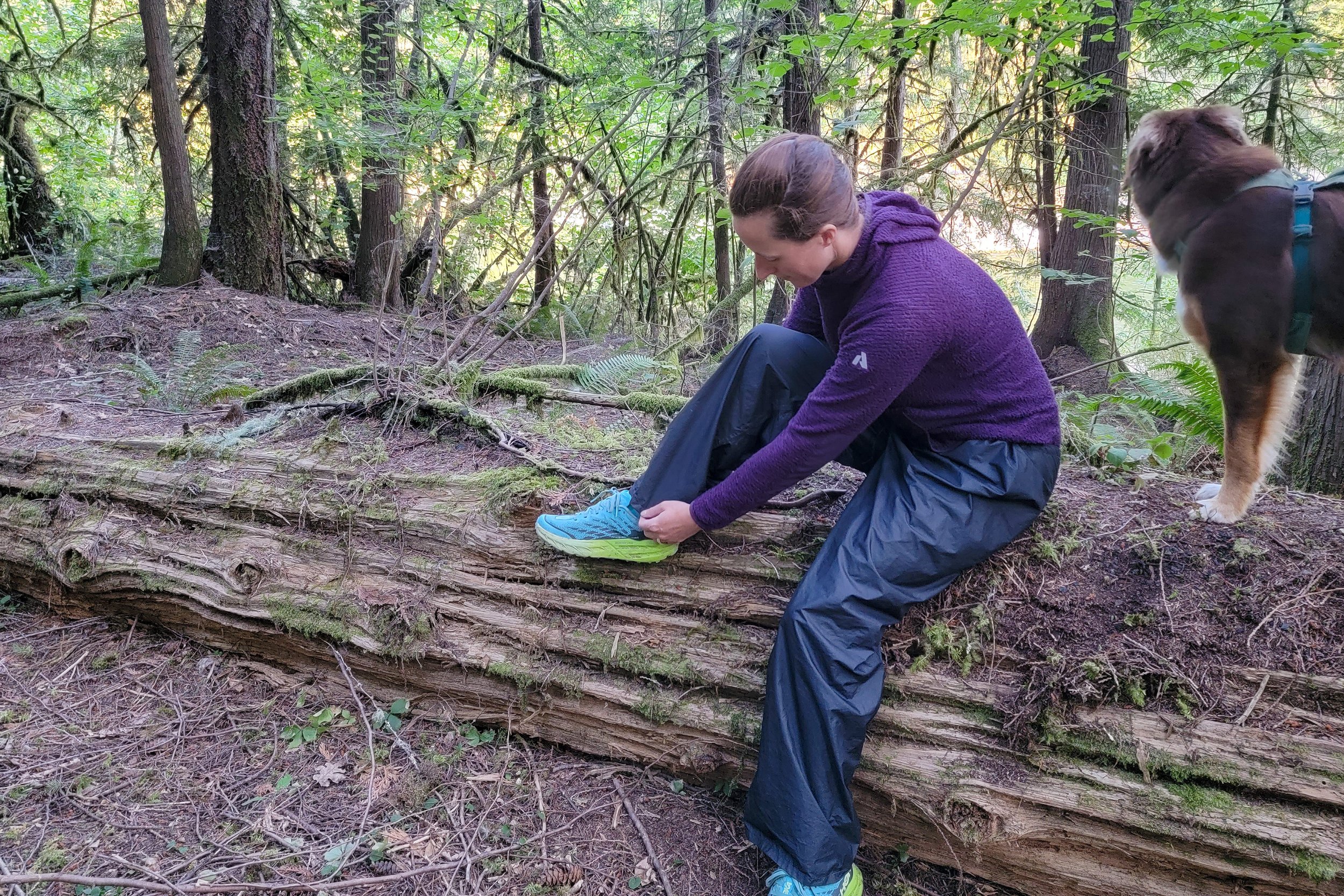
Our Pick: Zpacks Vertice (2.5 oz)
There have been plenty of arid-climate trips where we left the rain pants at home. Keeping your legs dry is generally less of a safety concern than making sure your core is warm. For trips where we do take pants, we keep it lightweight.
Base Layer
Target Weight: 6 oz
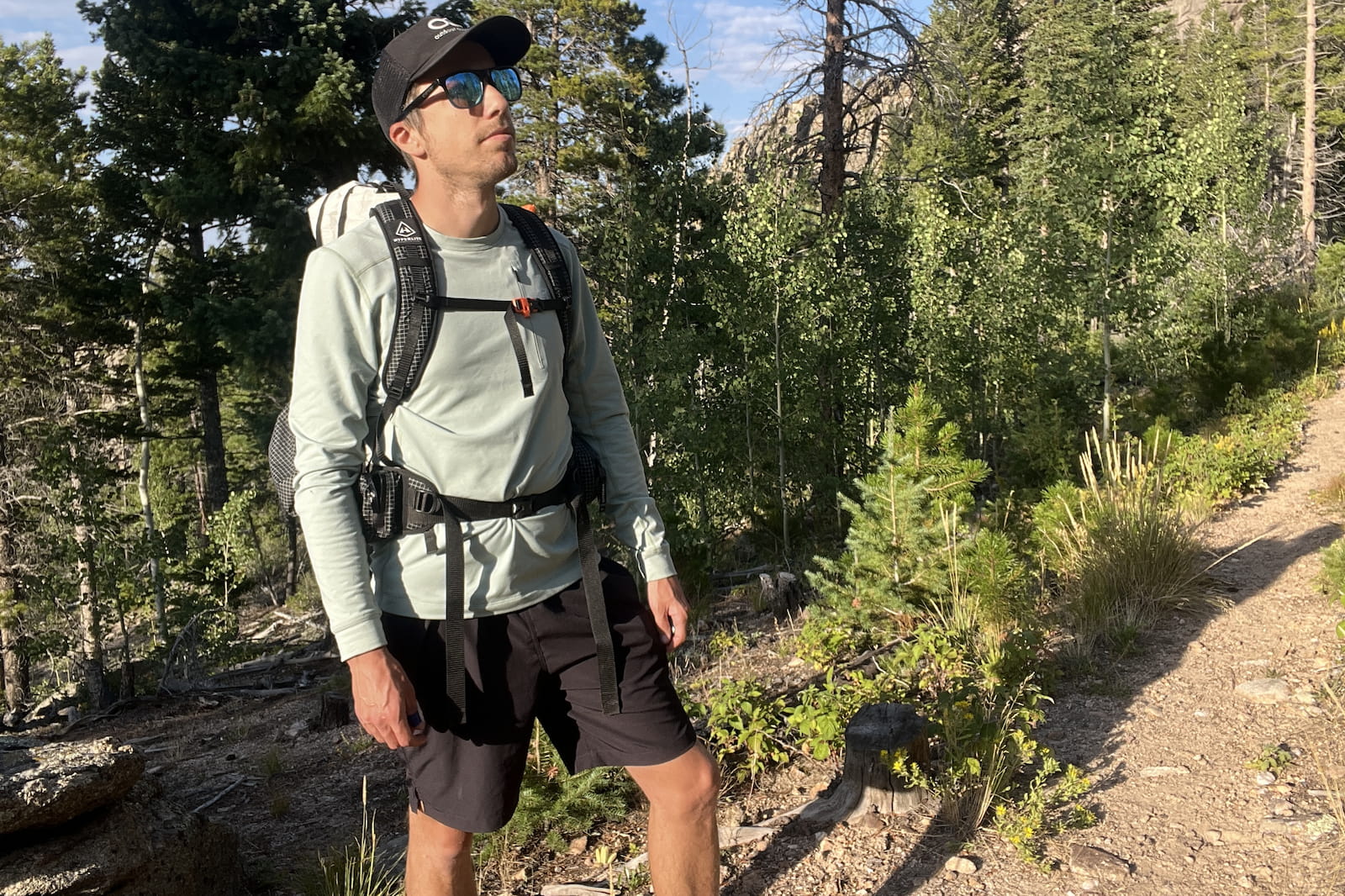
Our Pick: Arc’Teryx Rho LT Crew (5.6 oz)
Layering is essential to successfully regulating your body temperature in the backcountry. At a minimum, we always bring an extra pair of socks, a base layer, and a down jacket. On chillier trips, we’ll also pack a fleece or synthetic mid-layer.
The Arc’Teryx Rho LT Crew (men’s / women’s) top has an incredible warmth-to-weight ratio and is super cozy.
Fleece Mid Layer
Target Weight: 7 oz
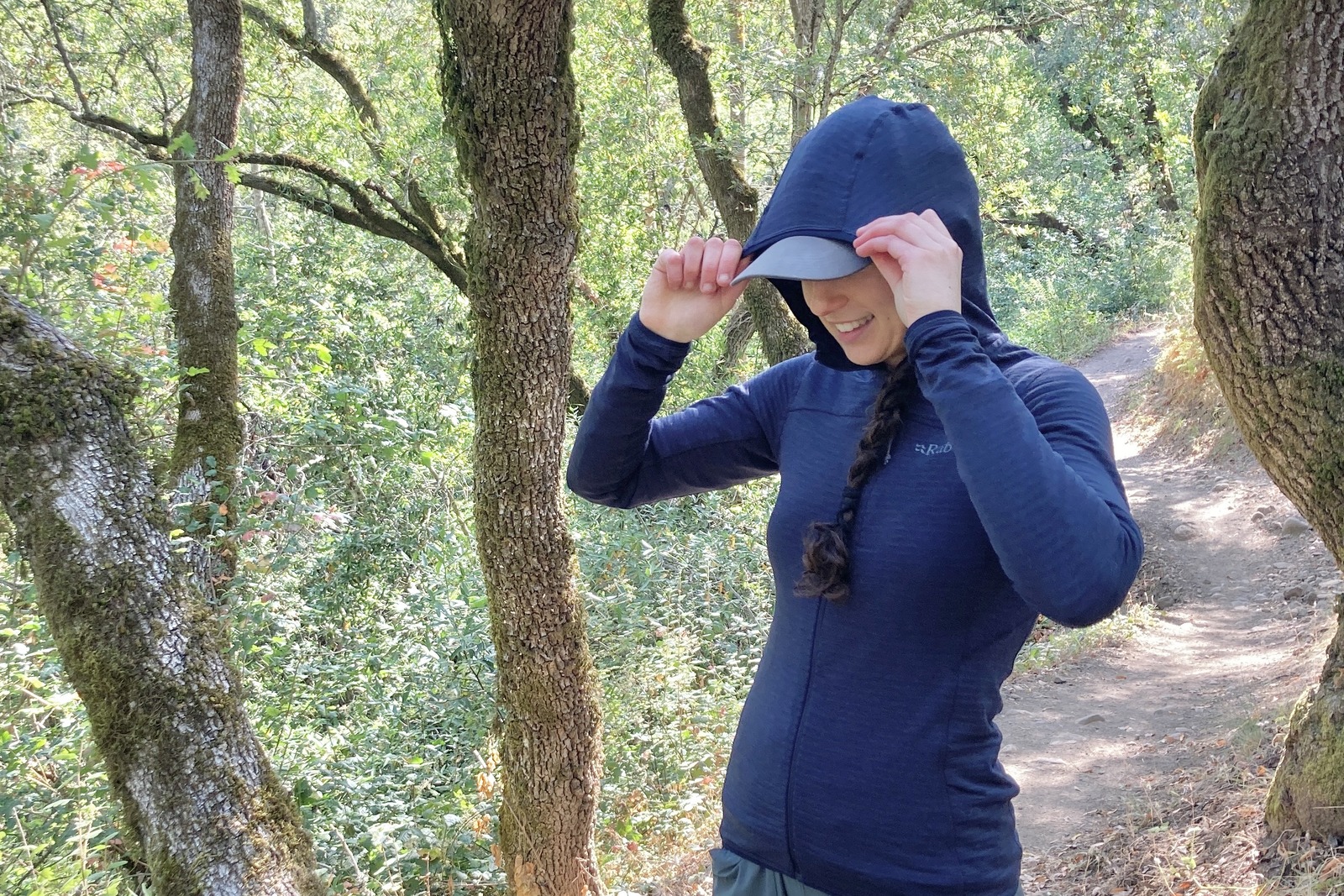
Our Pick: Rab Ascendor Light Hoody (6.8 oz)
Most sub 10-pound gear lists will omit a mid layer, and honestly, we only bring one on especially chilly three-season trips. The Ascendor Hoody (men’s / women’s) is light enough and small enough though that we happily pack it when we want to be on the safe side.
Down Jacket
Target Weight: 9 oz
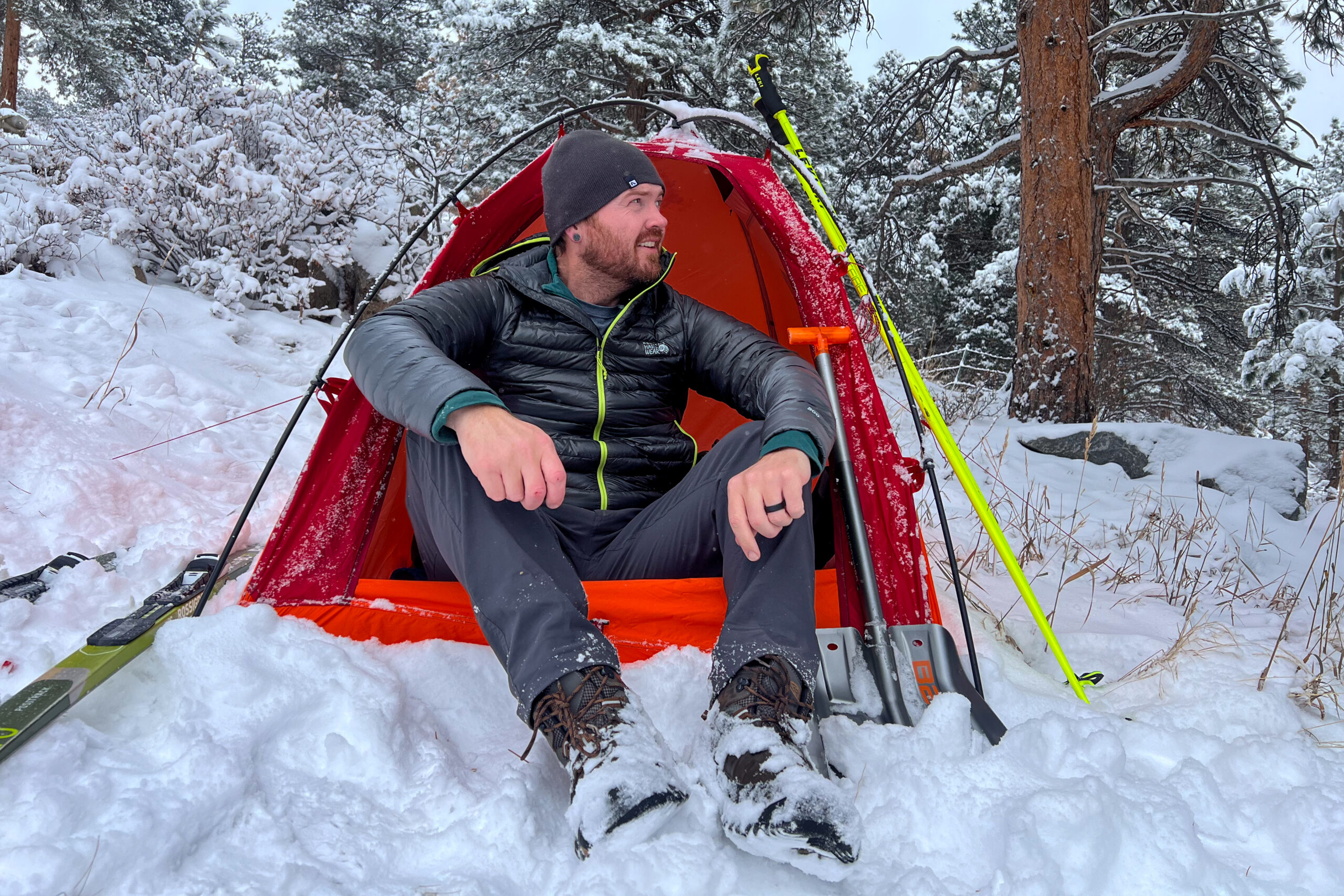
Our Pick: Mountain Hardware Ghost Whisperer Down Jacket (8.8 oz)
The Ghost Whisperer (men’s / women’s) has the highest warmth-to-weight ratio of any of our favorite down jackets, and is a go-to for many thru-hikers and fast-packers alike. We’ve hiked with some version of it for over 12,000 miles, including the PCT, CDT, Colorado Trail, and Long Trail.
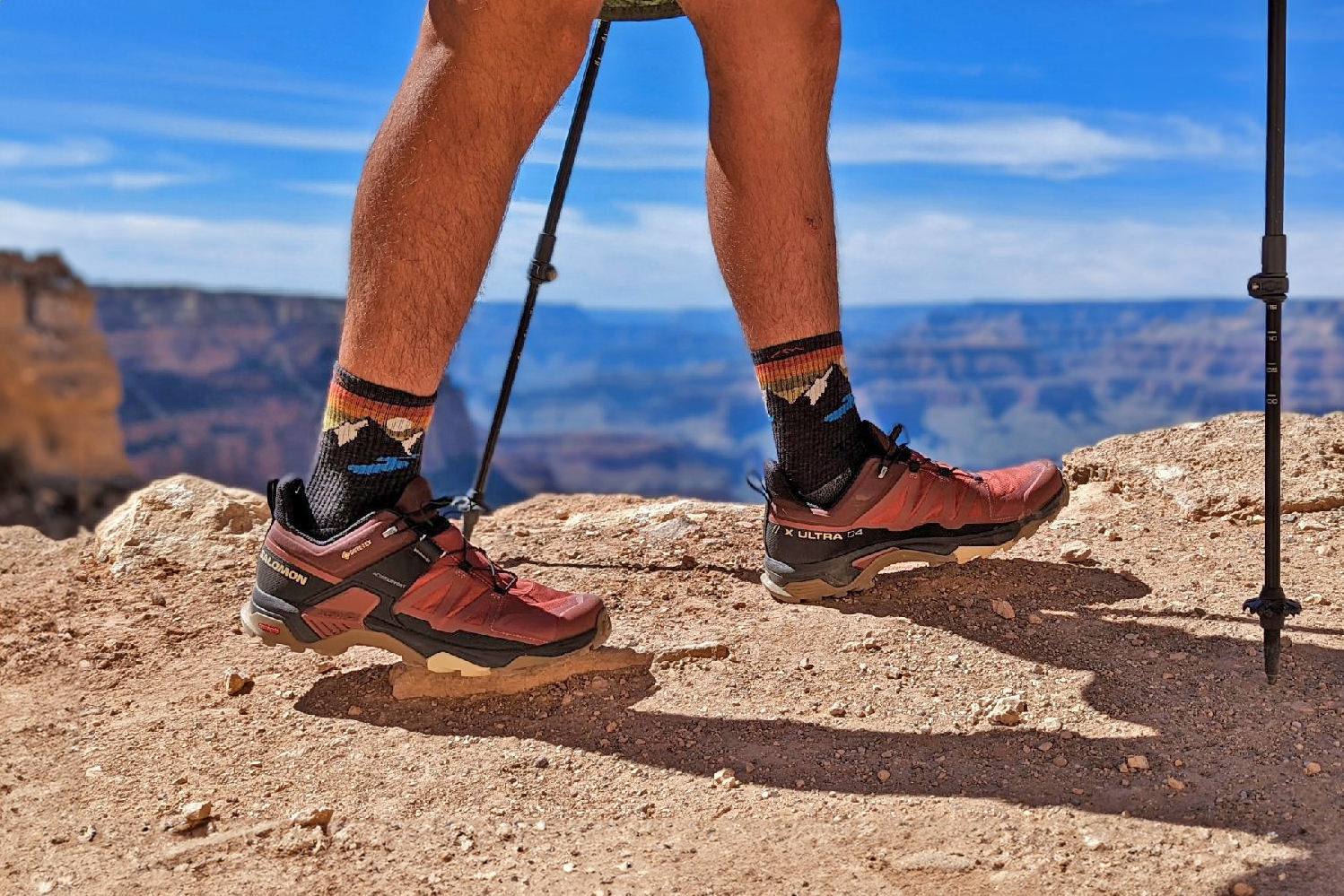
Hiking Socks
Target Weight: 2 oz
Our Pick: Darn Tough Ultralightweight Micro Crew Socks (1.8 oz)
No one likes having wet feet, so don’t forget an extra pair of socks. Our long-time favorites are Darn Tough.
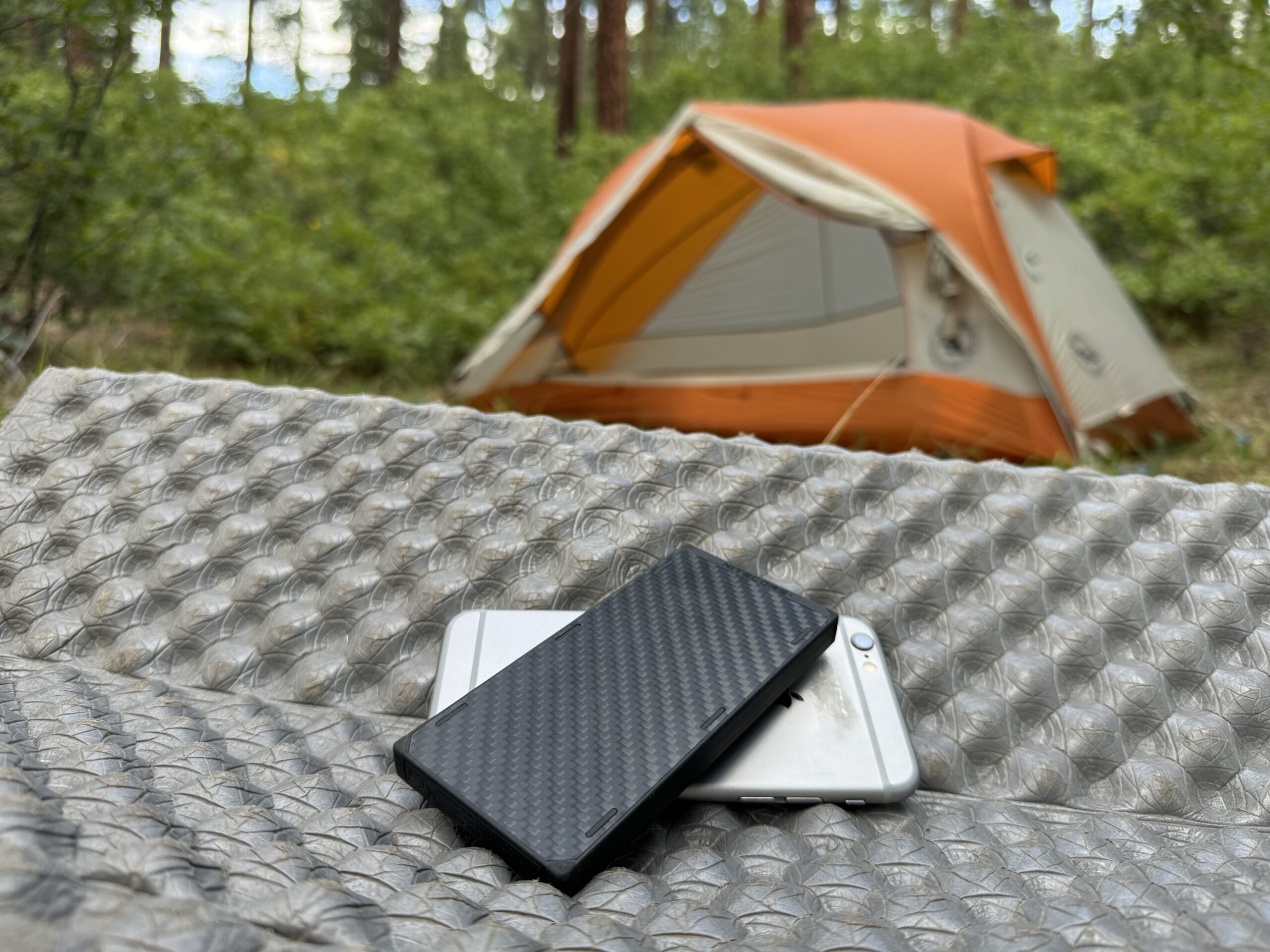
Power Bank
Target Weight: 5 oz
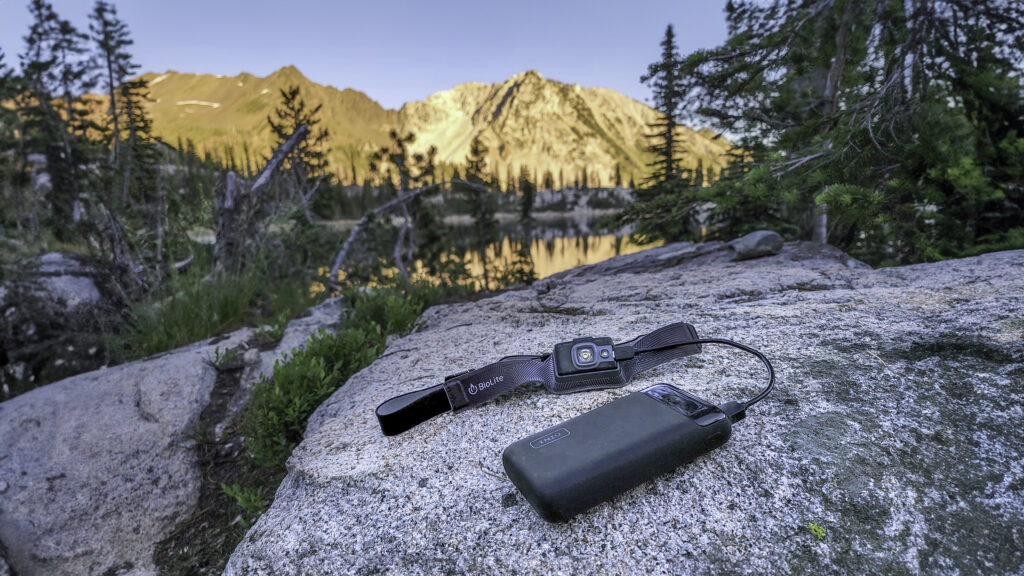
Our Pick: Nitecore NB10000 Gen 3 (5.3 oz)
We are increasingly reliant on electronics for our outdoor adventures. We typically take a smartphone, personal locator beacon (PLB), watch, and rechargeable headlamp. There are huge benefits to this tech, but it does also necessitate keeping everything charged up.
You should never rely exclusively on electronics for the success and safety of a trip, but a good power bank can be a lifesaver. We look for a minimum of 10,000 amp hours (good for at least a few full recharges of a typical smartphone).
The Nitcore NB10000 has been our favorite battery bank from the PCT to the Spanish Pyrenees. It’ll recharge most smartphones 3-4 times.
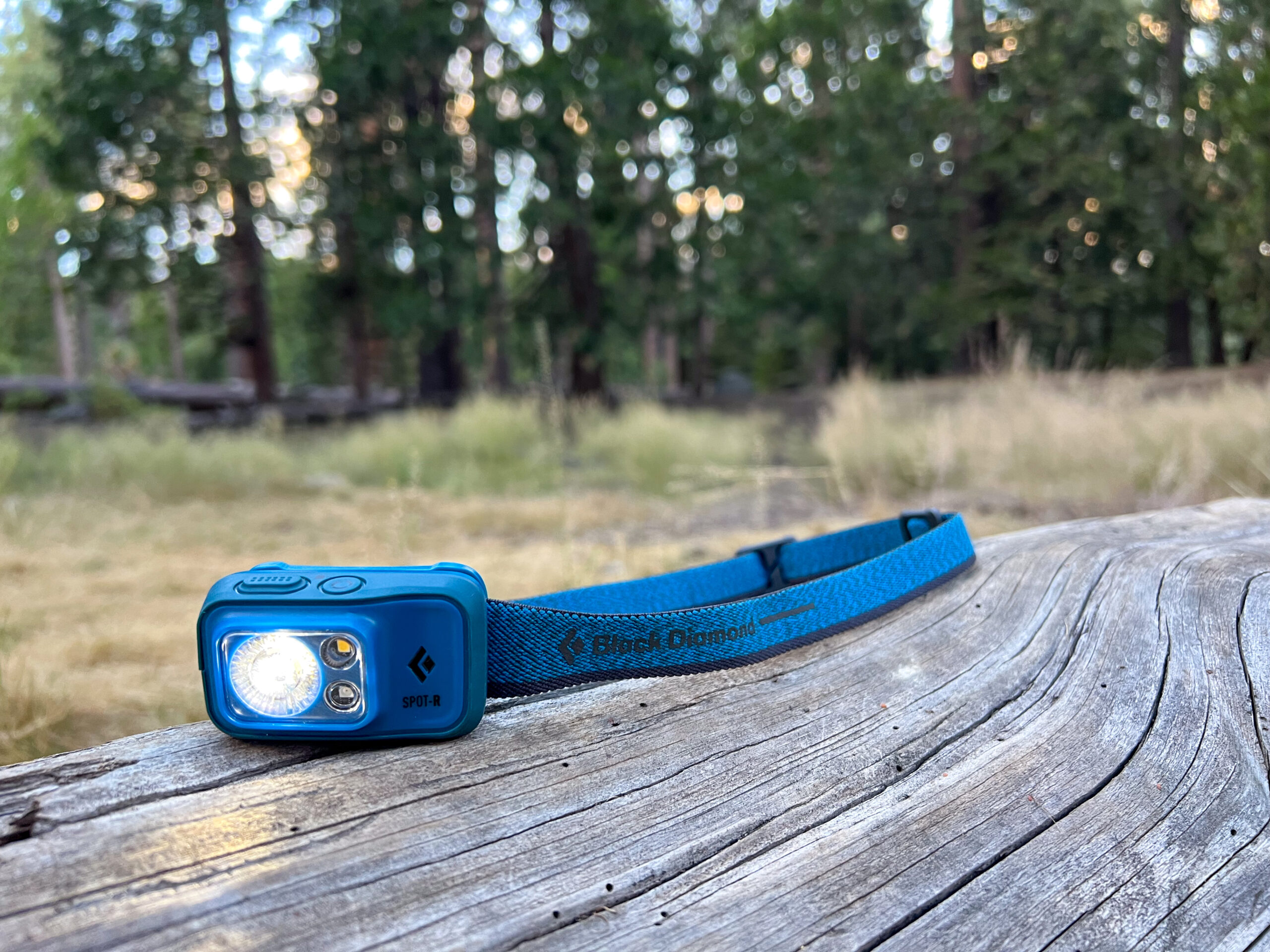
Headlamp
Target Weight: 4 oz
Our Pick: Black Diamond Spot 400-R (2.6 oz)
For a lightweight headlamp, we’ve found 400 lumens tends to be plenty bright. We also like models that have a lock feature, so it doesn’t accidentally turn on in our pack while hiking.
Tried and true, the Spot series always seems to be what we keep going back to as our go-to headlamp.

How to Hike Ultralight
Ultralight gear allows you to move faster and go further. Keeping your pack weight down also reduces the chance of injury by reducing stress on your body.
The downsides? Ultralight gear is more expensive, less durable, and often means sacrificing some in-camp comfort.
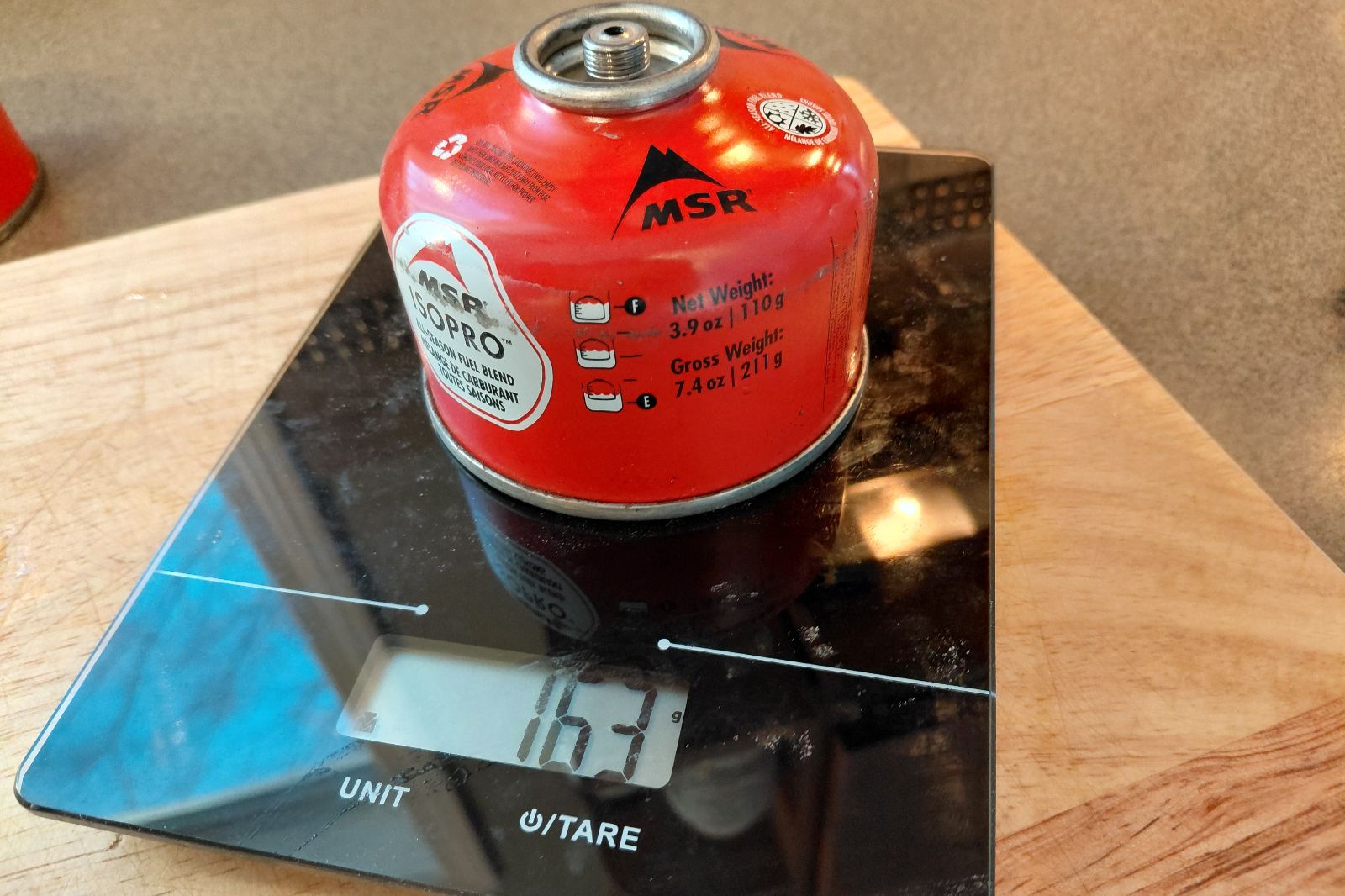
1. Weigh All of Your Gear
We recommend picking up an inexpensive food scale, and if any of your gear is over the target weight, consider upgrading. You can track your items in a spreadsheet, or use an online gear tracking tool.
2. Get Help from the Backpacking Community
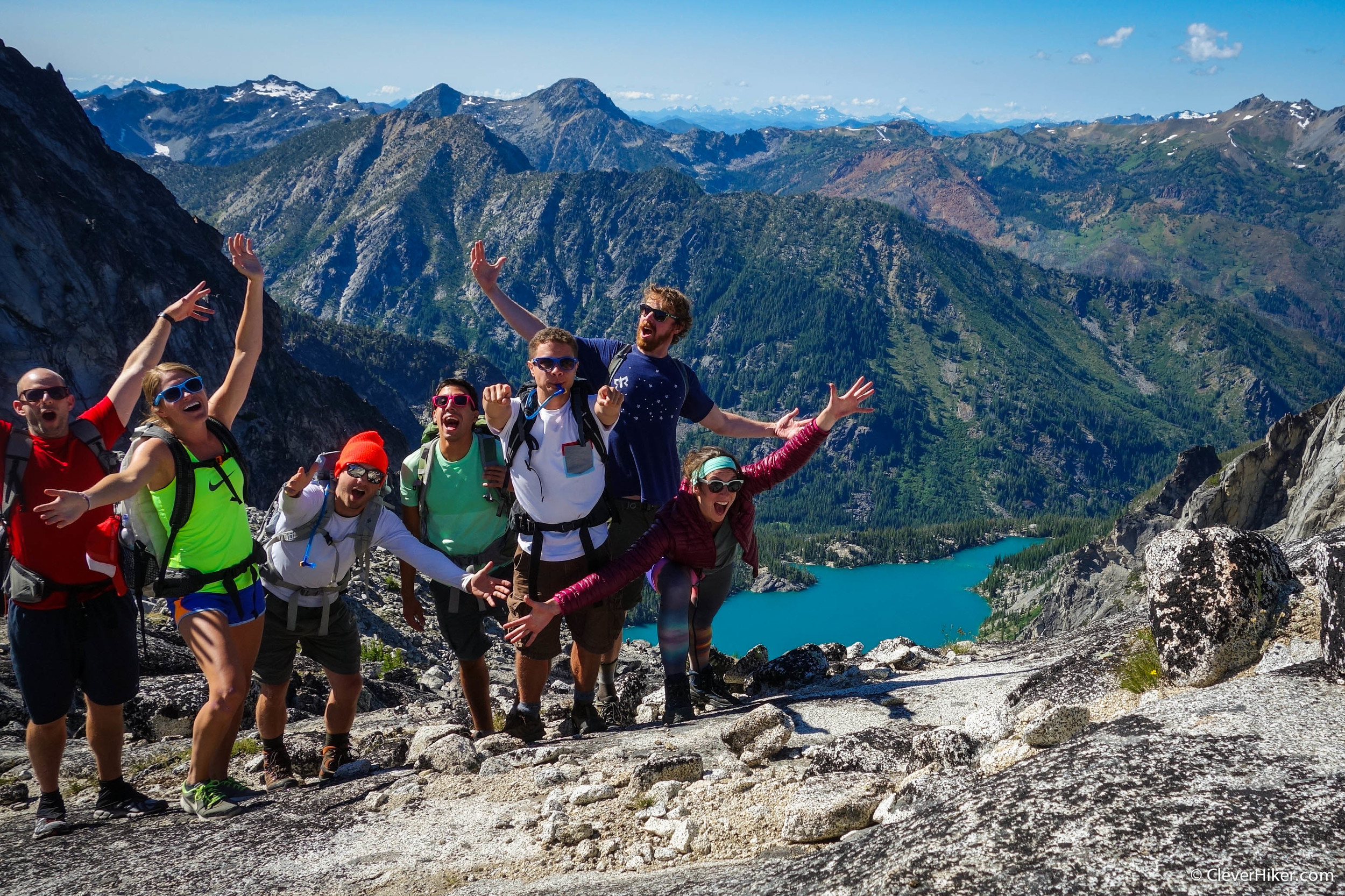
Analyzing your entire kit takes time, and determining what to get instead takes significant effort. Communities like Reddit (r/ultralight), LighterPack, social media, or CleverHiker can help you figure out what you really need and what you don’t, as well as challenge your thinking in a kind, friendly, and fun way.
3. Don’t Pack Your Fears
Beginner backpackers tend to bring extra gear out of fear of ‘running out’ or being caught in bad weather. They’re afraid of being wet, so they pack heavy-duty rain gear and a synthetic sleeping bag. They’re afraid of being cold or dirty, so they pack layer after layer of clothes.
You should always pack gear appropriate to your skill level and the environmental conditions. But don’t let fear or lack of knowledge be your limiting factor. Thoroughly research the conditions and terrain of your trip so you can make informed decisions on what you truly need.
4. Avoid Redundant Gear
You probably only need one utensil, instead of a fork, spoon, and knife. If you can clean off in a lake or river, you only need one set if in-camp clothes (even for multi-week trips).
Ditch gear that you might never use – if you’re bringing a stick of deodorant or a bottle of soap/shampoo, reconsider. Multi-use items can also save significant weight – the clearest example of this is bringing a shelter that uses trekking poles for structure, as opposed to a separate set of dedicated tent poles.
5. Pack the Right Amount
Determine how much of each supply you’ll need for your trip length, and only bring that much. Instead of packing a full tube of toothpaste or sunscreen, squeeze some into a separate container and bring just enough for the trip.
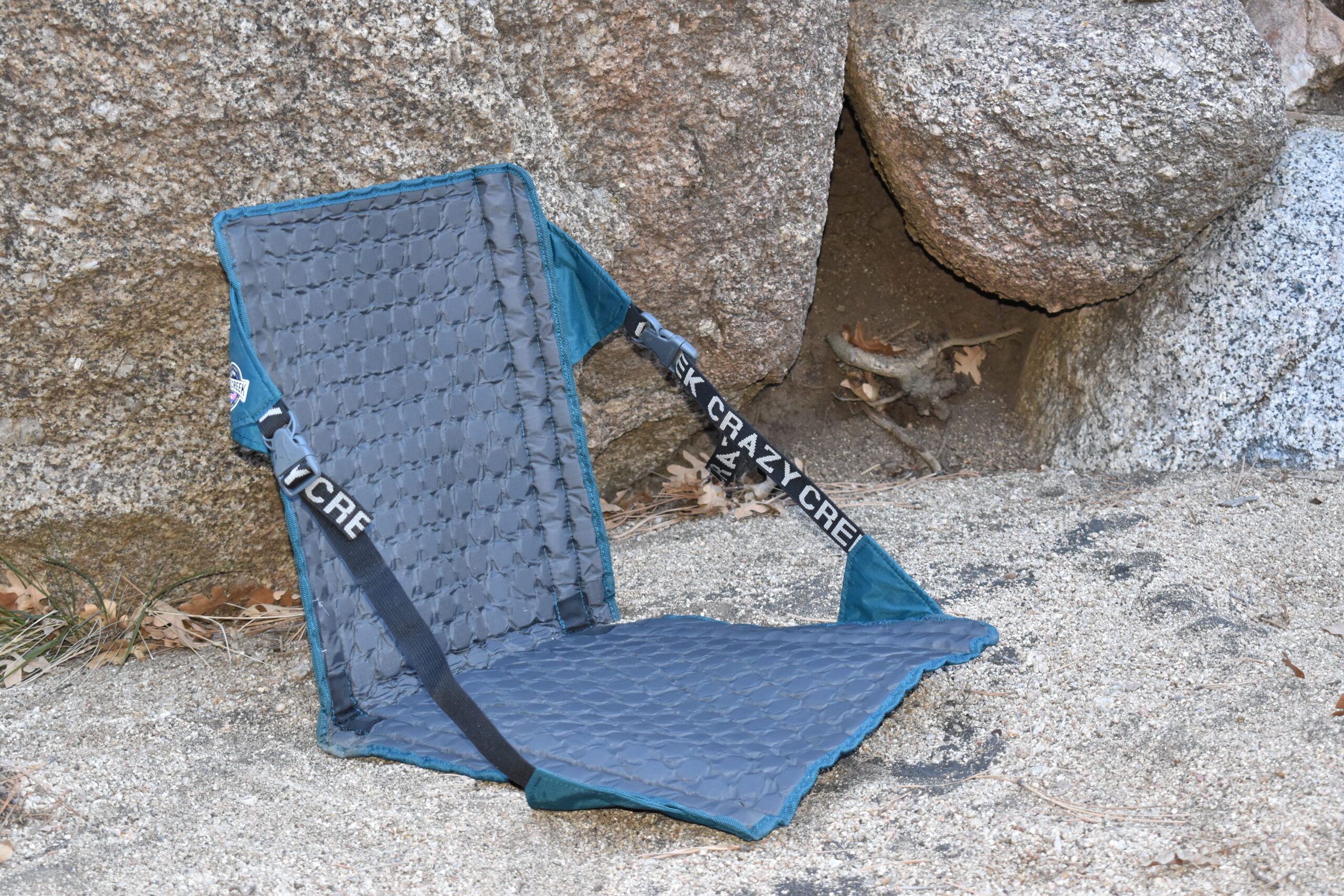
6. Skip Luxury Items
Backpacking inherently requires tradeoffs – you can’t fully reproduce your at-home lifestyle in the backcountry. Some things that we’ve opted to leave behind over the years are camp shoes/sandals, large toiletries (we typically keep it to toothbrush, toothpaste, chapstick, and face wipes cut in half), extra electronics (typically we have a smartphone, PLB device, watch, headlamp, and power bank), and bulky cookware (we eat out of the same pot we cook in).
Do a shakedown (i.e. a one-night trial run) on your favorite trail and leave a few luxury items behind to see if you can really live without them.
Conclusion
Some backpackers genuinely enjoy the intellectual and engineering challenge of making a kit as light as possible. However, we love it because it protects your body so you can get the most enjoyment out of backpacking. We advocate for ultralight comfort – cut everything unnecessary while staying safe and comfortable enough, and we hope this list helps you do that. Happy trails!