
Bottom Line
The Exped DeepSleep 20F is an unusually focused choice for cold sleepers who camp beside their vehicle. Marion Tucker stayed comfortable in the low 30s with light layers, aided by dense synthetic fill, an insulated underside, snug hood, snap-closed collar, and a dedicated foot-warmer pocket. Those features make it particularly effective on cold shoulder-season nights.
Its severe lower taper leaves little room to move, and the bag becomes stifling when conditions warm: our tester had to switch bags on a low-50s March night. At about four pounds, it’s also too bulky for serious backpacking. Choose it for cold, stationary camps rather than summer travel or active side sleeping. Explore our other best camping sleeping bags.
How We Tested
Marion Tucker tested the DeepSleep on cold car-camping nights in the low 30s and on an unusually warm March night in the low 50s. The contrast exposed how well its insulated collar, cinchable hood, dense synthetic fill, and narrow mummy profile trap heat—and how quickly it becomes uncomfortable as temperatures rise. Testing also covered the foot-warmer pocket, zipper, compressed size, and movement inside the sharply tapered lower section.
Quick Specs
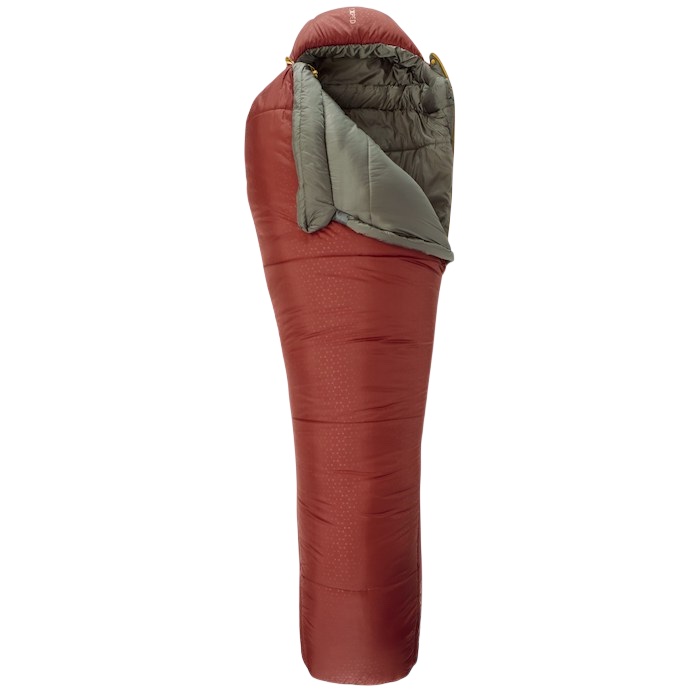
Exped DeepSleep 20F
Best Cold-Weather Sleeping Bag
CleverHiker Rating: 4.2/5.0
Price: $150
Temperature Rating: 20°F
Weight: 4 lb. 0.4 oz.(Medium)
Fill Type: Synthetic
Pros
- Warm in low-30s testing
- Soft, heavily insulated construction
- Effective cinchable hood and draft collar
- Insulated underside limits ground chill
- Foot pocket for a hot-water bottle or warmer
- Accessible price for cold-weather comfort
Cons
- Very narrow cut around the legs
- Uncomfortable on mild nights above about 50°F
- Bulky for backpacking

Comfort
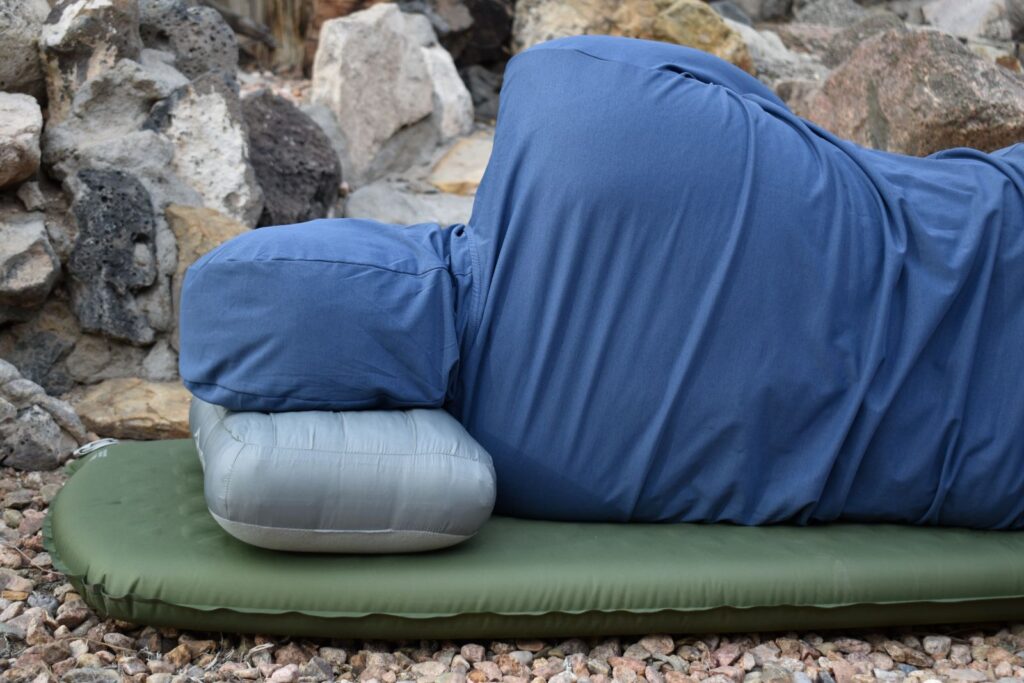
The DeepSleep feels soft and thickly cushioned, with enough padding in its hood that a separate pillow may be unnecessary for some campers. The smooth interior is pleasant against skin, and the heavy synthetic fill creates a reassuring, insulated feel. Its close cut also helps warmth build quickly around the body.
The lower-body taper is severe. We found noticeably less freedom to move our legs than in most mummy bags, making it a poor fit for active side sleepers or people who draw their knees up at night. A camper who sleeps mostly on their back may appreciate that warm cocoon, but anyone prioritizing freedom should try the Teton Sports Celsius or a less aggressively tapered model.
Comfort Score: 3.8 / 5.0

Warmth
Cold-weather performance is the main reason to buy the DeepSleep. Exped lists 20°F as the temperature rating and recommends 32°F for comfort; Marion stayed warm in the low 30s while wearing light layers. A fully insulated underside, adjustable hood, and thick collar that snaps around the neck retain heat where many camping bags lose it.
Extra insulation around the feet and a pocket for hand warmers or a hot-water bottle make it especially useful for cold sleepers. That efficiency becomes a liability in mild weather. On a March night in the low 50s, the bag was uncomfortably hot even when unzipped, and our tester switched to lighter bedding.
Warmth Score: 4.7 / 5.0

Packed Size
The DeepSleep weighs 4 lb. 0.4 oz. in the published medium size, placing it firmly in the car-camping category rather than among practical long-distance backpacking bags. Its dense synthetic fill is useful in cold weather but limits how much volume can be squeezed away.
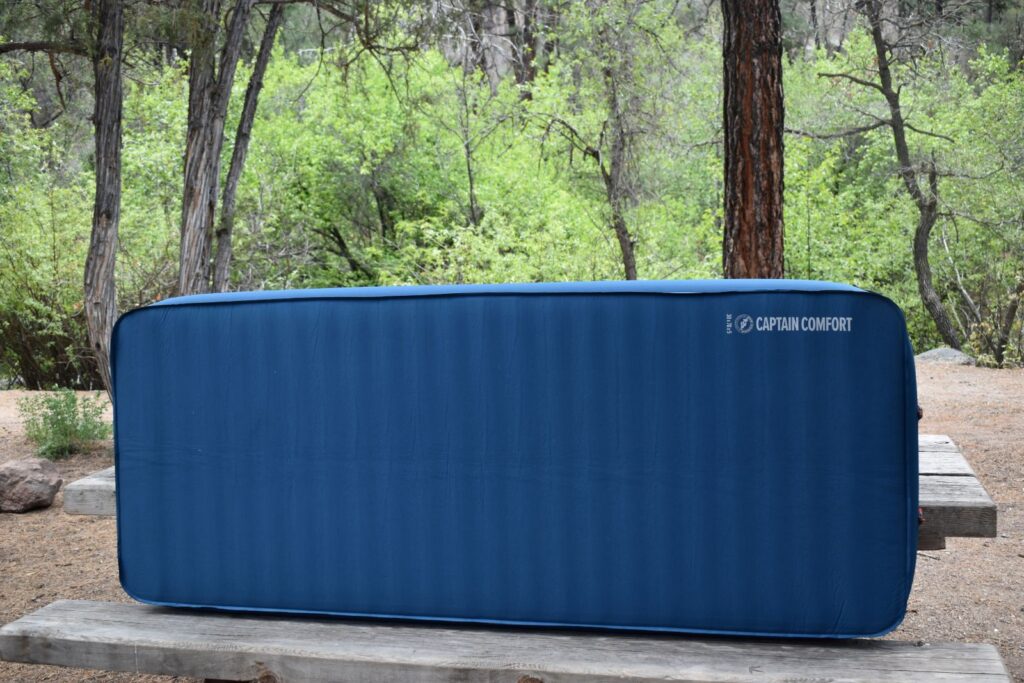
Exped supplies a compression sack rather than an ordinary stuff sack and separate mesh storage bag. We got the packed size down to about 12 by 8 inches with the included straps, manageable in a loaded vehicle but not unusually compact next to other camping bags in their standard sacks.
Packed Size Score: 4.1 / 5.0

Features
The full-length two-way zipper is especially valuable because the DeepSleep’s insulation can become too warm; opening the foot end helps regulate temperature. A nylon strip beside the zipper reduces snags, and the hood and snap-closed 360-degree collar form a particularly effective draft barrier.
There are two pocket details worth distinguishing: the foot compartment can hold a hand warmer or hot-water bottle, while the chest stash pocket has a button to retain a phone or headlamp. The latter’s placement is a drawback because the weight of items rests directly against your chest while sleeping. It’s useful, but not as unobtrusive as a side-mounted pocket.
Features Score: 4.1 / 5.0

Should You Buy the Exped DeepSleep 20F?
The DeepSleep makes the most sense for cold sleepers at vehicle-access campsites who often see temperatures around freezing. Its snug mummy shape, insulation-heavy underside, padded hood, and closing collar supported comfortable low-30s nights in our testing. At its price, that focused cold-weather performance is appealing.
Don’t choose it for warm summer camping, backpacking, or if you frequently curl your legs to the side. The lower taper is unusually restrictive, and a low-50s night was already too warm for our tester. The Teton Celsius offers more room for similarly chilly campground trips, while the Mountain Hardwear Bishop Pass offers a substantially lighter down system for trail use.

What Other Camping Sleeping Bags Should You Consider?
Teton Sports Celsius XXL 0F Review: Cold sleepers who find the DeepSleep’s tight lower taper restrictive should consider the Celsius. It has a huge flannel-lined rectangle, substantial synthetic insulation, and a tested useful range down toward 10°F. You give up easy packing and a refined hood and zipper, but gain freedom to move on long winter car-camping nights.
The North Face Wawona Bed 20 Review: The Wawona is the better choice when warm-season comfort matters more than heavy insulation. Its fleece upper lining, roomy rectangular shape, and blanket conversion give active sleepers a relaxed bed-like experience, but the hoodless opening is much less secure in freezing conditions. Choose it for mild campground nights rather than DeepSleep’s cold-season niche.