
Bottom Line
The North Face Wawona Bed 20 excels at relaxed summer car camping. Ian Krammer spent over 30 nights in it between May and October in the Colorado Rockies, appreciating the soft fleece upper lining, spacious rectangular body, smooth zipper, and full blanket conversion. It’s especially comfortable for campers who move around in their sleep or want to zip two bags together.
Its 20°F name is not an accurate guide to our field comfort range: we prefer it around 40–70°F. The lack of a hood and thin draft tubes leave more exposure during colder nights, and the synthetic bundle isn’t suitable for backpacking. Campers who want more head coverage should consider the REI Siesta Hooded 20 instead. Compare more options in our best camping sleeping bags guide.
How We Tested
Senior Gear Analyst Ian Krammer spent more than 30 nights in the Wawona Bed 20 between May and October in the Colorado Rockies. The testing included dew-soaked mornings in the Sangre de Cristo Range, frequent changes among back, stomach, and side sleeping, and evaluation of the fleece-lined upper fabric, blanket conversion, zippers, neck cinches, and packed bulk. These observations inform our recommendation for mild-weather frontcountry use.
Quick Specs
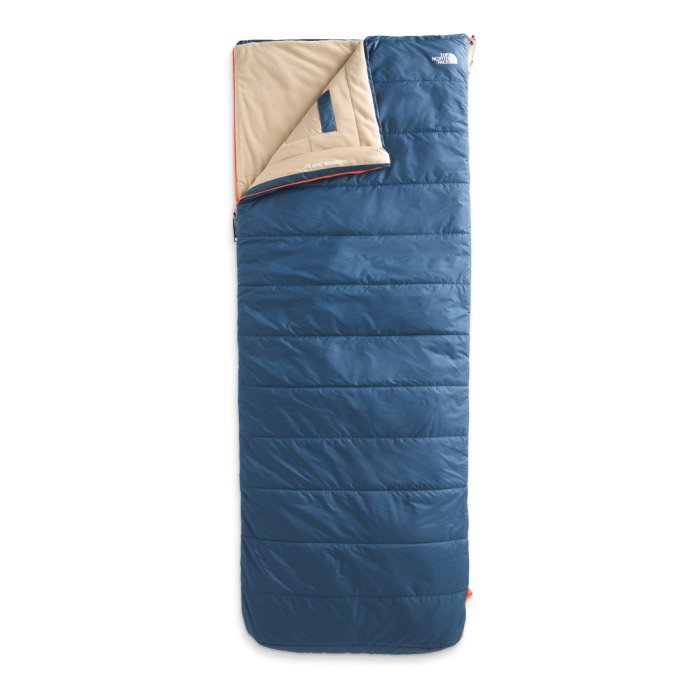
The North Face Wawona Bed 20
Most Comfortable No-Frills Sleeping Bag
CleverHiker Rating: 4.6/5.0
Price: $150
Temperature Rating: 20°F
Weight: 4 lb. 14.3 oz.(Regular)
Fill Type: Synthetic
Pros
- Soft fleece lining at the neck
- Roomy rectangular fit
- Smooth zipper with oversized pulls
- Unzips fully into a blanket
- Can join to a second Wawona
- Useful interior stash pocket
Cons
- No insulated hood
- Thin draft tubes
- Not suited to freezing conditions
- Bulky for backpacking
- No mesh storage sack


Comfort
Comfort is the Wawona’s defining reason to buy. The fleece-lined upper edge feels soft against skin, while the rectangular interior accommodates Ian’s frequent changes among back, side, and stomach positions. The 15-inch side zipper opens the top edge like a folded comforter, and the full-length zipper lets the whole bag become a blanket. We especially like this arrangement for relaxed summer camping rather than weight-conscious travel.
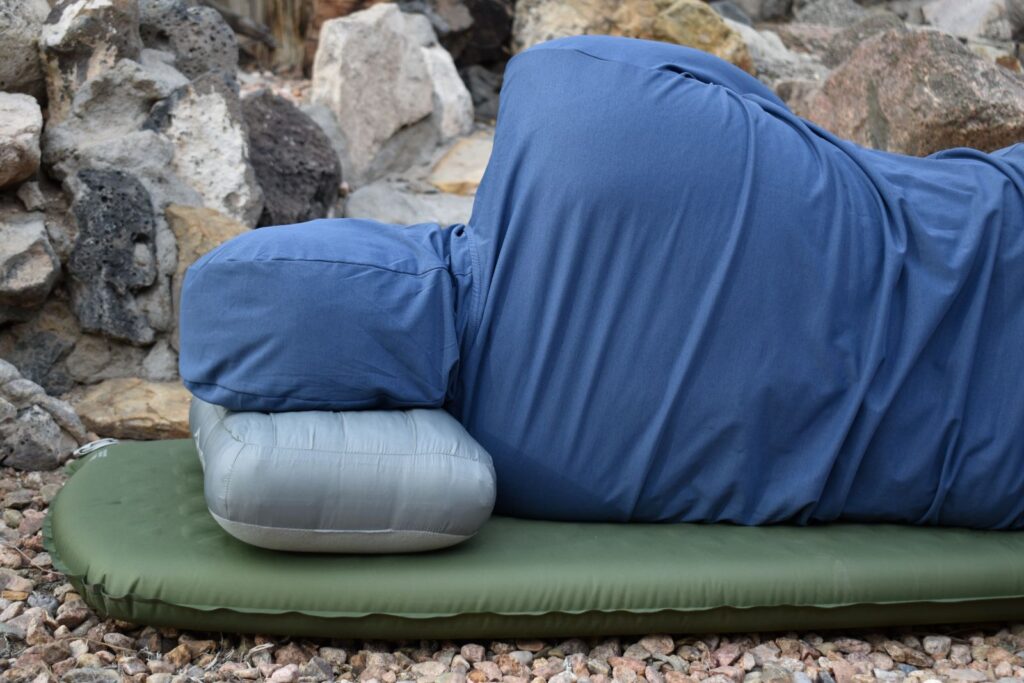
The missing hood is a tradeoff. Ian often wears a hat, and pillows move more readily without an enclosure to hold them in place. The smooth polyester taffeta lower lining, oversized zipper tabs, and ability to zip two Wawonas together remain strong advantages for couples, families, and campers bringing a dog.
Comfort Score: 4.4 / 5.0

Warmth
Our practical comfort recommendation is approximately 40–70°F, not the nominal 20°F rating. The fleece upper lining adds coziness and the zipper can be adjusted to cover the shoulders or vent a foot, but there is no hood and only modest draft tubes. Campers who regularly expect nighttime temperatures in the 30s should pack extra layers or choose a warmer bag.
The synthetic fill handles moisture well. On a trip in Colorado’s Sangre de Cristo Range, heavy dew soaked the outside of Ian’s bag; it stayed impressively warm and dried in about two hours. That resilience is valuable for humid campground mornings, but it does not make the Wawona a dependable freezing-weather option.
Warmth Score: 4.2 / 5.0

Packed Size
The regular Wawona weighs 4 lb. 14.3 oz. and packs to roughly 10 by 19 inches. That is manageable for a car-based trip and considerably less unwieldy than the largest winter synthetic bags, but it occupies real cargo space and is not designed for backpacking. It’s easy to fit back into its cylindrical stuff sack, which helps at a hurried campsite departure.
The missing mesh storage sack is disappointing if you want to store the synthetic insulation uncompressed between trips. A separate roomy sack is worth adding to prolong loft, especially if the Wawona will spend most of the year in a closet.
Packed Size Score: 4.5 / 5.0

Features
The hardware is refreshingly straightforward. Oversized zipper tabs are easy to locate at night or with gloves, and the main zip opens smoothly for venting or full blanket conversion. A shorter zipper on the opposite side creates a fold-down top, while two collar cinch tabs help reduce drafts on cooler nights. An internal pocket holds small essentials within reach.
Two Wawonas can also zip together for a shared sleeping setup. There is no hood, pillow sleeve, or pad-attachment system; those omissions matter for cold sleepers but suit the Wawona’s uncluttered, warm-weather purpose. Buyers prioritizing more protection around the head should compare the Siesta Hooded 20.
Features Score: 4.1 / 5.0

Should You Buy The North Face Wawona Bed 20?
The Wawona Bed 20 is a very good buy for summer car campers who want wide rectangular comfort, an exceptionally soft fleece upper edge, and a simple zipper system that doubles as a blanket. The over-30-night field record supports its durability and everyday ease of use. Its price also makes outfitting several family members more feasible than choosing premium down bags.
Choose something else if freezing conditions are routine, if you need to carry the bag on foot, or if a hood that anchors your pillow is important. The Wawona’s thin draft protection and hoodless opening limit its warmth, and its synthetic bundle is much larger than a backpacking mummy. For those use cases, the Siesta or a down crossover bag makes more sense.

What Other Camping Sleeping Bags Should You Consider?
REI Siesta Hooded 20 Review: The Siesta shares the Wawona’s relaxed rectangular comfort but adds an oversized hood that keeps a full-size pillow in place and a substantial draft collar. Choose it for better head and shoulder protection; the Wawona remains appealing for its very soft fleece upper edge and uncomplicated summertime feel.
Kelty Galactic 30 Review: The Galactic’s down filling makes it a smaller package for people who only occasionally carry their bedding beyond the car. Like the Wawona, it can open completely into a blanket and lacks a hood, but its smoother synthetic-free interior does not reproduce the Wawona’s fleece feel. Both are mainly for mild nights.