

Bottom Line
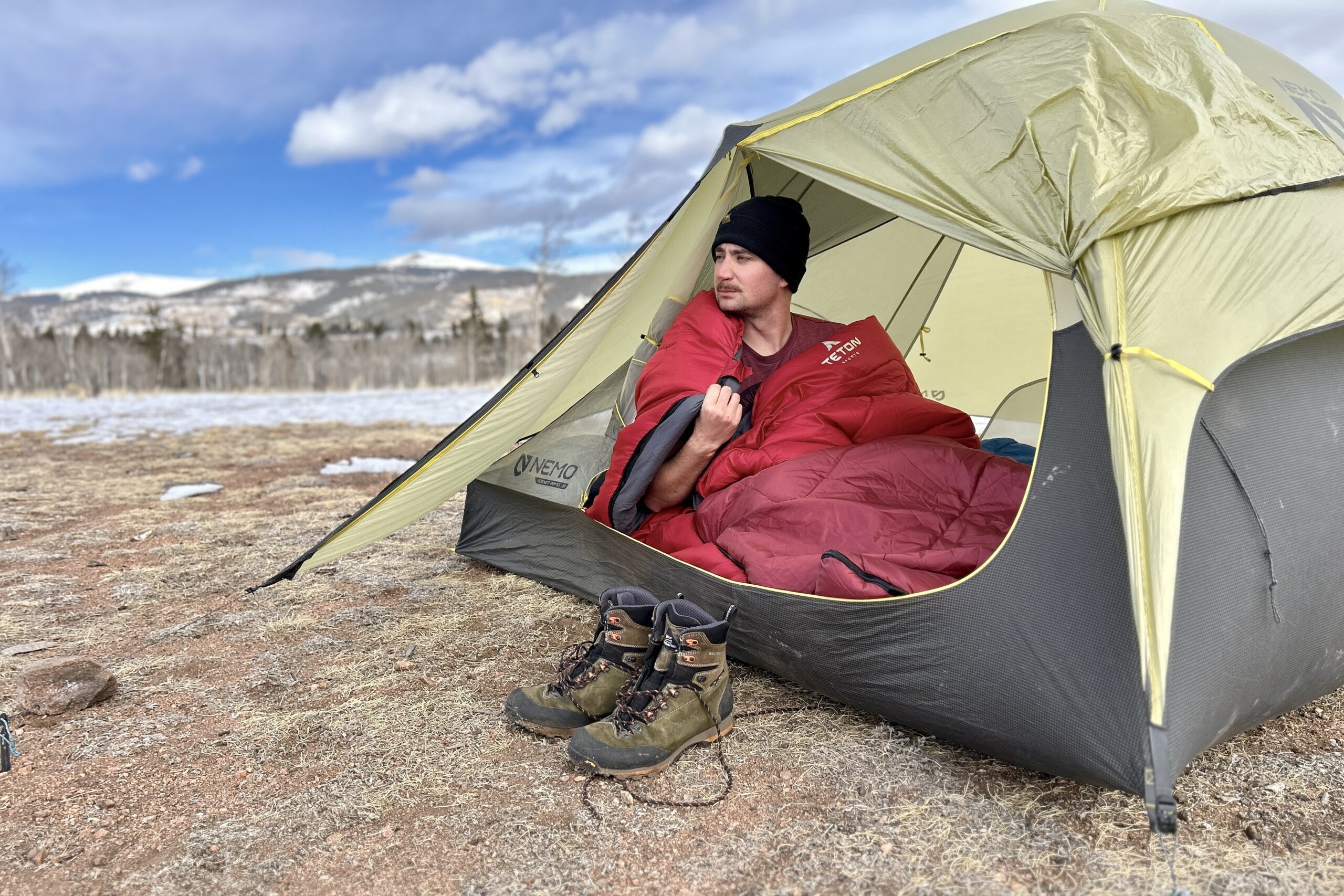
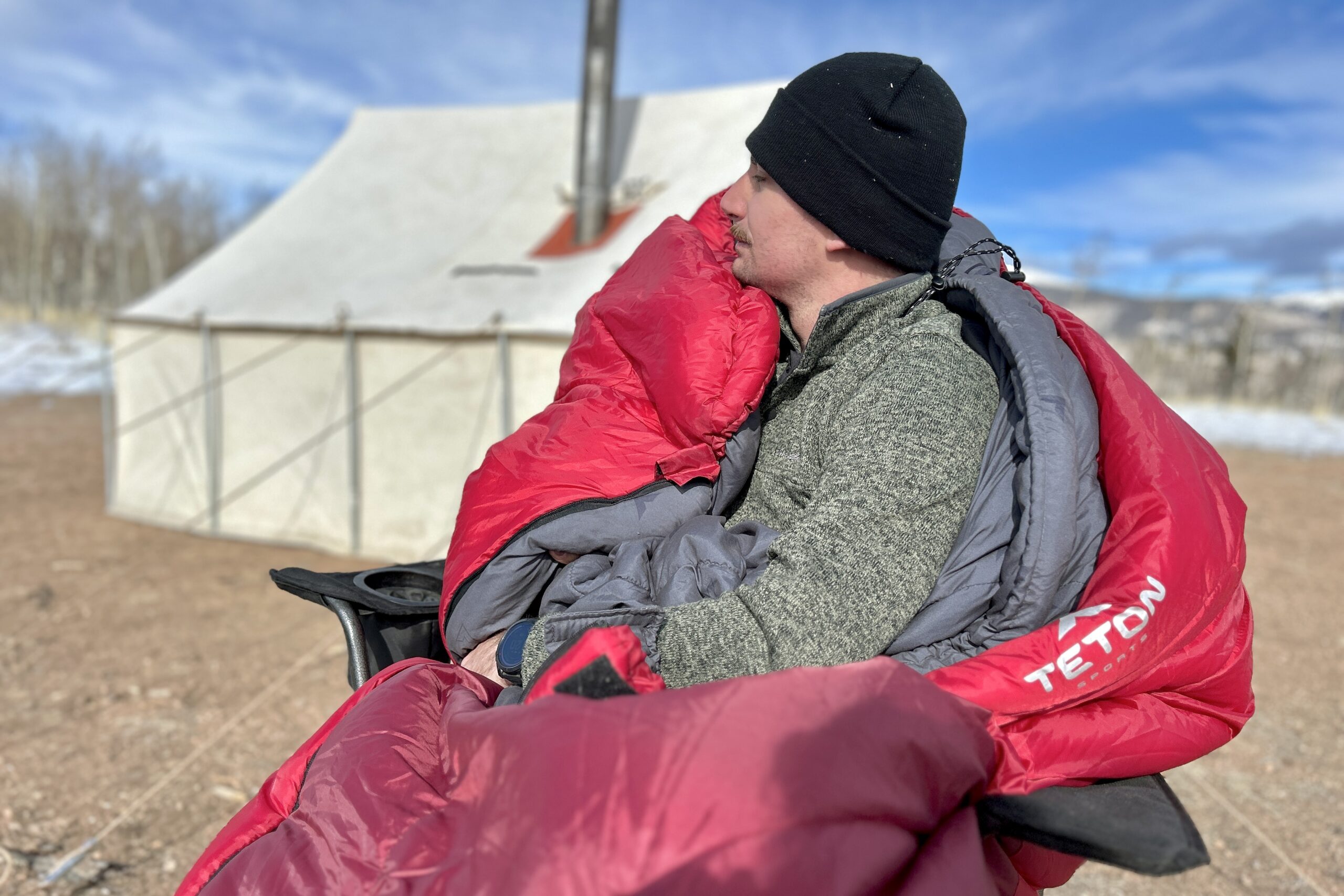
The Teton Sports Celsius XXL 0F is one of the best low-cost ways to build a warm, spacious car-camping bed for cold nights. Ian Krammer used it on dozens of winter outings near Moab and in Colorado and found its insulation particularly useful from roughly 10–45°F. The poly-flannel lining, huge rectangular cut, and substantial draft tubes make it feel closer to a heavy comforter than a technical sleeping bag.
This is not a versatile travel bag. It weighs over seven pounds, fills a large stuff sack, and gets uncomfortably hot above about 50°F. The shallow hood, long cinch cords, and snag-prone zipper are further compromises. Choose it for stationary cold-weather camping rather than summer trips or backpacking. See our guide to the best camping sleeping bags for more.
How We Tested
Senior Gear Analyst Ian Krammer has used the Celsius XXL for dozens of winter nights car camping outside Moab, Utah, as well as summer trips in Colorado. The team tested warmth down to roughly 10°F, evaluated comfort with sleepers between 5’1″ and 6’1″, and assessed its oversized shape, flannel-like lining, revised hood and baffles, draft tubes, and zipper. Repeated packing also revealed how much trunk space this bag needs and how forgiving its large stuff sack is.
Quick Specs
Teton Sports Celsius XXL 0F
Best Budget-Friendly Cold-Weather Sleeping Bag
CleverHiker Rating: 4.5/5.0
Price: $100
Temperature Rating: 0ºF
Weight: 7 lb. 3.2 oz.
Fill Type: Synthetic
Pros
- Very warm in testing down to about 10°F
- Extra-wide rectangular interior
- Soft poly-flannel lining
- Opens into a blanket
- Large draft tubes and improved baffles
- Affordable for cold-weather camping
Cons
- Heavy and very bulky
- Zipper snags fabric
- Shallow hood doesn't fit large pillow well
- Long hood cinch cords get in the way
- Uncomfortably hot on warm nights

Comfort
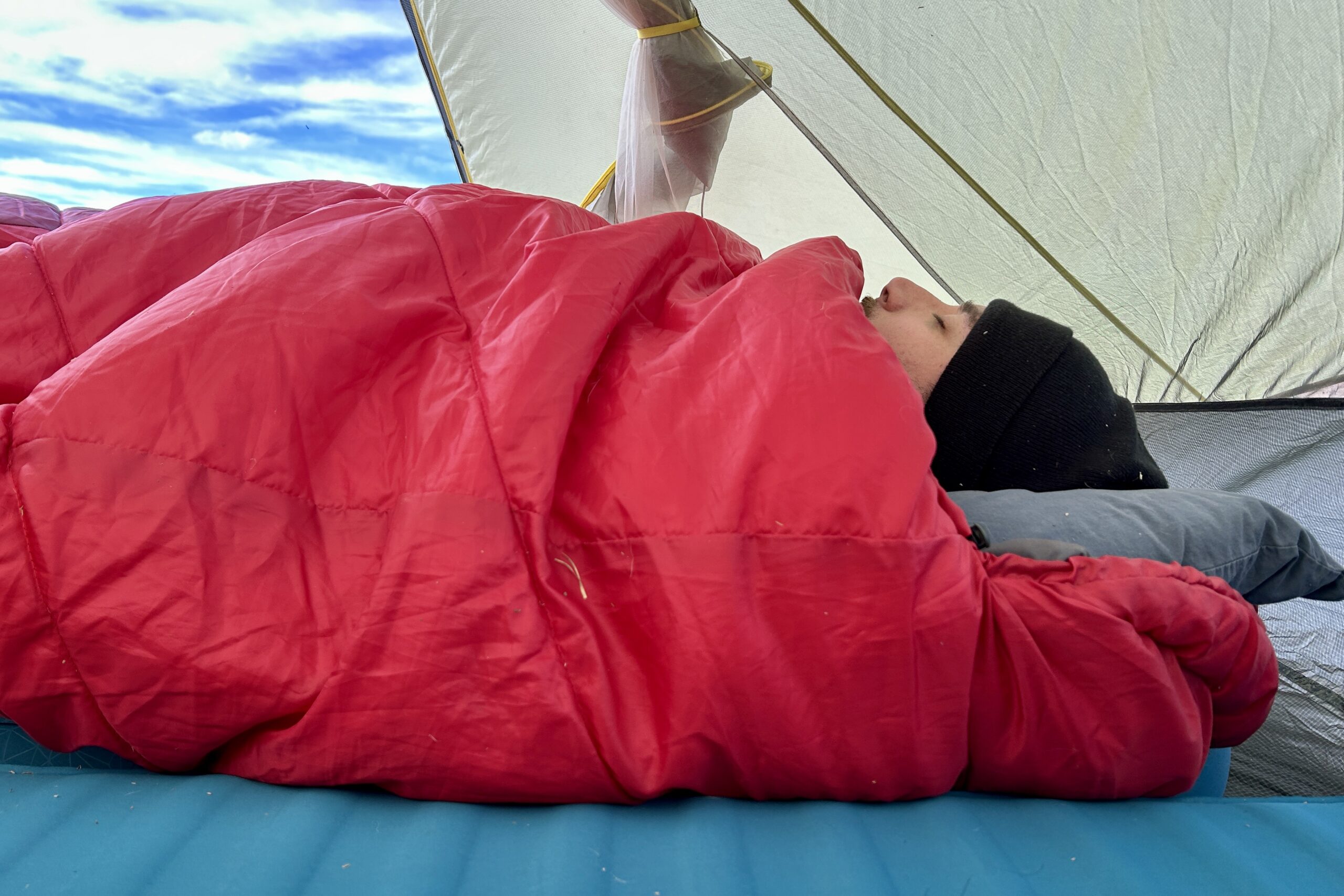
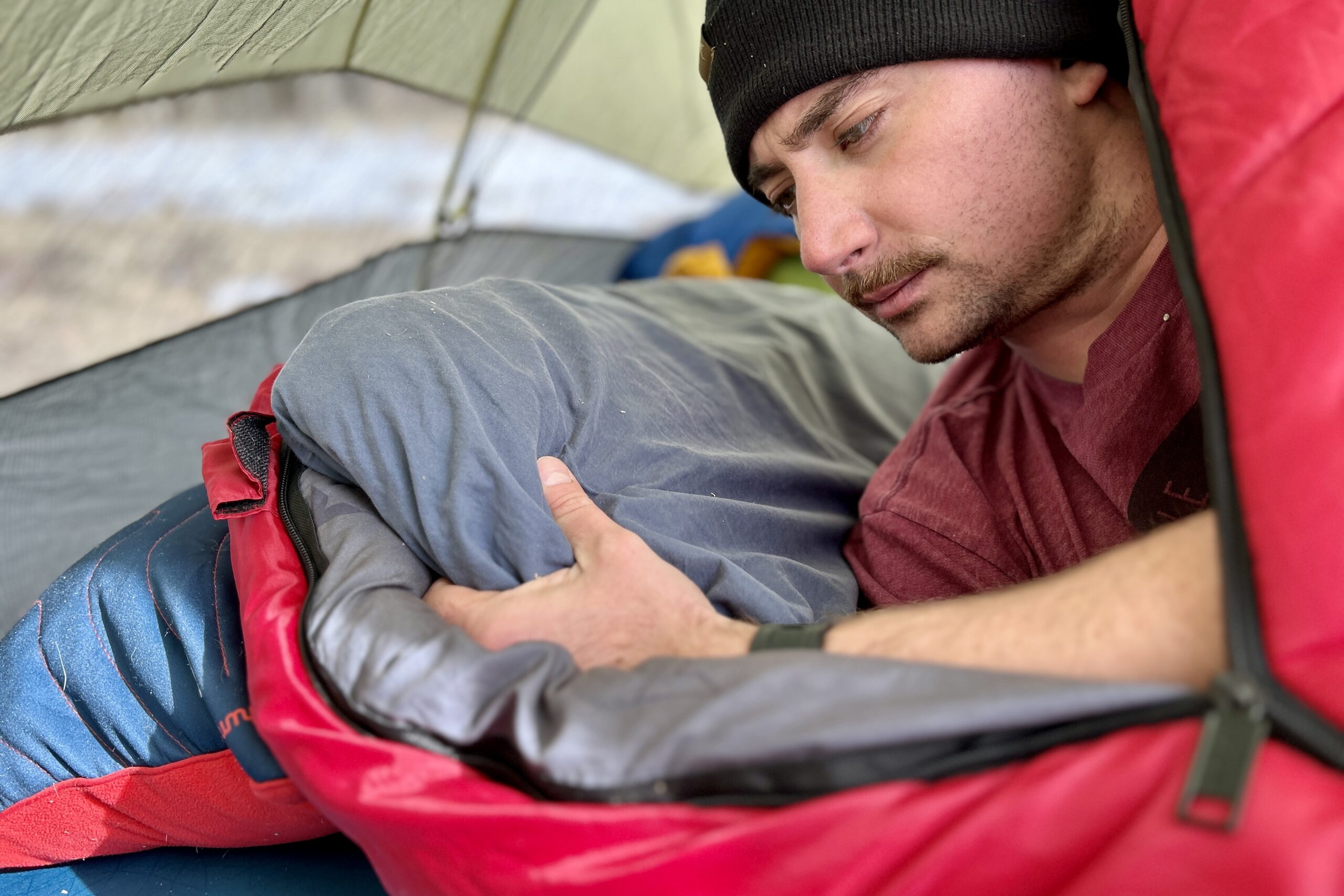
The Celsius XXL feels more like a weighted comforter than a technical sleeping bag. Its poly-flannel lining is soft against skin, and the huge rectangular shape accommodates back, side, and stomach sleepers without the hip restrictions found in mummy designs. Thick draft tubes also soften the edge near the neck and zipper, making the bag especially welcoming for cold sleepers who toss and turn.
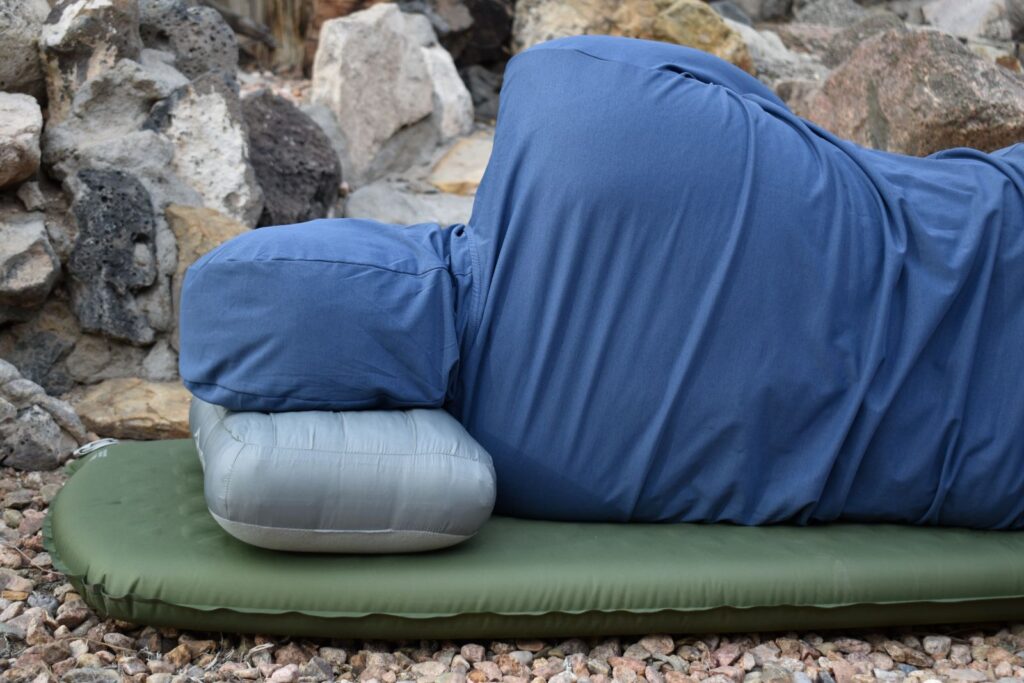
The updated hood is less convincing. It’s too shallow to hold a regular pillow comfortably or fully cradle the head, while its long cinch cords can fall across your face. The outer shell also makes noise against some pads. Neither issue changes the core comfort advantage, but both matter if your priority is a quiet, pillow-friendly setup.
Comfort Score: 4.7 / 5.0
Warmth
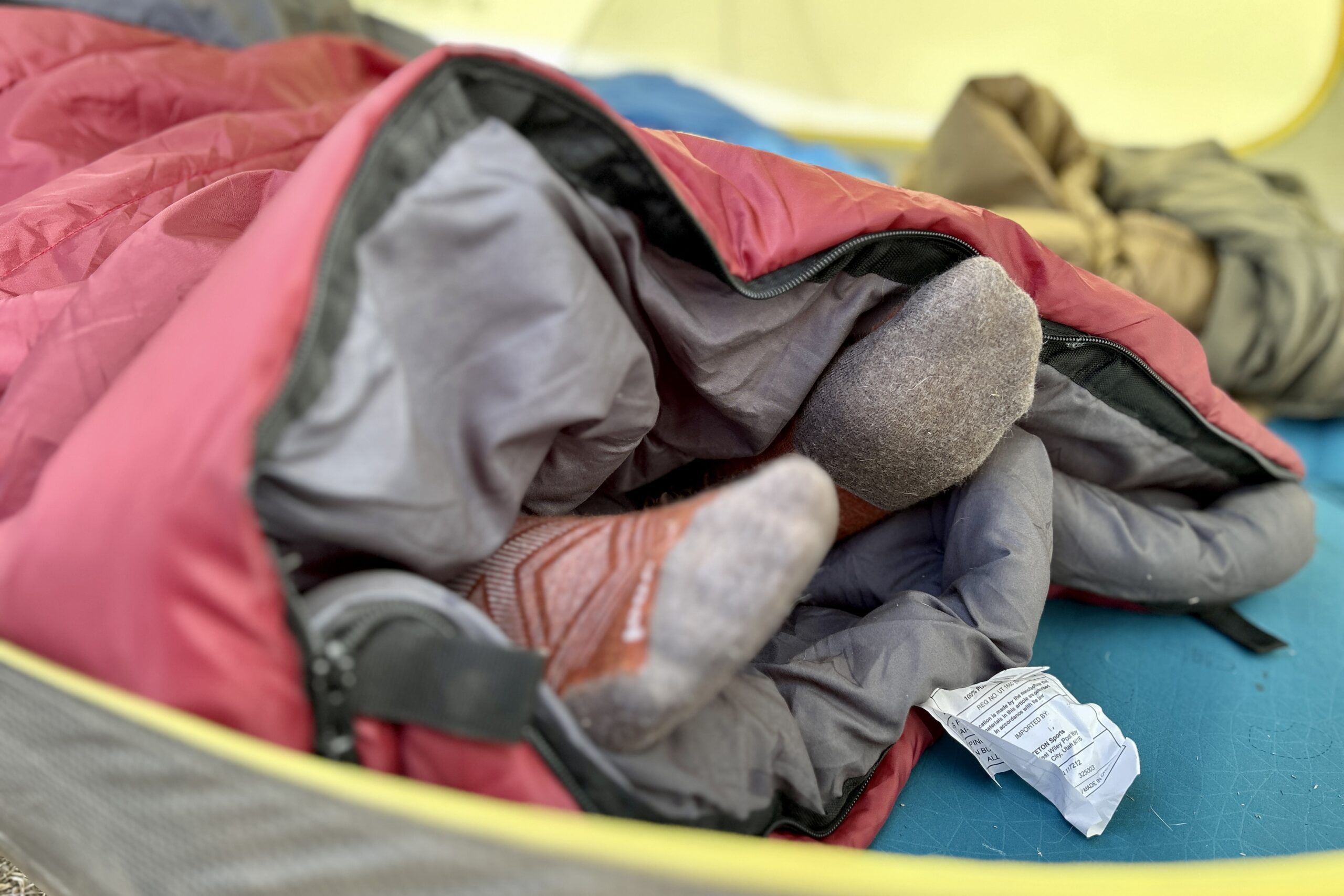
This is one of the few inexpensive campground bags we trust for genuinely cold nights. Ian used its hollow-fiber synthetic insulation through numerous Utah desert and Colorado mountain outings, finding the best range around 10–45°F. The fill warms quickly, the diagonal baffles reduce cold spots, and stout tubes around the zipper and neck limit drafts. The water-resistant shell also proved useful around condensation.
The 0°F model name should not be read as a tested comfort guarantee at zero. We don’t recommend it below about 10°F, when cold pockets in the rectangular corners begin to matter. At the other end, Ian was uncomfortably hot on a 60°F night even with the bag open; above 50°F this much insulation is generally unnecessary. A separate summer bag will be more comfortable in hot weather.
Warmth Score: 4.8 / 5.0
Packed Size
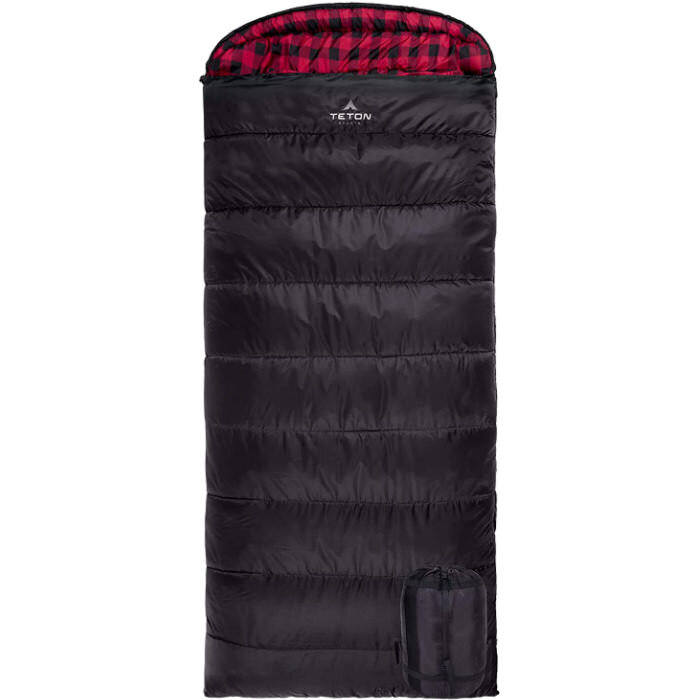
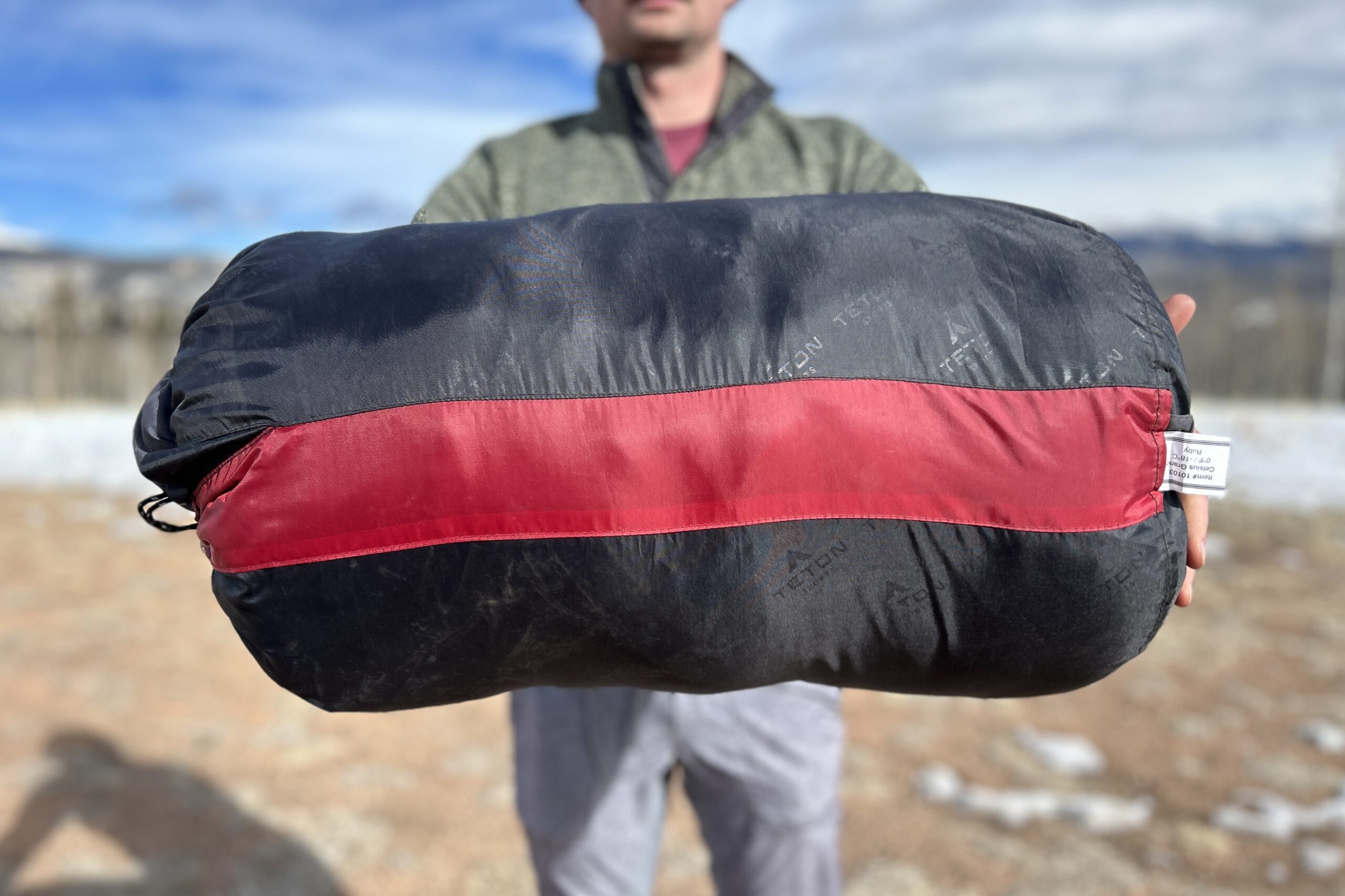
At 7 lb. 3.2 oz. and approximately 17.5 by 12.5 inches packed, the Celsius XXL is a trunk-and-closet commitment. All that synthetic insulation and extra width resist compression, so this is not sensible gear for backpacking or long walks to camp. For car camping in low temperatures, though, the extra weight supports its warmth and generous sleeping space.
At least packing isn’t difficult. The oversized carry sack has room to spare and takes roughly 30 seconds to fill in our testing, with a large handle for moving it to the tent. The bulk is therefore a storage and transport penalty rather than a nightly wrestling match with a tiny stuff sack.
Packed Size Score: 3.3 / 5.0
Features
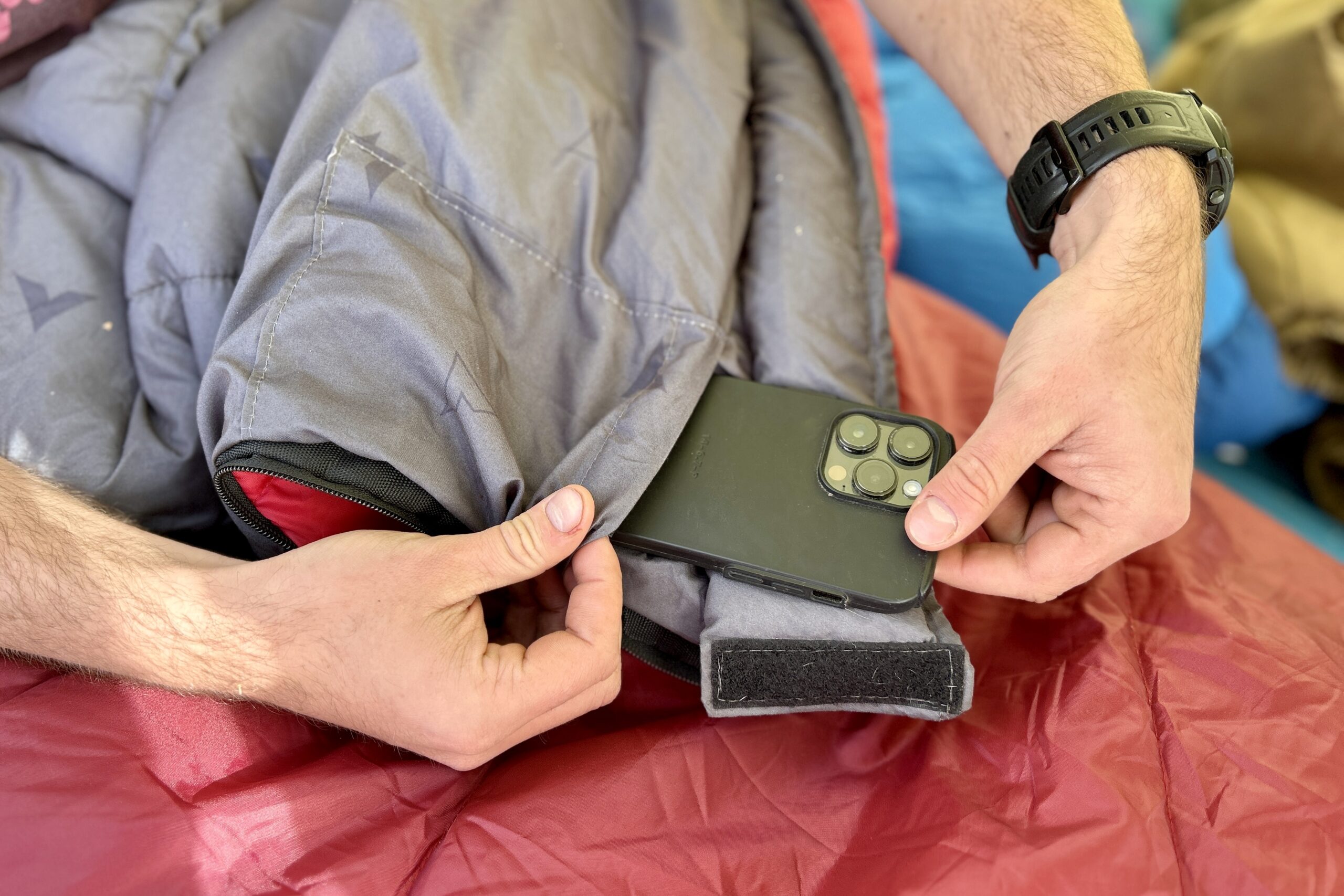
The L-shaped two-way zipper lets campers open the footbox to ventilate or spread the Celsius into a giant blanket. A large inner pocket keeps a phone or headlamp accessible, and the revised diagonal baffles help maintain insulation coverage. Double cinches at the neck and hood provide distinct adjustments when temperatures drop.
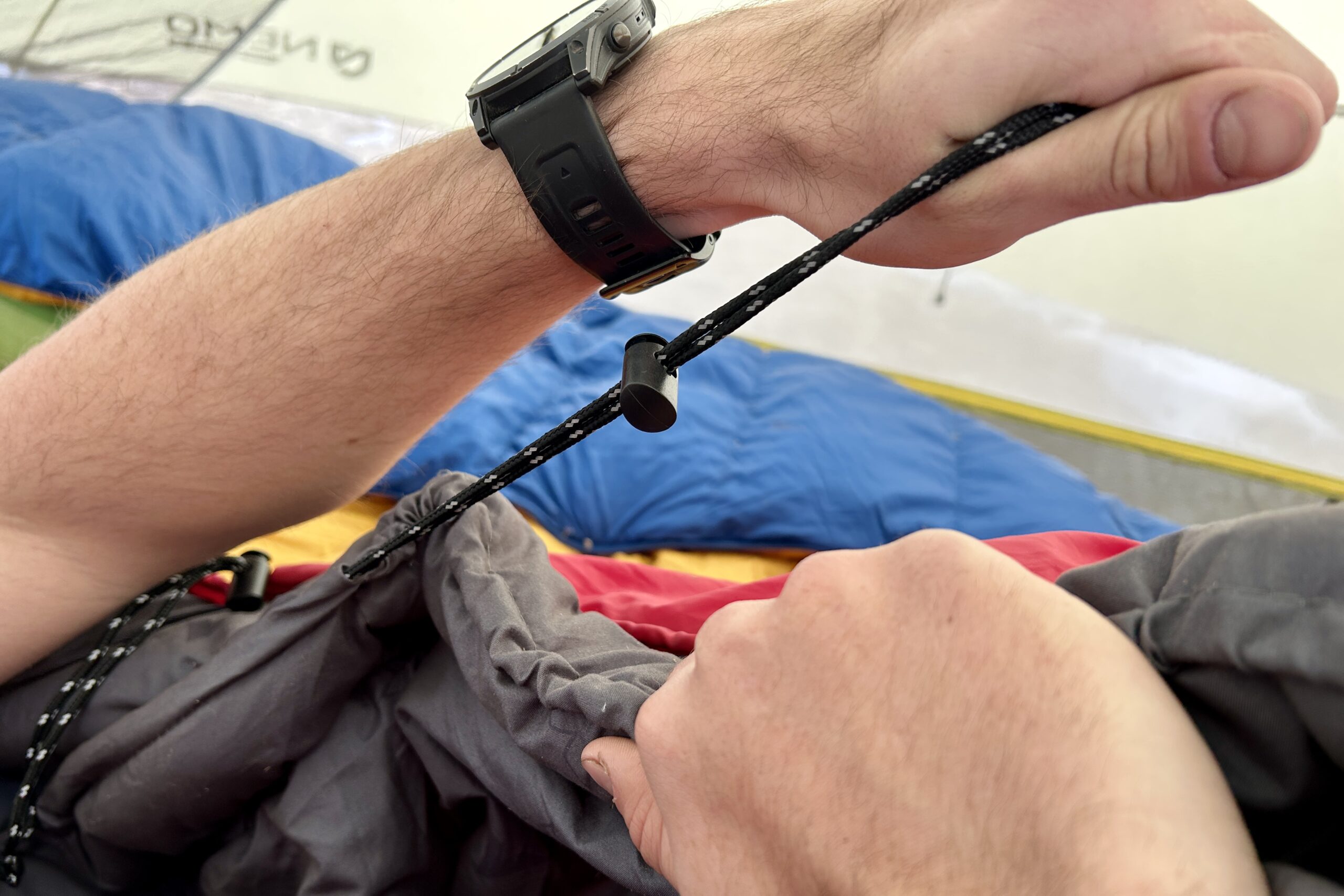
The details aren’t especially polished. The zipper can snag against the fabric, the hood cords are longer than we’d like, and the hood itself is shallow. These are real drawbacks in an otherwise durable, low-cost bag; pay more for a refined zipper and hood if you frequently adjust your setup overnight.
Features Score: 4.3 / 5.0
Should You Buy The Teton Sports Celsius XXL 0F?
Choose the Celsius XXL if you’re a cold sleeper, camp beside your vehicle in fall or winter, and want the feel of a thick comforter without paying premium sleeping-bag prices. Our Utah and Colorado testing gives it a convincing practical niche from about 10°F into the 40s. Its oversized fit, soft lining, and thick synthetic insulation are genuinely useful—not just attractive specifications.
Avoid it for mild summer camping, travel with limited cargo space, or any trip where you’ll carry your bedding far. The hood and zipper are less refined than the rest of the construction, and the published field testing doesn’t support relying on its nominal 0°F rating. Campers who need a much smaller cold-weather bag should consider the Mountain Hardwear Bishop Pass 15 instead.
What Other Camping Sleeping Bags Should You Consider?
Exped DeepSleep 20F Review: If you need comfortable low-30s insulation but dislike the Celsius’s enormous bulk, the DeepSleep offers a more fitted synthetic mummy design with strong hood and collar insulation. That narrower lower body limits movement, however, so cold sleepers who sprawl will prefer the Celsius’s large rectangle.
Mountain Hardwear Bishop Pass 15 Review: Backpackers who need low-temperature performance have a better path in the Bishop Pass. Its down mummy weighs a fraction of the Celsius and proved useful on 15°F Rocky Mountain nights with a warm pad, but it costs more and sacrifices the Celsius’s blanket-like room.