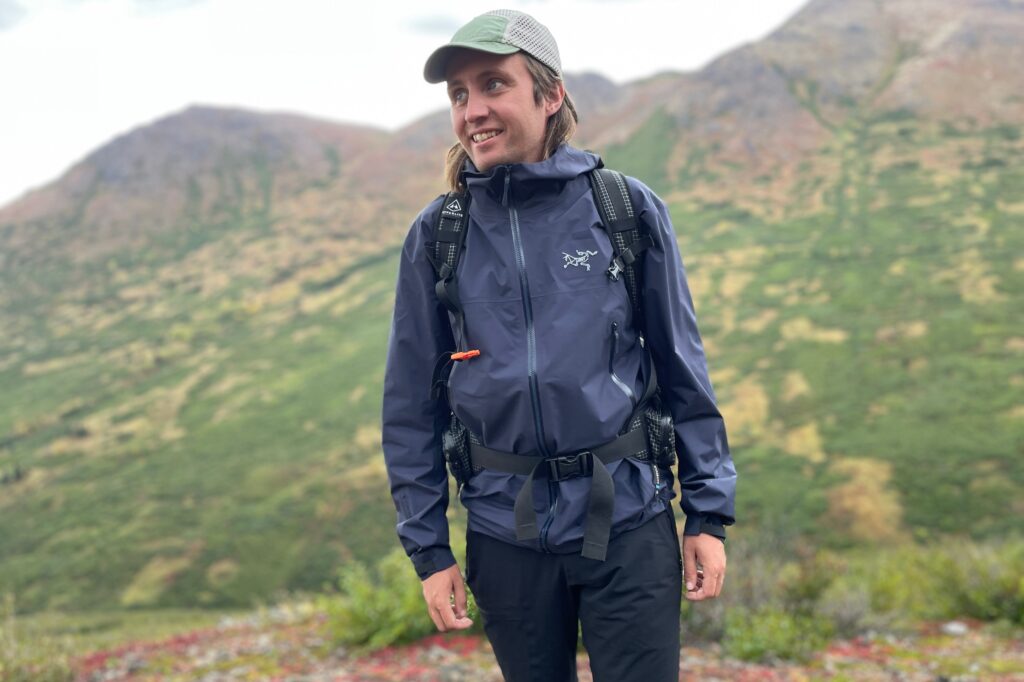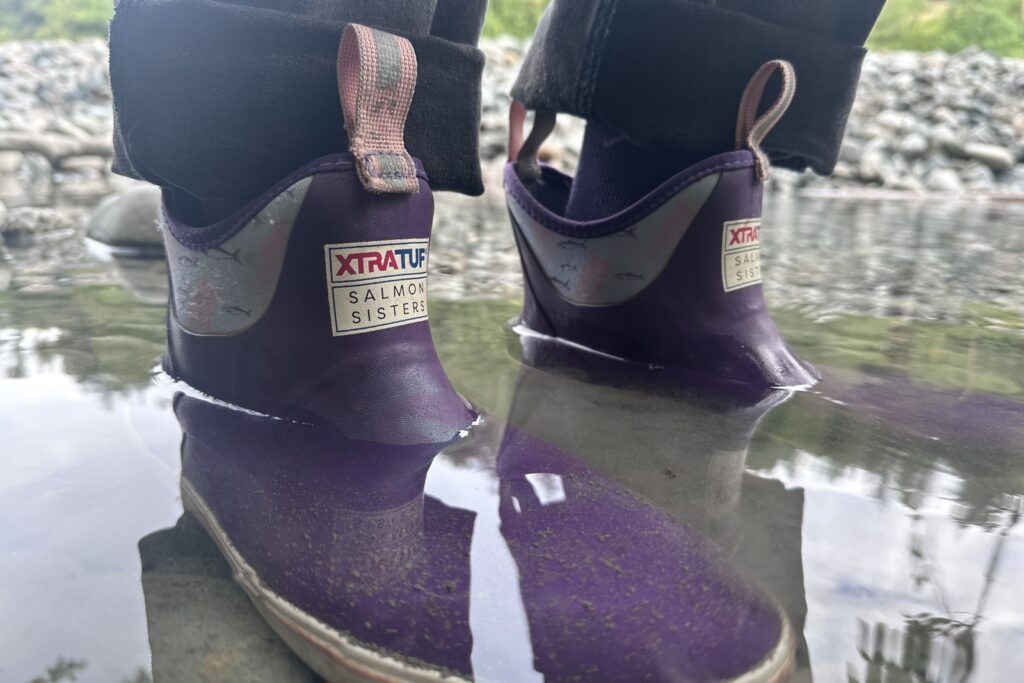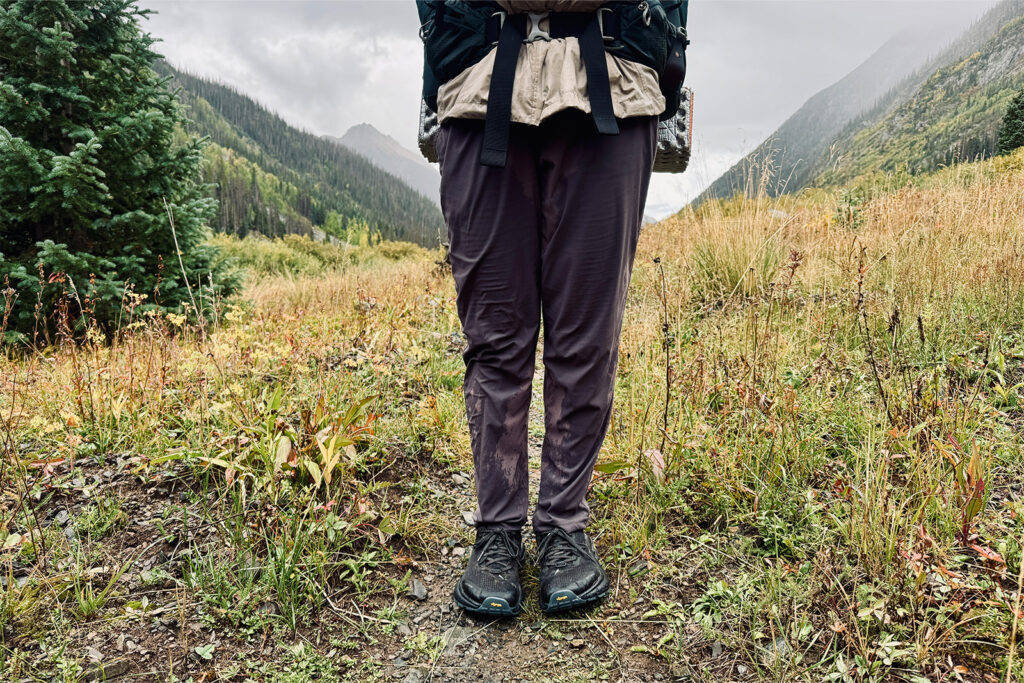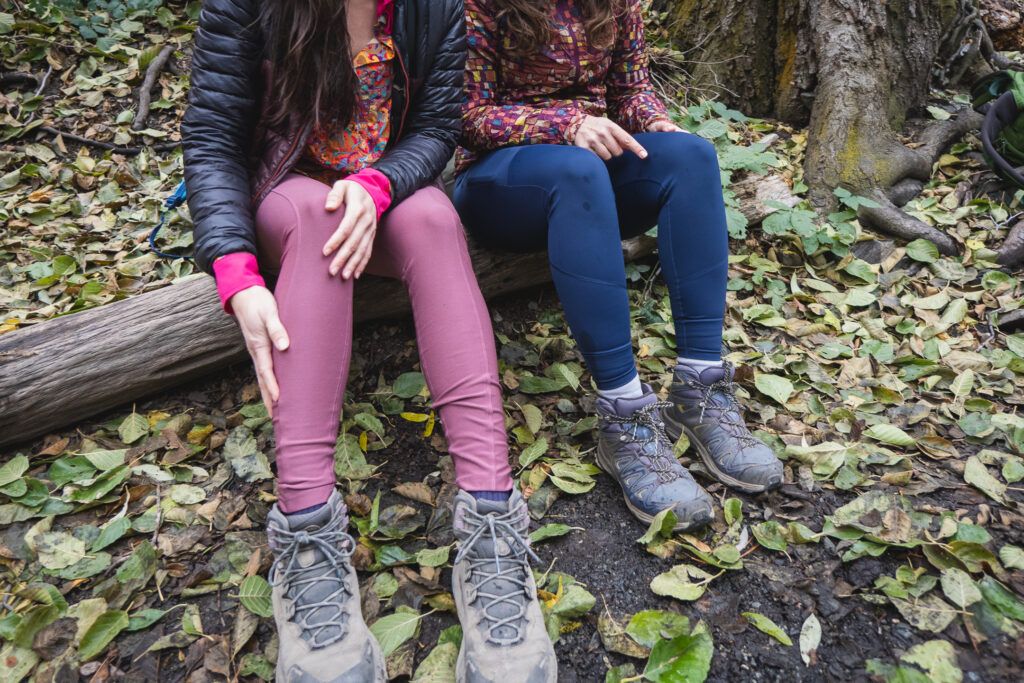

Rain pants should keep cold rain off without becoming uncomfortable on climbs. Our tested selection compares storm protection, mobility, weight, ventilation, and durability.
Editor’s Note: This guide was updated on October 21, 2026 to reflect product price changes and to refine testing analysis
How We Test Rain Pants
Across more than a decade, we have examined more than 120 rain pants, put 55 through field testing, and spent over 2,500 hours assessing rain gear. We use wet-weather hiking, hose and shower trials, pooled-water observations, mobility exercises, and contact with rough surfaces to distinguish waterproofing from interior sweat, and comfort from mere roominess.
For more info, check out some of our other most popular gear guides:

#1. Best Rain Pants Overall

The Patagonia Torrentshell 3L (men’s / women’s) earns our top position through exceptional weather protection for its price and rugged construction. Its thigh-high side zippers and two hand pockets make it useful for regular wear, although its stiffness, noise, and packed bulk favor hikers who expect frequent storms over people carrying a shell only as insurance.

Quick Picks for Rain Pants
Check out this quick list of our favorite rain pants, or continue scrolling to see our full list with in-depth reviews.
1. Best Rain Pants Overall: Patagonia Torrentshell 3L Men’s ($139) / Women’s ($139)
2. Best Stretchy & Comfortable Rain Pants: Black Diamond Fineline Stretch Men’s ($179) / Women’s ($179)
3. Best Durable Rain Pants for Cold & Wet Weather: Arc’teryx Beta Pants Men’s ($300) / Women’s ($300)
4. Best Adjustable Rain Pants With Inclusive Sizing: REI Rainier Full-Zip Men’s ($100) / Women’s ($100)
5. Best Rain Pants For Ventilation: Outdoor Research Foray Men’s ($210) / Aspire Women’s ($210)
6. Best Soft and Quiet Rain Pants: Mountain Hardwear Stretch Ozonic Men’s ($175) / Women’s ($175)
7. Best Budget Rain Pants: REI Trailmade Men’s ($70) / Women’s ($70)
8. Best Ultralight Rain Pants for Hiking & Backpacking: Zpacks Vertice Men’s ($160) / Women’s ($160)
9. Best No-Nonsense Rain Pants: Columbia Rebel Roamer Men’s ($60) / Storm Surge Women’s ($60)
10. Best Puddle Jumping Rain Pants: Outdoor Research Helium Men’s ($130) / Women’s ($130)

Patagonia Torrentshell 3L
Best Rain Pants Overall
CleverHiker Rating: 4.9/5.0
Price: $139
Weight: 11.3 oz. / 10.6 oz.(men’s / women’s)
Zipper Length: Thigh
Pros
- Durable three-layer fabric
- Excellent rain protection
- Long, two-way ventilation zippers
- Two zippered hand pockets
- Adjustable waist and ankle cuffs
- Packs into its pocket
Cons
- Stiff, noisy fabric
- Heavier and bulkier than ultralight shells
- Noisy fabric
- Long zippers can snag
The Patagonia Torrentshell 3L (men’s / women’s) takes the top spot by pairing durable weather protection with a competitive price and unusually useful adjustments. Deliberate scraping against Colorado boulders caused no meaningful damage, and heavy rain testing supported its confidence-inspiring construction. Long two-way side openings make it easier to shed heat or pull the shell over hiking shoes, while hand pockets add convenience missing from minimalist competitors.
The wide elastic waistband and drawcord allow the Torrentshell to sit securely over hiking layers without the firm, restrictive feel of the Beta’s waistband. Snap-adjusted cuffs accommodate different footwear, although their adjustment is less precise than a dedicated cinch system. The mesh-lined hand pockets are particularly useful on wet day hikes, where small essentials would otherwise have to go in a pack.
However, its bulk and stiff, rustling fabric are unmistakable. For someone who mainly carries rain protection in a pack, the lighter Helium or Vertice is easier to justify. But regular wet-weather hikers who need a shell to survive brush, stone, and prolonged storms will appreciate the toughness more than the added ounces.
The protective 50-denier face fabric explains much of the tradeoff. The shell handles repeated contact with vegetation and rock better than the ultrathin Vertice, but takes up more room in a bag and rustles noticeably with each stride. Hikers who expect to wear their rain pants often will get more value from that toughness than someone who carries them solely for a passing shower.


Black Diamond Fineline Stretch
Best Stretchy & Comfortable Rain Pants
CleverHiker Rating: 4.8/5.0
Price: $179
Weight: 9.7 oz. / 7.5 oz.(men’s / women’s)
Zipper Length: Full
Pros
- Comfortable stretch fabric
- Full-length side zippers
- Light and compact
- Secure adjustable waist
- Packs into pocket
Cons
- Slim fit limits layering
- Only one pocket
- Warms up during hard pushes
- Less rugged than thicker shells
The Black Diamond Fineline Stretch (men’s / women’s) is the movement-first choice when rigid waterproof fabric feels uncomfortable on steep trails. Its soft stretch and trim shape performed well over fallen trees and on climbs, and the long leg zippers make transitions over footwear easier than with many compact shells. A self-stowing pocket and modest weight further strengthen the case for active hikers.
An elastic waist with a drawcord stays secure through long strides, and the full leg openings make a real difference when rain starts on a steep trail. We moved over fallen trees and climbed slopes without the fabric pulling uncomfortably at the knees. Those details separate the Fineline from cheaper shells that block rain but are cumbersome during sustained movement.
The narrow fit is not ideal over thick insulating pants, and vigorous walking can still produce heat buildup. We would choose the Torrentshell for brush and rock abrasion, but the Fineline suits moderate-weather hikers who spend a lot of time moving in their shell and want a quieter, less cumbersome feel.
The slim silhouette is a deliberate compromise, not just a style choice. It leaves less room for winter insulation than the roomy Foray/Aspire or Beta, and the thin stretch face deserves more care near thorny plants and rough rock. For three-season travel with repeated transitions between walking and rain stops, the comfortable cut and packability make a persuasive combination.

Arc’teryx Beta
Best Durable Rain Pants for Cold & Wet Weather
CleverHiker Rating: 4.7/5.0
Price: $300
Weight: 10.9 oz. / 10.9 oz.(men’s / women’s)
Zipper Length: Full
Pros
- Excellent weather protection
- Durable three-layer fabric
- Full-length adjustable leg openings
- Secure buckle closure
- Useful thigh pocket
- Adjustable cuffs
Cons
- High price
- Bulkier cut
- Rigid waistband
- Noisy, less supple fabric
- Overbuilt for casual outings
The Arc’teryx Beta Pants (men’s / women’s) earns its position through alpine storm protection rather than everyday comfort. Shower and pooled-water trials found no meaningful leakage, and rocky high-elevation use left its robust shell looking sound. Boot-compatible openings and adjustable cuffs are valuable in cold, exposed terrain.
The multi-slider full-length openings let you vent one section of a leg while retaining coverage, and the large cuffs simplify changes over bulky mountain boots. The thigh pocket is also more usable when carrying a pack than a low rear pocket. In direct shower and pooled-water tests, the three-layer shell resisted penetration, giving the alpine-focused construction a concrete performance basis.
The $300 price and rigid waist are substantial compromises. It feels more structured and noisy than the Fineline and Ozonic, but may be preferable to the Torrentshell when a mountaineering-focused fit and technical features matter most.
A secure buckle adjusts quickly, but the rigid waistband is less forgiving when crouching than an elastic drawcord. The roomy cut works well over insulating layers yet feels noisy and excessive on mild trails. Unless exposure, boots, and rugged terrain justify those features, the lower-priced Torrentshell offers most hikers a more proportionate balance of cost and protection.

REI Rainier Full-Zip
Best Adjustable Rain Pants With Inclusive Sizing
CleverHiker Rating: 4.6/5.0
Price: $100
Weight: 12 oz. / 10.6 oz.(men’s / women’s)
Zipper Length: Full
Pros
- Full-length side zippers
- Excellent adjustment options
- Two zippered hand pockets
- Inclusive sizing
- Good weather protection for the price
Cons
- Bulky compared with lighter shells
- Fabric can feel rough against skin
- Noisy on the move
- Less packable than minimalist pants
The REI Rainier (men’s / women’s) is a persuasive budget option for frequent wet-weather hikes. Full-length zippers, adjustable cuffs, pockets, and extensive sizing bring versatility missing from basic shells. Hiking in Wisconsin and Colorado and repeated hose trials supported its performance in everyday trail rain.
The Rainier’s combination of Velcro waist tabs, a drawcord, articulated knees, and adjustable ankle cuffs gives it more fitting options than the basic Trailmade. The full-length side zippers are especially useful on a stop-and-go hike: you can change layers without pulling muddy shoes through wet legs. Its two covered hand pockets also make regular wear more convenient.
It is neither particularly compact nor light. Compared with the cheaper Trailmade, the Rainier makes more sense when you need to change over footwear often or release heat on long climbs. If your shell mainly stays inside the pack, the extra hardware may not earn its weight.
We found the fabric less supple than the Fineline and occasionally rough against bare skin. Although repeated hose tests supported the rain barrier, the shell is bulky to pack and not as convincing for abrasive alpine routes as the Torrentshell. For hikers who want practical trail features and broad sizing at $100, those compromises are easier to accept than the limitations of simpler budget shells.

Outdoor Research Foray / Aspire
Best Rain Pants For Ventilation
CleverHiker Rating: 4.5/5.0
Price: $210
Weight: 13.6 oz. / 13.2 oz.(men’s / women’s)
Zipper Length: Thigh
Pros
- Excellent long side vents
- Quiet, comfortable fabric
- Optional suspender and stirrup attachments
- Short and tall sizing
- Strong cold-weather versatility
Cons
- Heavy
- Baggy fit
- Only one rear pocket
- Higher price
The Outdoor Research Men’s Foray and Women’s Aspire excel when long rainy hikes make ventilation as important as waterproofing. Three-quarter side zippers release heat, while wet Minnesota outings demonstrated the benefit of a quiet roomy shell over insulation. Stirrups and suspender attachment points help secure coverage in cold weather.
The roomy cut leaves space for insulating pants, while optional suspender attachments and inset stirrups help hold coverage in place when snow or cold rain reaches the boot tops. Short and tall size options extend the fit range. These are meaningful advantages on long, exposed outings, not features most casual warm-weather hikers need.
Three-quarter side closures make it possible to release substantial heat without removing the pants, although any open vent can admit wind-driven rain. Their quieter fabric feels less obtrusive than the stiffest storm shells. The price, weight, and single rear pocket make them harder to justify as an emergency layer, but the combination of layering room and adjustable ventilation is especially useful when the forecast calls for hours in the shell.
At $210 and around 13 ounces, they are not practical ultralight backup layers. Their wide cut is less tailored than stretch-focused models, and one rear pocket offers limited storage. Choose this design for frequent cold-weather wear rather than minimal pack weight.

Mountain Hardwear Stretch Ozonic
Best Soft And Quiet Rain Pants
CleverHiker Rating: 4.5/5.0
Price: $175
Weight: 9.3 oz. / 9.0 oz.(men’s / women’s)
Zipper Length: Thigh
Pros
- Soft, stretchy, quiet fabric
- Excellent kneeling and scrambling mobility
- Effective adjustable leg ventilation
- Comfortable waistband
- Thigh storage pocket
Cons
- Can snag on brush
- Not the choice for extreme winter exposure
- More bulk than ultralight shells
- Thigh pocket placement is awkward
The Mountain Hardwear Stretch Ozonic (men’s / women’s) suits hikers who dislike stiff and loud waterproof fabric. It bends comfortably during kneeling and scrambling, with adjustable vents for strenuous climbs. Direct shower and pooled-water trials supported its waterproofing despite its exceptionally supple feel.
We could kneel and scramble in the soft stretch material without the hard creasing common to rigid waterproof shells. The elastic waistband and long adjustable vents help make the Ozonic pleasant to wear when effort changes throughout the day. Despite the supple fabric, prolonged shower and pooled-water trials supported its ability to keep exterior moisture out.
Branches can snag the material, and its thigh pocket is less accessible than conventional hand pockets. The Fineline is another excellent movement-oriented choice, while people expecting regular abrasion should favor the rugged Torrentshell or Beta.
The single thigh pocket is less natural to reach than hand pockets, and brush can catch the lighter face fabric. Its comfort is therefore most valuable on maintained trails and active three-season trips, not repeated off-trail abrasion or deep-winter mountaineering. The Fineline offers a trimmer, lighter-feeling alternative, while the Torrentshell is the clearer choice where durability outweighs fabric softness.
More: Mountain Hardware Stretch Ozonic Rain Pants Ful Review

REI Trailmade Rain Pants
Best Budget Rain Pants
CleverHiker Rating: 4.4/5.0
Price: $70
Weight: 9.5 oz. / 9.2 oz.(men’s / women’s)
Zipper Length: Full
Pros
- Low price
- Light and compact
- Broad size range
- Gusset supports walking mobility
- Adequate protection for brief showers
Cons
- Can feel clammy
- Thin material is vulnerable in brush
- Less dependable in prolonged wet grass
- Awkward to change over boots in testing
The REI Trailmade (men’s / women’s) keeps casual rain protection affordable and packable. A gusset improves freedom of movement, but wet Colorado outings revealed discomfort as rain persisted and tall grass soaked the fabric. It works best as an emergency shell for occasional maintained-trail hikes.
The broad size selection and gusseted crotch help make these an approachable first pair of rain pants. Their relatively small packed size is useful for keeping a layer close at hand in an ordinary daypack, and the material dried comparatively quickly after getting soaked in our tests. The strengths are simplicity, cost, and occasional use rather than comprehensive weather management.
REI’s 11-inch ankle zippers provide little cooling compared with the Rainier‘s full openings and can make changes over large footwear difficult. Spend more if you frequently hike in heavy rain, brush, or cold exposed conditions.
When we crossed wet grass, the outer material saturated and comfort declined, and sweat made the fabric cling to our legs during harder efforts. The short ankle openings also provide little useful cooling and proved awkward over larger footwear. Moving up to the Rainier buys much more ventilation and easier changes; choosing the Trailmade makes more sense if you expect only brief showers and prioritize a low purchase price.


Zpacks Vertice
Best Ultralight Rain Pants for Hiking & Backpacking
CleverHiker Rating: 4.4/5.0
Price: $160
Weight: 1 oz. / 2.5 oz.(men’s / women’s)
Zipper Length: None
Pros
- Extremely light and compact
- Roomy enough for layers
- Good freedom of movement
- Simple drawstring waist
- Effective basic waterproof barrier
Cons
- Fragile thin face fabric
- No pockets or leg zippers
- Footwear removal required
- Loose, boxy appearance
For ultralight backpackers, the Vertice (men’s / women’s) advantage is the weight it saves while sitting in a pack. Zpacks lists 2.5 ounces for both versions, and the compact waterproof material accommodates normal hiking layers without much bulk.
The wide legs accommodate hiking layers and allow some passive air movement, and the uncomplicated drawstring waist keeps hardware to a minimum. The tiny packed volume is a genuine advantage when every ounce in a backpack matters. It is a straightforward shell to carry as insurance rather than something designed around frequent on-trail adjustments.
That minimalism has real costs: no pockets, no vents, and less resilience against snagging rock or branches. It can be the better choice over higher-ranked models on maintained trails when every ounce matters, but a tougher shell is preferable for demanding wet terrain.
That simplicity becomes inconvenient as soon as the weather changes often. With no ankle or side zippers, hikers must remove footwear to put the pants on, and there is nowhere to store small items. The seven-denier face also warrants careful handling near rock and brush; carrying repair tape is prudent. The Helium offers a few more conveniences at a higher weight, while the Torrentshell is far better suited to repeated rough contact.

Columbia Rebel Roamer / Storm Surge
Best No-Nonsense Rain Pants
CleverHiker Rating: 4.3/5.0
Price: $60
Weight: 12.2 oz. / 11.5 oz.(men’s / women’s)
Zipper Length: None
Pros
- Low price
- Simple waterproof construction
- Roomy for layering
- Adjustable waist and cuffs
- Useful for trail and everyday tasks
Cons
- No side ventilation
- No pockets
- Must remove footwear for changes
- Baggy cut
The Columbia Men’s Rebel Roamer II and Women’s Storm Surge offers affordable coverage for occasional rain with a roomy fit for layers. Their basic construction works on ordinary trails, but no pockets or side zips and relatively high weight limit everyday usefulness. The Rainier is a better choice for frequent wet-weather hiking.
An elastic drawcord waist and adjustable ankle tabs make the Columbia pair serviceable over everyday hiking clothing and light insulating layers. The roomy legs are easy to move in on ordinary paths, and eliminating leg zippers avoids extra closures to manage or maintain. Controlled spray testing supports their ability to block ordinary rain despite the basic design.
The tradeoffs show up during sustained effort. With no pockets and no vents, it is harder to store small essentials, cool off on climbs, or change layers without removing shoes. Their weight also undercuts any case for ultralight backpacking. Choose the Columbia pair for low-cost, uncomplicated wet-weather coverage rather than technical mountain travel; the Rainier is substantially more versatile for people who wear rain pants regularly.

Outdoor Research Helium
Best Puddle Jumping Rain Pants
CleverHiker Rating: 4.2/5.0
Price: $130
Weight: 5.8 oz. / 5.75 oz.(men’s / women’s)
Zipper Length: Ankle
Pros
- Low weight and small packed size
- Waterproof coverage for passing showers
- Rear pocket and self-storage
- Useful for backpacking
- Resilient fabric for its weight
Cons
- Minimal ventilation
- Less comfortable during prolonged rain
- Short zippers limit adjustments
- Not for repeated abrasive use
The Outdoor Research Helium (men’s / women’s) packs into its rear pocket and provides compact backup coverage for uncertain weather. Pertex Shield Diamond Fuse feels more durable than some ultrathin emergency shells, but our wet-weather testing found internal dampness increasingly uncomfortable in sustained rain. Limited ankle openings offer little heat release. Choose it for packability and occasional moderate showers, not repeated abrasive use or strenuous all-day rain.
A rear pocket doubles as a stuff sack, and the elastic waist with Velcro adjustment helps keep the light shell in place. Lace loops at the ankles can also help maintain coverage over shoes. These little conveniences distinguish the Helium from even more stripped-down ultralight alternatives without making it a bulky full-featured pair.
The limits are clearest on long climbs and in persistent rain. Short ankle zippers provide little cooling, and the openings may still require taking boots off to change layers. In our wet-weather outings, the interior grew uncomfortable as moisture accumulated even though the rain barrier remained useful. For hikers who carry pants much more often than they wear them, this is an appealing compromise; frequent storm hikers are better served by larger vents and more robust fabric.
Product Comparison Table
| oSort | Product | Price | Weight | Zipper Length | Comfort & Mobility | Weather Resistance | Ventilation | Weight Score | Durability | 0 |
Patagonia Torrentshell 3L View Men's View Women's 
|
$139 | 11.3 oz. / 10.6 oz. (men’s / women’s) | Thigh | 4.6 | 4.8 | 4.6 | 4.5 | 4.4 | 1 |
Black Diamond Fineline Stretch View Men's View Women's
|
$179 | 9.7 oz. / 7.5 oz. (men’s / women’s) | Full | 4.8 | 4.5 | 4.6 | 4.6 | 4.6 | 2 |
Arc’teryx Beta View Men's View Women's
|
$300 | 10.9 oz. / 10.9 oz. (men’s / women’s) | Full | 4.6 | 4.9 | 4.7 | 4.5 | 4.8 | 3 |
REI Rainier View Men's View Women's |
$100 | 12 oz. / 11.9 oz. (men’s / women’s) | Full | 4.6 | 4.6 | 4.3 | 4.4 | 4.6 | 4 |
Outdoor Research Foray / Aspire View Men's View Women's |
$210 | 13.6 oz. / 13.2 oz. (men’s / women’s) | Thigh | 4.7 | 4.8 | 4.7 | 4.2 | 4.3 | 5 |
Mountain Hardwear Stretch Ozonic View Men's View Women's |
$175 | 9.3 oz. / 9.0 oz. (men’s / women’s) | Thigh | 4.7 | 4.6 | 4.7 | 4.7 | 4.3 | 6 |
REI Trailmade Rain Pants View Men's View Women's 
|
$70 | 9.5 oz. / 9.2 oz. (men’s / women’s) | Full | 4.3 | 4.4 | 4.4 | 4.4 | 4.7 | 7 |
Zpacks Vertice View Men's View Women's |
$160 | 1 oz. / 2.5 oz. (men’s / women’s) | None | 4.6 | 4.2 | 4.2 | 4.7 | 4.3 | 8 |
Columbia Rebel Roamer / Storm Surge View Men's View Women's
|
$60 | 12.2 oz. / 11.5 oz. (men’s / women’s) | None | 4.4 | 4.3 | 4.2 | 4.4 | 4.1 | 9 |
Outdoor Research Helium View Men's View Women's |
$130 | 5.8 oz. / 5.75 oz. (men’s / women’s) | Ankle | 4.5 | 4.4 | 4.3 | 4.7 | 4.3 |
|---|

Analysis & Results
Which Rain Pants are the best value?
Price matters less than how often you actually wear the pants. Columbia Rebel Roamer / Storm Surge offers simple waterproof coverage for $60, while REI Trailmade is a more compact $70 emergency option. Neither provides the airflow and easy boot-on changes of the $100 REI Rainier, which is a better value for hikers who regularly wear a shell.
Patagonia Torrentshell 3L offers a compelling upgrade to much tougher three-layer protection without approaching the premium Arc’teryx Beta price. Stretch-focused buyers may reasonably spend more on the Fineline or Stretch Ozonic for comfort, whereas Foray/Aspire’s higher price rewards hikers who need extended ventilation in consistently cold rain. The Vertice is expensive for its minimal hardware, but low packed weight is the point; the Helium sits between the stripped-down and full-featured approaches.
Comfort involves more than the hand feel of the fabric. A waistband that stays secure while stepping high, cuffs that work over footwear, and adequate space for the layers underneath can matter just as much after several wet hours. Fineline’s trim construction favors athletic three-season movement, whereas the Ozonic is the more relaxed stretch-oriented option; Beta and Foray/Aspire sacrifice some sleekness to accommodate insulation.

Which rain pants Are the Most Comfortable?
The stretchier Fineline and Ozonic are standouts for steep steps, kneeling, and moving without the swishing feel of rigid waterproof fabric. Fineline’s trim fit is less convenient over bulky insulation, while the Ozonic favors soft, flexible movement but can catch on brush. The Torrentshell and Beta are more structured and protective, with room for layers but more noise and less give through the fabric.
Foray/Aspire, Columbia, and Vertice provide generous cuts suited to layering, though none feels as fitted as the mobility specialists. Rainier balances versatile adjustments with bulk, and the Trailmade’s gusset improves ordinary trail strides even if its inner fabric grows uncomfortable with sweat. The Helium is easy to move in with lighter layers but less suitable over bulky winter clothing.
Protection also depends on how the shell is worn. Secure cuffs reduce the chance of water entering around boots, and a fit that works over insulation matters when wet weather comes with cold wind. In our testing, the Rainier offered credible everyday trail coverage for much less than the Beta, but rough terrain and prolonged exposure provide stronger reasons to choose more substantial three-layer construction.
Which Rain Pants Protect Best in Storms?
The Torrentshell and Beta form the most convincing protection tier for stormy hikes that also involve rocks or vegetation. Three-layer construction supports long use in abrasive terrain, and direct tests showed the Beta resisting pressurized showers and pooled water. The Foray/Aspire has a similarly serious cold-weather purpose, particularly when layers must be managed repeatedly.
Rainier makes good sense for normal wet trails without an alpine budget. Fineline and Ozonic balance reliable rain barriers with supple movement, though their face fabrics are not made for punishing abrasion. The Helium works best as compact protection during moderate rain, whereas the Vertice is a highly minimal membrane that needs careful handling. At the budget end, Columbia suits occasional rain and Trailmade showed limitations during prolonged wet grass and heavier storms.
Full-length zippers on the Beta, Fineline, and Rainier also simplify dressing over shoes, making them valuable when the sky alternates between showers and clear weather. The Foray/Aspire’s long closures stand out for controlled heat release, whereas the Torrentshell’s thigh openings are a useful middle ground. A soft fabric alone does not prevent overheating: even the comfortable Fineline can become clammy during strenuous walking.
Which Rain Pants Vent Heat Best?
Side zippers provide the most useful cooling when hiking effort rises and falls. Foray/Aspire’s three-quarter side access is especially good; Fineline, Beta, and Rainier also make changes over footwear easier with extensive leg openings. Torrentshell and Ozonic offer adjustable airflow without removing the garment.
Helium and Trailmade have short ankle zippers that do comparatively little on hot climbs. Columbia and Vertice omit openings entirely, relying on fit and removing the pants to cool down. Any opened vent can admit wind-driven rain, so conditions matter as much as the feature itself.
A low number on the scale is most useful when the pants will spend most of the trip in your bag. The Vertice minimizes both fabric weight and hardware, while the Helium adds a rear pocket and ankle closures at a modest carrying penalty. For hikers putting on and taking off their shell repeatedly, the additional ounces of Fineline or Ozonic may purchase enough convenience and ventilation to outweigh the savings.
Which rain pants are the lightest?
The 2.5-ounce manufacturer-listed Vertice is the minimalist standout, while Helium retains a rear pocket and short ankle openings for relatively little weight. Fineline and Ozonic preserve extensive venting without reaching the weight of the heaviest shells.
Torrentshell and Beta trade ounces for stronger fabric and useful hardware. Rainier and Foray/Aspire prioritize adjustments and cold-weather versatility, whereas Columbia is comparatively heavy for its limited features. Trailmade is easier to pack than many budget shells.
Durability must be weighed against the route and how often the pants are worn. Rocky scrambles and repeated brush contact favor the Torrentshell and Beta; ordinary maintained trails give the Rainier and Columbia a more reasonable role. There is no need to carry the stiffest three-layer fabric solely for an occasional forecast surprise, but lightweight shells should not be expected to tolerate the same punishment as heavier protective designs.
Which rain pants are the most durable?
The Torrentshell survived deliberate boulder abrasion, and Beta performed strongly during high-alpine testing. Foray/Aspire also suits frequent wet outings and moderate scrambling, making these stronger options where tough fabric matters.
Fineline and Ozonic favor mobility over hard-wearing protection. Rainier and Columbia are practical on maintained trails, while the thin Trailmade and Vertice demand more caution around sharp branches. Helium balances modest ruggedness with lightweight construction, but is not a replacement for a burly three-layer shell.
How to Choose Rain Pants
Should you choose light or heavy rain pants?
Think about how often the pants will be worn and how far you’ll be from shelter. Occasional warm-weather showers may call for a compact emergency shell. Extended cold rain and abrasive terrain reward greater protection and durability.
Do You Need Side Zippers?
Long openings provide cooling on climbs and easier changes over shoes. Short ankle zips offer less ventilation, while zipperless designs minimize hardware but require more effort to take on and off.
How Should Rain Pants Fit Over Layers?
Try rain pants over the clothes you’ll use in the field. Squat and step high to check mobility, then see whether the waist stays secure and the cuffs cover your boots.
Why Do Rain Pants Feel Wet Inside?
Even a waterproof fabric can trap sweat during hard exertion. Condensation is not necessarily a leak; adjusting vents, pace, and layers can improve comfort.
When Are Rain Pants Necessary?
Warm, short hikes sometimes make wet legs tolerable. In sustained cold rain and wind, waterproof leg coverage helps preserve warmth and comfort.

Why Trust CleverHiker
Our evidence includes more than a decade of wet-weather gear testing and over 2,500 hours in rain gear. Lead Gear Analyst Ian Atkinson has a background in outdoor product development and has climbed more than 300 high-altitude mountains. We conducted documented wet-weather field testing in Colorado and the Midwest. Our recommendations distinguish these firsthand observations from manufacturer specifications.

TestING Methodology
Here, we break down how we test rain pants based on five key metrics: water resistance, ventilation, comfort and mobility, weight, and durability.
How Do We Test For Comfort & Mobility?
To test comfort and mobility, we get outside and test the pants on the trail climbing, squatting, and scrambling over rough terrain. Comfort and mobility are crucial for all-day wear on the trail.
First, we examine the fabric for stretch and flexibility, since stiffer materials can cause discomfort and restrict movement. We analyze the fit and cut of the pants, since ergonomic designs with adjustable waistbands, wider legs, and articulated knees allow for a full range of motion, a customizable fit, and accommodate natural leg movement.
Pants with features like a gusseted crotch and adjustable cuffs perform best when it comes to comfort and mobility since they prevent the pants from riding up or constricting on long hikes.

How Do We Test For WEATHER RESISTANCE?
We put every pair of pants we test through the wringer in real-world conditions on the trail, hiking through spring rain, summer thunderstorms, and early fall snow to see how well they keep out moisture.
We evaluate rain pants for water resistance by examining their fabric and membrane technology, like a proprietary blend, GORE-TEX, or eVent, looking for superior water resistance and breathability. We check for seam-sealing on pants since fully taped seams prevent water from seeping through the stitching, enhancing overall protection.
We also check the quality of the water-repellent coating (DWR) on the fabric, which helps water bead up and roll off the surface. To test these features, we simulate heavy rain conditions using a shower test, where the pants are exposed to continuous water spray to look for leaks.
Lastly, we examine weather resistance with a pooled water test, where we let water sit on one spot of the fabric for over 20 minutes to check for moisture penetration and absorption.

How do We Test VENTILATION of Rain Pants?
To test ventilation in rain pants, we take on challenging trails with lots of uphill walking to see how well they handle moisture and heat, and how quickly they dry after becoming damp from sweat.
To assess how breathable a pair of rain pants is, we wear them for extended periods in various conditions, from light mist to heavy downpour, to determine how effectively sweat and moisture can escape while still blocking rain.
The most important feature for ventilation? Side zippers, also known as mechanical ventilation. Top performers have full-length 2-way zippers that run from foot to hip. Ankle- and knee-height zippers can also be useful, both for ventilation and for easier on and off.
Mesh-lined pockets add extra breathability. We prefer a slightly looser fit overall, since a wider leg improves air circulation and reduces internal humidity without sacrificing mobility.

How Do We Test the WEIGHT of Rain Pants?
To test weight, we use our scales to verify how much each pair weighs and compare them to manufacturer specifications. The top performers here tend to be the lightest options since airy fabrics reduce the overall weight.
We also evaluate the design and construction of the pants – the lightest pants are usually minimalist and tend to remove elements like zippers and multi-layered fabrics or feature streamlined cuts to keep weight down. We perform numerous field tests to understand how well the lightest rain pants provide protection while minimizing the load hikers need to carry.

How Do We Test Rain Pants for DURABILITY?
We test for durability by exposing the pants to harsh hikes in backcountry environments like rocky trails, deep snow, dense brush, and frequent climbing, kneeling, and sitting on rough surfaces. We repeatedly wash and air-dry the pants to see how well they hold up over time.
Materials matter when we’re testing for durability, so we examine the quality of the materials used, prioritizing reinforced nylon or ripstop fabrics that resist tearing and abrasion. The construction and stitching are also essential to increase durability and prevent leaks, so rain pants with double stitching and taped seams take the lead in this category.
We also look for features like reinforced knees and seat areas that are prone to wear and tear to help them withstand rough use. We consider the durability and functionality of zippers, buttons, and Velcro closures to make sure they remain functional after hundreds of uses and how they contribute to the lifespan of the rain pants.

Conclusion
Choose rain pants for your expected conditions, hiking pace, and actual layers. Weather protection matters, but ventilation, mobility, and fit over boots determine whether you use a shell when cold rain arrives. A practical pair should offer enough protection to trust and be convenient enough to carry.