Bottom Line
The Therm-a-Rest NeoAir XLite NXT is one of our favorite backpacking sleeping pads for hikers who put a premium on low weight. After more than 200 nights of testing and thousands of trail miles, it has proven to be an unusually well-rounded combination of warmth, comfort, durability, and packability.
The Regular weighs just 13 ounces but still provides three inches of cushioning and an R-value of 4.5. We’ve used the XLite NXT on everything from a roughly 300-mile stretch of the Arizona Trail to snowy shoulder-season trips in Idaho’s Sawtooth Mountains, and it has held up exceptionally well for such a light air pad.
The current NXT generation also fixes one of the biggest complaints we had with older XLites: noise. It’s significantly quieter than previous versions, and we’ve used it around tentmates and nearby campers without the infamous potato-chip-bag soundtrack that defined older models.
The XLite does have some competition. The NEMO Tensor All-Season is our current top overall pick. In our testing, the Tensor is slightly more comfortable, has a higher R-value, and is considerably easier to inflate, fully deflate, and pack. The XLite, however, saves 1.1 ounces in comparable Regular sizes, and that difference matters to hikers scrutinizing every ounce.
We also don’t love Therm-a-Rest’s pump sack, and the WingLock valve takes more work to fully deflate than the dump valves on some competitors.
Still, if your priority is getting one of the best combinations of low weight, warmth, comfort, and proven trail durability we’ve tested, the XLite NXT remains an excellent choice.
How We Tested
The CleverHiker team has spent more than 200 nights and thousands of trail miles testing the NeoAir XLite NXT.
Gear Analyst Casey Handley carried it for roughly 300 miles on the Arizona Trail, where the pad saw the sort of dry, rocky, prickly terrain that can quickly expose weaknesses in an ultralight air pad. CleverHiker founder Dave Collins has also used the XLite NXT on snowy shoulder-season trips in Idaho’s Sawtooth Mountains.
We’ve slept on it in a range of three-season conditions, compared it directly with other leading lightweight pads, used it around tentmates and neighboring campers to evaluate noise, and assessed its comfort, warmth, packability, durability, and daily setup over repeated use.
That extensive experience is why we’re comfortable calling the XLite NXT one of the strongest lightweight pads in this category even though it no longer holds our top overall spot.
Quick Specs
- Best for: Lightweight backpacking, thru-hiking, three-season trips
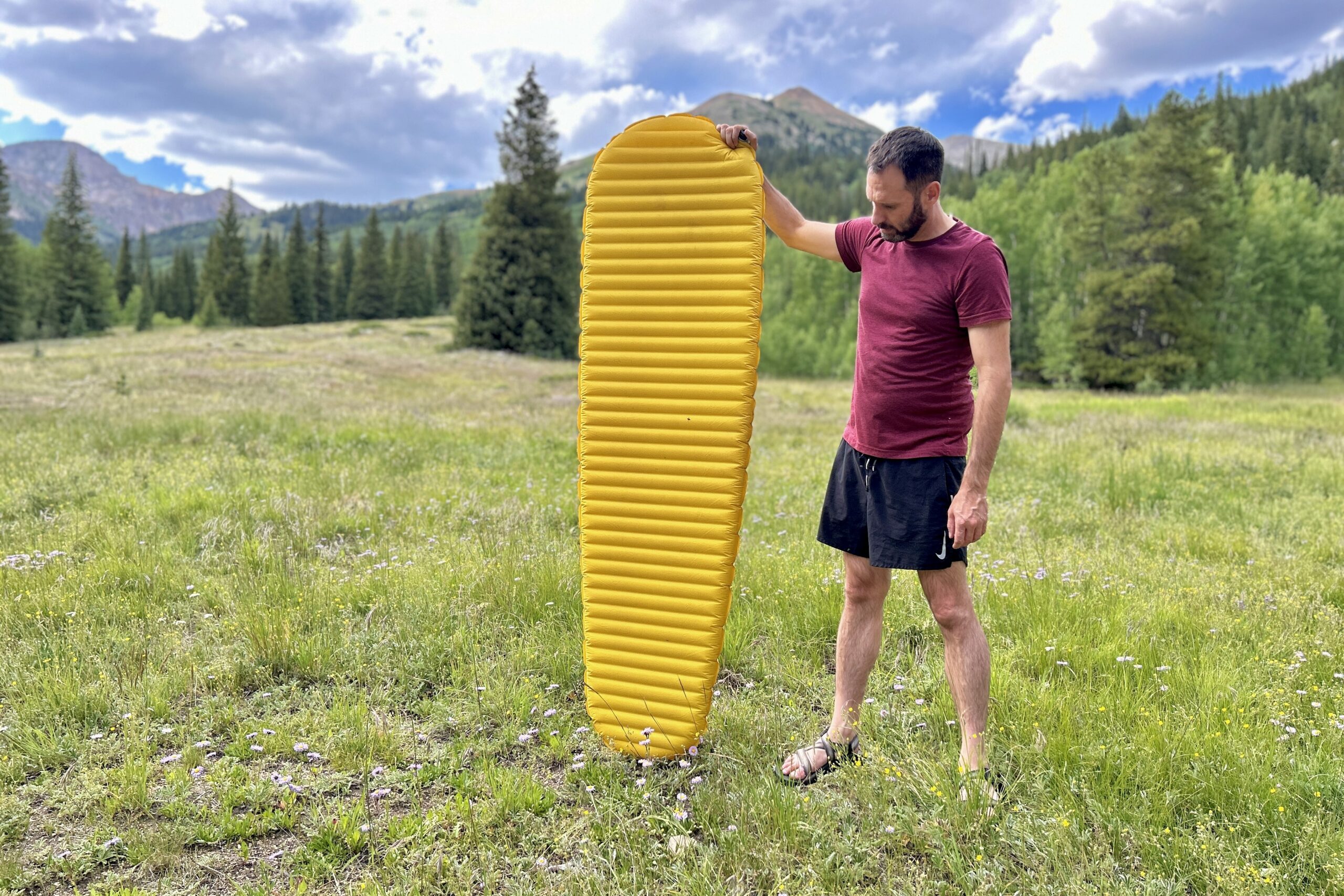
- Dimensions: 72 x 20 in., Regular
- Packed size: 9 x 4.1 in., Regular
- Fabric: 30D ripstop nylon
- Included: Pump sack, stuff sack, field repair kit
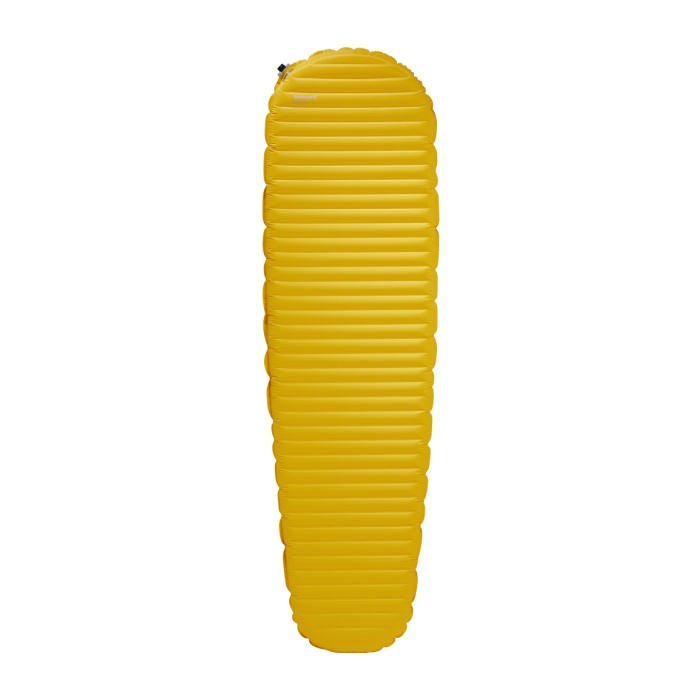
Therm-a-Rest NeoAir XLite NXT
Best Backpacking Sleeping Pad Runner Up
CleverHiker Rating: 4.6/5.0
Price: $210
Weight: 13 oz., Regular
R-Value: 4.5
Thickness: 3 in.
Pros
- Excellent warmth-to-weight ratio
- Very lightweight
- Comfortable for the weight
- Proven durability
- Highly packable
- Much quieter than previous XLites
- Multiple size options
Cons
- Pricey for occasional backpackers
- Pump sack is below average
- Slower to fully deflate than dump-valve pads
- Not our first choice for true winter camping

Comfort
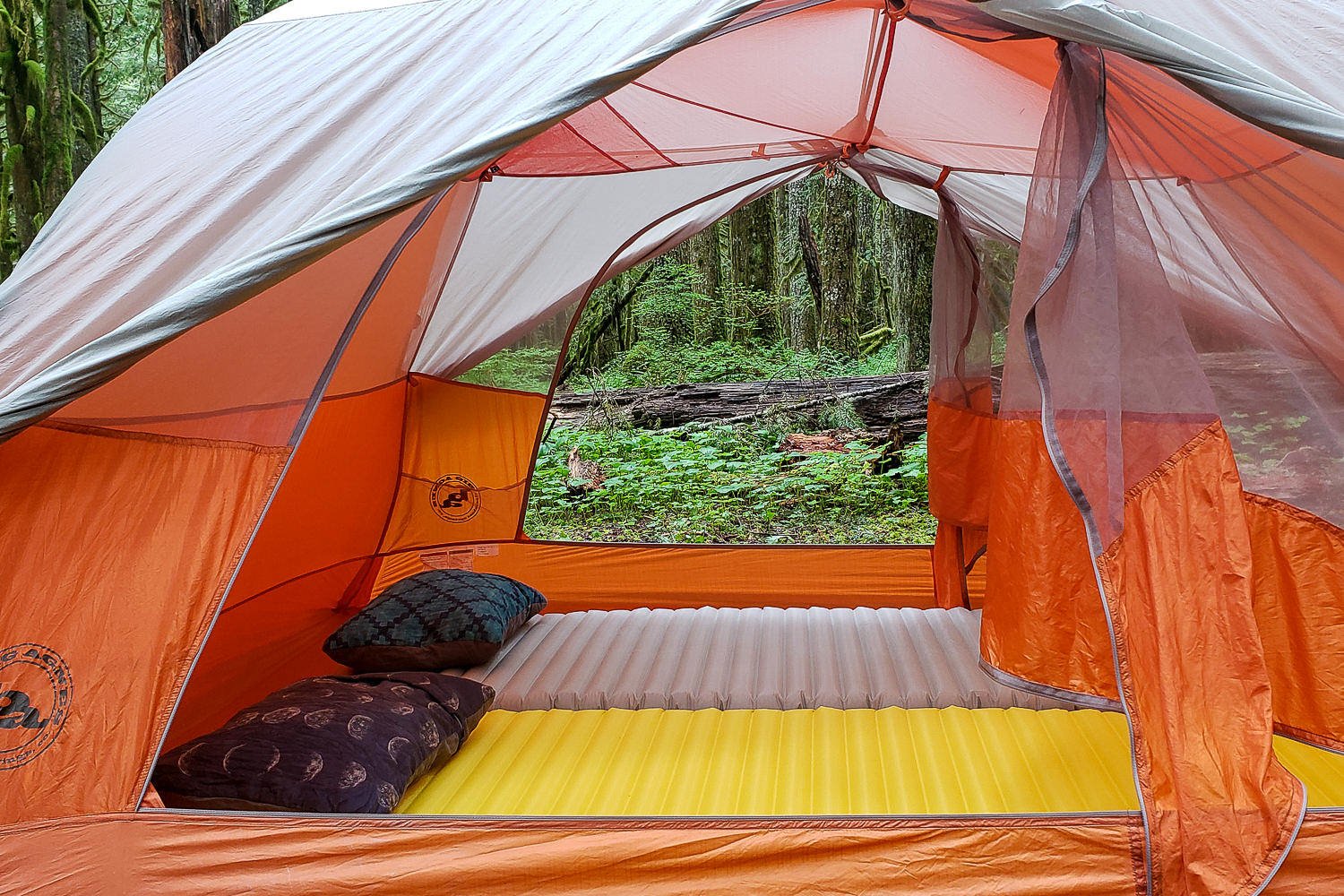
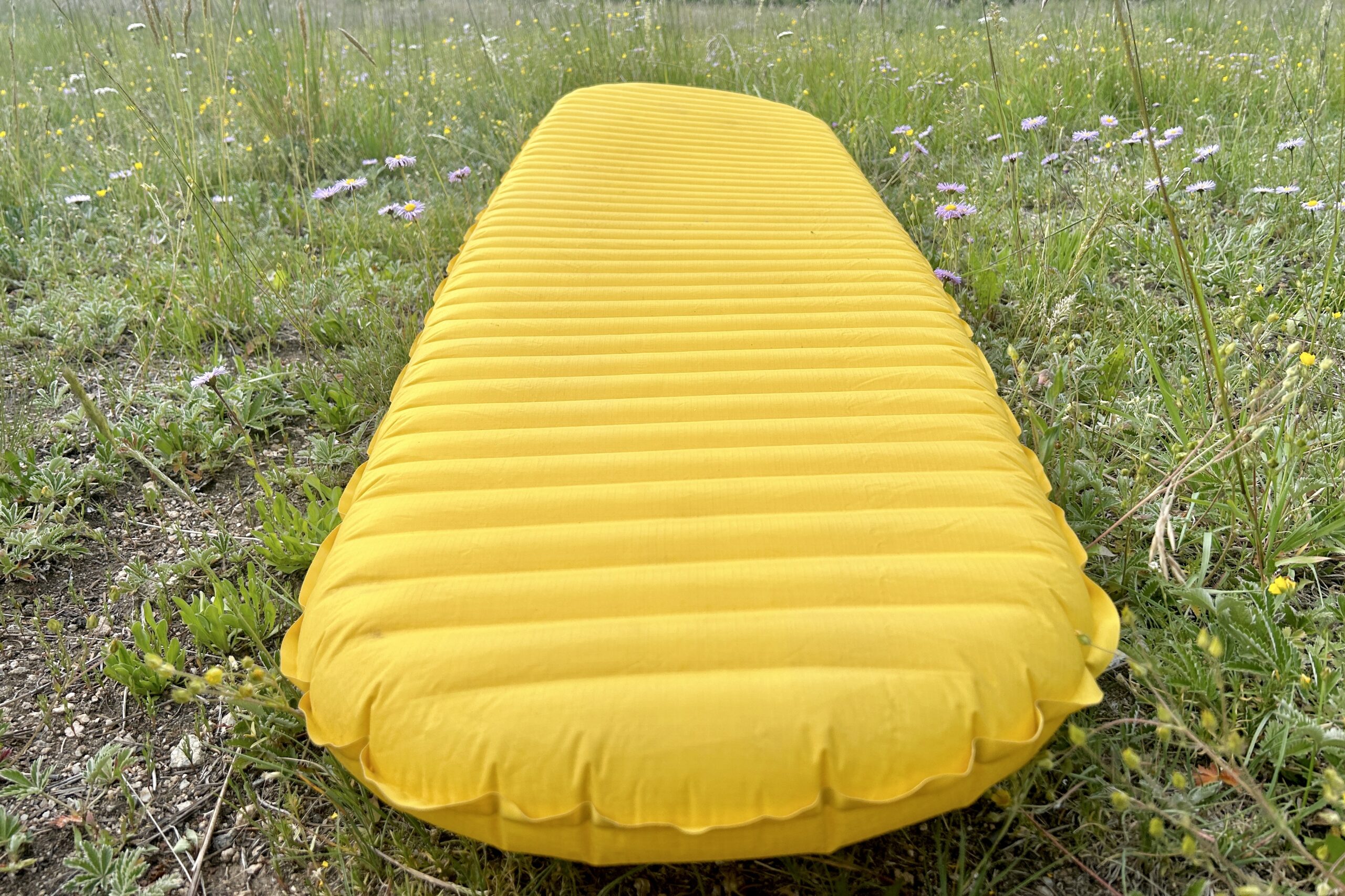
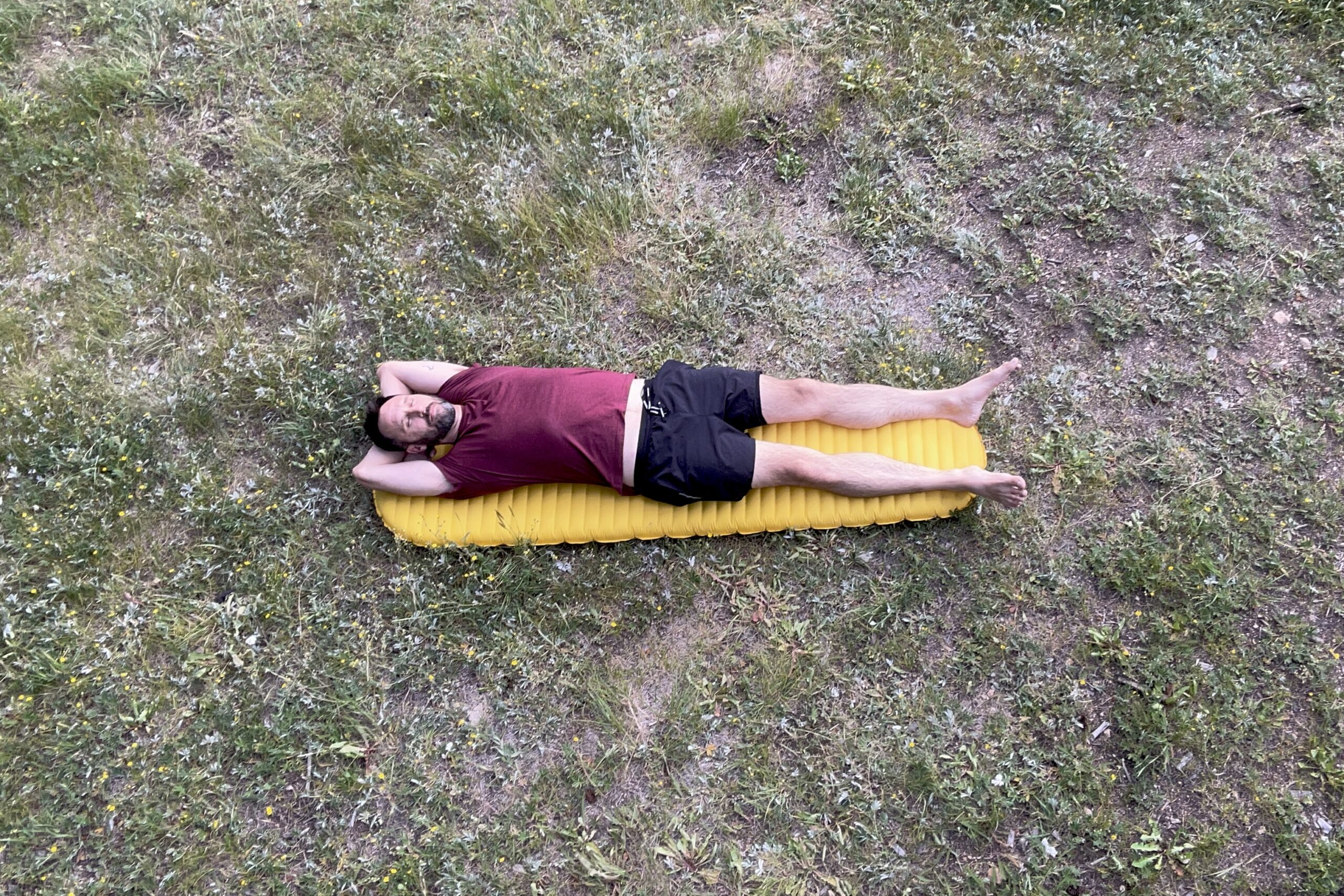
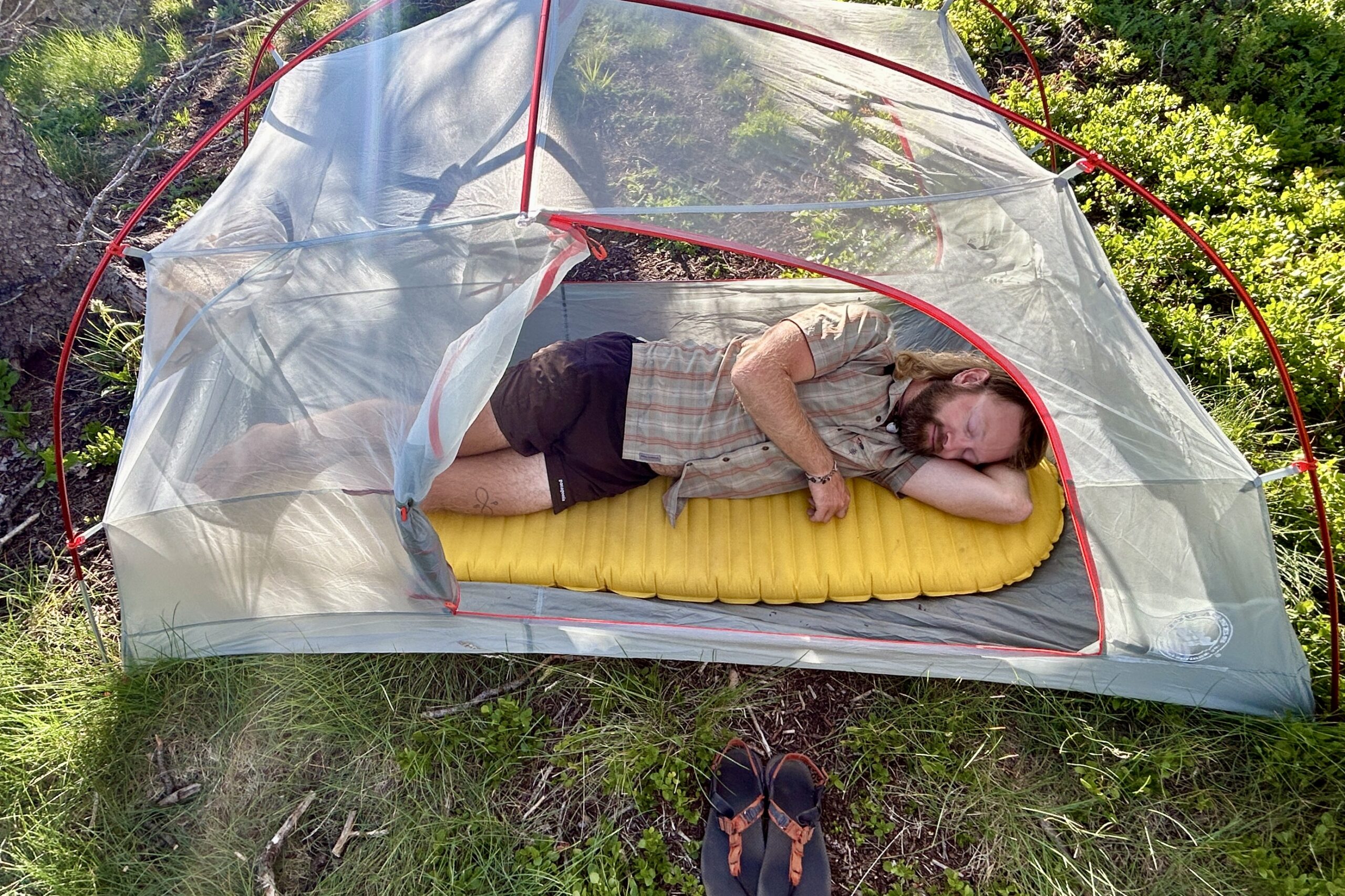
The XLite NXT strikes an impressive balance between low weight and real sleeping comfort. At three inches thick, it provides enough cushioning for us to sleep comfortably in a range of positions without regularly bottoming out.
That extra thickness was one of the meaningful improvements Therm-a-Rest made when it introduced the NXT generation. The older XLite was 2.5 inches thick; the NXT gives you another half-inch of air to work with when adjusting firmness.
The horizontal baffling creates a relatively stable sleeping surface, and the WingLock valve lets you release small amounts of air from the pad once you’re lying down. We like this because a fully rigid air pad isn’t always the most comfortable setting. Being able to bleed out a little air makes it easier to find the firmness that works for your body.
The XLite is also far quieter than previous generations. Older NeoAir pads were famous for their crinkly sound when sleepers rolled over. We’ve used the NXT with tentmates beside us and campers nearby and haven’t had complaints. It isn’t silent—few inflatable backpacking pads are—but noise is no longer a major reason we’d steer someone away from the XLite.
That said, this isn’t the most comfortable pad in the category. In our direct testing, we give the NEMO Tensor All-Season a slight edge. The Tensor is half an inch thicker and its sleeping surface feels a little more forgiving, especially over repeated nights. More comfort-focused designs such as the Therm-a-Rest NeoLoft and Sea to Summit Ether Light XR Insulated provide even more cushioning, but they also weigh significantly more.
The XLite makes the most sense for backpackers who want plenty of comfort without carrying a comfort-first pad.
If sleeping luxury is your absolute top priority, there are better options. If you want a genuinely comfortable pad that’s also exceptionally light, the XLite is one of the best compromises we’ve tested.
Comfort Score: 4.5 / 5.0
Weight & Packability
Weight is where the NeoAir XLite NXT really separates itself.
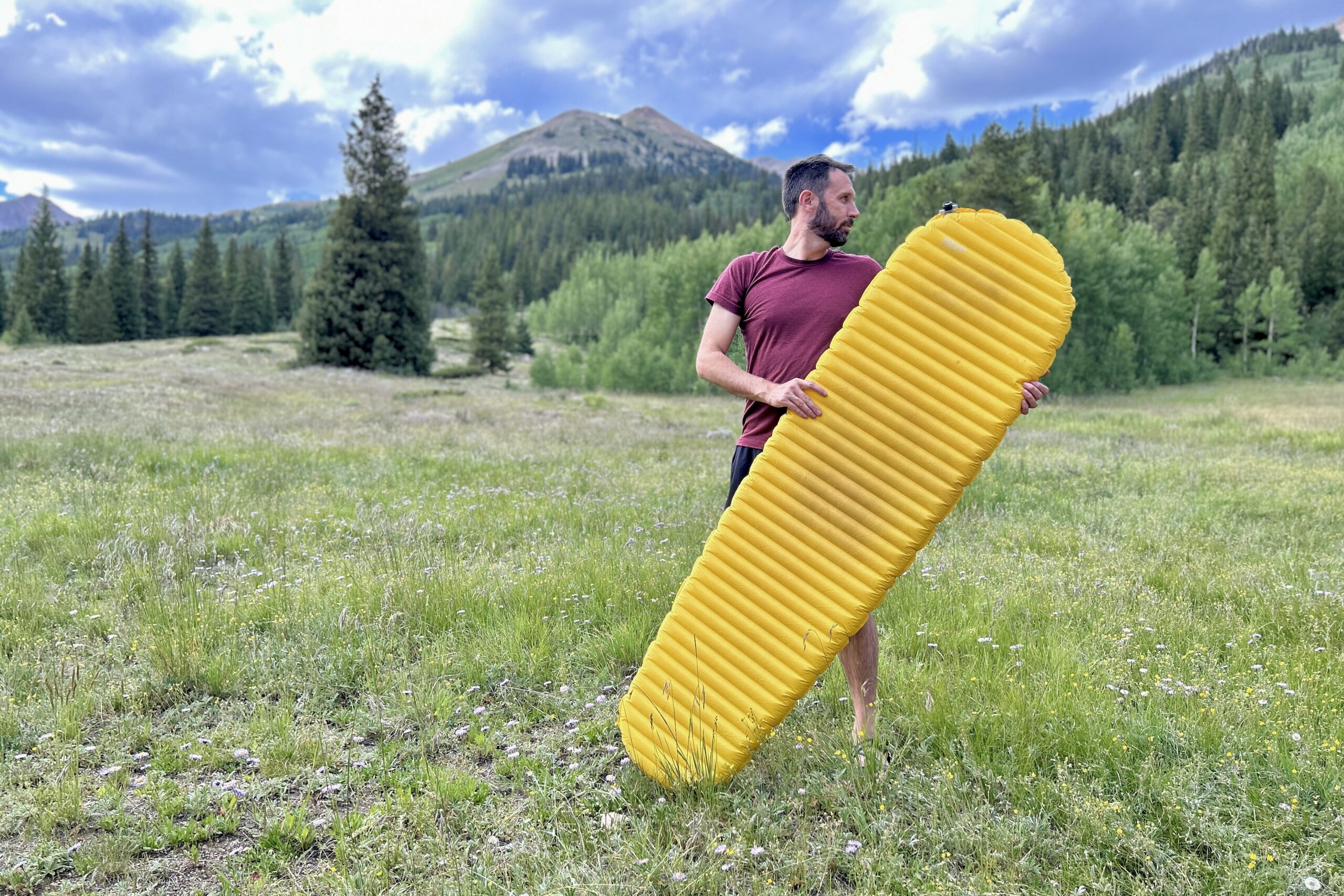
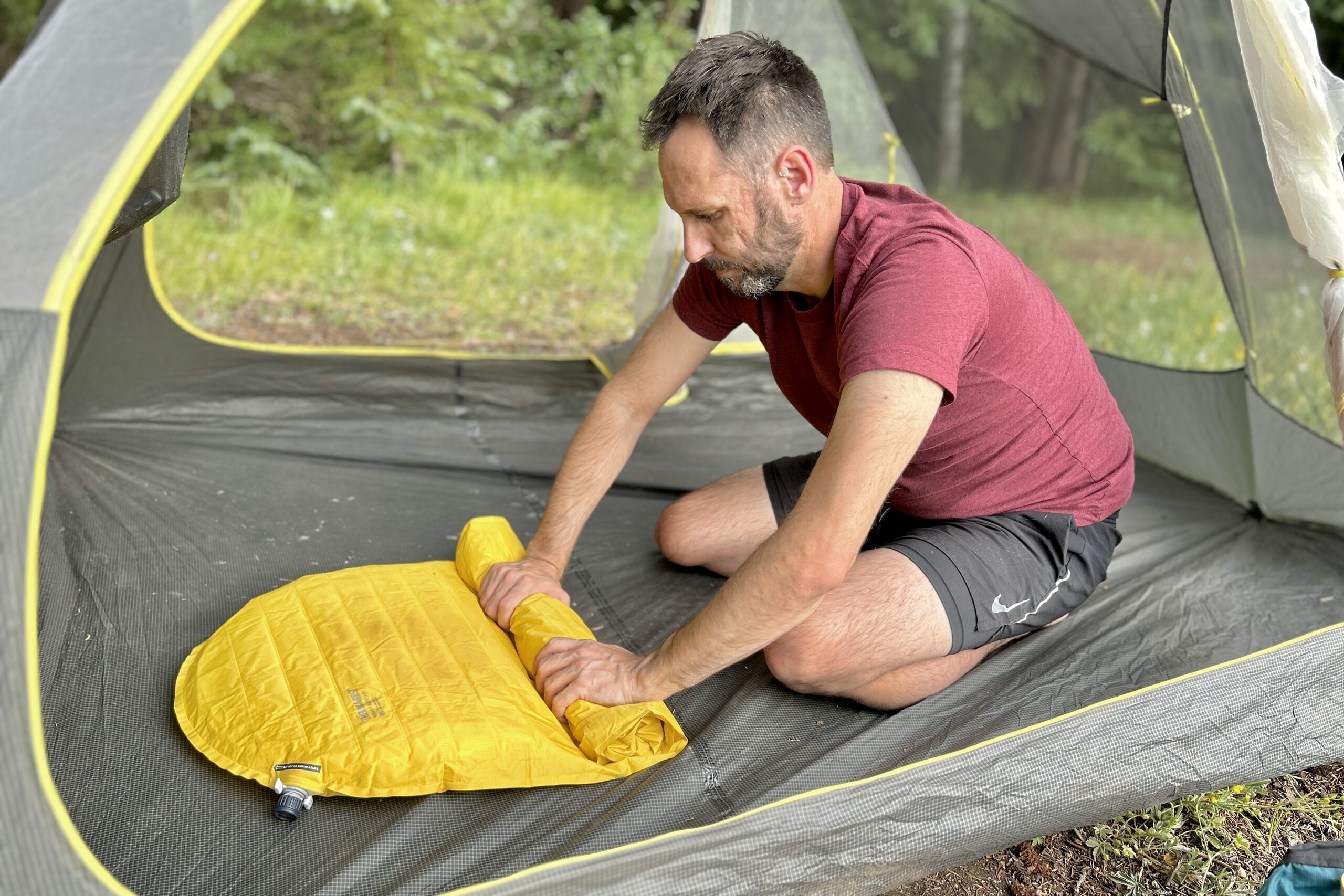
The Regular weighs just 13 ounces, yet it still provides an R-value of 4.5 and three inches of cushioning. It packs down to about 9 by 4.1 inches—roughly the size of a one-liter water bottle—so it disappears easily into a backpack.
That combination has made the XLite a particularly strong choice for thru-hikers and other high-mileage backpackers. We’ve carried it for long stretches of trail where a few ounces genuinely matter, and it provides far more insulation and comfort than its weight would suggest.
The NEMO Tensor All-Season illustrates the tradeoff well. A comparable Regular Mummy Tensor weighs 14.1 ounces, so the XLite saves 1.1 ounces.
That’s not a huge difference for a weekend trip. But long-distance hikers routinely spend considerable money and effort removing an ounce here and an ounce there, and the XLite gives them a legitimate weight advantage without forcing a major sacrifice in comfort or warmth.
The lighter NEMO Tensor Elite goes much further in the gram-counting direction, but it also makes much larger compromises in warmth and durability. We think the XLite is the more balanced choice for most lightweight backpackers.
There’s very little to criticize about the XLite’s packed size, either. The flexible 30D nylon folds and rolls easily, and the packed pad takes up very little room for something that provides this much insulation.
If you’re building a lightweight three-season sleep system, the XLite NXT remains one of the strongest weight-to-performance options we’ve tested.
Weight Score: 4.8 / 5.0
Durability
The most impressive thing about the XLite’s durability is how much abuse it tolerates for its weight.
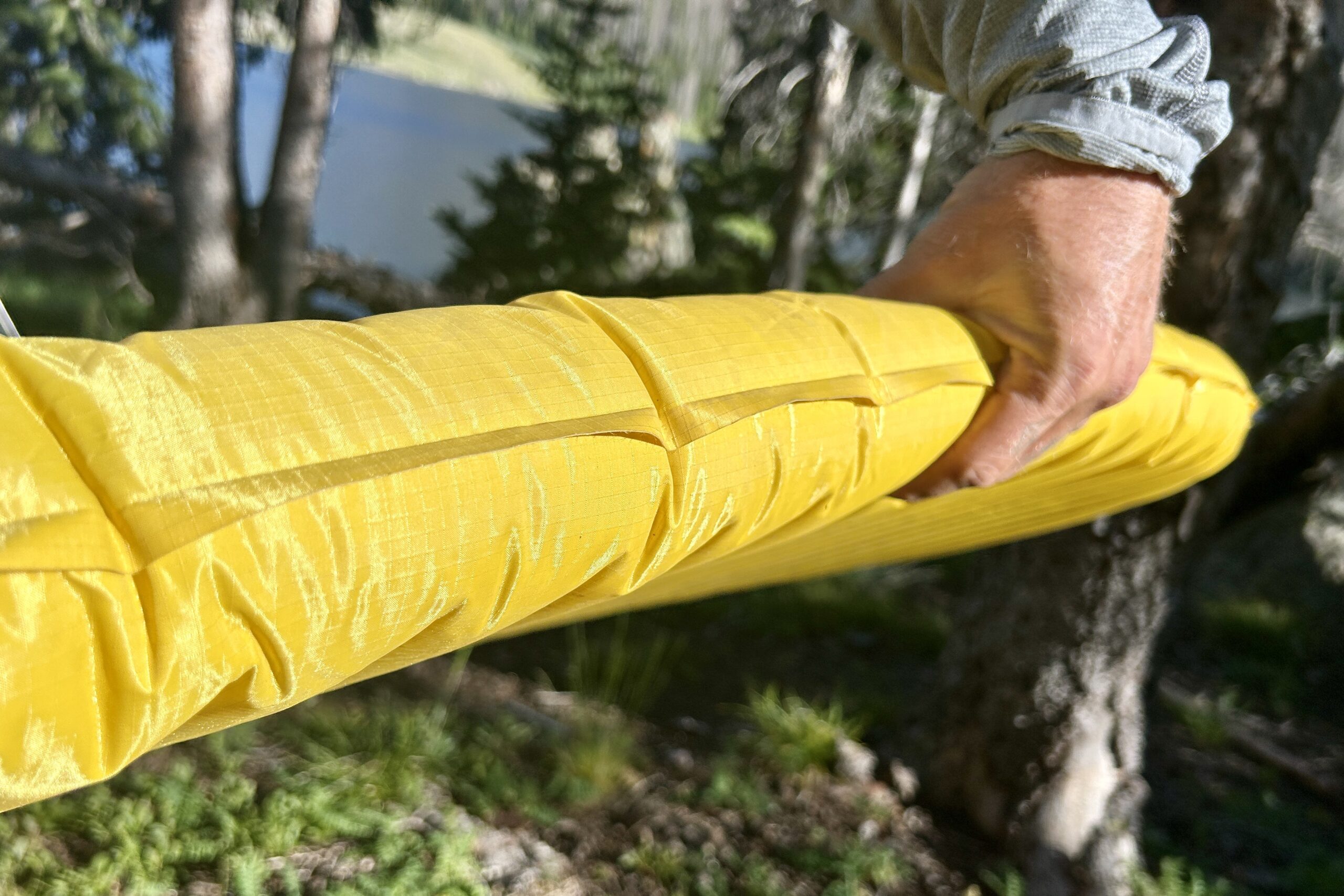
The pad uses 30D ripstop nylon on both sides. There are certainly thicker sleeping pads—we give the cold-weather XTherm NXT an advantage here with its much tougher bottom fabric—but adding material would undermine one of the primary reasons to buy an XLite in the first place.
Our real-world experience has given us confidence in the balance Therm-a-Rest struck.
Casey Handley used the XLite NXT for roughly 300 miles on the Arizona Trail, where prickly vegetation and rough desert campsites create plenty of opportunities to put holes in an inflatable pad. It made it through that test without incident.
Across our broader testing, we’ve put more than 200 nights on XLite NXTs and carried them thousands of trail miles. We’ve found them impressively dependable as long as they’re treated like what they are: lightweight inflatable pads rather than indestructible pieces of foam.
That distinction matters. An XLite can still puncture. We clear obvious sticks, thorns, and sharp rocks before putting it down, and we’d exercise more caution around animal claws than we would with a foam pad such as the NEMO Switchback or Therm-a-Rest Z Lite Sol.
Therm-a-Rest also includes a field repair kit, which belongs in your backpack when you’re relying on an air pad.
But we don’t think the XLite needs to be babied. Its durability has proven more than sufficient for long-distance backpacking in our testing, and that’s one of the reasons it remains such a compelling choice for thru-hikers.
Durability Score: 4.5 / 5.0
Warmth
An R-value of 4.5 is impressive in a 13-ounce pad.
We’ve used the XLite NXT on cold shoulder-season trips—including snowy outings in Idaho’s Sawtooth Mountains—and found it to be a dependable three-season sleeping pad when paired with an appropriate sleeping bag or quilt.
Its warmth is particularly valuable for lightweight backpackers. Cutting weight from a sleeping pad is easy if you’re willing to remove insulation; providing substantial insulation while staying close to 13 ounces is much harder.
That doesn’t make the XLite a dedicated winter pad.
The current CleverHiker category judgment is that it provides plenty of insulation for typical summer trips and cooler shoulder-season conditions, but we wouldn’t choose it as our standalone pad for genuinely cold winter camping.
For that, we prefer the Therm-a-Rest NeoAir XTherm NXT. Its R-value of 7.3 provides a much larger insulation margin for sleeping over snow or frozen ground.
The NEMO Tensor All-Season also offers a little more versatility than the XLite. Its R-value is 5.4, and we’ve tested it comfortably down to roughly 23°F, including several nights at or below freezing with light snow.
The Tensor’s greater warmth is one reason it now holds our top overall spot.
But that shouldn’t obscure what the XLite accomplishes. At 13 ounces, R-4.5 is still an exceptional warmth-to-weight ratio, and for most three-season backpackers it provides enough insulation to cover the majority of trips they’ll actually take.
Warm-weather-only backpackers may not need this much insulation or need to spend this much money. For people who regularly hike through spring, summer, and fall, though, the XLite earns its versatility.
Warmth Score: 4.5 / 5.0
Ease of Setup
The XLite NXT is easy enough to live with every day on trail, but convenience is the area where its closest competitors have caught and passed it.
Therm-a-Rest’s WingLock valve works well. It prevents air from escaping while you inflate the pad and makes small firmness adjustments straightforward once you’re lying down.
Our bigger complaint is the overall inflation and pack-up system.
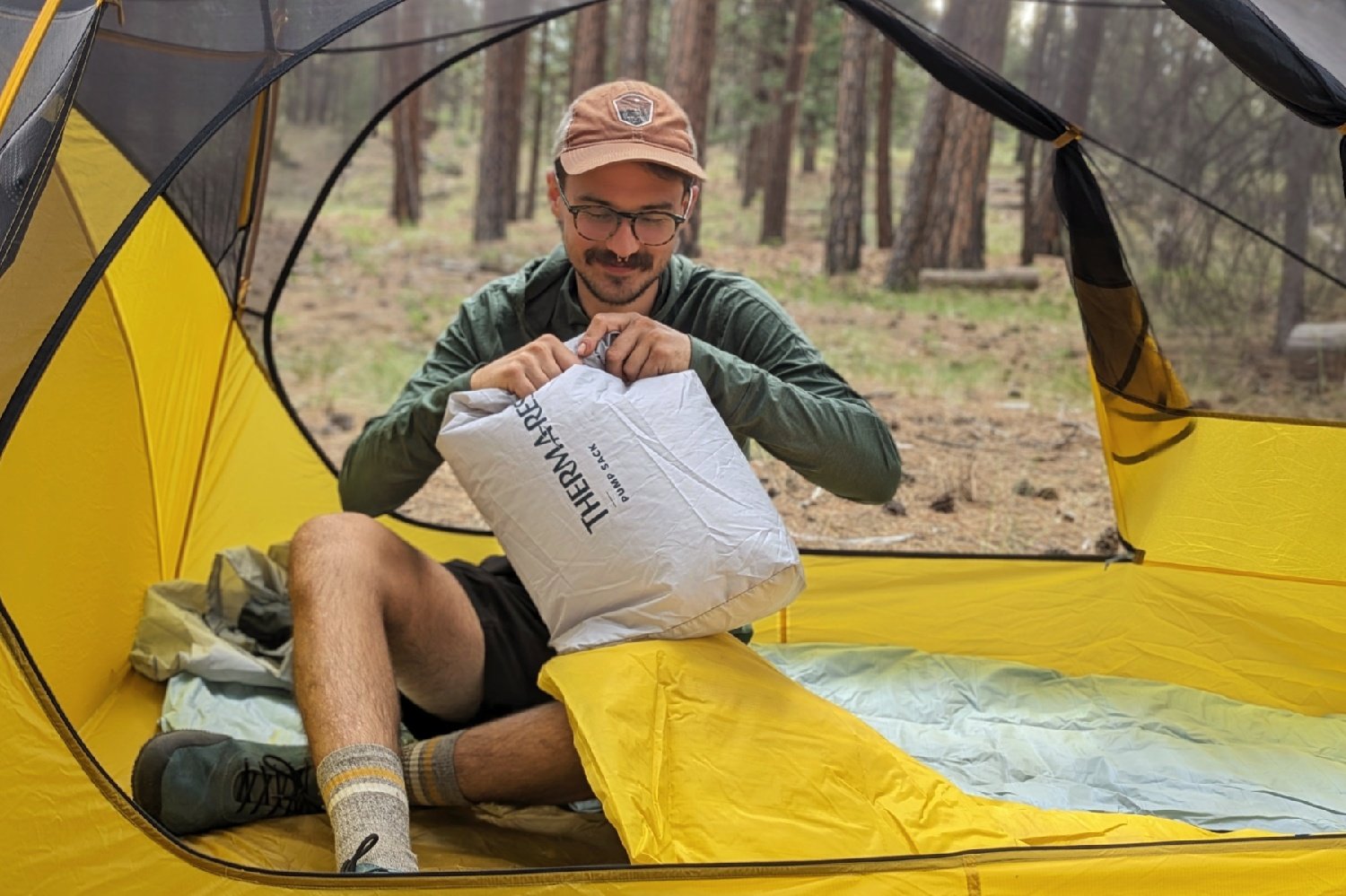
The included pump sack is functional, but it’s one of our less-favorite designs in this category. The opening can be awkward to capture and seal efficiently, and it doesn’t feel as refined as NEMO’s Vortex pump sack.
Deflation also takes more work than pads with a dedicated large dump valve. You can get the air out of the XLite without much trouble, but fully squeezing and rolling the remaining air out takes additional effort when you’re trying to pack efficiently in the morning.
This difference becomes more noticeable over repeated nights.
The Tensor All-Season’s Laylow valve opens wide and dumps air quickly, making it easier in our testing to get the pad completely flat and rolled tightly on the first attempt. Its Vortex pump sack is also one of our favorite inflation systems.
Those aren’t enormous disadvantages for the XLite. We’ve happily used it on long trips despite them.
But when two premium pads perform this well, small daily conveniences become meaningful differentiators. Weight favors the XLite; setup and pack-up favor the Tensor.
Ease of Setup Score: 4.5 / 5.0
Should You Buy the Therm-a-Rest XLite NXT?
The NeoAir XLite NXT is an excellent choice for backpackers who want to keep pack weight low without sacrificing much in the rest of their sleep system.
Its strengths are unusually well balanced: 13-ounce Regular weight, R-4.5 insulation, three inches of cushioning, tiny packed size, proven long-distance durability, and substantially improved noise compared with previous generations.
That’s why the XLite remains our runner-up among backpacking sleeping pads even after years of new competitors entering the category.
We’d especially recommend it to thru-hikers, lightweight backpackers, and anyone who scrutinizes pack weight but doesn’t want an ultralight pad that’s fragile, thin, or limited to warm summer conditions.
There are a few reasons to choose something else.
If your number-one priority is comfort, the NeoLoft or Ether Light XR provide a more luxurious sleeping surface at a substantial weight penalty.
If you routinely camp in true winter conditions, we’d choose the XTherm NXT.
And if you’re deciding between the XLite and our top overall pick, the NEMO Tensor All-Season, the choice is fairly simple.
Choose the XLite if saving every possible ounce matters most. Choose the Tensor if you value a little more warmth, a slight comfort advantage, and easier daily setup and pack-up.
After more than 200 nights of use, it’s still one of the easiest premium sleeping pads for us to recommend.
What Other Backpacking Pads Should You Consider?
NEMO Tensor All-Season Review: The Tensor All-Season is our top overall pick and the closest alternative to the XLite. A comparable Regular Mummy weighs 14.1 ounces—1.1 ounces more than the XLite—but it has a higher R-value of 5.4.
In our testing, the Tensor is also slightly more comfortable, and we strongly prefer its Vortex pump sack and fast-deflating valve.
Pick the XLite for the lower weight. Pick the Tensor for greater warmth, slightly more comfort, and easier setup and pack-up.
Therm-a-Rest NeoAir Xtherm NXT Review: If you need considerably more insulation for winter backpacking, move to the XTherm NXT.
It shares some of the same basic NeoAir DNA but increases the R-value to 7.3 and uses tougher material where durability matters most. You’ll carry additional weight, but the extra insulation is worthwhile when you’re routinely sleeping on snow, frozen ground, or in genuinely cold winter conditions.
Big Agnes Zoom UL Review: The Big Agnes Zoom UL is another lightweight three-season option with competitive warmth and a thick, comfortable sleeping surface.
It doesn’t match the XLite’s overall combination of weight, durability, and packability in our testing, but it’s a worthwhile alternative when pricing or its wider, side-railed design better fits your priorities.
Sea To Summit Ether Light XR Insulated Review: The Ether Light XR takes almost the opposite approach from the XLite.
Its nearly four-inch sleeping surface and Air Sprung Cell construction make it one of the more comfortable pads we’ve tested, and its tougher construction gives it strong durability.
The tradeoff is straightforward: it’s substantially heavier than the XLite.
If you care most about keeping weight low, we’d take the XLite. If a softer, thicker sleeping surface matters more than ounces, the Ether Light XR is worth considering.
More Photos
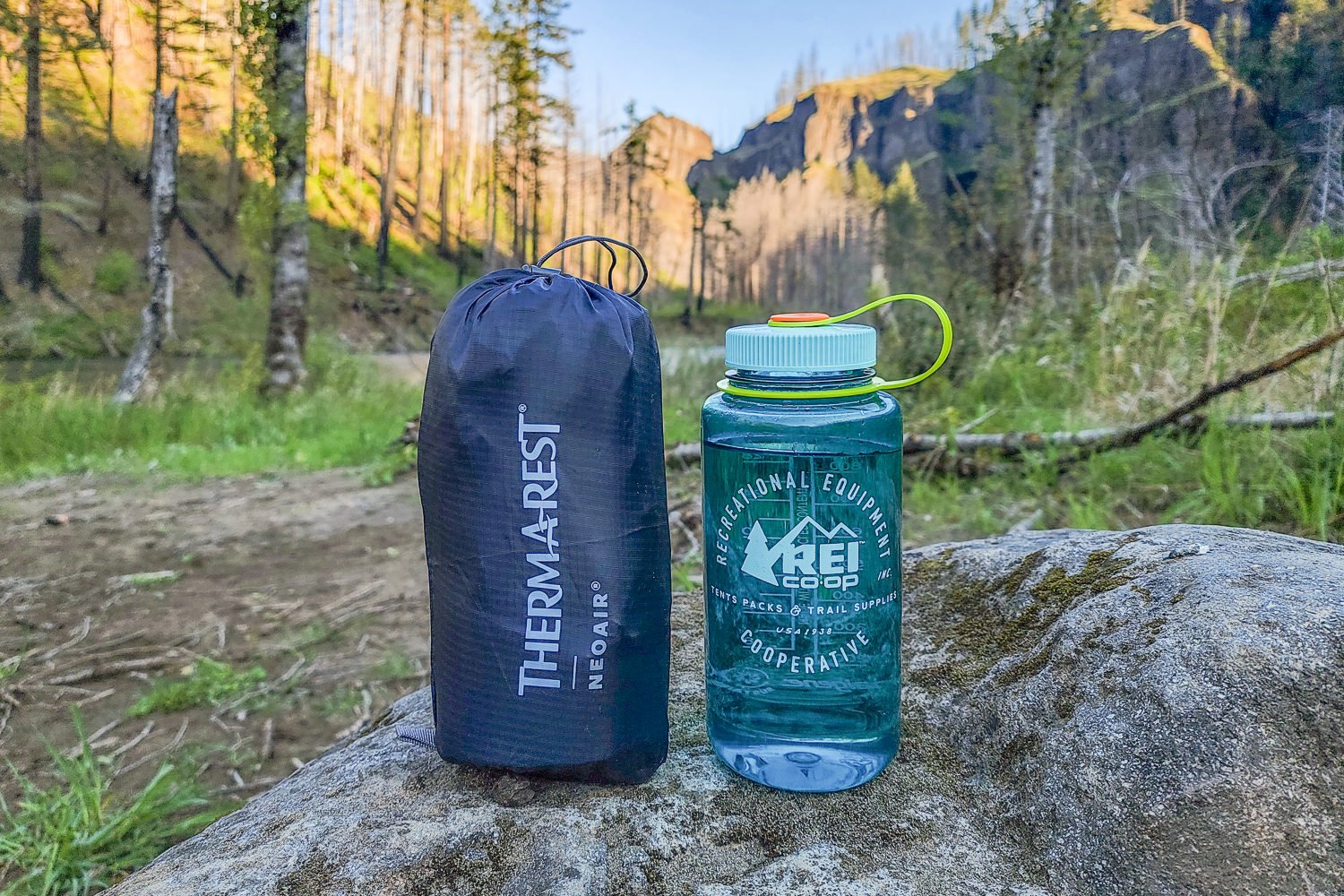
it’s a tidy little package of comfort and warmth. – photo credit: heather eldridge (cleverhiker.com)
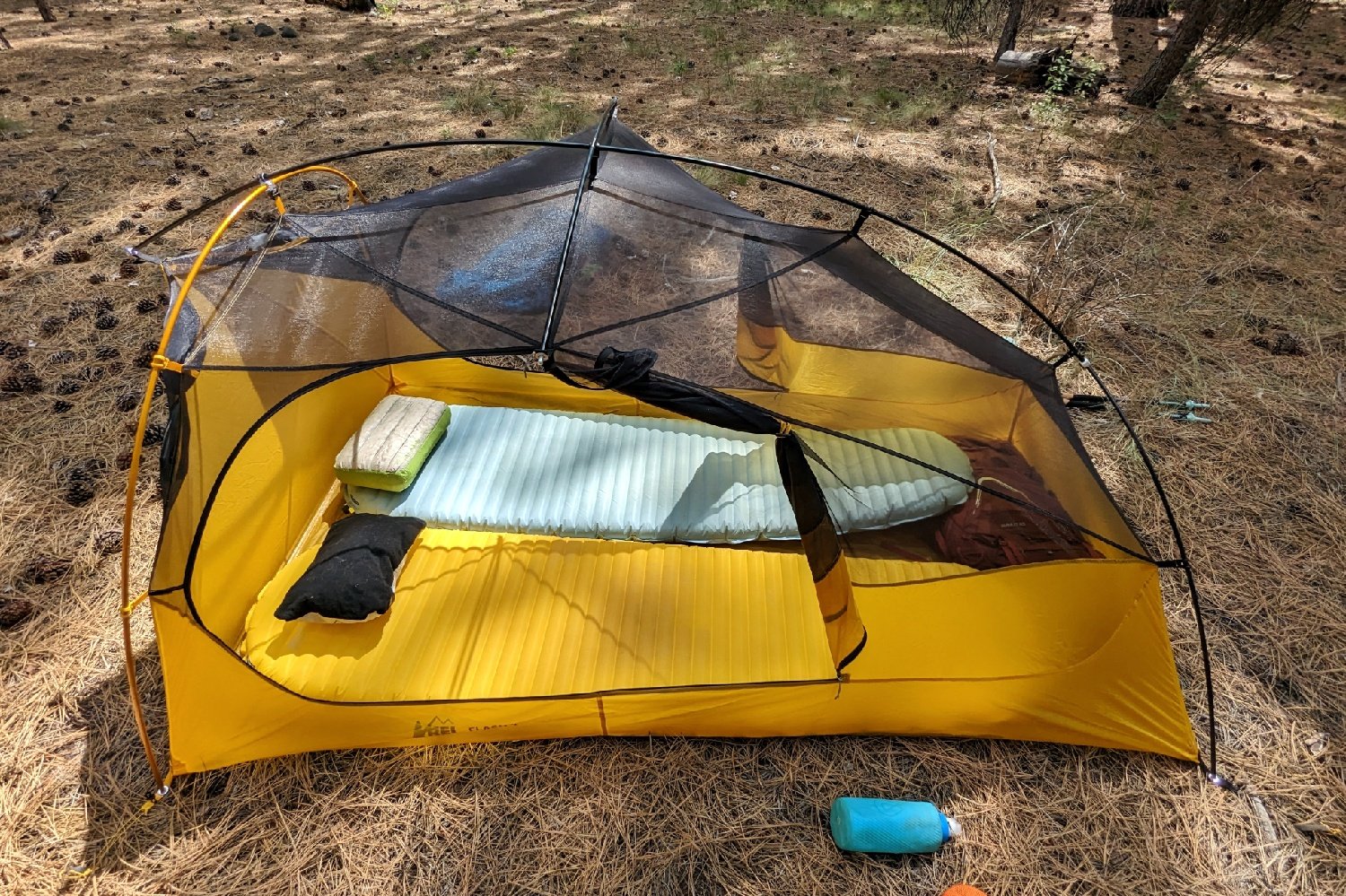
This pad’s balanced mix of lightweight materials and thoughtful design ensures a restful night’s sleep, despite its minimal packed size. – Photo Credit: Ian Krammer (CleverHiker.com)
The Neoair has held the spotlight in inflatable pads for good reason and we love the upgrades of the neoair xlite NXT
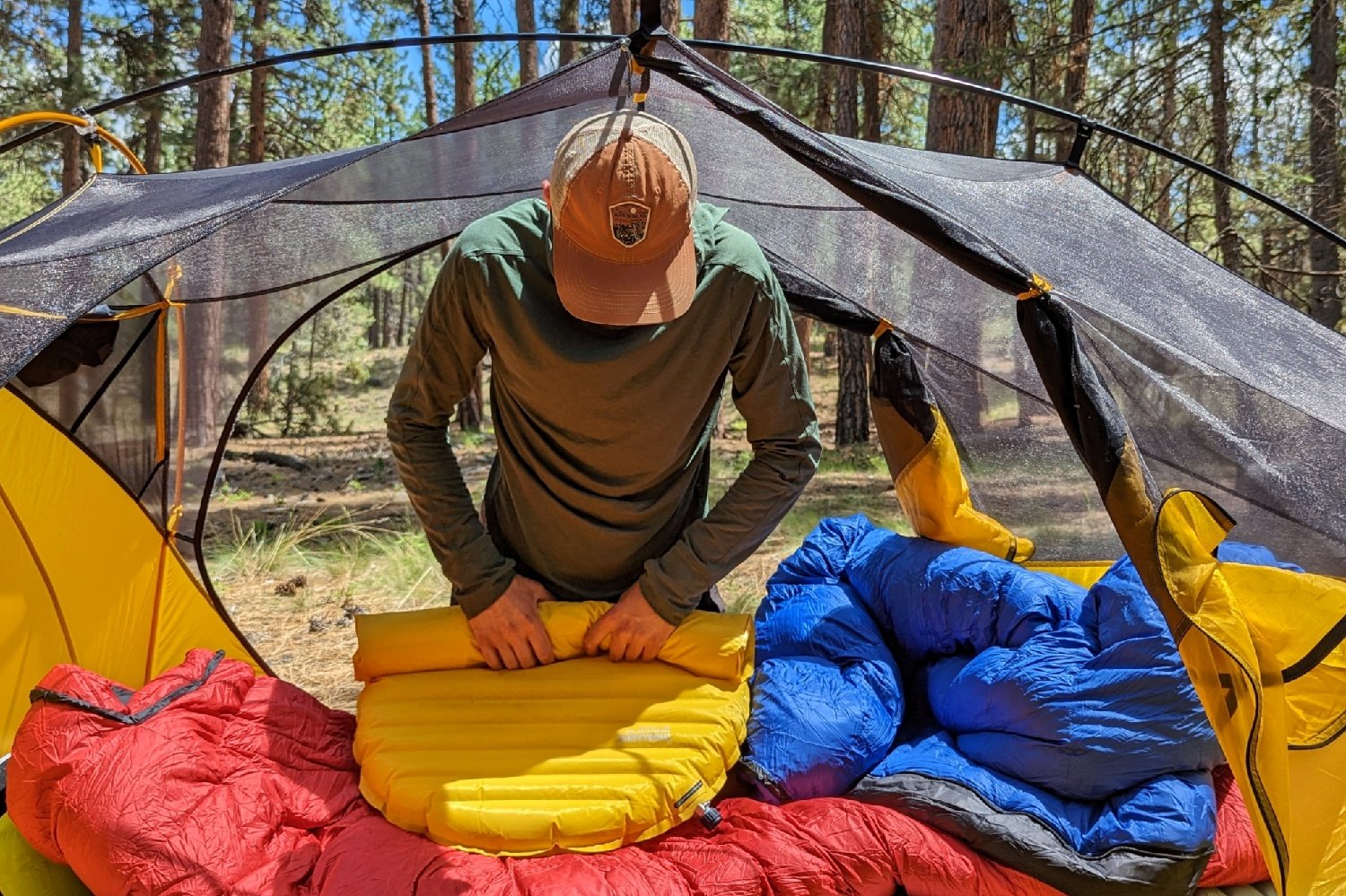
the morning ritual of packing this pad is a little slower without a dump valve. – photo credit: casey handley (cleverhiker.com)

The pad’s single WingLock valve is easy to use whether inflating or deflating, even after a long day on the trail. – Photo Credit: Ian Krammer (CleverHiker.com)
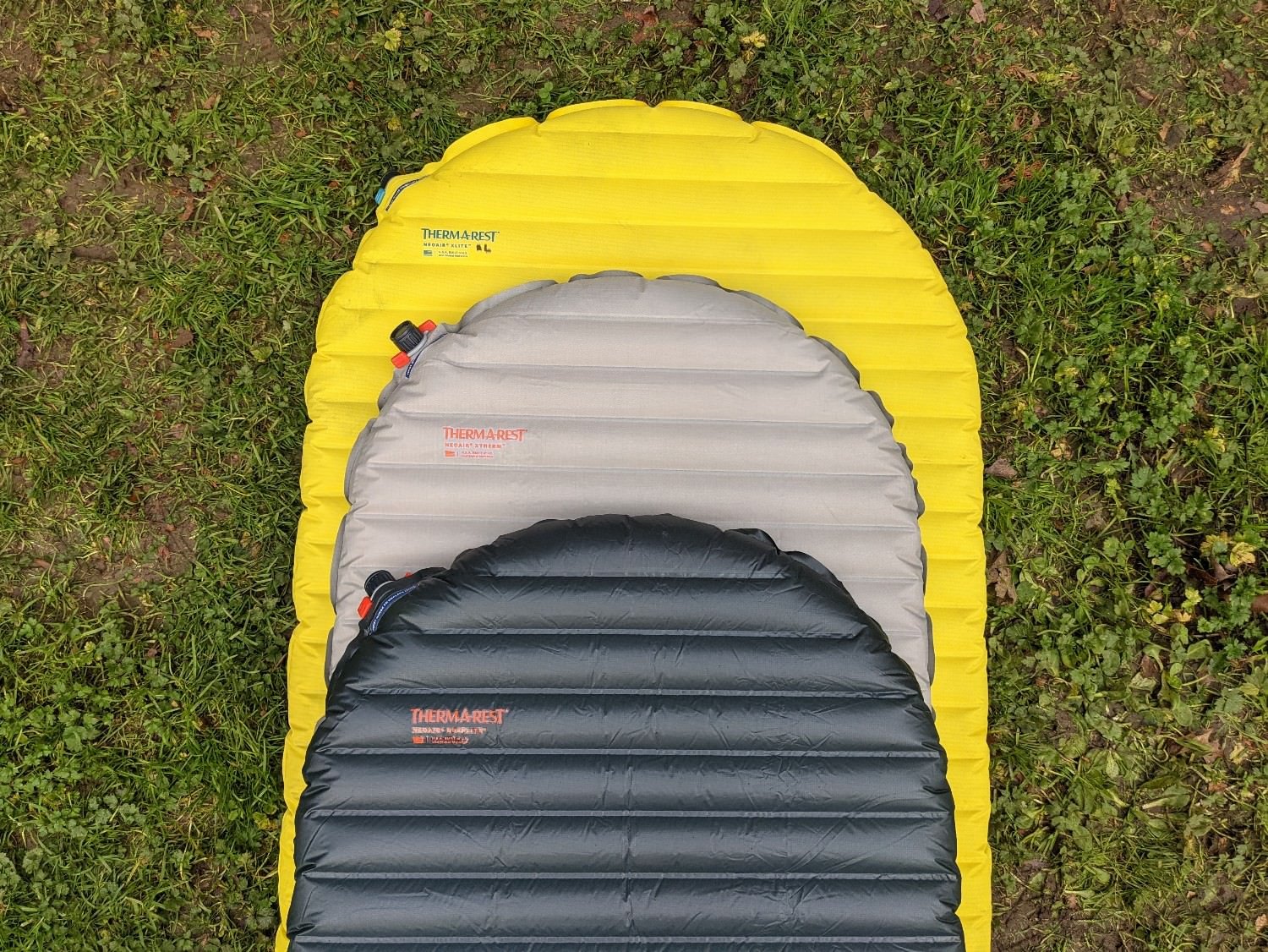
think of us gear analysts as princesses and the pea when it comes to sleeping pad preferences. – photo credit: casey handley (cleverhiker.com)
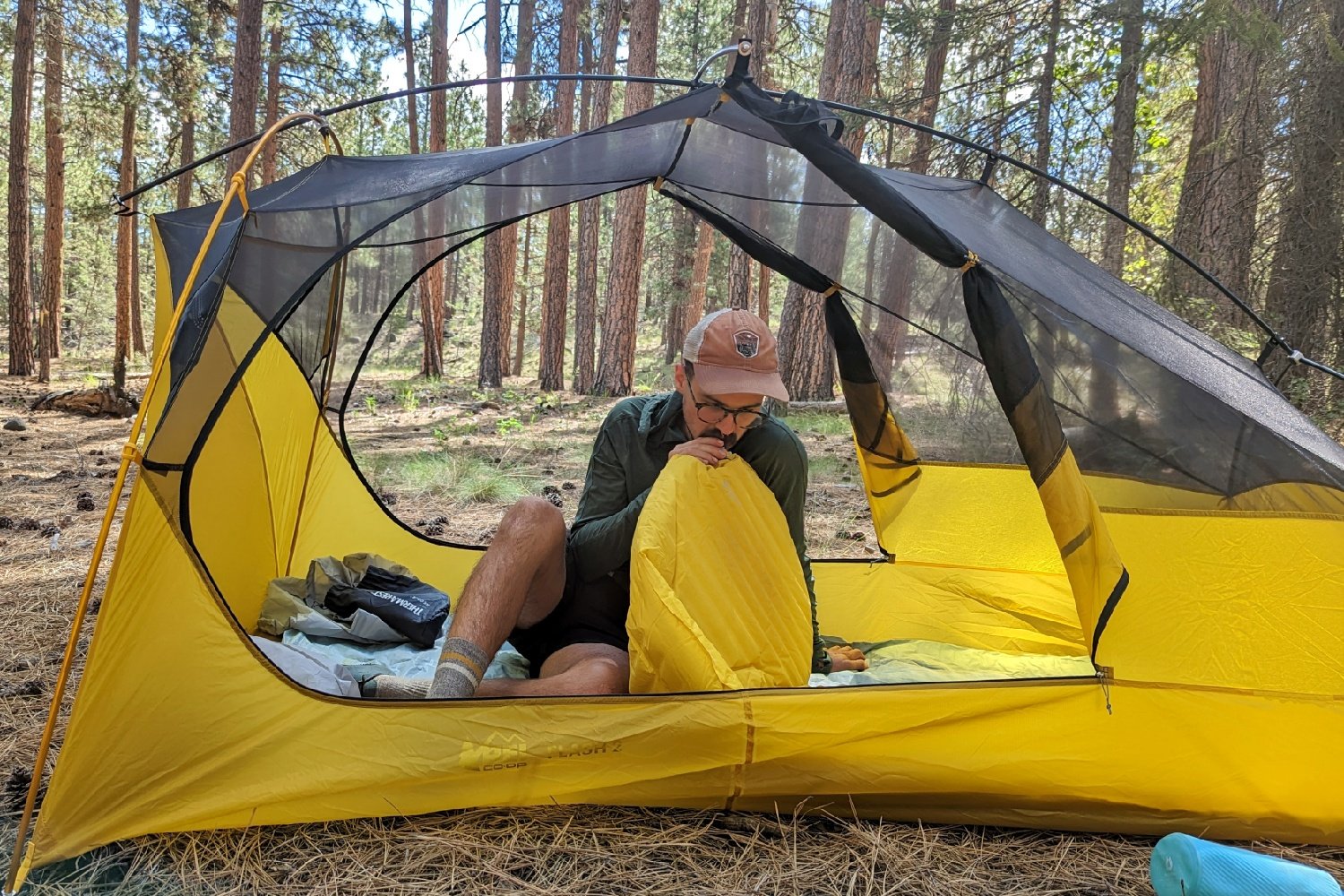
the therm-a-rest neoair xlite NXT isn’t winning the inflation or deflation race, but it isn’t that bad. – photo credit: casey handley (cleverhiker.com)

We love multipurpose gear. – photo credit: dave collins (cleverhiker.com)
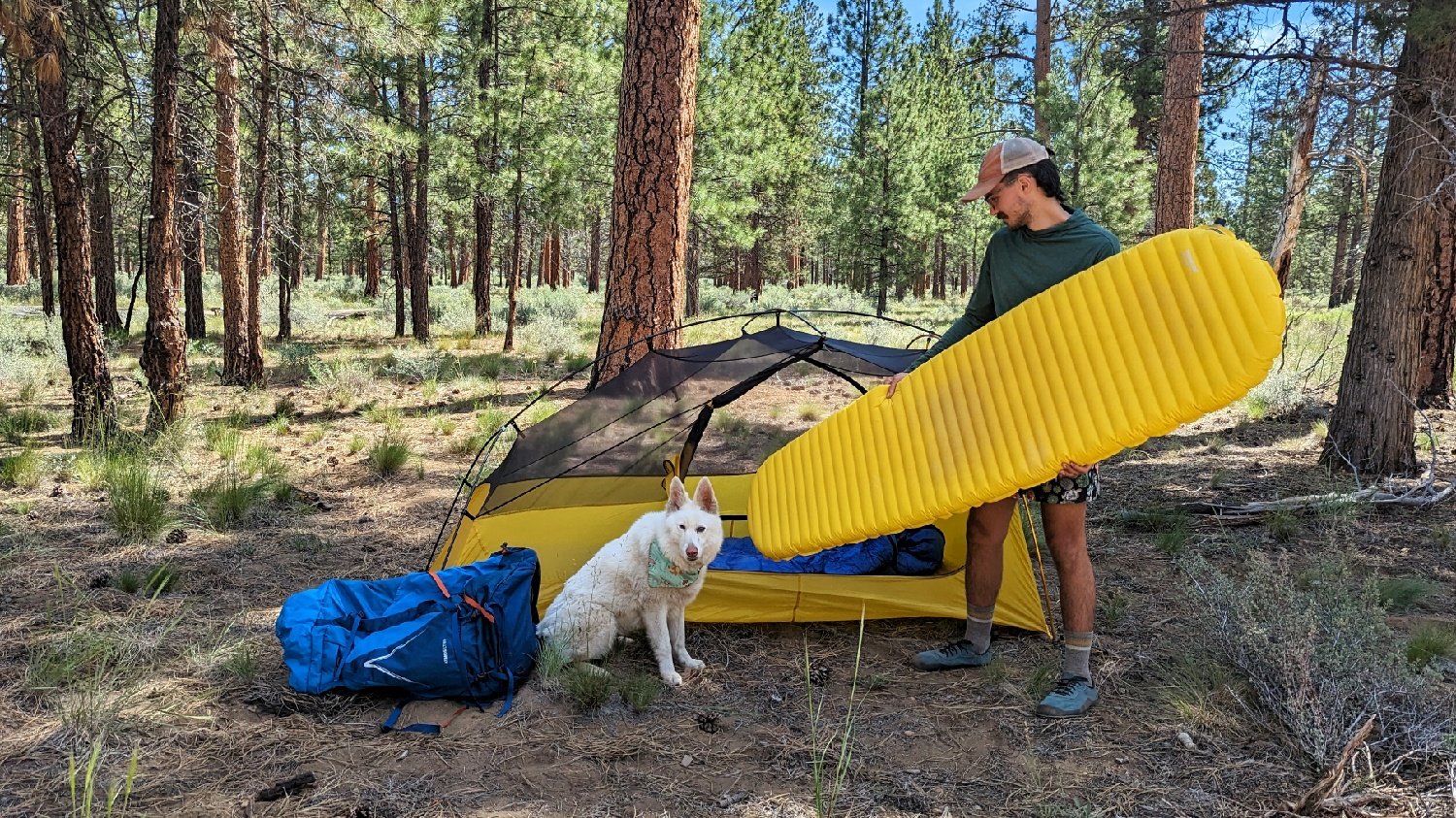
While the neoair xlite nxt is durable, our furry friends are pad poppers and we wouldn’t trust them to lay a paw on this pad. – photo credit: casey handley (cleverhiker.com)
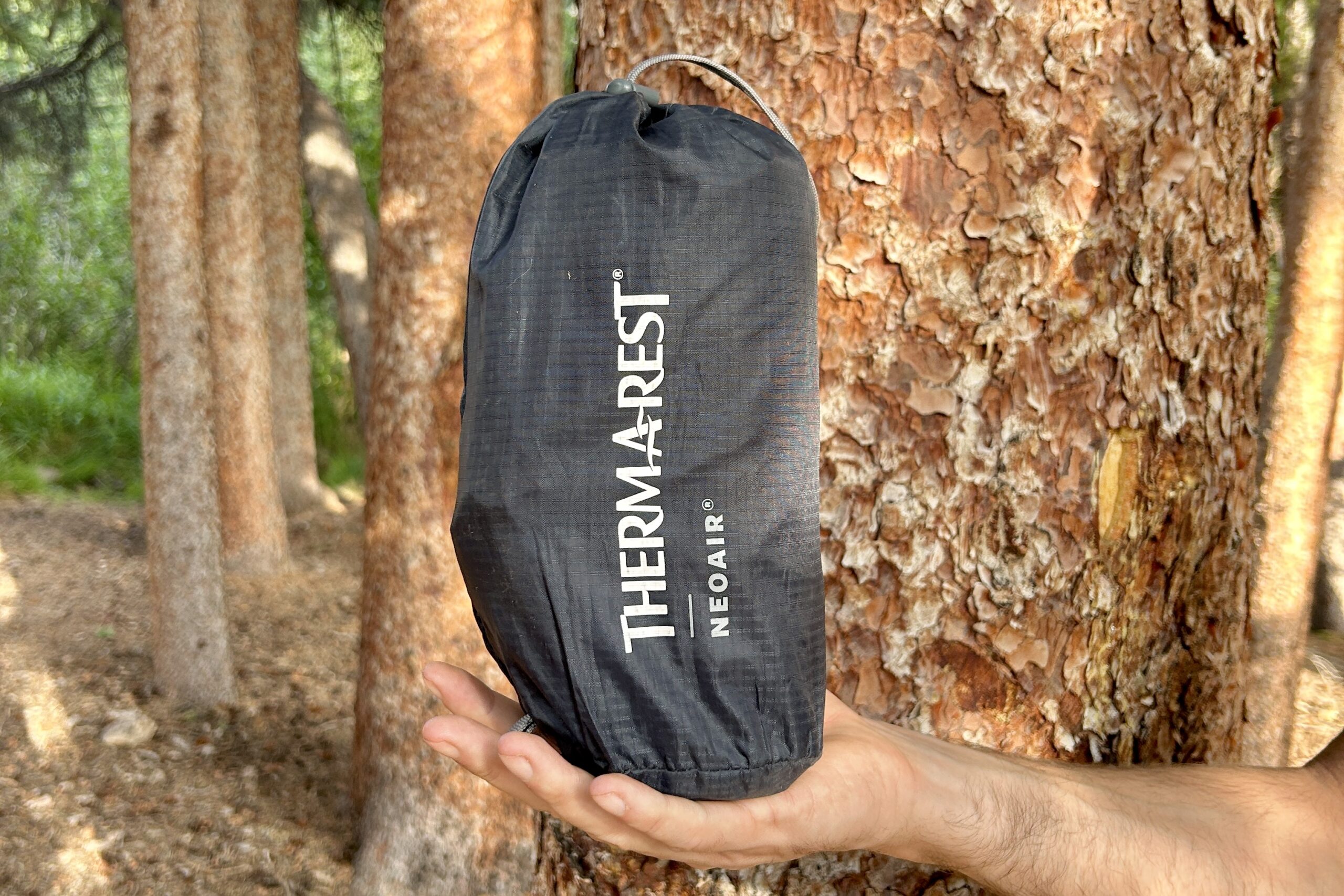
The XLite is impressively lightweight and its minimal packed size is perfect for multi-day treks where space is essential. – Photo Credit: Ian Krammer (CleverHiker.com)
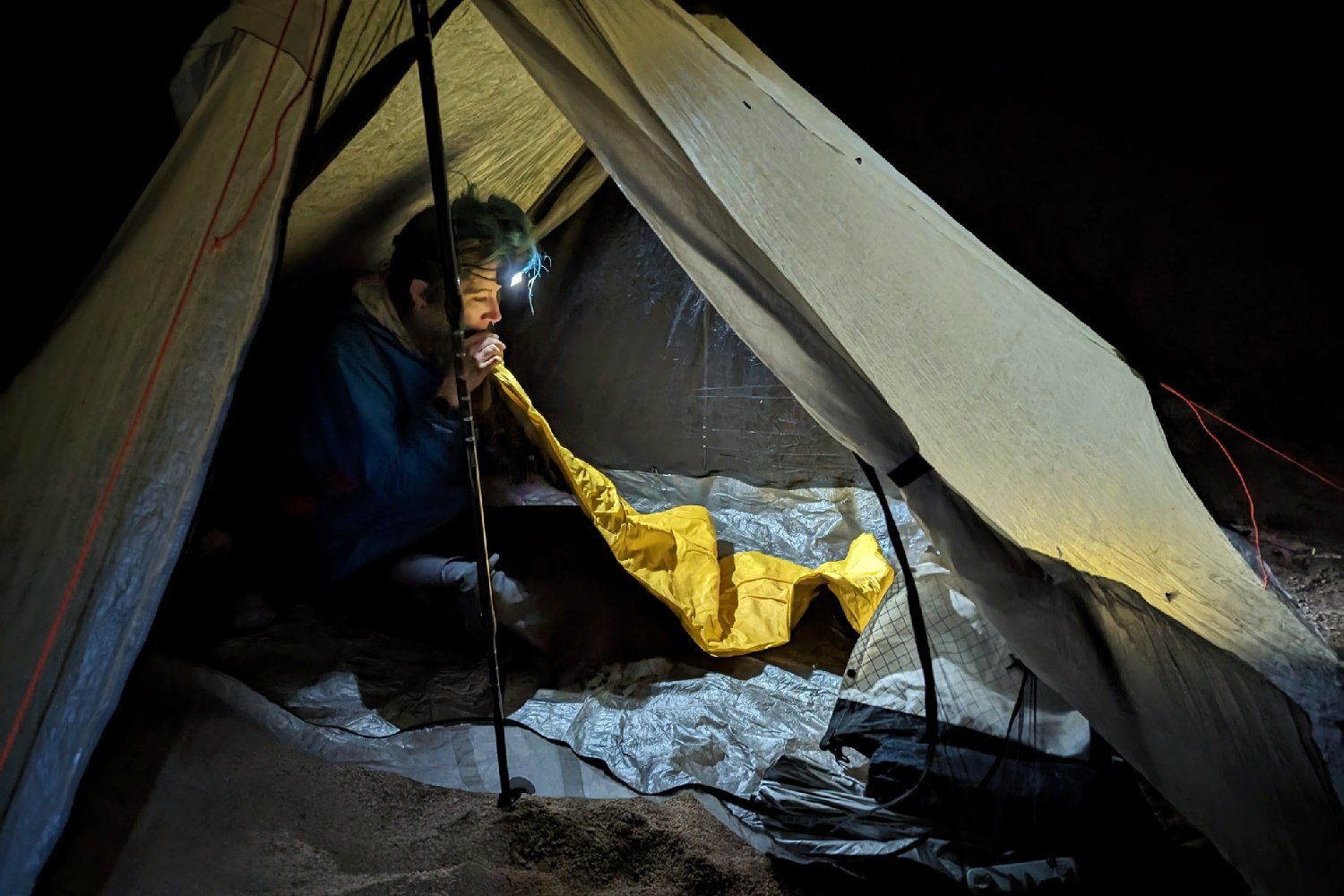
we hiked with this pad on a the arizona trail and it delivered 3 inches of luxury comfort atop some rough terrain. – photo credit: casey handley (cleverhiker,com)
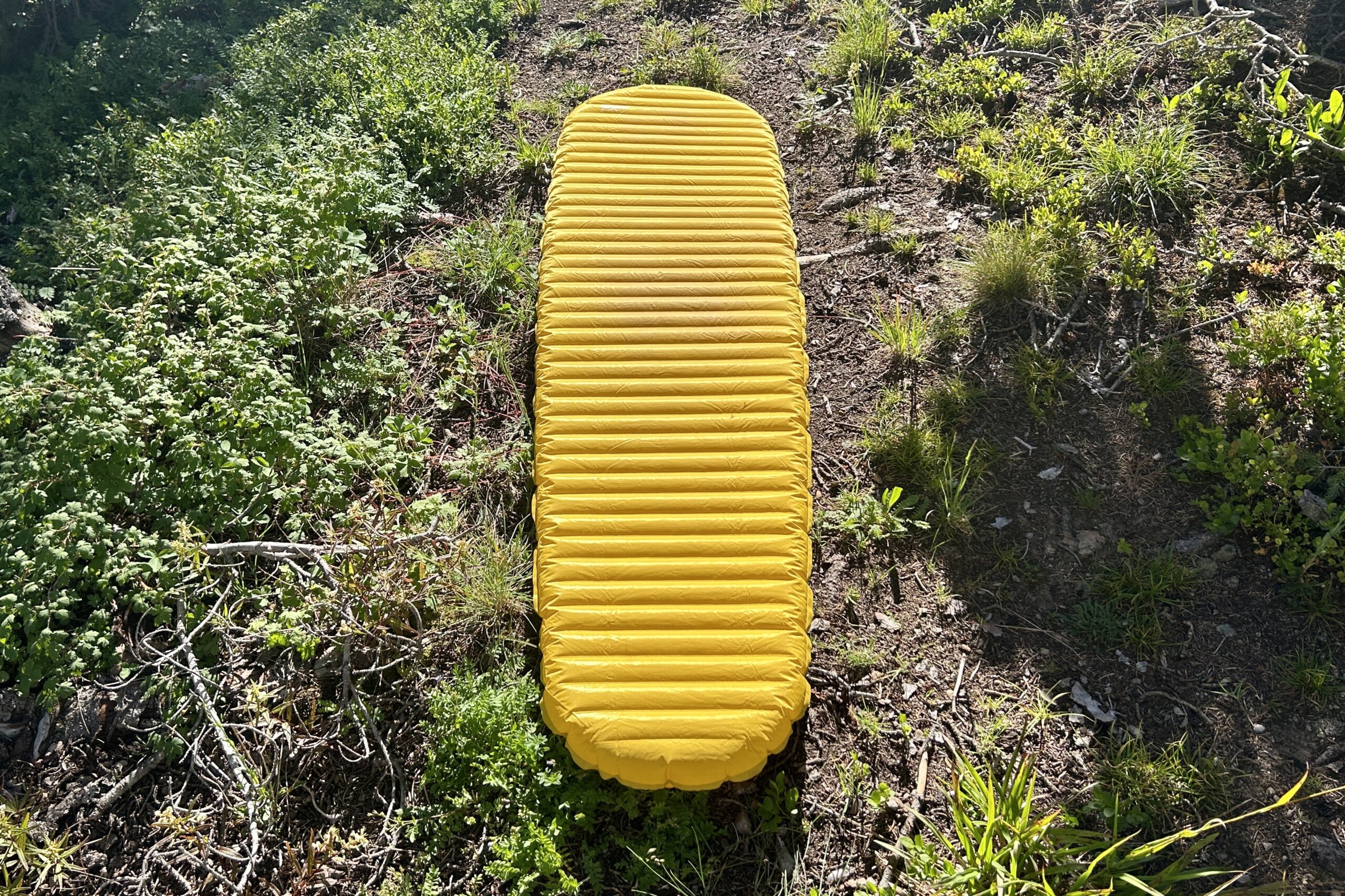
Despite its minimal weight, the pad’s robust construction is designed to handle rough terrain. – Photo Credit: Ian Krammer (CleverHiker.com)
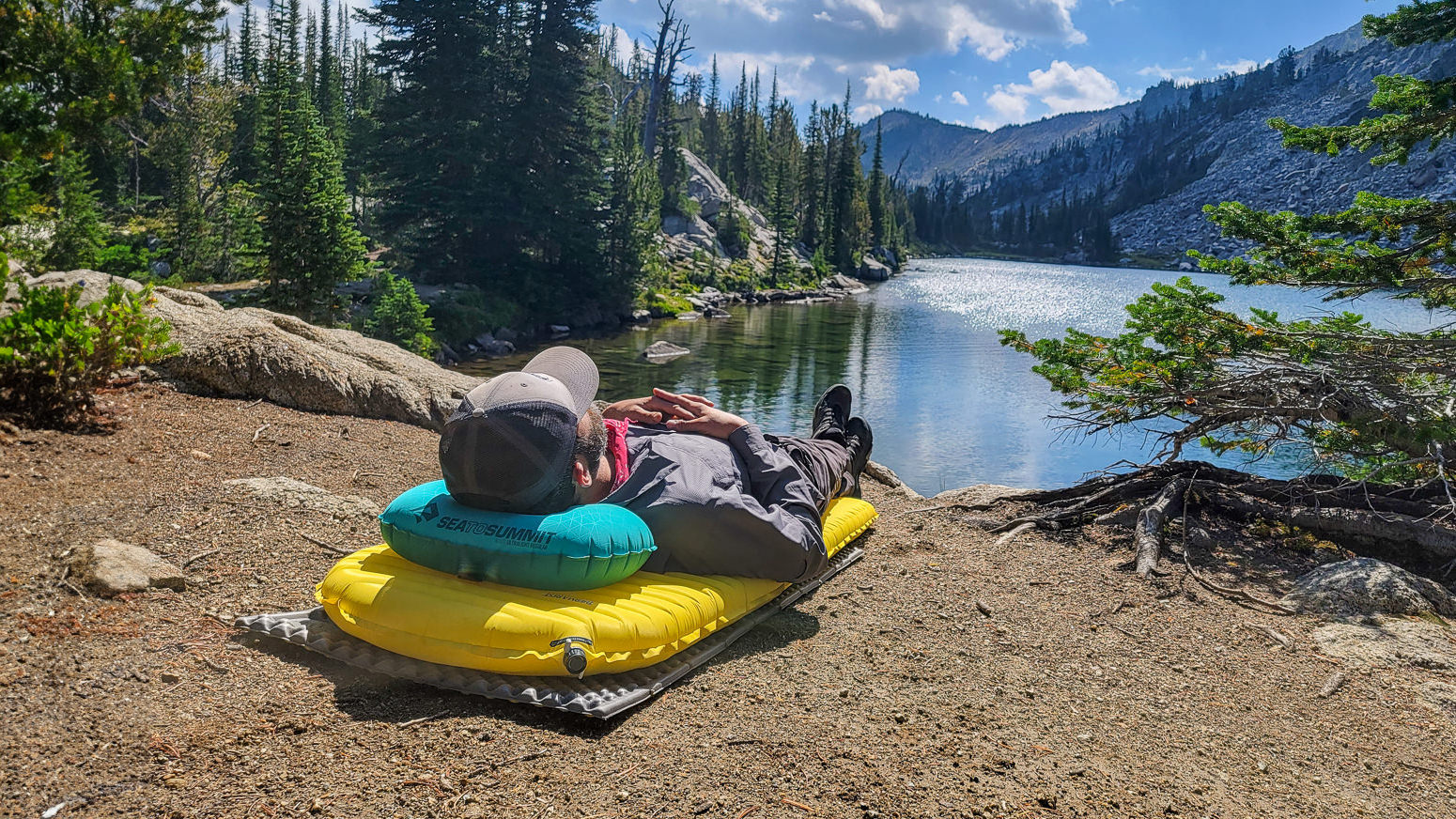
Designed to retain warmth even on chilly nights, the NeoAir XLite NXT performs impressively for a pad of its weight and thickness. – Photo Credit: Ian Krammer (CleverHiker.com)
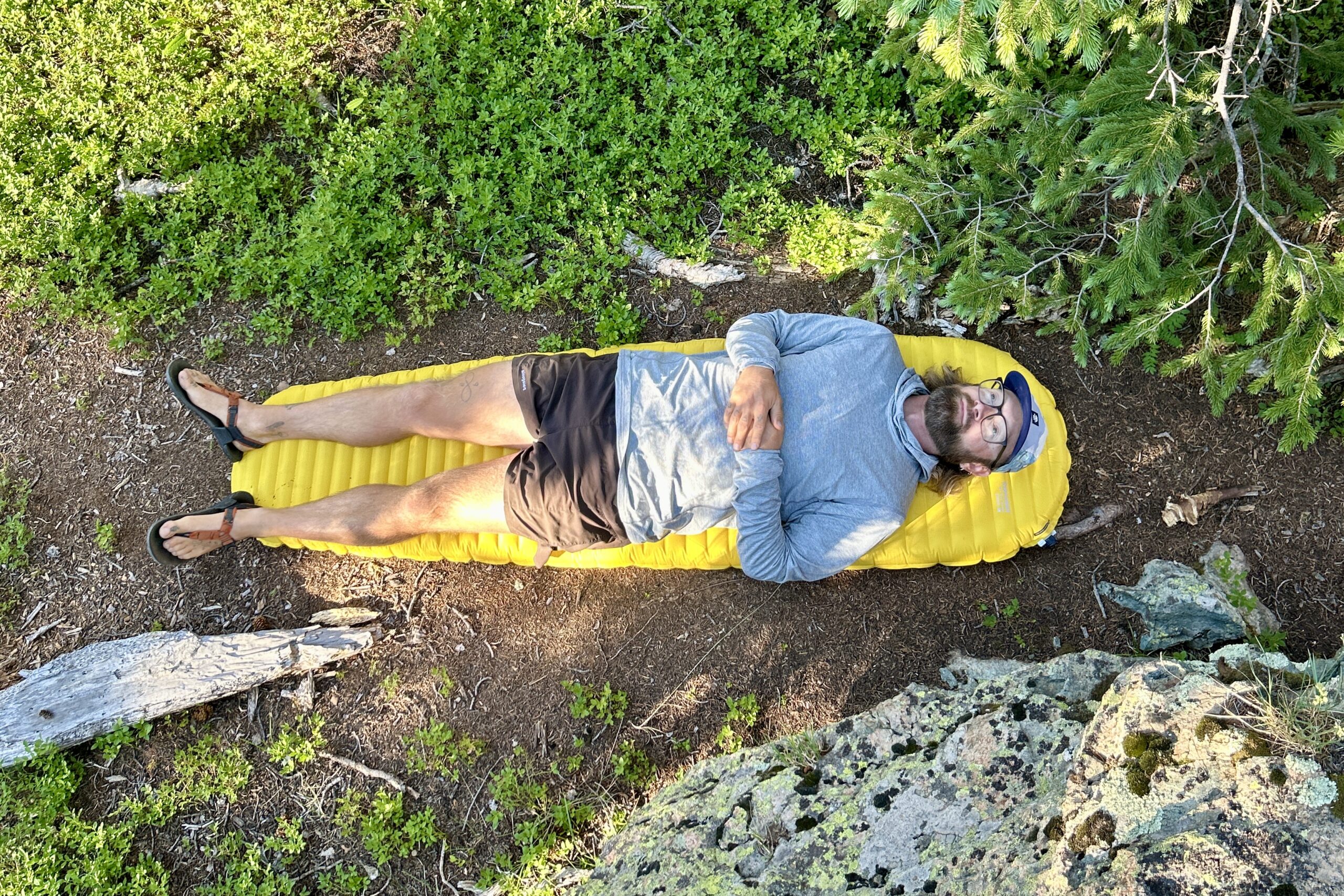
Testing the xlite during an afternoon slump-busting snooze. – Photo credit: Heather Eldridge (CleverHiker.com)
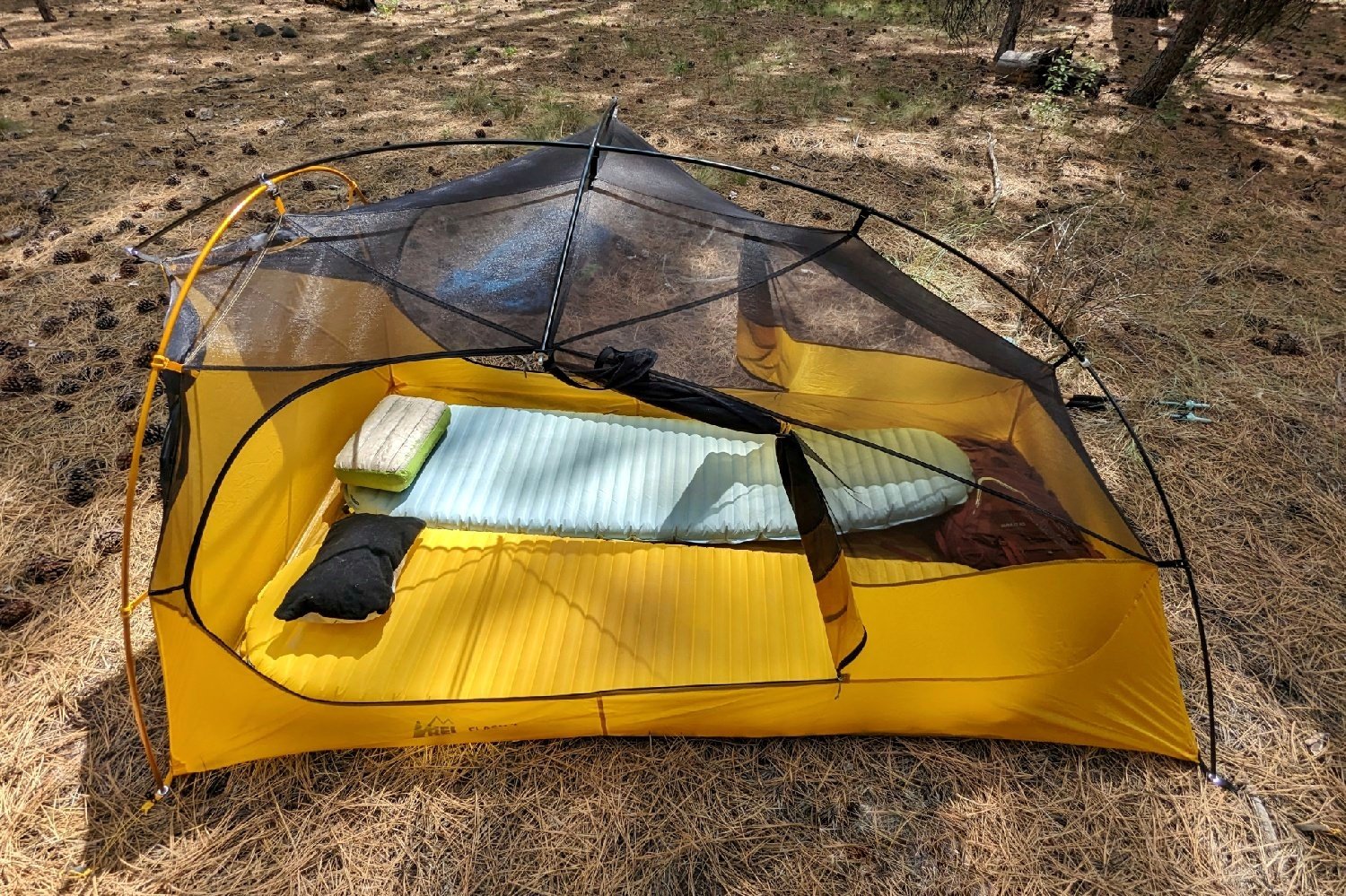
if you sleep on your side or jack-knifed, this pad keeps those weighted areas off the ground and insulated. – photo credit: casey handley (cleverhiker.com)