
Bottom Line
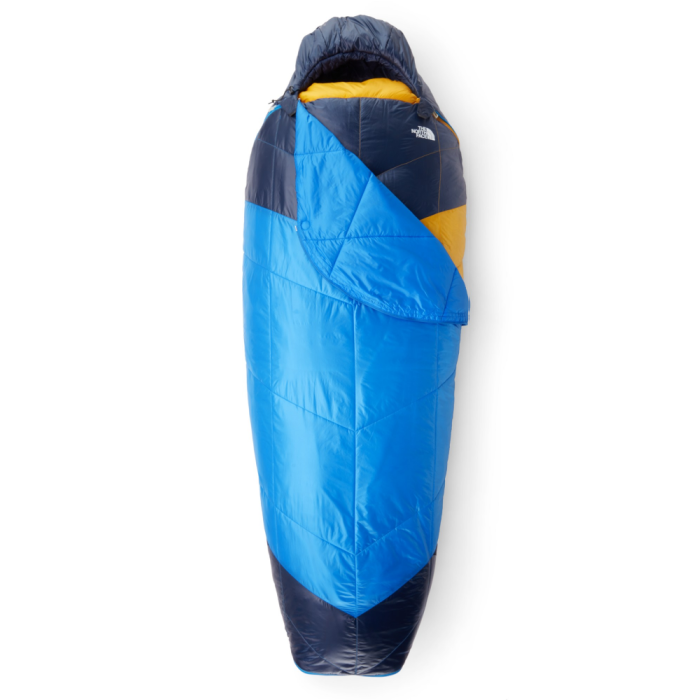
The North Face One Bag replaces several seasonal sleeping bags with one modular design. Its removable synthetic and 800-fill down layers produce labeled 40°F, 20°F, and 5°F configurations. Ian Krammer used the combined system on a 12°F Rocky Mountain night with a well-insulated pad and stayed warm, making the approach credible for campers who range from summer trips to occasional winter outings.
You pay for that versatility in dollars and complexity. Long perimeter zippers feel stiff, the regular length fits short, and the lightly insulated underside requires a high-R-value sleeping pad in cold weather. We recommend it for people who will actually swap layers, not shoppers seeking a simple bag for one season. Compare with other camping sleeping bags.
How We Tested
The published testing by Ian Krammer covers more than 20 nights across summer and winter, including Lawn Lake in Colorado’s Rocky Mountain National Park when temperatures fell to 12°F. The range also includes September camping in Utah. Testing covered the different down and synthetic layer configurations, temperature control, sleeping pad dependency, zipper behavior, fit across sleepers, and packing for short backpacking trips. Ian also tried removing unneeded layers on warmer excursions.
Quick Specs
The North Face One Bag
Best Sleeping Bag for Different Temperatures
CleverHiker Rating: 4.3/5.0
Price: $390
Temperature Rating: 5°F, 20°F, 40°F
Weight: 3 lb. 13 oz.
Fill Type: 800-fill down & synthetic hybrid
Pros
- Three temperature configurations for changing seasons
- Warm combined layers in cold field testing
- Roomy fit for active sleepers
- Compact down-and-synthetic hybrid design
- Substantial draft collar
- Glow-in-the-dark zipper pulls
- Fleece-lined stuff sack doubles as pillow
Cons
- High price for a camping bag
- Perimeter zippers feel stiff beneath sleeper
- Regular length runs short
- No interior stash pocket
- Thin underside needs a warm pad


Comfort
The One Bag has a generous fit for a mummy-style system, giving active sleepers enough room to change position without losing all of the shape’s insulating advantage. Its nylon lining feels smooth and quiet, and the fleece-lined stuff sack doubles as a soft camp pillow when filled with spare clothing. The down middle section can even become a small blanket around camp.
The many perimeter zippers are the comfort penalty. They can feel stiff underneath the body, take some practice to reconnect, and are held by small hook-and-loop patches that did not always keep them secure. Fit runs short: Ian at 5’6″ found the regular comfortable, while taller testers felt cramped and would be better served by the long version.
The down midlayer can be removed and wrapped around the shoulders at camp, adding useful comfort beyond sleep. That secondary use is a genuine reason to own the One Bag if you’re often sitting out after dark. It doesn’t eliminate the zipper stiffness beneath the body, however.
Comfort Score: 4.1 / 5.0

Warmth
The removable system offers three labeled temperatures: a 40°F synthetic layer, a 20°F down configuration, and a 5°F combined arrangement. Ian took the full bag to Lawn Lake on a 12°F night and stayed warm with an appropriately insulated pad, though our broader testing suggests it becomes cold below roughly 15°F. Thick collar insulation and cinches at the hood help control drafts.
Most of the insulation is positioned above the sleeper. That construction makes a high-R-value sleeping pad essential on cold trips, as the underside offers considerably less protection from ground chill. The impressive range of temperature configurations does not replace proper ground insulation or justify treating the lowest rating as a guaranteed comfort threshold.
For temperature-specific packing, the synthetic top layer is rated to 40°F and the down configuration to 20°F; combining them creates the 5°F-rated system. We found the latter cold below about 15°F even though it worked on Ian’s 12°F night with an insulated mattress. That observed gap matters when planning a long, cold trip.
Warmth Score: 4.8 / 5.0

Packed Size
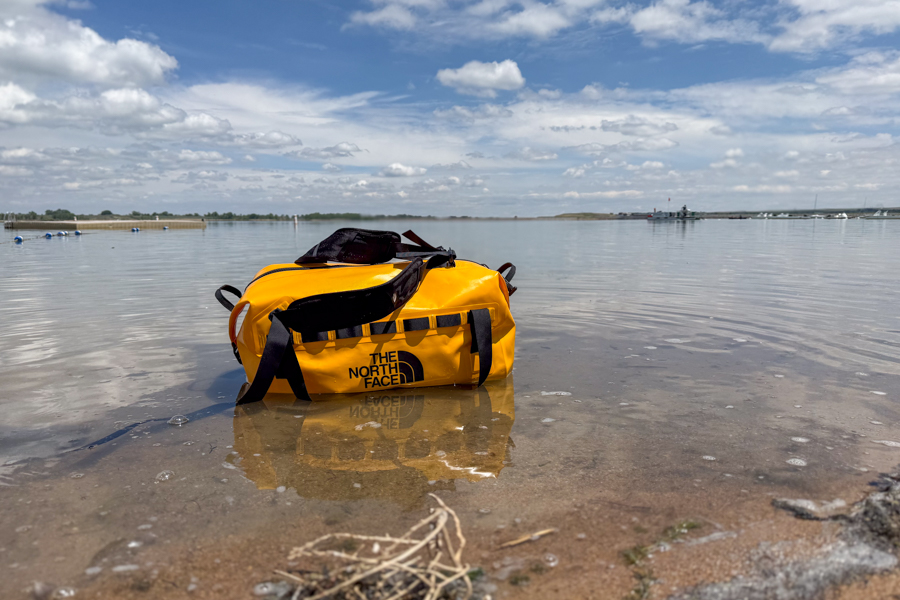
The One Bag packs to about 8 by 15 inches, small for a system meant to span three temperature configurations. Its 20D nylon shell, down and synthetic fill combination, and removable layers keep storage manageable, with a separate mesh sack included to preserve loft. When fully assembled it weighs 3 lb. 13 oz.
That isn’t an ultralight trail weight, but you can leave unnecessary layers at home. Ian has taken the One Bag on shorter summer backpacking trips using a reduced configuration, making its modularity useful beyond a car campsite. Campers who always use the same temperature setting would carry a simpler and potentially lighter bag.
The 20D nylon ripstop shell contributes to the surprisingly small packed bundle for an adaptable design. A large mesh storage sack comes with the bag, so its insulation can stay lofty between trips. If the goal is a week of ultralight backpacking, though, you can buy a dedicated bag that is easier to use and lighter for the specific weather.
Packed Size Score: 4.7 / 5.0

Features
Color-coded, glow-in-the-dark pulls help identify which layer belongs on which zipper track, and the hood cinches readily on cold nights. The thick collar and removable top layers give meaningful control over insulation, while the fleece-lined stuff sack makes a practical improvised pillow. Those features support its central promise of replacing several separate sleeping bags.
The long wraparound zippers are stiff and require concentration to align correctly, especially when tired. We also miss an internal pocket for a headlamp, phone, or chapstick. The otherwise smart design is best for campers willing to learn a slightly more involved routine.
The absence of an internal pocket is a surprising omission in such a feature-rich bag. Keep a headlamp or phone in the tent organizer instead of expecting the bag to secure it. The fleece-lined stuff sack is another practical piece of the kit; turning it inside out and filling it with clothes gives you a soft makeshift pillow.
Features Score: 4.4 / 5.0

Should You Buy The North Face One Bag?
Choose the One Bag if your camping spans warm summer nights, cooler shoulder seasons, and occasional winter trips, but you would rather own one modular sleep system than several temperature-specific bags. The published 12°F Rocky Mountain outing supports its cold-weather potential when paired with a suitably warm sleeping pad. A slightly generous fit, removable blanket layer, and compact storage make the system unusually flexible.
Avoid it if you need a simple, low-cost, minimal-weight bag for one predictable season. The long zippers feel stiff, the regular length is short on taller users, and the lightly insulated underside demands a high-R-value pad in winter. The Mountain Hardwear Bishop Pass 15 is a more straightforward choice for consistently cold backpacking.

What Other Camping Sleeping Bags Should You Consider?
Mountain Hardwear Bishop Pass 15 Review: The Bishop Pass is the more sensible cold-weather choice if you already know the temperature range for your trip. A close mummy cut, 650-fill down, collar, and hood proved effective in snowy Rocky Mountain testing, without the One Bag’s many perimeter zippers. It cannot swap between summer and winter configurations, but the simpler design is lighter and easier to operate.
REI HunkerDown 20 Review: Campers mostly traveling in mild conditions can save money and complexity with the HunkerDown. Its roomy rectangular down body converts into a quilt and holds a normal pillow, offering more bedding-like comfort than the One Bag. It is not as versatile across temperatures and was chilly in low-30s testing, so the One Bag remains more suitable for occasional well-equipped winter outings.