

Bottom Line
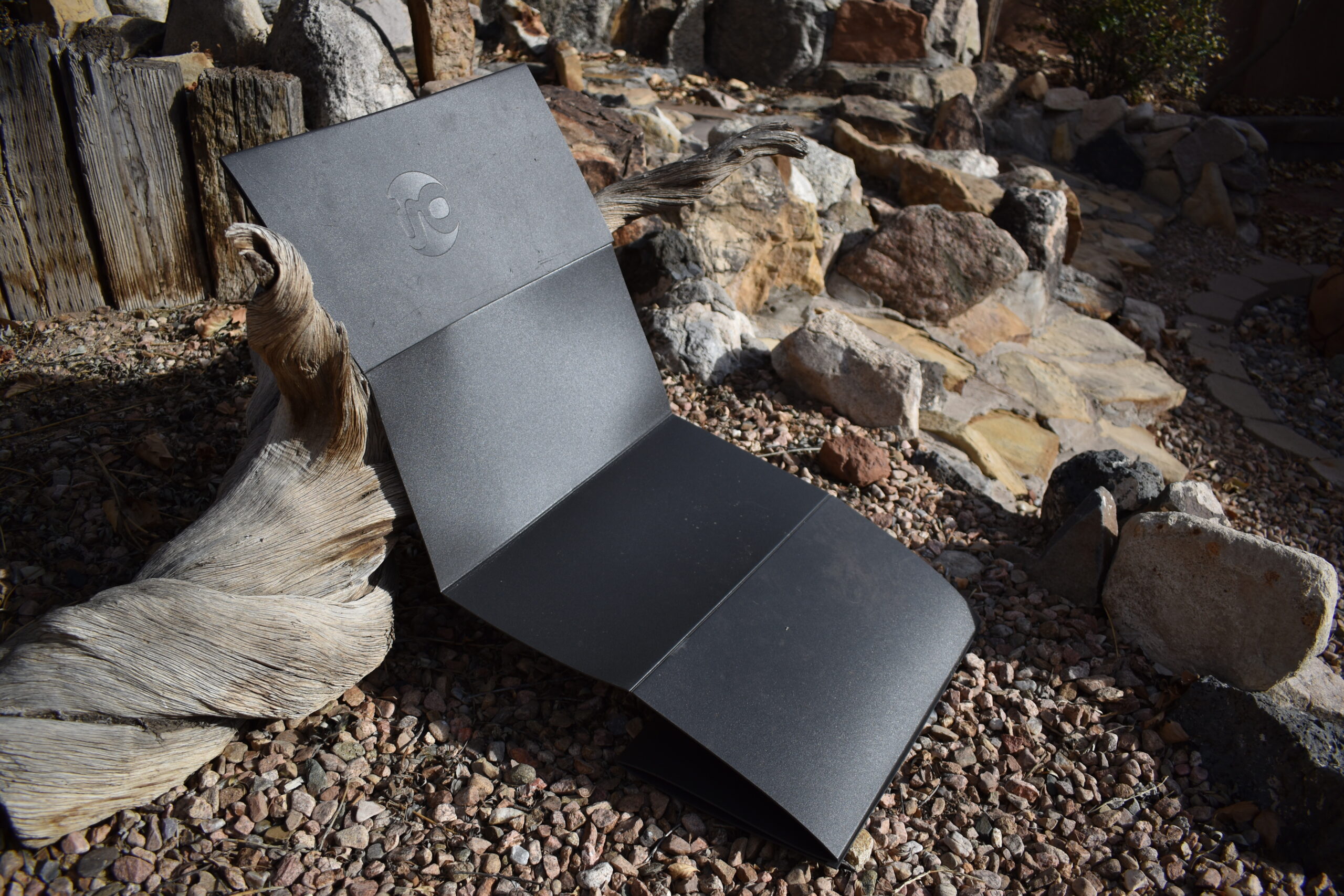
The Gossamer Gear Thinlight is less a traditional sleeping pad than a lightweight tool for protecting and extending the usefulness of a backcountry sleep system. In our guide to the best backpacking sleeping pads, it is the specialized add-on for hikers who want puncture protection, grip, and a little extra insulation beneath an inflatable. At only one-eighth of an inch thick, it provides very little standalone cushioning or insulation, but it is nearly impossible to disable and weighs almost nothing.
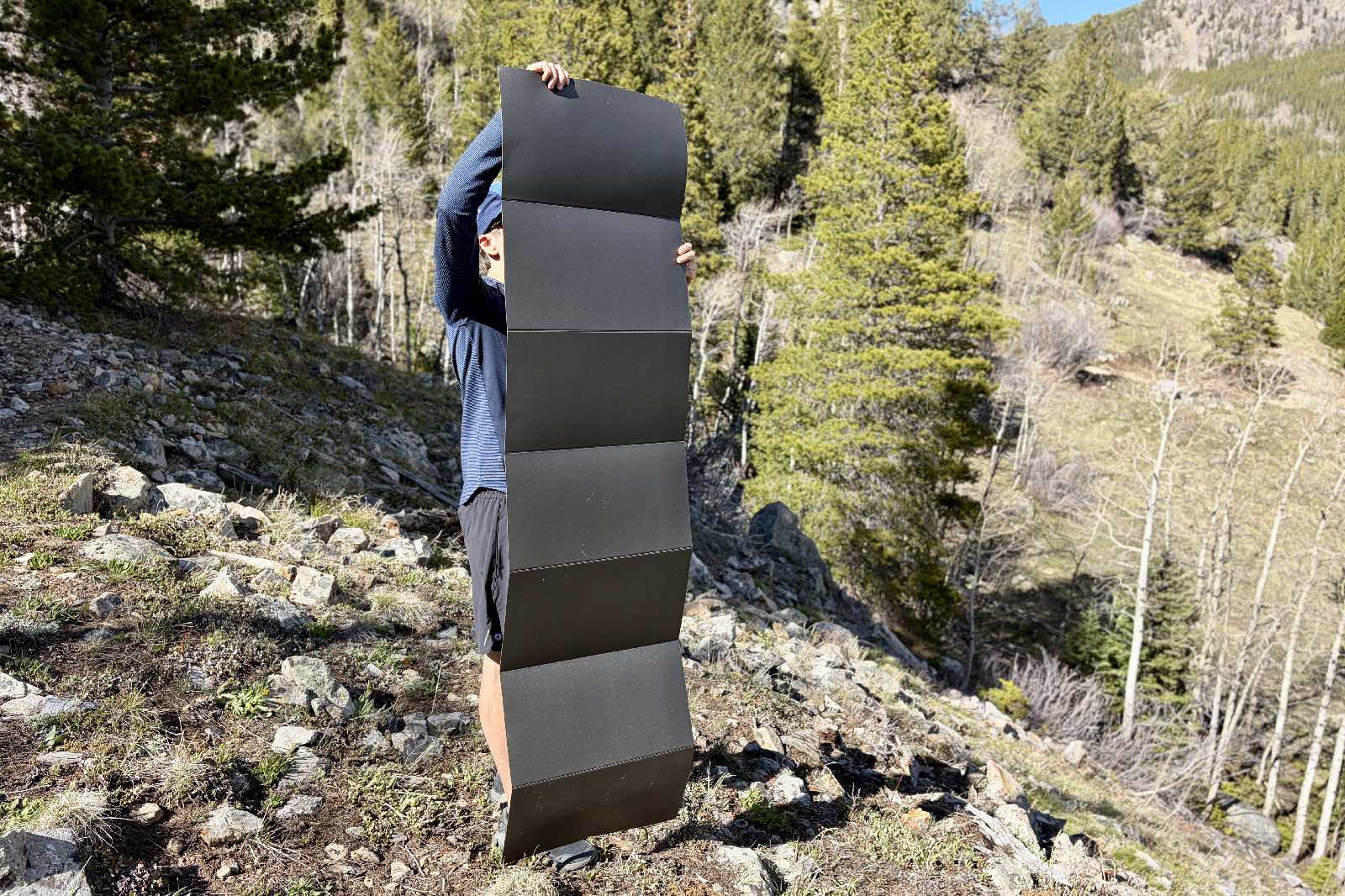
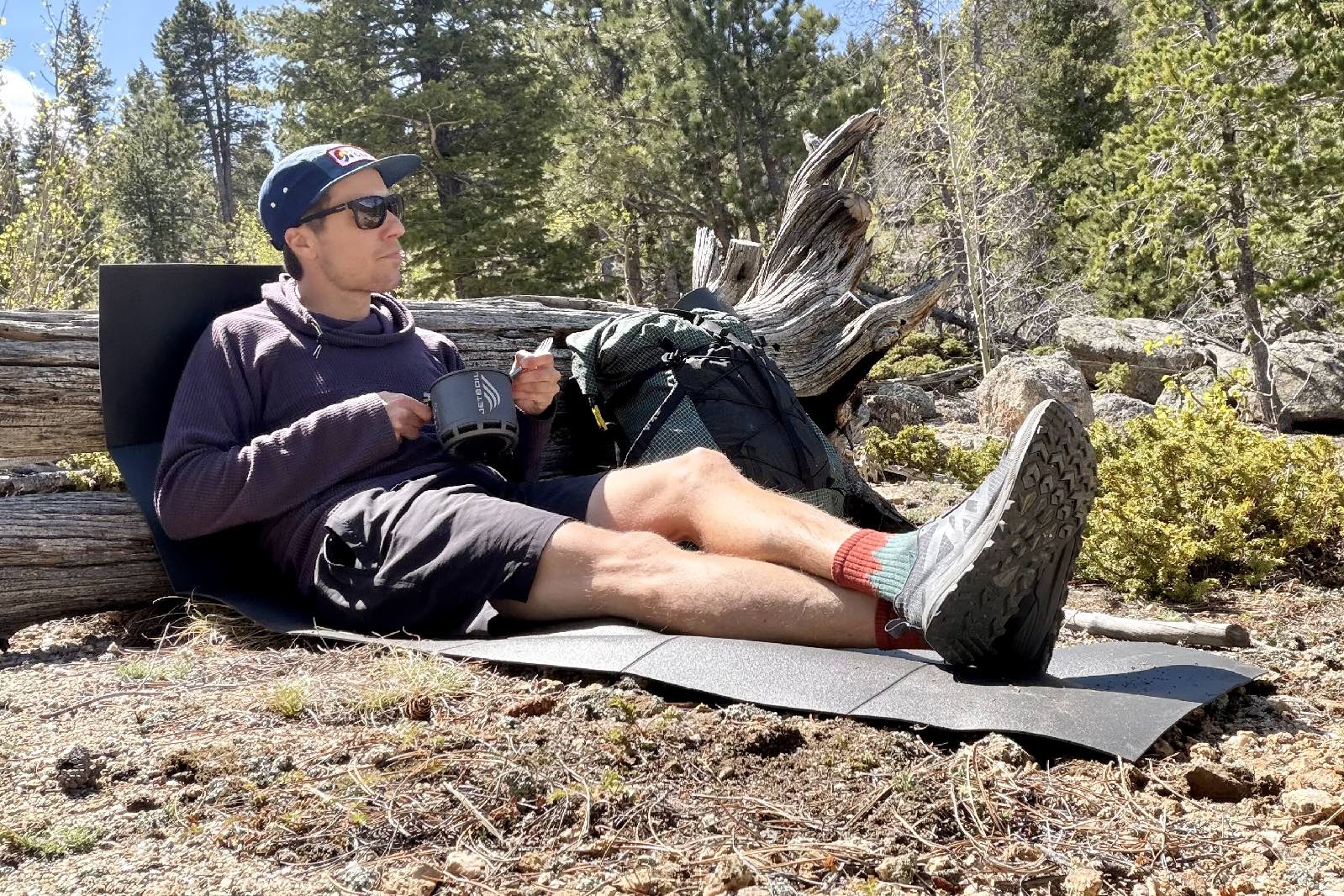
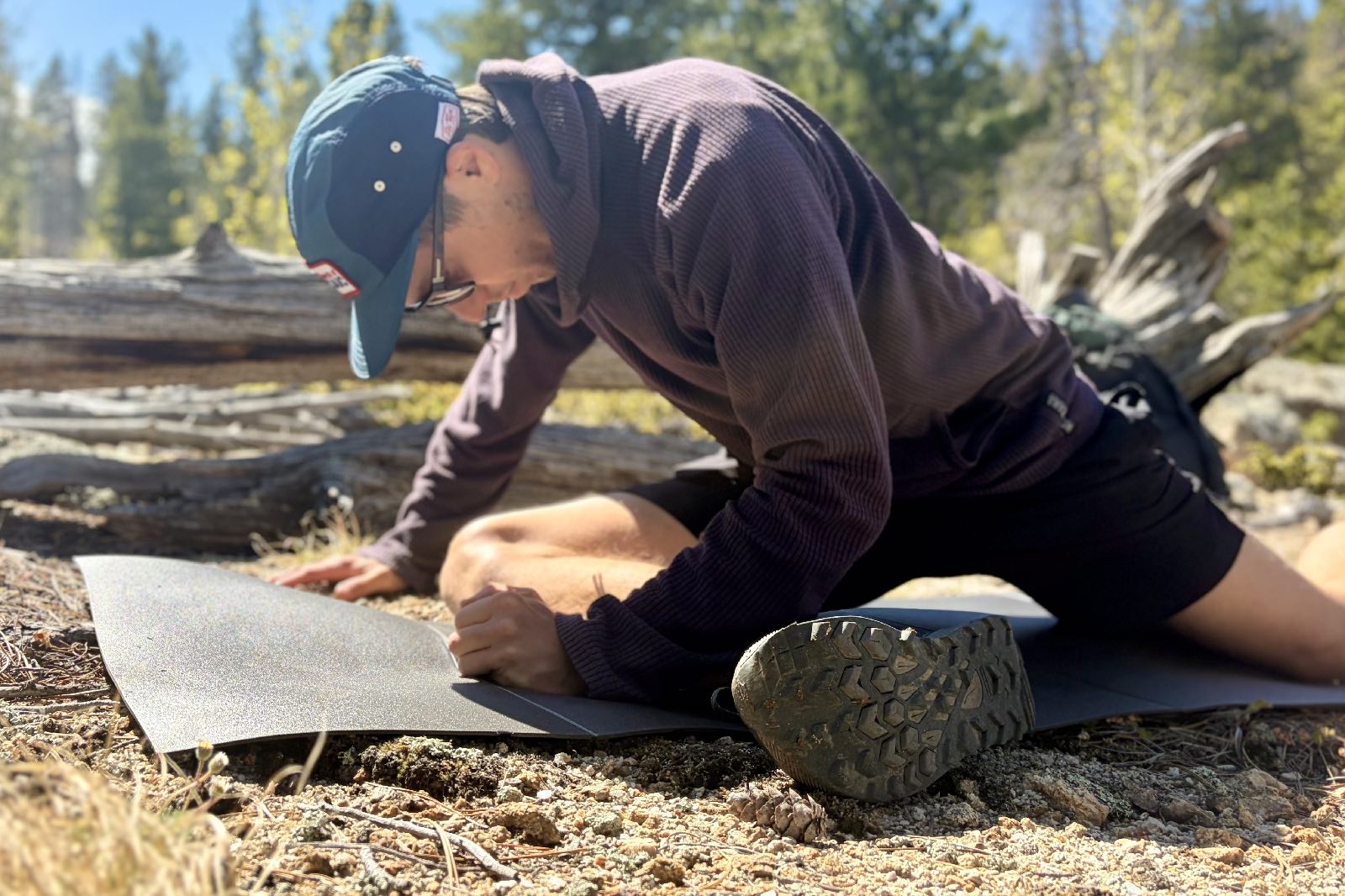
We have carried Thinlight pads for hundreds of miles and use them under inflatable pads, as sit pads, for quick trail naps, and as a barrier between gear and wet or abrasive ground. Beneath an air pad, the foam adds puncture protection, reduces sliding, and contributes a small amount of extra insulation.
As a standalone sleeping pad, the limitations are severe. Comfort depends heavily on soft campsite selection, and the estimated R-value is only about 0.5. Most backpackers will sleep much better pairing it with an inflatable.
For ultralight hikers who see value in a multipurpose foam layer, the Thinlight is a specialized addition to a sleep system.
How We Tested
Gear Analyst Brett Kretzer contributed current CleverHiker testing of the Gossamer Gear Thinlight, and our team has carried Thinlight pads for hundreds of miles across environments including New Mexico and the Cascades.
We evaluated the full-length one-eighth-inch foam pad for comfort, weight, packability, durability, warmth, ease of use, and its value as a supplemental layer beneath an inflatable. We tested the rolled 1/8-inch version, which weighs 2.7 ounces.
Quick Specs
- Best for: Ultralight supplemental insulation, puncture protection, sit-pad use
- Tested size: Rolled 1/8-in. foam pad
- Tested dimensions: 58.7 x 19 x 0.125 in., manufacturer listed
- Fabric: Closed-cell polyolefin PE/EVA foam
- Included: Foam pad only
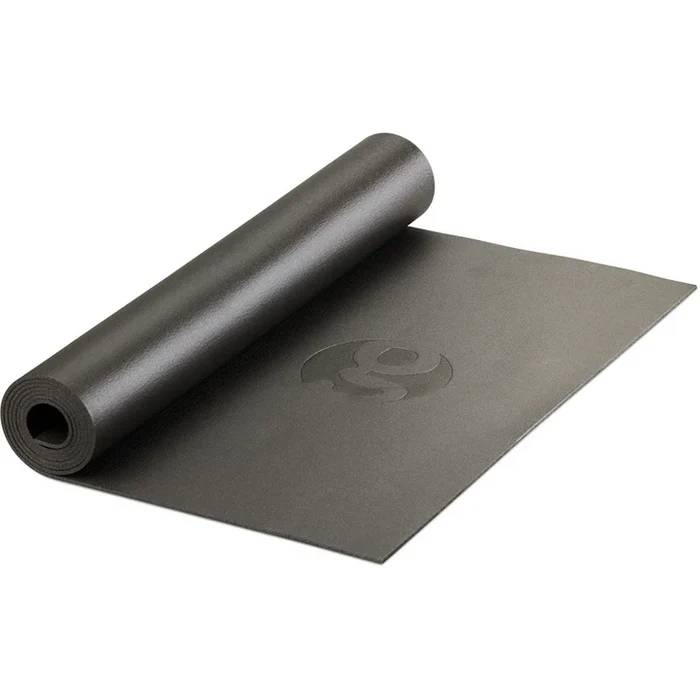
Gossamer Gear Thinlight
Best Sleeping Pad Add-On
CleverHiker Rating: 3.8/5.0
Price: $32
Weight: 2.7 oz., rolled version
R-Value: Approx. 0.5 manufacturer estimate
Thickness: 0.125 in.
Pros
- Extremely lightweight
- Excellent puncture protection
- Very durable
- Instant setup
- Useful as a sit pad or ground sheet
- Adds grip beneath an inflatable
Cons
- Minimal standalone comfort
- Minimal standalone warmth
- Narrow sleeping surface
- Bulky relative to thickness

Comfort
As a standalone pad, the Thinlight provides very little cushioning. At only one-eighth of an inch thick, it barely softens rocks, roots, and hard ground.
The pad works best when the campsite itself provides the cushioning. Soft forest duff, leaves, moss, or sand make a major difference, while hard established tent pads expose how little material sits between you and the ground.
Most CleverHiker testers prefer using the Thinlight underneath an inflatable, where the foam adds a little cushioning while protecting the more comfortable primary pad.
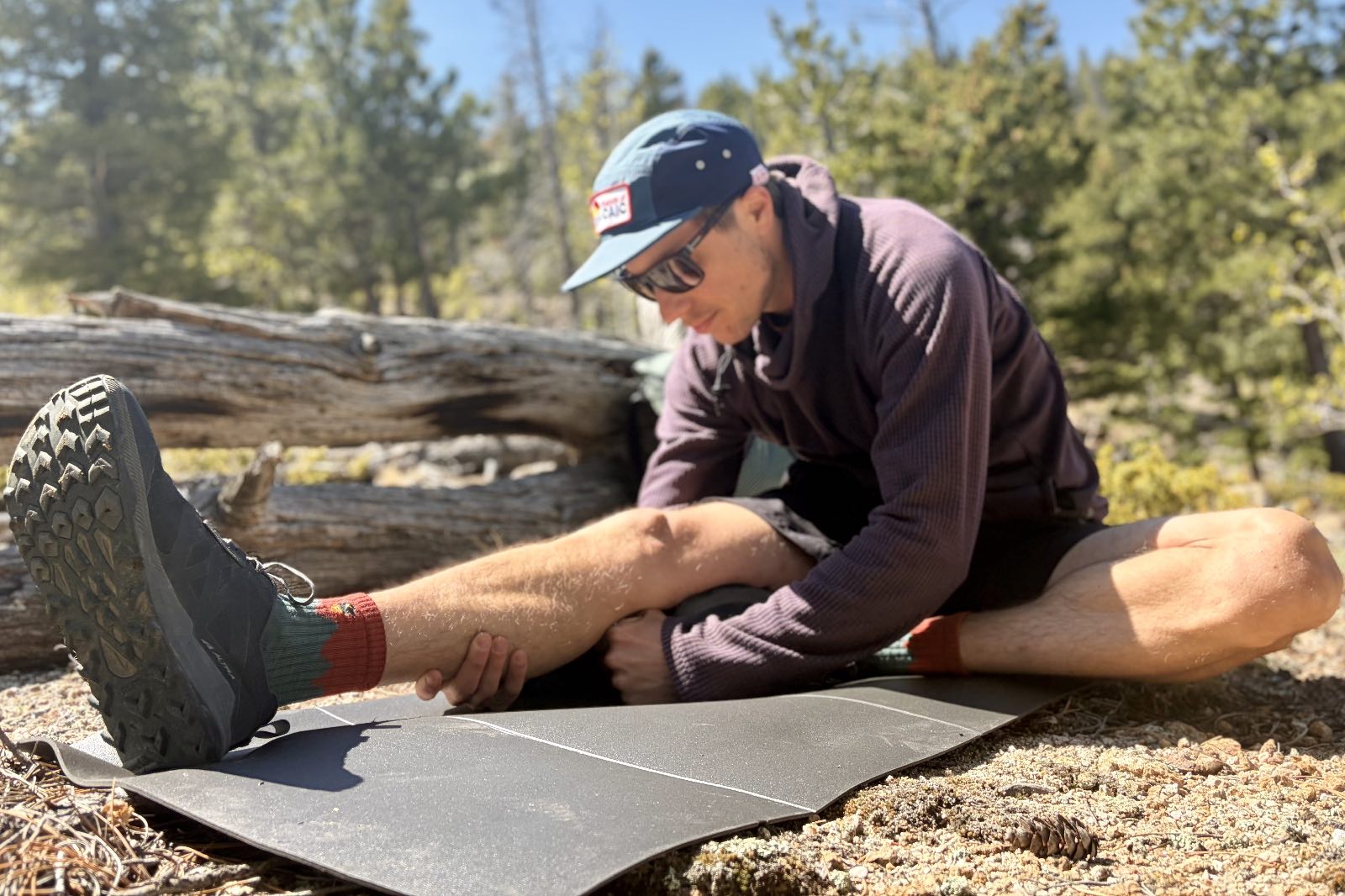
During the day, the comfort story improves: the Thinlight is excellent for sitting, stretching, taking a quick nap, or creating a clean surface around camp.
Comfort Score: 3.0 / 5.0
Weight & Packability
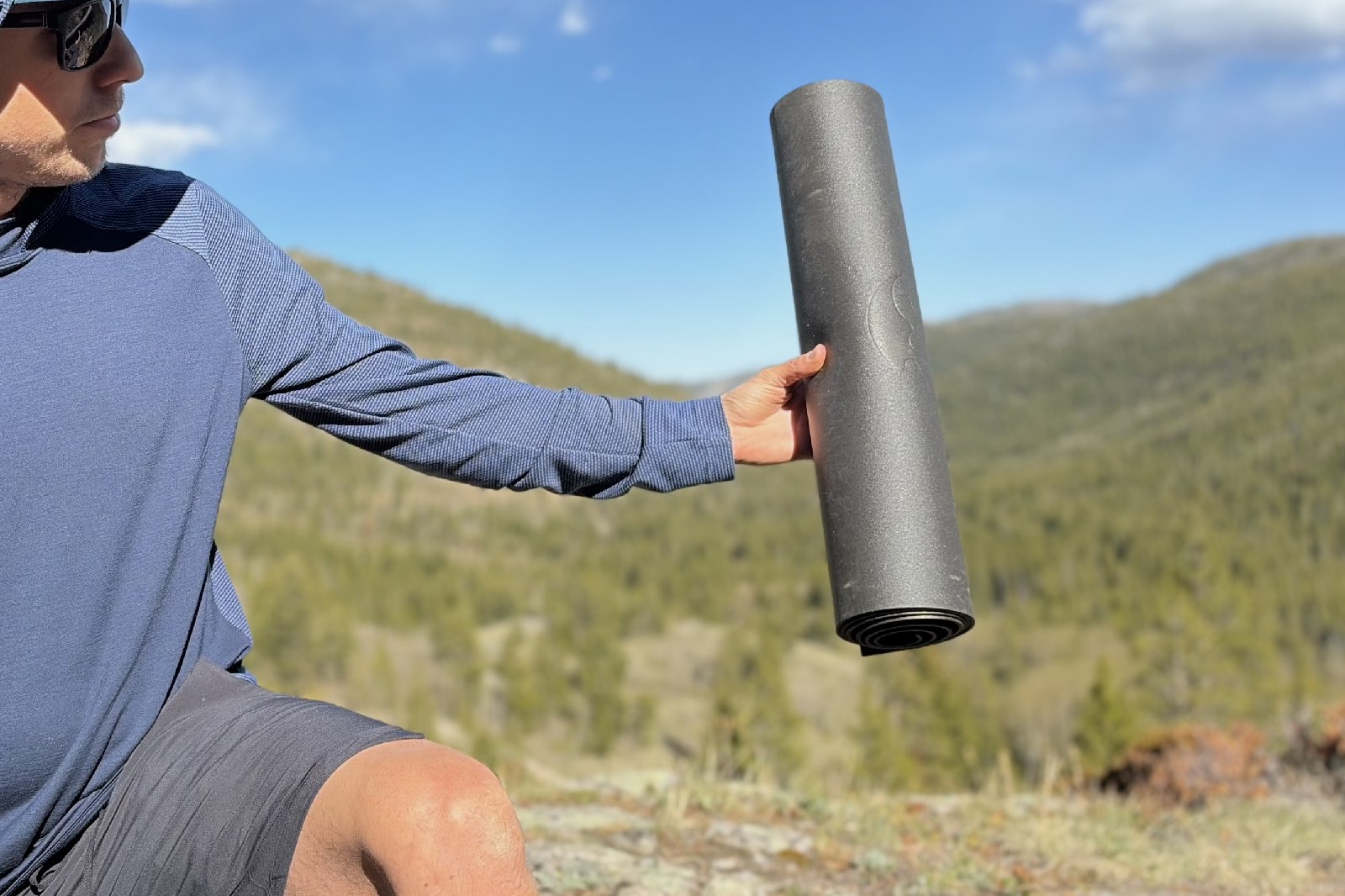
Weight is the Thinlight’s biggest strength. The rolled 1/8-inch version we tested weighs just 2.7 ounces, making it a negligible addition to most backpacking kits.
Even at our measured weight, it is negligible compared with a full air pad and easy to justify as a supplemental layer.
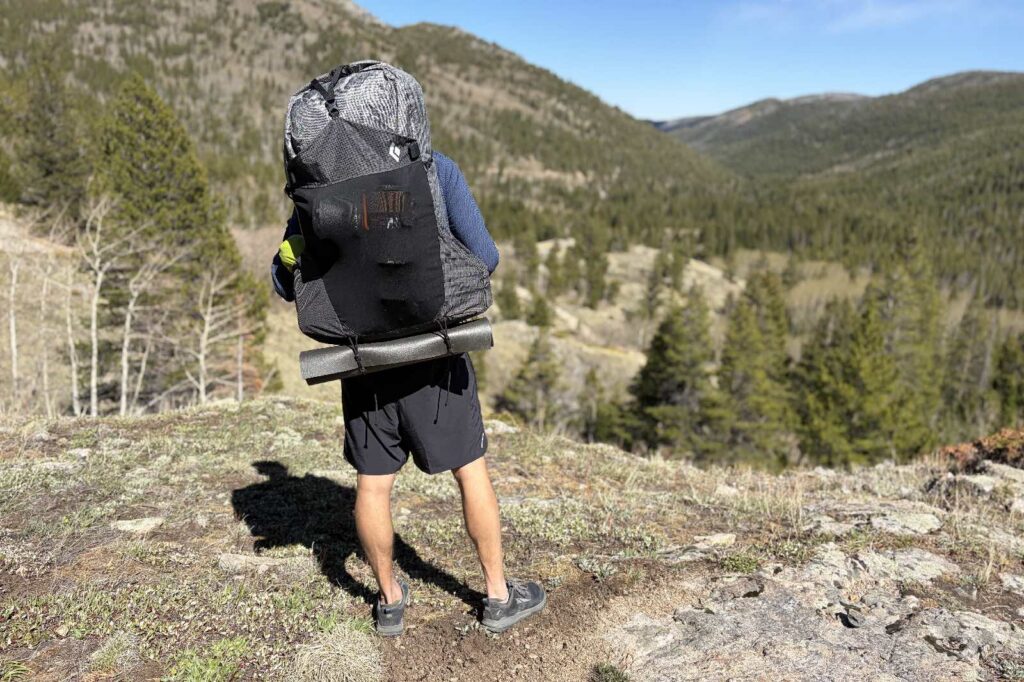
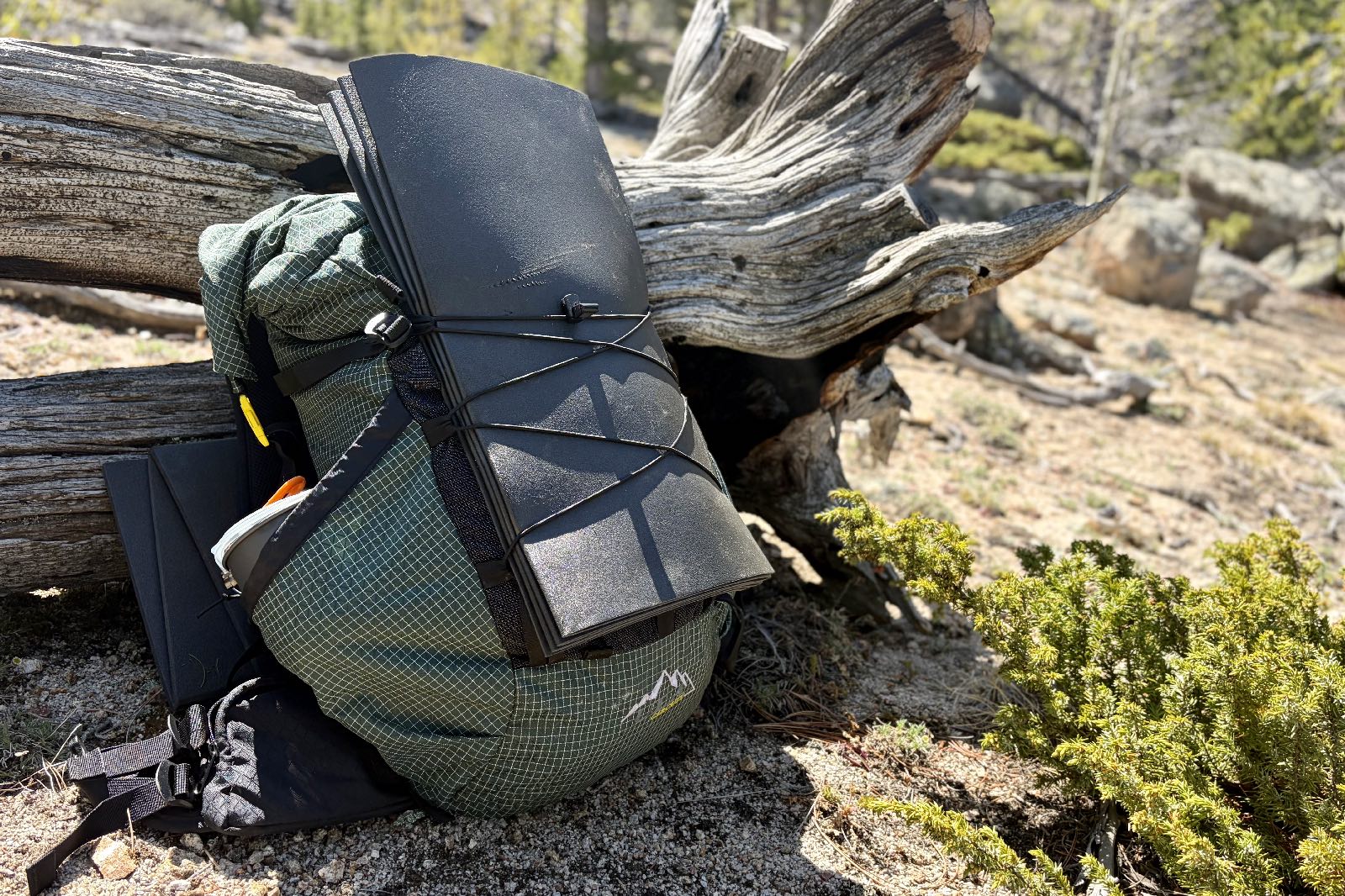
Packed volume is less impressive. Foam does not compress the way an inflatable does, so the Thinlight is usually carried against the inside back panel or strapped outside the pack.
The pad is also easy to trim to a shorter length or narrower shape for hikers who want to reduce weight and bulk further.
Weight Score: 5.0 / 5.0
Durability
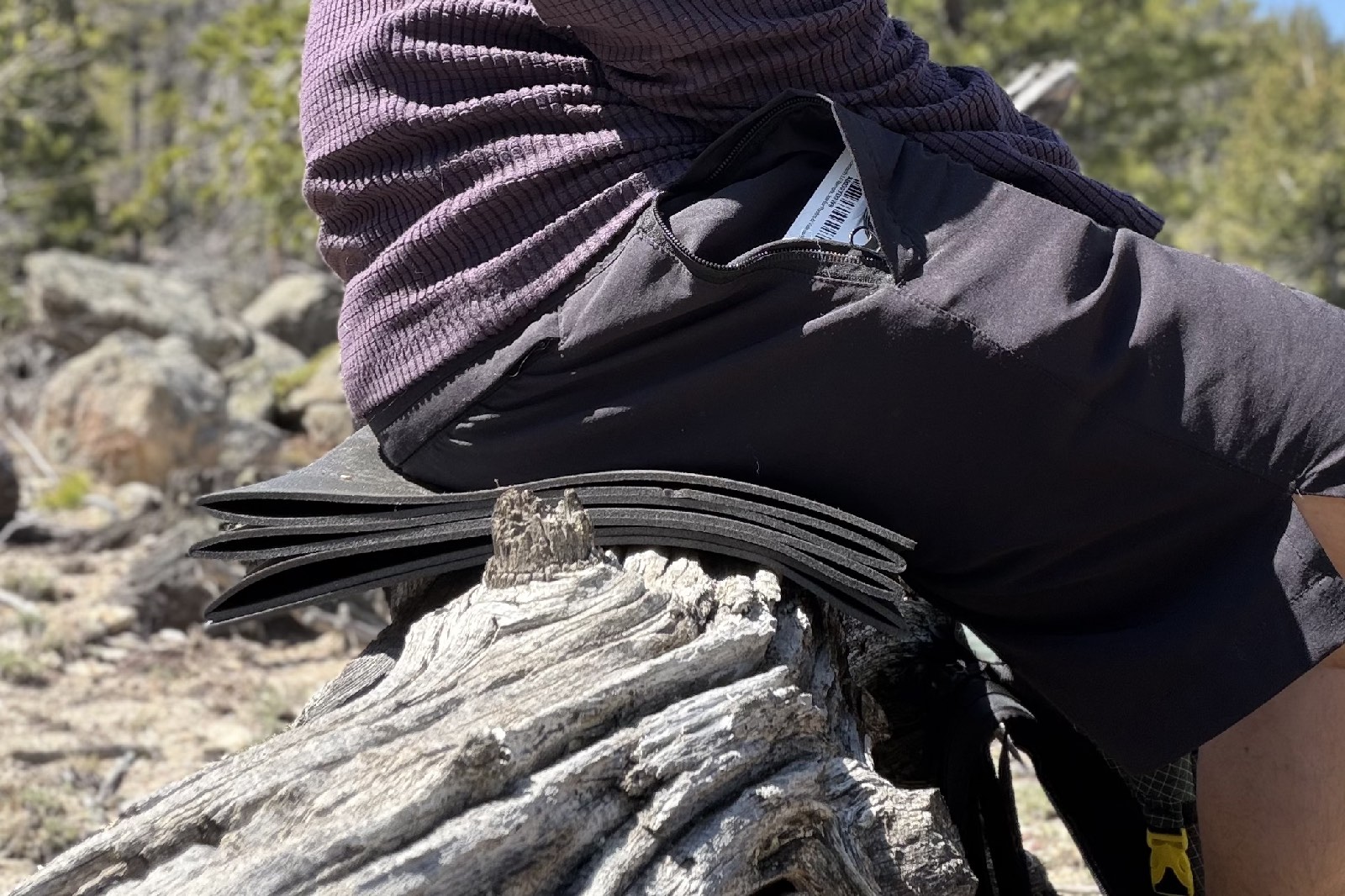
The Thinlight is exceptionally durable for such a light piece of gear because there is no air chamber to puncture and no valve or weld to fail.
Our team has used pieces of Thinlight as sit pads for years, and the foam tolerates dirt, rocks, moisture, and repeated folding with little concern.
The material will eventually crease, compress, or tear with enough abuse, but those failures are gradual and rarely catastrophic.
As a protective layer beneath an inflatable, the Thinlight can also improve the durability of the rest of your sleep system.
Durability Score: 4.9 / 5.0
Warmth
Warmth is minimal when the Thinlight is used alone. Gossamer Gear does not publish a standardized tested R-value and instead estimates roughly 0.5 based on the foam’s thermal conductivity.
That small amount of insulation is not enough for us to treat it as a serious cold-weather standalone pad.
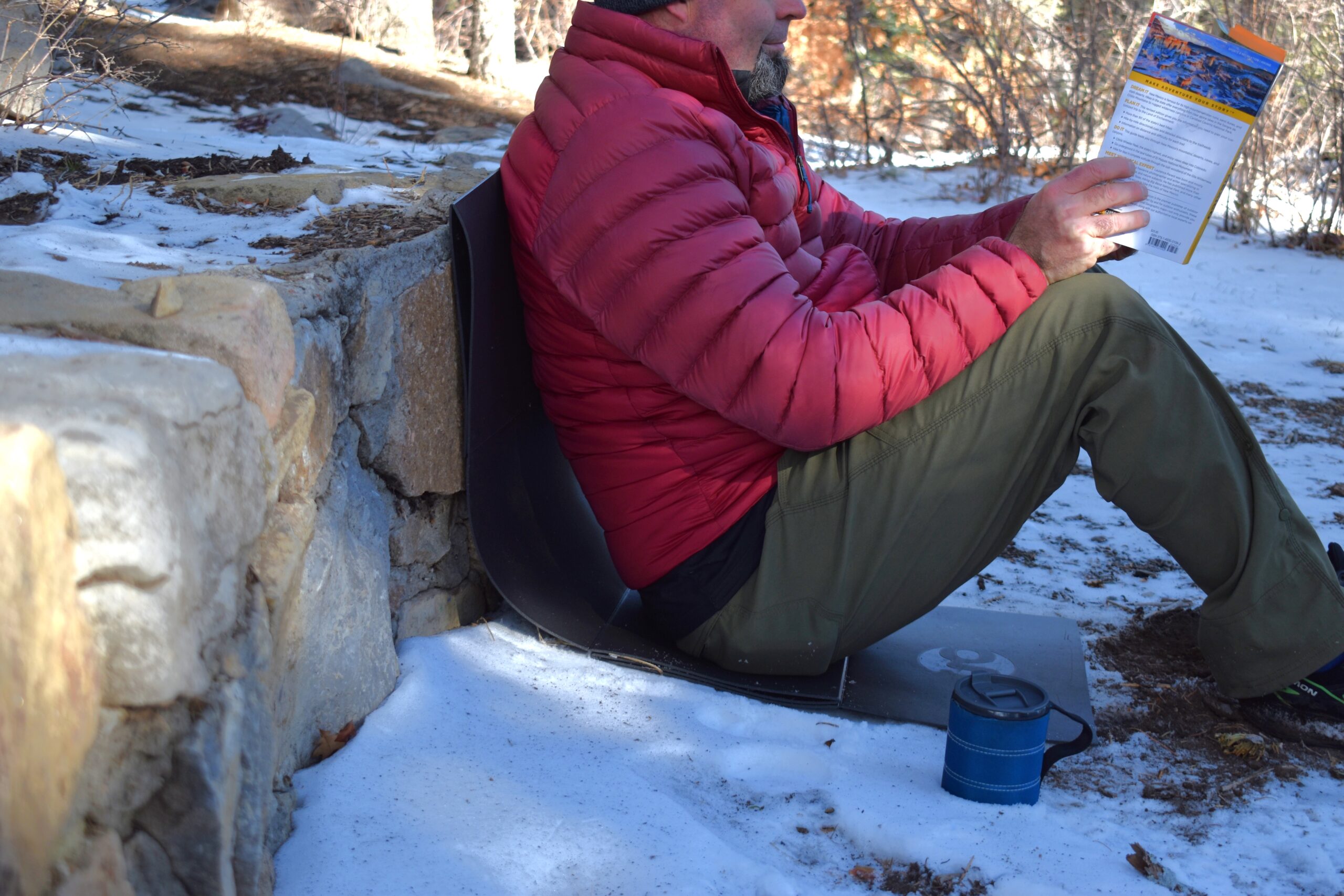
Its value increases when layered beneath an inflatable, especially on cold or damp ground, because even a thin foam barrier adds some insulation and reduces direct contact with the ground.
For most backpackers, warmth should be viewed as a supplemental benefit rather than a primary reason to sleep on the Thinlight alone.
Warmth Score: 3.0 / 5.0
Ease of Setup
Setup is essentially instant. Unroll or unfold the Thinlight, place it on the ground, and it is ready to use.
There are no valves, pump sacks, pressure adjustments, or deflation chores.
Wind is the main nuisance because such a light foam sheet can blow away easily before gear is placed on top of it.
For a supplemental pad, sit pad, or ground layer, the Thinlight is about as simple as backpacking gear gets.
Ease of Setup Score: 5.0 / 5.0
Should You Buy the Gossamer Gear Thinlight?
The Thinlight makes the most sense as a companion to another sleeping pad rather than a replacement for one.
It is a strong choice for ultralight hikers who want inexpensive puncture protection, a little extra insulation, more grip beneath an inflatable, and a multipurpose sit or stretch pad during the day.
Only highly committed minimalists who already know they can sleep on very hard surfaces should consider it as their sole pad.
As a small, durable addition to a larger sleep system, though, the Thinlight earns its place easily.
What Other Backpacking Sleeping Pads Should You Consider?
NEMO Switchback: The Switchback is a much more substantial foam pad with better standalone comfort and warmth, while still offering excellent durability and instant setup. It is much heavier and bulkier than the Thinlight.
Therm-a-Rest Z Lite Sol: The Z Lite Sol is another traditional closed-cell foam pad that works much better as a primary sleeping surface. Choose it when you want foam-pad reliability without giving up quite as much cushioning.
NEMO Tensor Elite: The Tensor Elite is one of the lightest inflatable pads available and pairs naturally with the Thinlight for hikers who want ultralight comfort plus a protective foam layer.