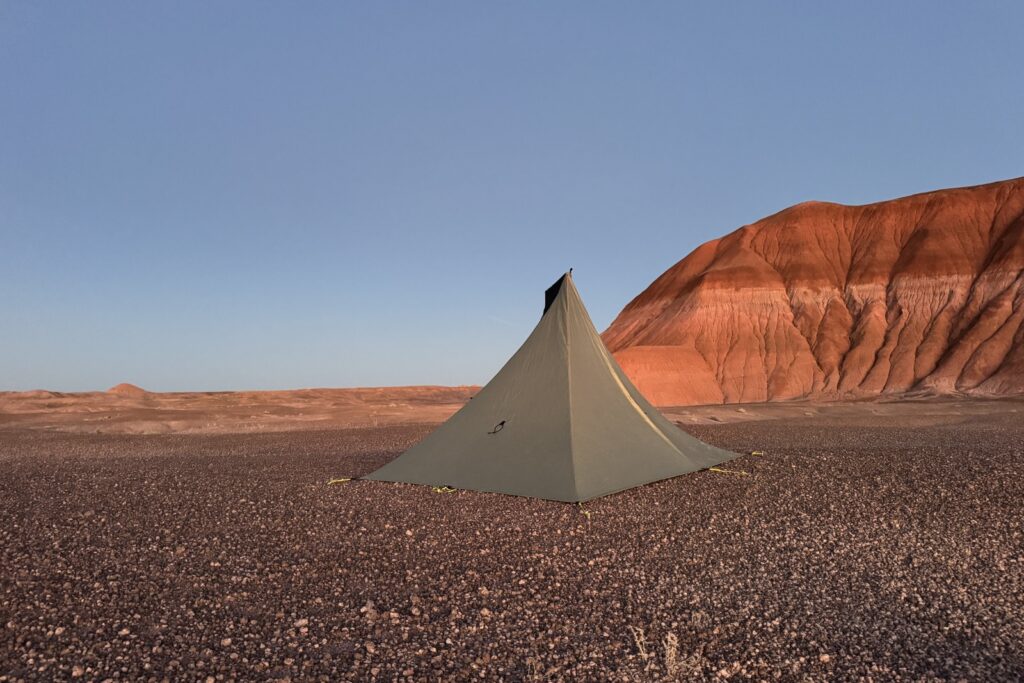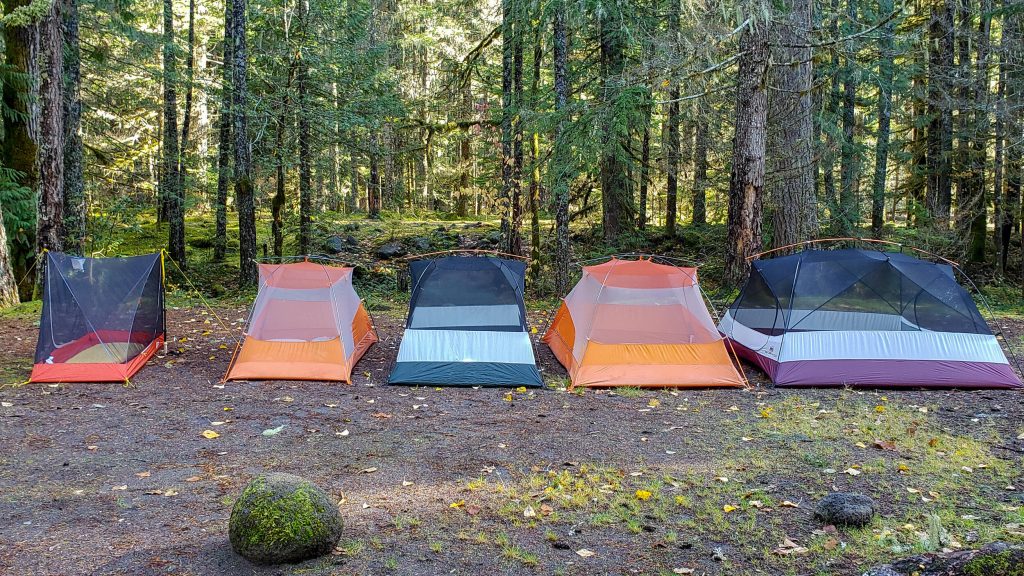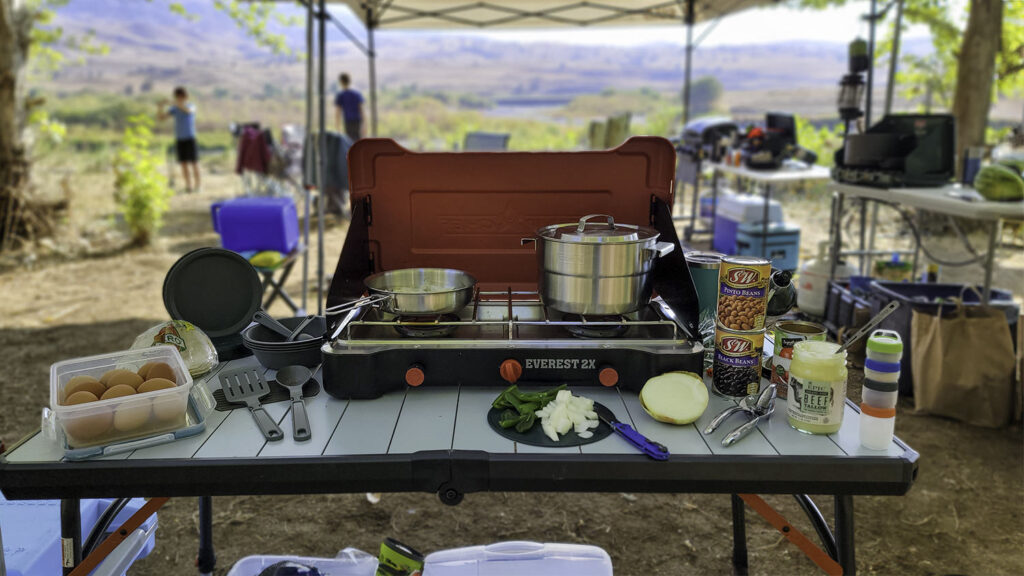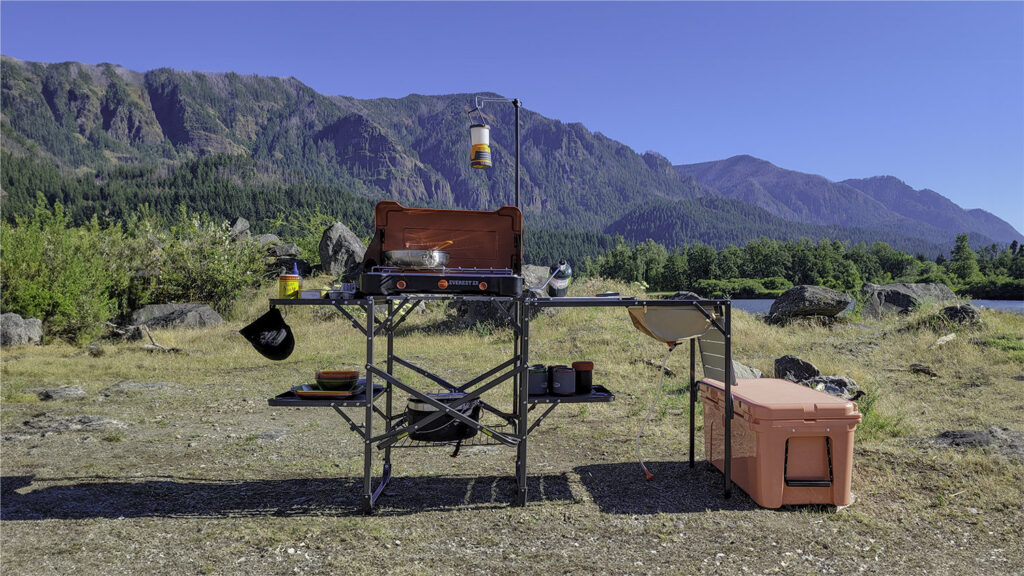



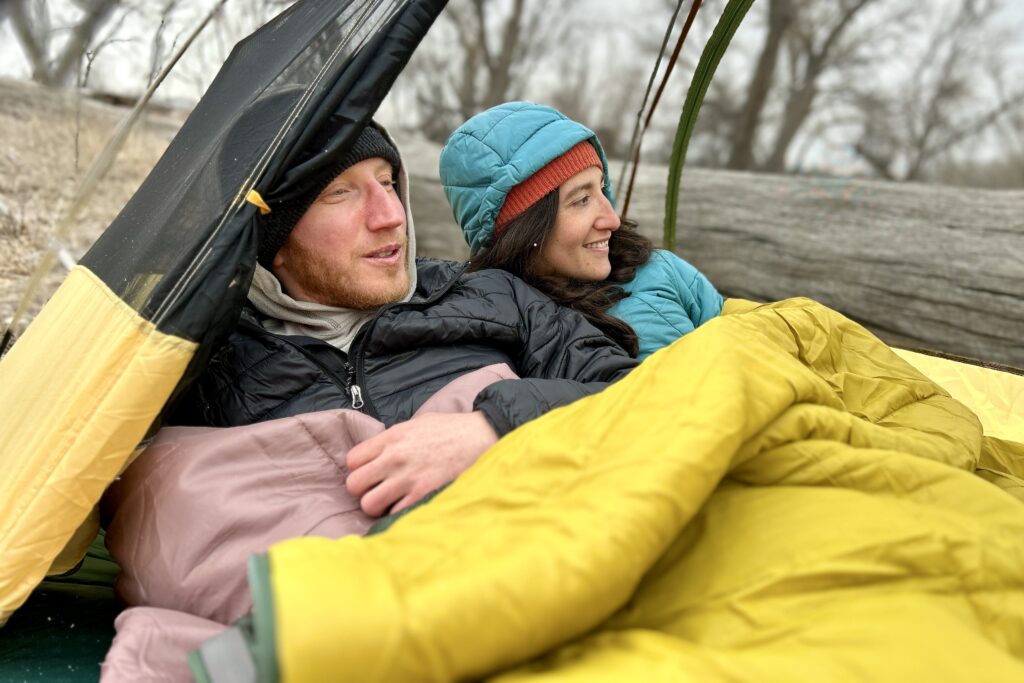
Our team of experts has spent 3000 nights in the woods and tested 250 sleeping bags to find the best from brands like NEMO, REI, Kelty, The North Face, and more.
Editor’s Note: We updated this post on May 14, 2026, to include our analysis of brand new products and to verify prices and tech specs.
How We Test
We subjected these bags to rigorous field testing across a range of weather conditions and climates to evaluate their comfort, warmth, packability, and features, and to determine which bags offered the best night’s sleep.
For more info, check out some of our other most popular gear guides:

#1. Best Camping Sleeping Bag Overall

The REI Siesta Hooded 20 sleeping bag is spacious, well-priced, and, most importantly, cozy. We’ve slept in this bag for 100 nights, and it’s still our favorite after all that time.
Quick Picks for Sleeping Bags
Check out our favorite camping sleeping bags here, or scroll down for deep dives and in-depth reviews.
1. Best Camping Sleeping Bag Overall: REI Siesta Hooded 20 ($149)
2. Best Sleeping Bag for Features & Adjustability: Therm-a-Rest Boost 650 ($255)
3. Most Inclusive Camping Sleeping Bag for All Shapes & Sizes: REI Trailmade 25 ($119)
4. Most Comfortable No-Frills Sleeping Bag: The North Face Wawona 20 ($150)
5. Best Budget-Friendly Cold-Weather Sleeping Bag: Teton Sports The Celsius XXL 0F ($110)
6. Value Sleeping Bag with Excellent Warmth-to-Weight: Kelty Cosmic Down 20 Men’s ($190) / Women’s ($240)
7. Best Flexible Comfort in a Down Sleeping Bag: REI HunkerDown 20 ($219)
8. Versatile Down Bag for Summer Camping & Backpacking: NEMO Disco Endless Promise 30 Men’s ($280) / Women’s ($280)
9. Best Sleeping Bag for Different Temperatures: The North Face One Bag ($390)
10. Best Crossover Sleeping Bag: Mountain Hardwear Bishop Pass 15 ($335)
11. Best Bed-Like Comfort in a Sleeping Bag: Big Agnes Echo Park 20 ($220)
12. Best Cold-Weather Sleeping Bag: Exped DeepSleep 20F ($150)
13. Best 2-Person Camping Sleeping Bag Overall: Kelty Tru.Comfort 20 Doublewide ($220)
14. Best Budget-Friendly Warm-Weather Sleeping Bag: Kelty Galactic 30 ($190)
15. Best Budget Camping Sleeping Bag: Coleman Brazos ($54)
REI Siesta Hooded 20
Best Camping Sleeping Bag Overall
CleverHiker Rating: 4.9/5.0
Price: $149
Temperature Rating: 20°F
Weight: 5 lb. 7.3 oz.(Medium)
Fill Type: Synthetic
Pros
- Excellent value
- Comfy interior fabric
- Roomy rectangular fit
- Inclusive sizing
- Huge draft collar
- Stash pocket
- Hood holds a full-size pillow
- Easy to pack
Cons
- A bit heavy
- Temperature rating is overstated
- Outer material is slippery
- No mesh sack included
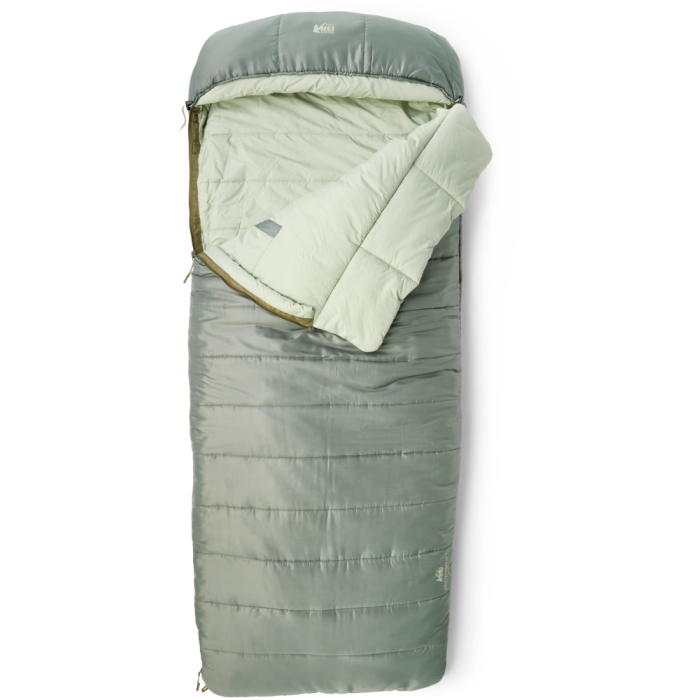
When it comes to the best camping sleeping bags out there, the REI Siesta Hooded 20 is our number one pick. It represents what we love about a quality camping sleeping bag: outstanding warmth, a spacious and comfy interior, competitive features, and stellar durability — all for a value price.
It’s easy to love this sleeping bag from the get-go because it’s just so comfy. The cinchable, rectangular hood adds extra warmth, and it’s wide enough to hold a full-size pillow in place. We love the Siesta’s soft draft collar — on warm nights, flop it out like a thick blanket, or tuck it inside to block cold air when the temps drop.
The wide zipper is smooth, doesn’t easily catch on the material, and wraps around to the opposite corner, so you can transform it into a comforter if you prefer. It also has a partial zipper on one side that folds the top down for a bed-like sleeping experience. Its interior pocket offers plenty of room for a phone or bulky headlamp.
We have very few complaints about the Siesta Hooded 20. It packs up a bit bulky and doesn’t come with a mesh storage sack, so storing it may be a bit challenging. But it’s not much bigger than most of the options on this list, and the oversized stuff sack is no problem for stashing or unpacking. Also, the comfort rating is overstated — it’s cold below 35°F. But for summer weather, it’s great.
We especially love the hefty feel of this bag. It has great loft and settles around the body like a blanket. Still, this one’s too heavy for backpacking, so we recommend keeping it for car camping.
REI is at the top of its game with the Siesta Hooded 20. It’s much wider compared to most mummy bags, so regardless of your body shape or favorite sleeping position, you’ll have plenty of room to sprawl out. This model checks every box for us when it comes to car camping: affordable, easy to carry, and comfy, making it our top sleeping bag of the year.
Therm-a-Rest Boost 650
Best Sleeping Bag for Features and Adjustability
CleverHiker Rating: 4.7/5.0
Price: $340
Temperature Rating: 20°F
Weight: 2 lb. 11 oz.(Regular)
Fill Type: 650-fill-power duck down
Pros
- Lightweight & packs small
- Expands from mummy to rectangular shape
- Two zipper vents double as arm holes
- Cozy, soft material
- Inclusive sizing
- Mesh storage bag and compression sack included
- Dries fast
Cons
- Many zippers can feel cumbersome
- On the expensive side
- Has a shallow hood
- Comfort rating closer to 40°F and above
- Down requires a bit of extra maintenance
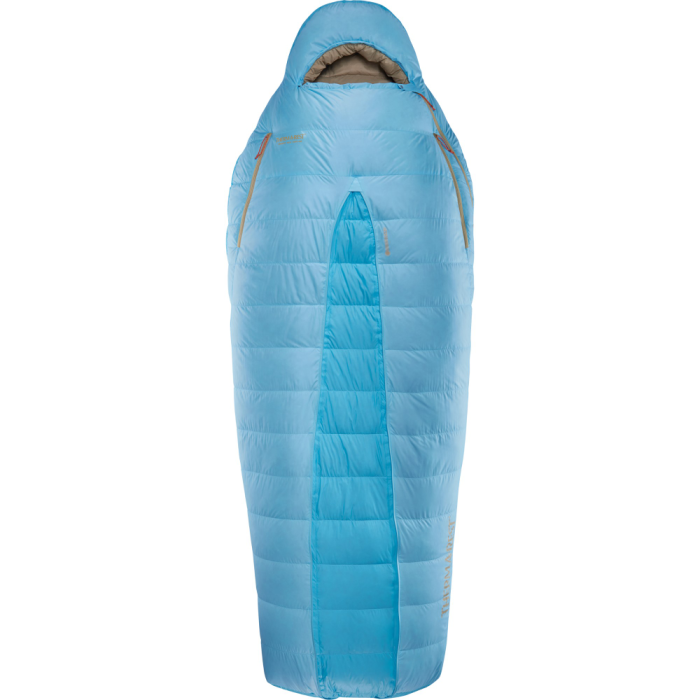
We welcome the unique and adjustable Therm-a-Rest Boost 650 to the top of our list. If you’re looking for an ultra-versatile sleeping bag for both cozy car camping and long backpacking trips, this one leads the pack for one-of-a-kind features, top-tier comfort, and a small packed size.
Our favorite thing about this bag is the center zipper that converts it from a snug mummy shape — perfect for cold nights — to a wider rectangular shape for more room on warmer nights. We also fell in love with the two smaller zippers on the sides, which double as vents, and are perfect for sticking our arms through. This one-of-a-kind design allowed us to stay cozy in our bags while still maintaining dexterity to move gear around the tent, scroll on our phones, or even read a book while still snuggled inside.
Also, the main zipper extends from the hood to the bottom of the footbox, allowing you to vent your feet better than in other mummy designs. Plus, the storage is generous. The Boost 650 features one of the deepest internal pockets we’ve seen for a phone and headlamp. However, it doesn’t have a closure.
Thanks to 650-fill down insulation and a durable yet lightweight nylon exterior, this model also packs super small. It compresses to 20 by 7.5 inches in the regular size, so we had no trouble fitting it into a backpack or trunk.
The downside of this design? The Boost 650 has many zippers and features. All these zips can be overwhelming — and unnecessary — for casual car campers. Folks who just want a basic bag could spend significantly less for a simpler setup and be just as comfortable, making this level of customization feel excessive.
We also found that the warmth rating is overstated. We found it a bit chilly when temps dipped below 35 to 40°F, so we recommend this one for milder three-season conditions. Also, the hood design, even for a mummy bag, is a bit shallow, and down insulation requires more maintenance than synthetic alternatives.
Last, the Boost 650 is spendy. However, its steep price tag reflects those unique premium features, and we think it’s worth every penny for a durable, comfy, and adaptable bag for years of regular use. If you want an innovative design, this one is it. It earns its keep near the top of our list for an awesome balance of warmth, comfort, features, and packability for both car camping and backpacking.
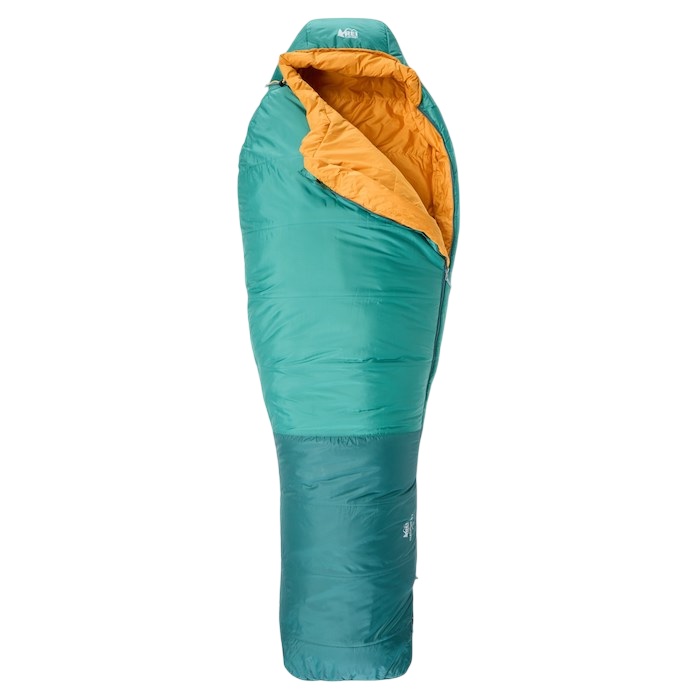
REI Co-op Trailmade 25
Most Inclusive & Accessible Camping Sleeping Bag for All Shapes & Sizes
CleverHiker Rating: 4.6/5.0
Price: $129
Temperature Rating: 25°F
Weight: 2 lb. 15.1 oz.(Medium)
Fill Type: Synthetic
Pros
- Affordable price point
- Available in nine different length & width combinations
- Smooth, two-way zipper
- Accurate temperature rating
- Comfortable material
- Recycled fill and shell materials
- Smaller packed size
Cons
- Mummy bag shape might be restrictive for some
- No mesh storage sack
It’s hard to beat the REI Co-op Trailmade 25’s blend of comfort and affordability, and with nine unique size options, this sleeping bag offers something for everyone. Its low price and crossover design make it a versatile option for everything from car camping to short backpacking trips.
The Trailmade 25 is an update to REI’s previous model, the Trailmade 20. Like the 20, the 25 is built to dovetail with other products in the Trailmade line, including the Trailmade 60 pack. It also offers some improvements on the old design — most notably a several-ounce weight reduction that makes the Trailmade 25 even easier to bring along backpacking.
However, the downside of the update is a diminished temperature rating. As its name suggests, the Trailmade 25 is rated for 25°F, rather than 20°F. However, in hotter climates, this won’t be as big a deal. The bag performs most comfortably at temperatures in the low 30s and up. If you find yourself camping in chillier conditions, this change might be less ideal, but the Trailmade 25 still performs above average in terms of warmth.
The bag’s mummy shape serves as an excellent insulator, although the tapered design doesn’t offer as much room for movement as rectangularly-shaped bags. The smooth-on-skin liner is cozy and comfortable, while a hood and zipper draft tube further ensure heat stays trapped while you sleep.
Overall, the REI Co-op Trailmade 25 is a high-quality sleeping bag at an affordable price, making it a practical choice for a range of uses and body types.

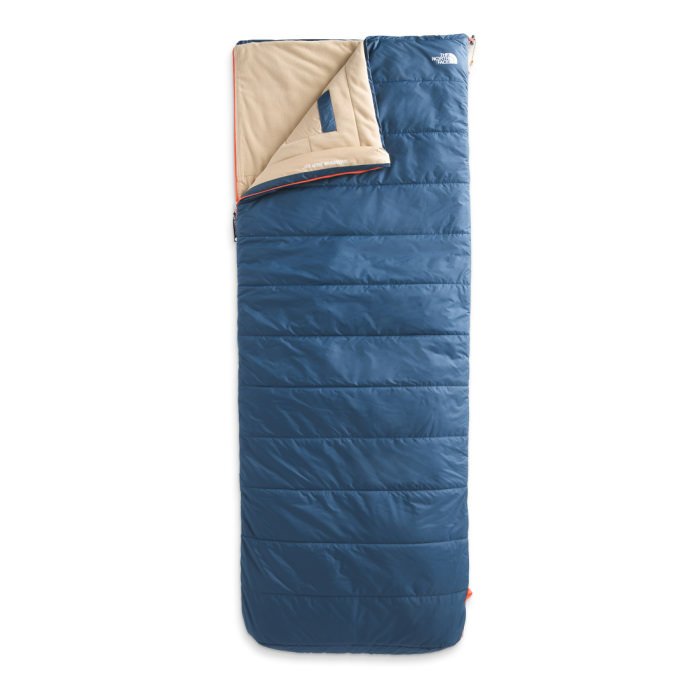
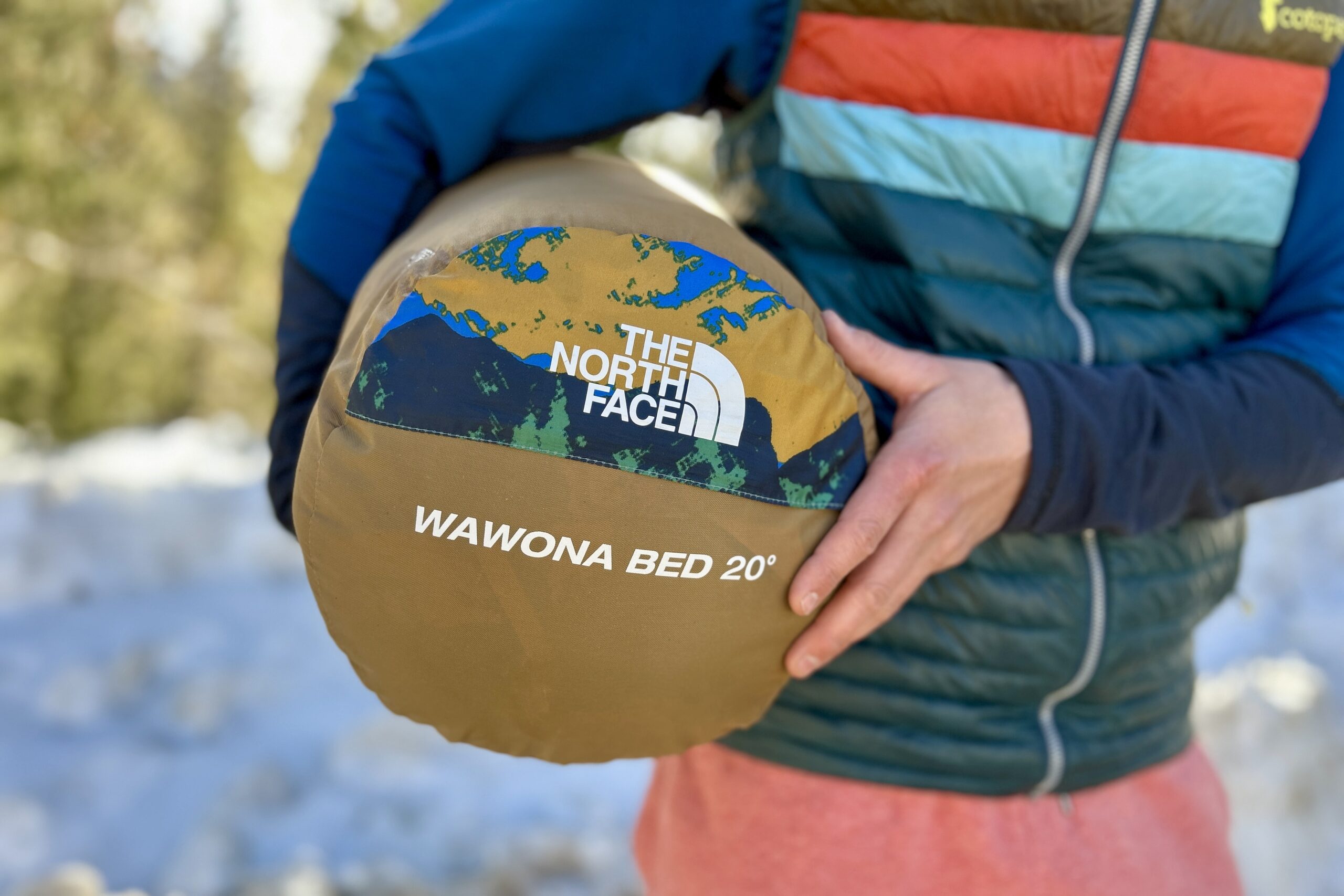
The North Face Wawona Bed 20
Most Comfortable No-Frills Sleeping Bag
CleverHiker Rating: 4.6/5.0
Price: $150
Temperature Rating: 20°F
Weight: 4 lb. 14.3 oz.(Regular)
Fill Type: Synthetic
Pros
- Affordable price point
- Lightweight
- Smooth zipper with oversized zipper tab
- Comfy fleece lining at the top
- Unzips into a blanket
Cons
- No hood
- A bit heavy and bulky
- No mesh storage bag
- Narrow draft tubes
The name of the game with The North Face Wawona Bed 20 is simplicity and comfort. If you’re looking for a cozy, no-frills sleeping bag for warm-weather camping and summer trips that will stand the test of time, the Wawona is worth a closer look.
This bag earns an Editor’s Pick badge for walking a fine line between quality and price. For $130, you get a roomy, über comfortable sleeping bag. Our favorite part of this model is the super-soft, cozy fleece lining at the top that lends next-to-skin comfort and feels like warm bed sheets. The wide rectangular shape gives it a roomy feel that makes rolling over and stretching out as easy as being in bed at home.
The Wawona features large, oversized zipper tabs that are easy to locate in the dark, and the smooth zipper track allows you to easily vent the bag in the middle of the night or open it completely to lie flat like a blanket for ventilated sleep and staying warm around the campfire.
The Wawona is not the warmest bag in its class. It doesn’t have a hood, and we also found the temperature rating felt low, which left us reaching for our hats and down jackets below 35°F. That said, the Wawona is plenty warm and incredibly comfortable when overnight temps stay in the 35 to 60°F range.
While there’s nothing fancy about the Wawona Bed, it’s very well made, and we’re confident that it will last for years. We recommend the Wawona Bed to those who prioritize comfort and affordability for their frontcountry trips.
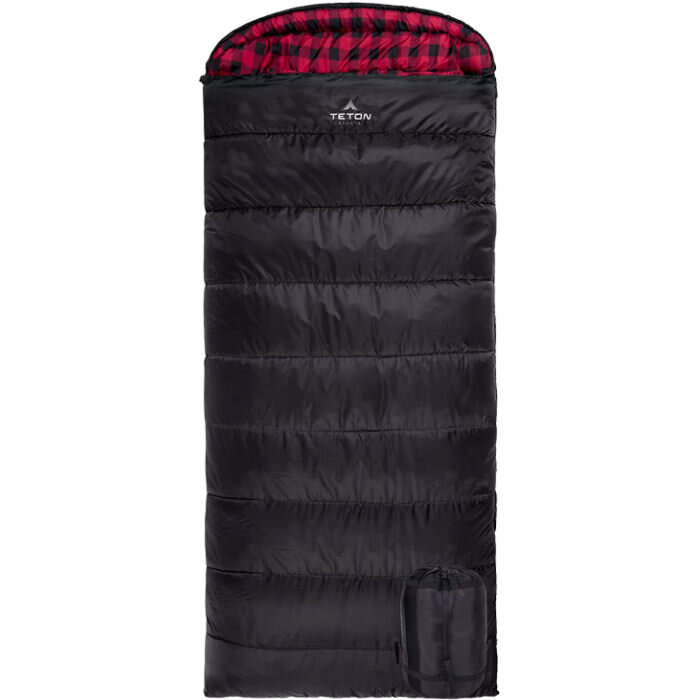
Teton Sports Celsius XXL 0F
Best Budget-Friendly Cold-Weather Sleeping Bag
CleverHiker Rating: 4.5/5.0
Price: $120
Temperature Rating: 0ºF
Weight: 7 lb. 3.2 oz.
Fill Type: Synthetic
Pros
- Wide and roomy
- Poly-flannel lining feels like bedsheets
- Good price point
- Fully unzips to turn into blanket
- Very warm
- Durable, water-resistant shell
- Large draft tubes
- Large internal pocket
Cons
- Heavier and bulkier than some
- Hood cinch cords are long
- Hood is shallow
- Zipper catches on material
- Too warm above 50°F
If you’re a cold sleeper, the Teton Sports Celsius XXL is one of our go-to’s. It’s a classic, thick sleeping bag for chilly nights at an extremely affordable price. The Celsius is better than ever, thanks to significant updates, including a hood, refreshed liner material, and a new baffle design for better insulation.
Nothing beats a sleeping bag that feels like your bed back home — and the Celsius XXL nails it. The interior is a polyester and flannel lining that’s ultra-soft on the skin. The wide, rectangular shape has tons of room for spreading out, and it’s a great choice for big and tall folks. The baffles effectively block airflow along the zipper and neck on cold nights, and double-cinching mechanisms — one on the inside and one for the hood — keep warm air inside for an extra-cozy choice in cold weather.
The refreshed Celsius adds some excellent upgrades. It now includes a hood and better insulation distribution with diagonal baffles. The huge L-shaped zipper transforms the bag into a giant, cozy blanket for lounging around camp or maximum ventilation when sleeping.
The Celsius is rated to 0°F, and we tested it down to 10°F. It was so warm, heavy, and cozy that we didn’t want to get out in the morning. If you’re a cold sleeper, this thing is almost impossible to beat. That said, the temperature rating is overkill for warm, humid nights that stay above 50°F.
Also, the hood addition is nice, but it’s a little shallow. We found the exterior fabric is a bit noisy, so if you’re sensitive to sound, this might be an annoyance. The zipper track is a bit clunky and tends to snag on the inner liner, making it a bit tedious to operate, especially if you need to get in or out quickly.
Lastly, the Celsius is bulky to pack up and store, although its compression sack is spacious and accommodates the material well. But that’s exactly what we like so much about it. This is a huge, classic, comfy sleeping bag for a very reasonable price, and it’s at the top of the list because it’s a great choice for anyone who wants a super cozy, warm night of sleep.
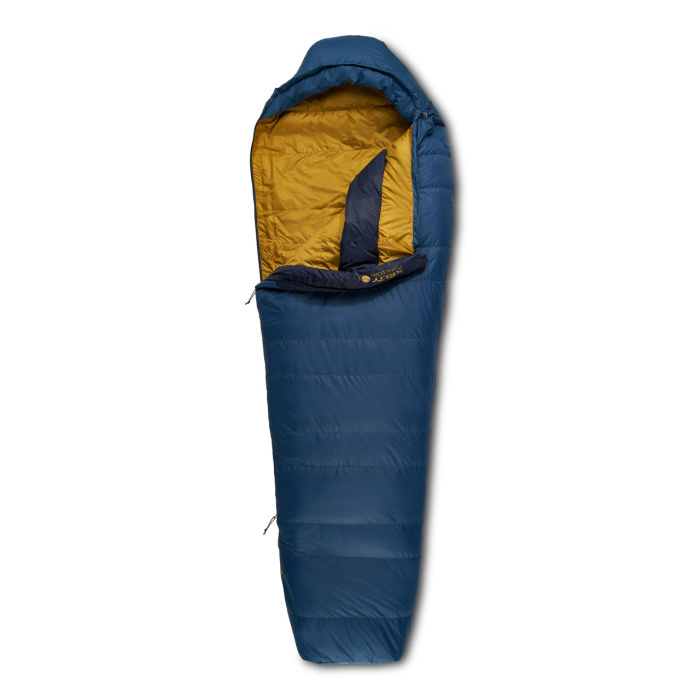
Kelty Cosmic Down 20
Value Sleeping Bag with Good Warmth-to-Weight Ratio
CleverHiker Rating: 4.5/5.0
Price: $190
Temperature Rating: 20ºF
Weight: 2 lb. 7 oz. / 3 lb. 4.8 oz.
Fill Type: 550-fill-power down
Pros
- Excellent value for a down sleeping bag
- Lightweight and packs small
- Hood adds warmth
- Strong, snag-free zipper
- Zippered stash pocket
Cons
- Narrow fit
- Women’s bags cost and weigh more
- Down requires special care when washing
- Does not include mesh storage bag
Whether you’re car camping in the Poconos or setting up a basecamp in the Sierras, Kelty’s über popular mummy-style Cosmic Down 20 (men’s / women’s) is a stellar choice for a sound night of sleep.
We’re big fans of the quality, fast-drying fabrics on the Cosmic Down 20. The slim-fitting mummy bag design is more efficient at retaining heat than rectangular options, as the footbox is rounded and there are no corners for cold spots. This combination of fabrics and warmth makes the Cosmic a great choice for camping in humid, foggy, and damp conditions. Plus, it comes in 0°, 20°, and 40°F options that will work for whatever season you’re camping in.
The ergonomic footbox gives a bit of extra wiggle room for your toes, and the Cosmic has one of the larger zippered stash pockets we’ve seen — plenty big enough for your phone, watch, and chapstick. We also appreciate this bag’s slightly wider fit, so those with larger body sizes or who prefer a bit more room will appreciate the extra space.
The main complaint we have about this model as a camping bag is that it’s a narrow fit compared to most on this list. This is a traditional mummy bag, so it’s perfect for staying warm since there’s no extra space or dead corners to collect cold, making it a solid crossover pick for both backpacking and car camping. That said, if you prefer to spread out or will be staying in the frontcountry for most of your camping experiences, this may not be the best option compared to more spacious synthetic bags on this list.
These models are very light for car camping and shorter backcountry trips, but they’re on the hefty side if you’re trekking longer than a few days.
Kelty has a real winner for car camping with the Cosmic Down that we continue to use year after year from late spring until early fall. With a price range of $150 to $190, this well-rounded down bag is an accessible, affordable sleeping option for most on cool nights.
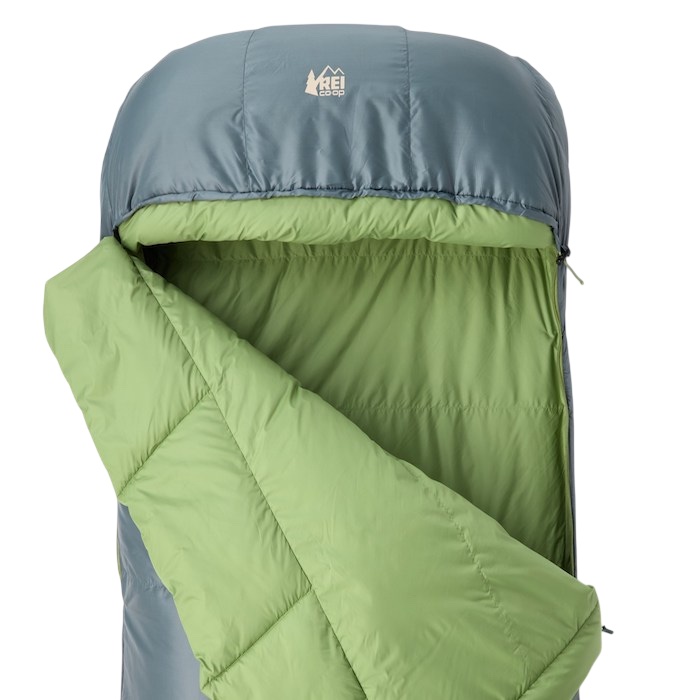
REI HunkerDown 20
Best Flexible Comfort in a Down Sleeping Bag
CleverHiker Rating: 4.5/5.0
Price: $219
Temperature Rating: 20°F
Weight: 3 lb. 6.3 oz.(Medium)
Fill Type: Down
Pros
- Roomy design accommodates a range of sleeping positions
- Small packed size
- Comes with a stuff sack and mesh storage sac
- Practical insulating features
- Unzips into a quilt
Cons
- Down requires special care when washing
- Temperature rating overstated
- Too heavy for backpacking
The REI HunkerDown 20 blends comfort and flexibility into a versatile and lightweight build. The HunkerDown is essentially the down-filled cousin of the REI Siesta Hooded 20, and we love it for many of the same reasons. Featuring a rectangular build, it accommodates a range of body positions and allows for effortless shifting for those who move around in their sleep. A wrap-around zipper also enables the HunkerDown to become a quilt, providing even greater versatility.
Though we found the 20°F temperature rating slightly overstated — our testing found it most comfortable at temperatures from the mid-30s and up — the HunkerDown employs several design elements to keep the bag well-insulated and maximize heat retention. A large, cinchable hood helps insulate the head, while a draft collar keeps heat inside the bag. A draft tube also protects the zipper from any heat loss, keeping the HunkerDown very cozy when used in the proper temperature range.
REI also incorporates features that make the bag more comfortable to use. The generously-sized hood can fit an entire pillow, and a partial zipper on the bag’s opposite side allows the collar to fold down like a blanket. The 600-fill-power-down insulation feels plush but also packs down easily, allowing the HunkerDown to collapse into a small, packable size. An interior stash pocket perfectly fits small accessories, like a phone. And a strip of nylon running the length of the draft tube keeps the zipper moving without snags. These thoughtful elements may not be groundbreaking, but they enhance the overall comfort and practicality of using the HunkerDown outside.
The REI HunkerDown 20 is a seamless sleep system whose intentional design is perfectly attuned to your needs, making outdoor sleep as easy and comfortable as possible.
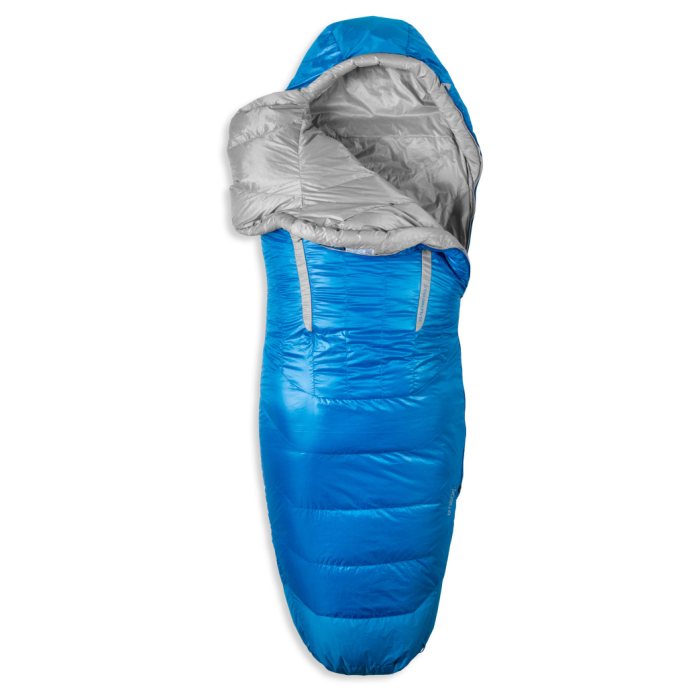
NEMO Disco Endless Promise 30
Versatile Down Bag for Summer Camping and Backpacking
CleverHiker Rating: 4.4/5.0
Price: $280
Temperature Rating: 30°F
Weight: 1 lb. 15 oz. / 2 lb. 4 oz.
Fill Type: 650-fill-power down
Pros
- Manufactured with recycled and recyclable materials
- Lightweight
- Wide fit for side and belly sleepers
- Vents to assist breathability
- Men’s and women’s versions zip together
- Built-in pillow sleeve
- Compression sack and stuff sack included
- Good for both backpacking and camping
Cons
- Expensive
- Larger packed size
- Down requires special care when washing
- May be excessive for car camping
- Most comfortable 45°F or higher
If you’re on the hunt for a backcountry-worthy camping bag that’s wide enough to accommodate belly sleepers and side sleepers, the NEMO Disco 30 (men’s / women’s) is for you. Those who prioritize comfort and tons of legroom at a decent weight will love the Disco for its spacious, unrestricted interior.
When it comes to temperature control, this bag is king. It features two super-functional ThermoVent “gills” — basically two mesh-lined zippers on top of the bag. When open, these vents dump hot air and allow cool air in without needing to unzip the bag lengthwise. We also like that the massive oversized draft collar blocks cool air from getting into the bag on cool nights.
We love the Disco for its unique, spacious spoon shape that gives plenty of room around the elbows and knees. At right about two pounds for regular and packing impressively small, the Disco is a perfect crossover bag: cozy for car camping, but a solid choice for backpacking adventures.
NEMO leads the pack for sustainability with the Disco. The Endless Promise namesake is NEMO’s commitment to keeping materials out of landfills with fully recyclable products. When the days of your Disco are done, send it back to NEMO — they take full responsibility for recycling all parts of this bag, from fabric to the zipper. Even the shell is made from 100% recyclable PET.
The listed temperature rating is a tolerable minimum, not a comfort rating. Though the Disco 30 kept us warm down to around 45°F, we found there was a sharp drop-off in comfort below that. For temperatures below 40°F, we recommend sleeping in your base layers. If you’re a cold sleeper, we recommend the 15°F model instead. Or, if your camping partner has a Disco, the two bags can be zipped together to maximize heat retention.
Finally, it may simply be too much for occasional or casual car campers. It’s worth noting that NEMO’s attention to detail is exceptional, but many of these features go unused unless you’re also backpacking. However, if you plan to do a mix of backcountry and frontcountry trips and want a roomy bag, it’s worth paying a bit more for an excellent quality option like the NEMO Disco 30. It’s the best of both worlds for car camping and backpacking.
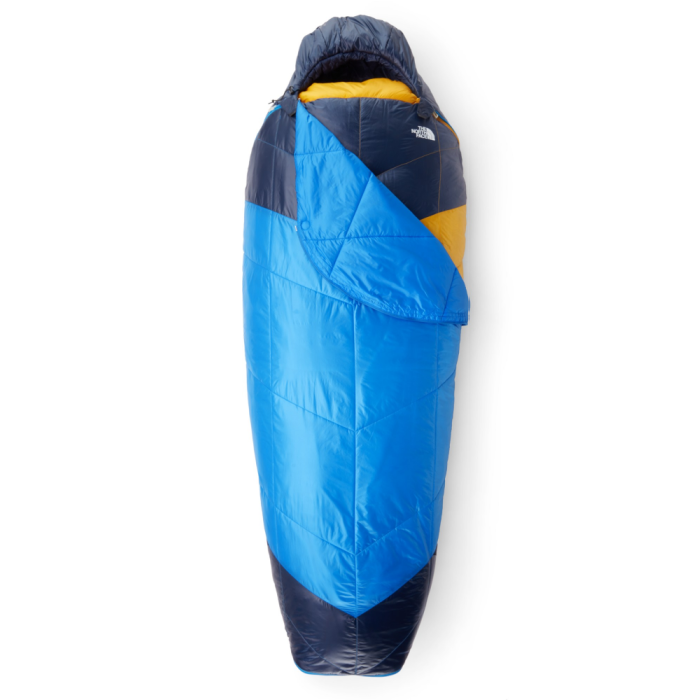
The North Face One Bag
Best Sleeping Bag for Different Temperatures
CleverHiker Rating: 4.3/5.0
Price: $390
Temperature Rating: 5°F, 20°F, 40°F
Weight: 3 lb. 13 oz.
Fill Type: Hybrid: 800-fill-power down & synthetic
Pros
- Versatile for different temperatures
- Warm
- Wide fit for tossing & turning
- Comfortable material
- Packs small
- Durable build
- Large draft collar
- Glow-in-the-dark zipper pulls
- Fleece-lined stuff sack doubles as pillow
Cons
- Expensive
- Wrap-around zippers add stiffness to bag
- No internal pocket
- Length runs a bit short
- Thin on the underside (warm sleeping pad required)
If you’re a car camper, weekend backpacker, or year-round adventurer looking for the ultimate hybrid three-season camping bag, look no further than The North Face One Bag. The One Bag is basically three different sleeping bags in one. It comes with multiple layers you can mix and match to configure one sleeping for three different temperature ratings: 5°F, 20°F, and 40°F. Rather than buying two or three different sleeping bags, you can buy one camping sleeping bag. We love the versatility and value.
We’re always a bit wary of products that try to do multiple things at once. But, as its name implies, The One succeeds at being the only bag you’ll need year-round. We’ve used it from deep-freeze winter backpacking trips to balmy summer adventures, and it’s performed admirably.
Thanks to a unique layered zipper system and a hybrid of down and synthetic insulation, The One is warm down to 15° F. It’s super cozy, so you can snuggle into the depths of the comfy material and stay toasty when the temps drop. In warmer conditions, zip off the top layer for comfortable sleep in the 30 to 45°F range. And in warm conditions (above 50°F), unzip the mid layer for ultimate breathability.
The One bag also stands out for its build quality and attention to detail. The wide fit allows for easy movement, which is great for tosser-turners. Zipper pulls are glow-in-the-dark for easy access. We love that the stuff sack doubles as a pillow — its interior is lined with fleece — and the draft collar is fluffy and effective at keeping cold air out.
On the downside, we could feel the stiff zippers on all sides of the bag. This wasn’t a dealbreaker, but it took a bit of getting used to. The bag length is a bit short, so you may want to size up to a Long version. Also, most of the insulation is on top of the bag — not the underside — so if you’re planning to camp in really cold conditions, be sure to use a warm sleeping pad or camping mattress with a high R-value.
And, for $390, this is one of the most expensive sleeping bags we tested. But its versatility makes it a value that’s tough to beat. Considering that it would take at least two sleeping bags to feel cozy across such a wide temperature range, The One Bag is an extremely practical choice and a smart investment with years of payoff.
If your priority is a sleeping bag that handles a huge range of temperatures, offers a comfortable, wide fit, and will last for year after year, The North Face The One is the one for you.
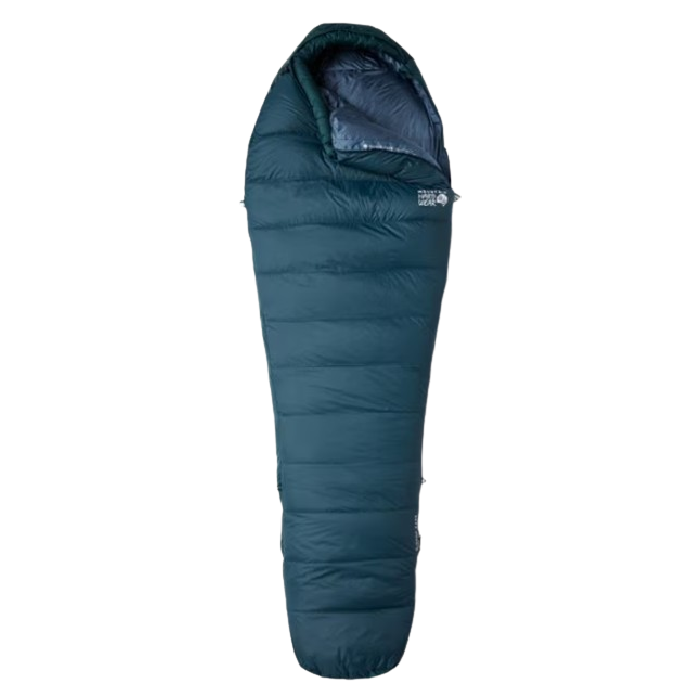
Mountain Hardwear Bishop Pass 15
Best Crossover Sleeping Bag
CleverHiker Rating: 4.2/5.0
Price: $335
Temperature Rating: 15°F
Weight: 2 lb. 5.4 oz.
Fill Type: 650-fill-power down
Pros
- Outstanding value for a down bag
- Good warmth-to-weight ratio
- Smooth zipper that doesn’t catch on material
- Lightweight and packs small
- Overstuffed footbox
Cons
- Slippery and slightly loud material
- Down requires special care
- Internal stash pocket is small with no closure
For those looking to step into the world of down sleeping bags, the Mountain Hardwear Bishop Pass 15 is top-tier. This excellent all-around down bag has kept us warm on backpacking trips in Rocky Mountain National Park, in the deep canyons of Utah, and on dozens of car camping adventures.
We love the lightweight, compressible nature of the Bishop Pass. With a packed size that easily fits in any backpack and a weight under 2.5 pounds, the Bishop Pass represents one of the best warmth-to-weight ratios on this list.
This mummy bag is simple, but it does simple very well. The Bishop Pass has a smooth zipper that rarely catches on the bag material. The draft collar is wider on the sides and narrower in the middle, wrapping naturally around your neck and preventing cold drafts. The footbox has an ergonomic shape with a bit more down filling on the underside, so you won’t experience cold spots. We also find the hood is deep enough for most backpacking pillows and cinches up nicely to retain warmth around our heads.
The main issue we encountered with this bag is the slipperiness and the sound of the material — both qualities are more noticeable than in previous versions, but we got used to it pretty quickly. The comfort range of this bag is closer to 25°F than 15°F, so for truly cold nights, we found an extra base layer made a world of difference. We appreciate that Mountain Hardwear includes a pocket, but it’s too small for a phone, and the lack of a closure means small items tend to slip out at night.
Still, the Bishop Pass earns its keep on our list. It’s an affordable, durable, and practical mummy bag for beginners and seasoned veterans looking for a down bag for backpacking, car camping, and everything in between. Plus, it comes in Gore-Tex, 0° and 30° versions, so wherever you’re headed next, this bag will keep you warm and comfortable.
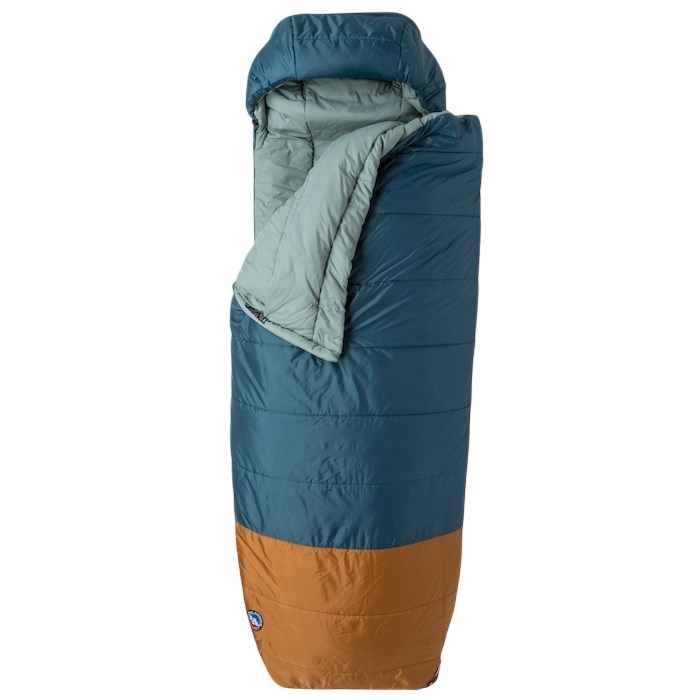
Big Agnes Echo Park 20
Best Bed-Like Comfort in a Sleeping Bag
CleverHiker Rating: 4.2/5.0
Price: $220
Temperature Rating: 20°F
Weight: 4 lb. 9.6 oz.
Fill Type: Synthetic
Pros
- Cotton-blend liner is comfortable
- Spacious design allows for a range of sleeping positions
- Built-in sleeve to keep your sleeping pad in place
Cons
- Heavier and bulky packed size
- Bottom is uninsulated, requiring a sleeping pad
The Big Agnes Echo Park 20 lets you bring the coziness of your comforter outdoors. The Echo Park liner is a departure from the slippery, sometimes crinkly material typically found in sleeping bags. Made with a blend of polyester and cotton, the interior fabric has a bedsheet-like softness to it that’s gentle on the skin and allows for much quieter movement. A spacious hood can easily fit a full-size pillow to accommodate even more of the comforts of home. The Echo Park also has a built-in pocket just underneath the hood, intended to hold a pillow in place, ensuring it won’t slide around while you sleep.
With a roomy, rectangular shape, the Echo Park provides plenty of space for folks with larger frames or those who move around in their sleep. We found there was enough room for us to smoothly turn from our backs to our sides while fully zipped into the bag. We also appreciated details like a zipper draft tube, a draft collar for the neck, and a cinchable hood to help trap in heat and keep the Echo Park feeling cozy.
We do have mixed feelings about the Echo Park’s design. The bottom of the bag is uninsulated, with a single layer of exposed interior fabric. This material is less moisture-wicking and not as tough as the bag’s shell, and does not provide much protection against cold or moisture. This clever design is useful when your sleep system incorporates a sleeping pad, reducing the bags’ bulk and weight. However, when you’re camping without a thick buffer between yourself and the ground, or rub up against a tent with condensation on the inside, this design is flawed and absorbs moisture — and takes on chilly air — quickly.
Overall, the Big Agnes Echo Park 20 is a highly comfortable option. Spacious yet cozy, its unique fabric choice creates an experience that feels more like sleeping in your bed than in a sleeping bag, bringing homey comfort to your next camping trip.
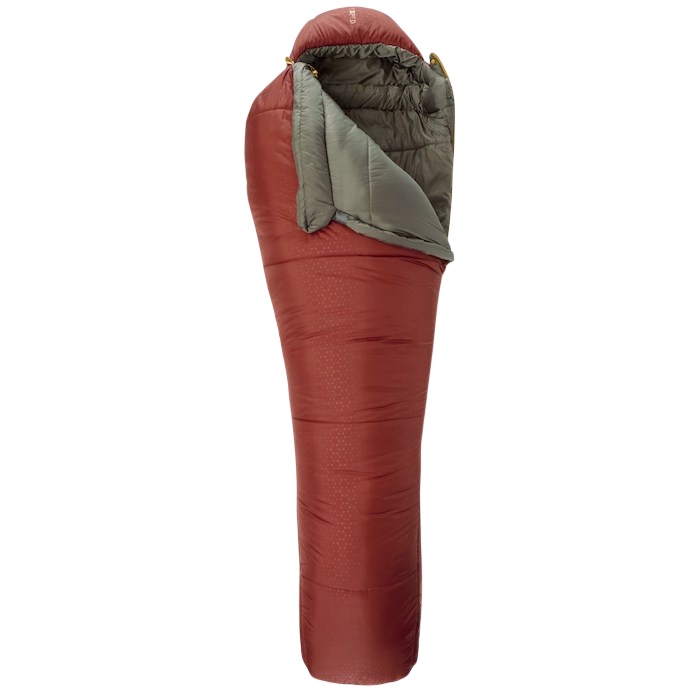
Exped DeepSleep 20F
Best Cold Weather Sleeping Bag
CleverHiker Rating: 4.2/5.0
Price: $150
Temperature Rating: 20°F
Weight: 4 lb. 0.4 oz.(Medium)
Fill Type: Synthetic
Pros
- Accurate temperature rating
- Plush insulation equipped to handle colder temps
- Thoughtful design features to trap heat
Cons
- Very tapered design — might be too tight a fit for some
- Bulky design
One of the first things we noticed about the Exped DeepSleep 20F was its plushness, making it one of the sleeping bags best equipped to tackle colder temperatures. Rated for 20°F, the DeepSleep kept us more than comfortable on chilly nights. The bag incorporates several elements to ensure heat stays trapped inside. A thick draft collar with a button clips the collar in place, even when the bag is unzipped. The hood provides a barrier between your head and the ground and can be cinched for an even snugger fit for maximum insulation. Exped even integrates a compartment into the bottom of the sleeping bag to provide a space to stow hand warmers or a hot water bottle to keep feet extra cozy.
The Exped DeepSleep is a mummy-shaped bag that better preserves heat than looser rectangular bags. However, unlike most mummy bags, the DeepSleep tapers significantly around the legs, resulting in a very narrow fit that some might find restrictive. For those who change positions while sleeping or want space to spread out, the tight shape of the DeepSleep may prove uncomfortable.
Exped designed many features, along with the bag’s shape, to prevent heat from escaping and maximize warmth. Though perfect for cold climates, they are less ideal for use in warmer weather. We found ourselves overheating quickly in DeepSleep when using it at night in the low 50s. This bag is much less comfortable when temperatures hit the upper 40s and is best reserved for cooler nights.
When your adventures take you into colder climates or later in the season, the Exped DeepSleep 20F is a budget-friendly, intentional design that will keep you warm.
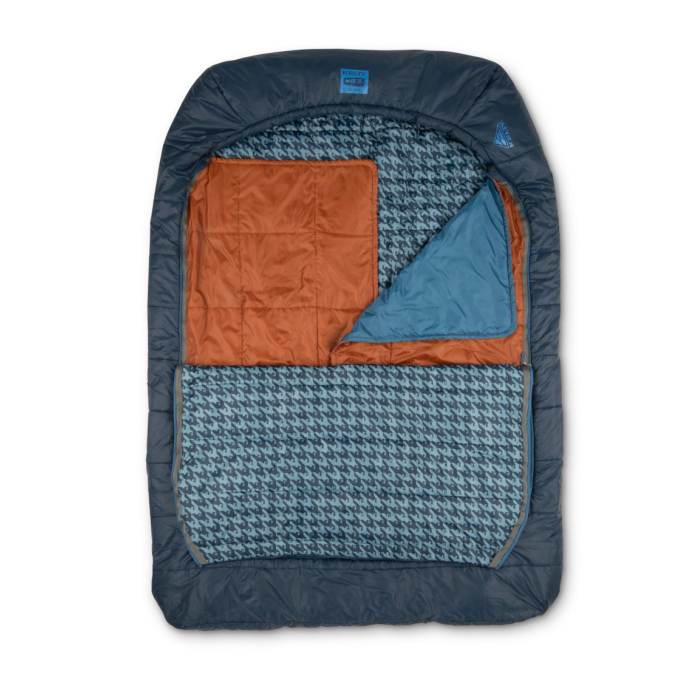
Kelty Tru.Comfort 20 Doublewide
Best Two-Person Camping Sleeping Bag
CleverHiker Rating: 4.1/5.0
Price: $200
Temperature Rating: 20°F
Weight: 9 lb. 8 oz.
Fill Type: Synthetic
Pros
- Good price point
- Oversized hood fits two full-size pillows
- Top layer zips off
- Two extra blankets add warmth
- Spacious for two people
- Ventilating wrap-around zippers on each side
- Durable, soft material
- Oversized stuff sack
Cons
- Heavy and bulky
- Liner fabric is a bit slippery
- Simple feature set
- Cold below 45°F
- Blankets a bit small
The impressively cozy and cleverly designed Kelty Tru.Comfort 20 Doublewide is perfect for those who want to share a sleeping bag with their bae or best four-legged friend. If you sleep best in a shared space, the Doublewide shows there’s no need to sacrifice this arrangement just because you’re sleeping under the stars.
The Tru.Comfort Doublewide offers unique, comfy features for two people without sacrificing personal comfort. It includes two separate integrated blankets so each person can have their own, adding a warm but lightweight extra layer on chilly nights. The huge oversized hood accommodates two full-sized pillows from home, so you can bring the creature comforts with you. And, this bag is the definition of roomy: it’s wider than a Queen mattress, so you can still sleep like a starfish — as long as your partner doesn’t mind.
We also appreciate the Tru.Comfort’s versatile wrap-around zipper system. When that game of footsie gets too hot, simply unzip the bottom of the bag to let your feet breathe. On especially toasty nights, we like that the entire upper layer can zip off for an airier, cooler sleep.
There are a few downsides to this Kelty model. We find the Tru.Comfort’s 20°F temperature rating is overstated. In our testing, even with shared body heat, this bag felt chilly on nights below 45°F. And while we like the blankets, they aren’t wide enough to offer full coverage for most adults. That’s why we recommend reserving this double bag for your trips from June to September.
The U-shaped zipper could feel a bit cumbersome to unzip in the middle of the night, and it’s missing more premium features like pockets, a cinch cord, and a sleeping pad pocket. We find the material is a bit slippery, so if you’re sensitive to texture, this one may miss the mark. And, the Tru.Comfort packs up bulky. But to be fair, this is a sleeping bag for two, so a large packed size is not a dealbreaker for us, and it takes up about the same amount of space as two separate bags.
That said, we highly recommend the Kelty Tru.Comfort. It hits the nail on the head when it comes to a shareable sleeping bag for two, and the $200 price tag is a sweet deal for years of comfy camping.
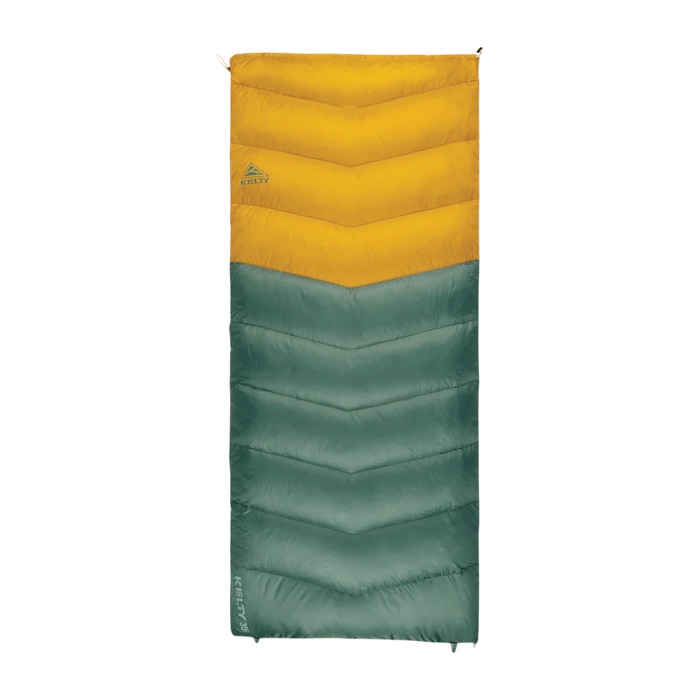
Kelty Galactic 30
Best Budget-Friendly Warm-Weather Sleeping Bag
CleverHiker Rating: 4.1/5.0
Price: $190
Temperature Rating: 30°F
Weight: 2 lb. 11 oz.
Fill Type: Down
Pros
- Roomy design accommodates different sleeping positions
- Lightweight and packable
- Able to fully unzip into a quilt
Cons
- Interior liner fabric is a bit slippery
- No hood and not ideal for colder temps
For flexible summer sleeping, the Kelty Galactic 30 proves a practical and affordable choice. It’s got a roomy shape that allows for a range of sleeping options and, though it may be simple, its no-frills design keeps things lightweight.
Kelty opts for a rectangular cut with the Galactic, which gives the bag a very spacious feel. We liked how easy it was to change positions as we slept, and the bag also offered room to spread our arms and legs, even when fully zipped. A full-length zipper wrapping around the bottom of the bag also enables the Galactic to transform into a quilt, perfect for added sleeping flexibility and ventilation, or as an extra layer on colder nights. We loved using the Kelty in quilt-mode as an additional layer when sleeping in our van in chilly temperatures.
When it comes to providing warmth, though, the Galactic’s 550-fill-power-down is better suited for warmer evenings if you’re using it on its own. Rated for 30°F, this bag felt equipped to handle a minimum temperature in the mid-40s. We had to throw on extra layers when sleeping in the Kelty during a night in the low-30s. A draft tube helps prevent air from escaping through the zipper, but the bag lacks a hood or collar to fully trap heat.
Its down fill allows the Galactic to maintain a very light weight and better enables the bag to pack down into a highly portable size. Although Kelty only provides a standard stuff sack with the Galactic, we tried using it with one of our own compression sacks and found we could smush it into an even tighter shape.
The Kelty Galactic 30 allows for a range of movement and configurations for ultimate sleeping flexibility. Although its stripped-back design lacks the features found in other bags, the minimalist build is a perfect fit for those looking to keep things light for their summertime camping setup.
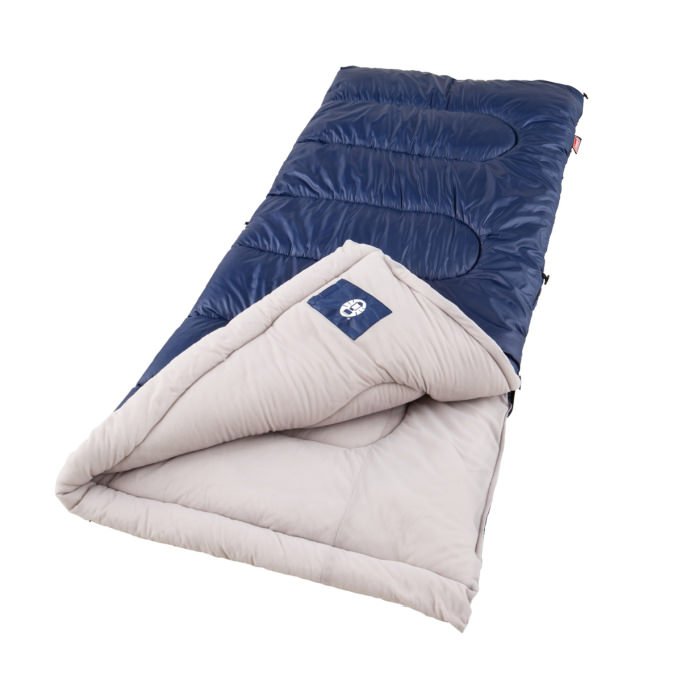
Coleman Brazos 30
Best Budget Camping Sleeping Bag
CleverHiker Rating: 3.7/5.0
Price: $47
Temperature Rating: 30ºF
Weight: 5 lb. 2.9 oz.
Fill Type: Synthetic
Pros
- Very affordable
- Comfortable interior material
- Durable
- Internal stash pocket
- Fully unzips to turn into a blanket
- Zip two bags together for more room
Cons
- Heavier/bulkier than some
- Debris and clothes snag on inner fabric
- Challenging to pack
- No hood or cinching mechanism
- Not water resistant
If you’ve got a slim wallet or need multiple sleeping bags, the Coleman Brazos 30 is your best bet. It’s hands down the most affordable sleeping bag on this list and one of our top budget picks.
The Coleman Brazos is a minimalist sleeping bag that offers exactly what we want in a sleeping bag and nothing more. It’s warm enough for nights 45ºF and above, perfect for mild weather and summer conditions. We like the cushy interior tricot fabric that feels buttery soft against the skin. That said, you’ll need to be a bit careful with this fabric, as it tends to pick up debris easily if it comes in contact with the ground, and it can feel a bit clingy against baselayers on cold nights.
The boxy and rectangular shape is well-suited for larger bodies and those who move around in the night, and the L-shaped zipper allows you to completely open up the bag into a blanket. Plus, two Brazos can be zipped together to share warmth.
That said, you’ll make some sacrifices with a $50 sleeping bag. It has small draft tubes and there’s no hood or tightening mechanism at the top. The zipper tends to catch on the material, which can be frustrating at night. Also, the exterior isn’t water resistant, so we don’t recommend it for wet or humid climates, and condensation can be an issue.
The biggest challenge, though? The Brazos is tough to pack up. It’s a battle to get it back into the tight stuff sack, though Coleman has offers a secondary way to keep the bag contained with some cord at the bottom of the bag. Our testing finds neither of these systems are worth the time – instead, consider purchasing an inexpensive mesh laundry bag, and toss this model inside for easy storage.
However, budget-friendly products are Coleman’s wheelhouse, and the Brazos offers a solid value for the price. We love that two bags can zip together easily, making a deluxe two-person bag for less than the price of one premium option. It’s a comfortable, practical sleeping bag that will keep you warm on cool summer nights. If you camp a few times a year, need a reliable backup, or simply want to get outside without spending an arm and a leg, we recommend the Brazos.
Product Comparison Table
| oSort | Product | Price | Temperature Rating | Weight | Fill Type | Comfort | Warmth | Packed Size | Features | 0 |
REI Siesta Hooded 20 View at REI 
|
$149 | 20°F | 5 lb. 7.3 oz. (Medium) | Synthetic | 4.9 | 4.3 | 4.5 | 4.7 | 1 |
Therm-a-Rest Boost 650 View at REI
|
$340 | 20°F | 2 lb. 11 oz. (Regular) | 650-fill-power duck down | 4.7 | 4.5 | 4.7 | 5.0 | 2 |
REI Co-op Trailmade 25 View at REI 
|
$129 | 25°F | 2 lb. 15.1 oz. (Medium) | Synthetic | 4.7 | 4.5 | 4.7 | 4.4 | 3 |
The North Face Wawona Bed 20 View at REI
|
$150 | 20°F | 4 lb. 14.3 oz. (Regular) | Synthetic | 4.4 | 4.2 | 4.5 | 4.1 | 4 |
Teton Sports Celsius XXL 0F View at Amazon View at Target
|
$120 | 0ºF | 7 lb. 3.2 oz. | Synthetic | 4.7 | 4.8 | 3.3 | 4.3 | 5 |
Kelty Cosmic Down 20 View Men's View Women's |
$190 | 20ºF | 2 lb. 7 oz. / 3 lb. 4.8 oz. | 550-fill-power down | 4.3 | 4.6 | 4.9 | 4.3 | 6 |
REI HunkerDown 20 View at REI |
$219 | 20°F | 3 lb. 6.3 oz. (Medium) | Down | 4.5 | 4.3 | 4.5 | 4.5 | 7 |
NEMO Disco Endless Promise 30 View Men's View Women's |
$280 | 30°F | 1 lb. 15 oz. / 2 lb. 4 oz. | 650-fill-power down | 4.8 | 4.4 | 4.7 | 4.8 | 8 |
The North Face One Bag View at Backcountry View at The North Face
|
$390 | 5°F, 20°F, 40°F | 3 lb. 13 oz. | Hybrid: 800-fill-power down & synthetic | 4.1 | 4.8 | 4.4 | 4.3 | 9 |
Mountain Hardwear Bishop Pass 15 View at REI View at Backcountry |
$335 | 15°F | 2 lb. 5.4 oz. | 650-fill-power down | 4.5 | 4.7 | 4.8 | 4.2 | 10 |
Big Agnes Echo Park 20 View at REI View at Backcountry |
$220 | 20°F | 4 lb. 9.6 oz. | Synthetic | 4.3 | 4.5 | 3.8 | 4.3 | 11 |
Exped DeepSleep 20F View at REI View at Backcountry |
$150 | 20°F | 4 lb. 0.4 oz. (Medium) | Synthetic | 3.8 | 4.7 | 4.1 | 4.1 | 12 |
Kelty Tru.Comfort 20 Doublewide View at REI View at Backcountry |
$200 | 20°F | 9 lb. 8 oz. | Synthetic | 4.6 | 4.0 | 3.5 | 4.5 | 13 |
Kelty Galactic 30 View at REI View at Backcountry |
$190 | 30°F | 2 lb. 11 oz. | Down | 3.9 | 4.0 | 4.6 | 3.9 | 14 |
Coleman Brazos 30 View at Coleman View at Amazon
|
$47 | 30ºF | 5 lb. 2.9 oz. | Synthetic | 4.1 | 4.1 | 3.4 | 3.9 |
|---|
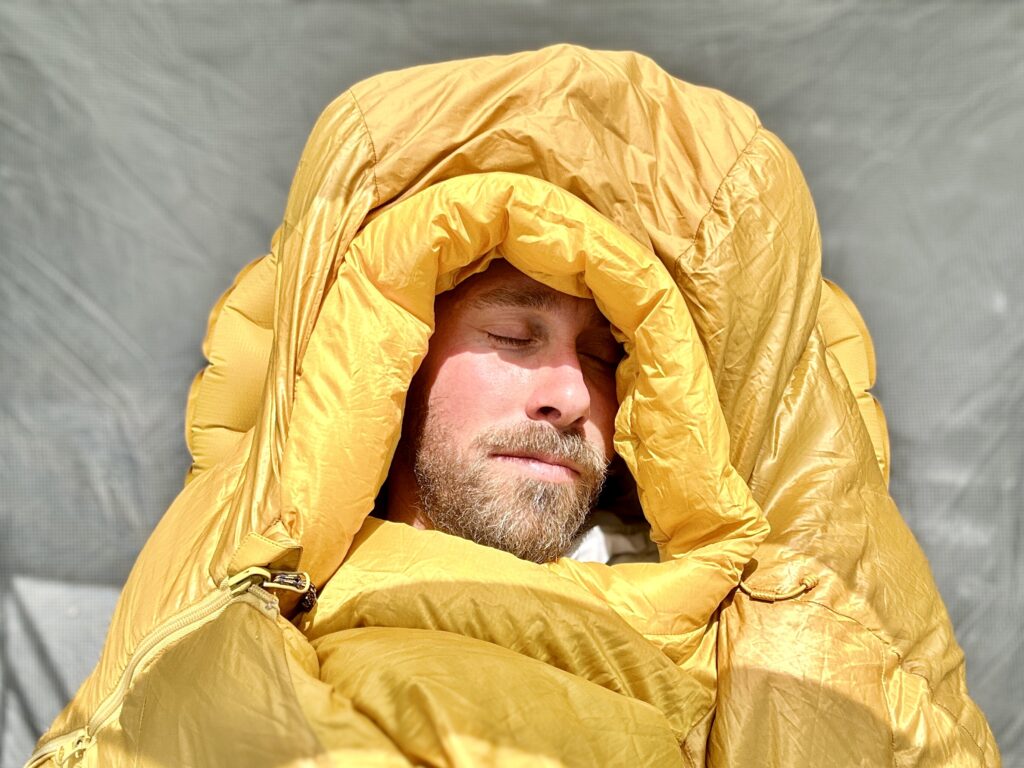
Analysis & Results
We outline the results of our testing process below and discuss top performers for warmth, comfort, packed size, and features.
VALUE
We look for sleeping bags that deliver top-tier performance so you get the most out of your investment — regardless of the price tag. Although some sleeping bags are just downright less expensive with above-average performance, premium bags can often pay off in the long run with extended durability and higher quality.
We’re huge fans of the REI Co-op Trailmade 25. This model offers an awesome value for only $129. It’s comfy, warm, comes in a ton of inclusive sizes, and is lightweight enough for both car camping and short backpacking trips. We like the simple feature set, quiet material, and lightweight construction, making it a fantastic choice for campers who want flexibility on a budget.
Also consider the Teton Sports Celsius XXL 0°F. This is one of the warmest, most spacious bags we’ve ever tested for such a competitive price. The extreme cold-weather capability and excellent durability of this one make it an outstanding value for those needing a larger, ultra-warm bag. Rated for 0°F, its massive loft is built for the coldest temperatures, and the fleece-lined interior rivals our favorite cold-weather sheets at home. Despite its large size, the Celsius XXL remains affordably priced for exceptional warmth.
Finally, The North Face One Bag offers unparalleled value with its innovative modular design. This is one of the most expensive bags on our list, but it’s essentially three bags in one thanks to a layering system built for a huge range of temperatures: 5°F, 20°F, and 40°F. Its combination of synthetic and down layers can be used together or separately in mild to sub-zero conditions. Its versatility and performance make it a cost-effective investment for serious adventurers who camp year-round.
COMFORT
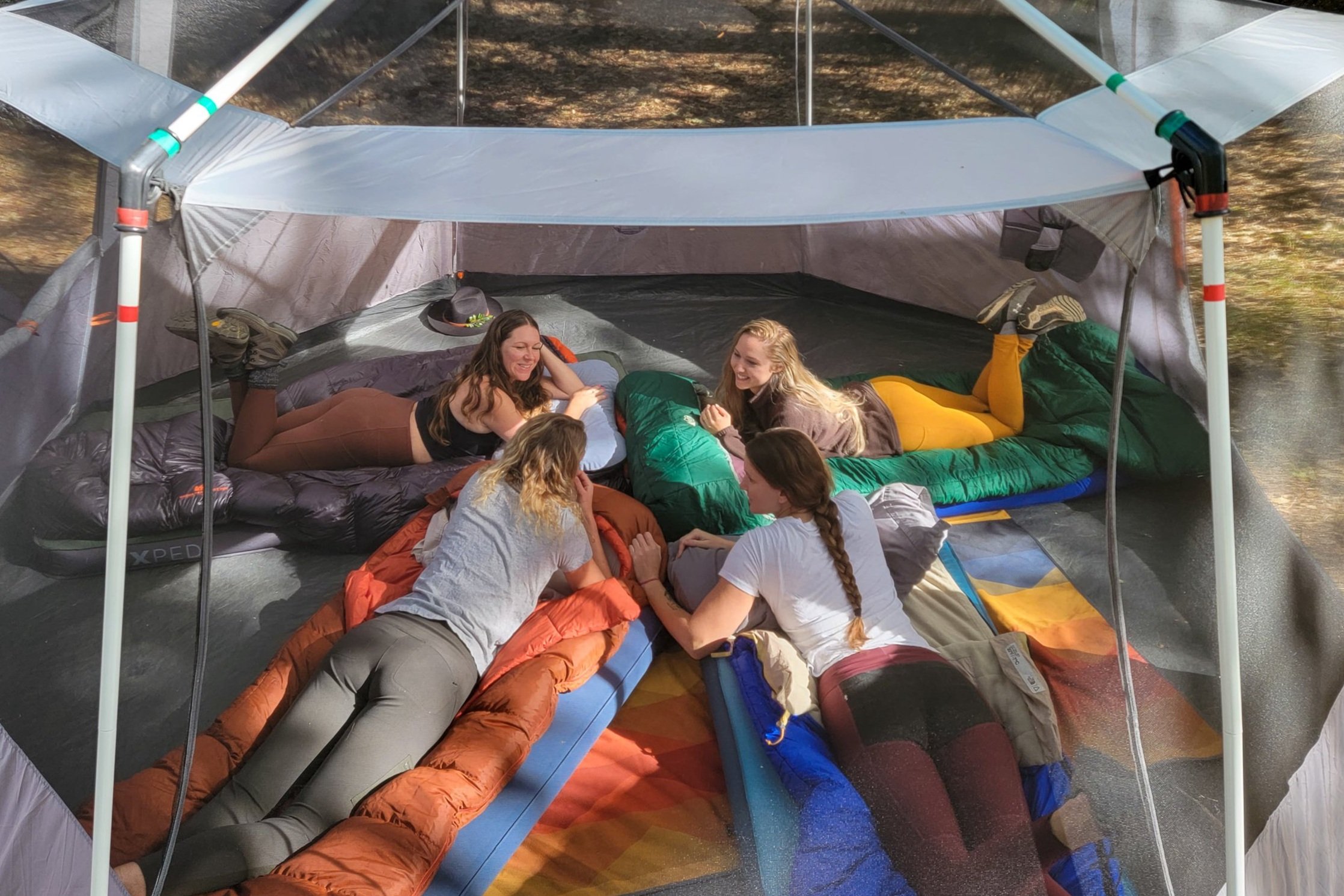
When it comes to spaciousness and room to move, our top choices are the Teton Sports Celsius Grand XXL 0F and the REI Co-op Siesta Hooded 20. Both of these bags are rectangular-shaped — as opposed to more restrictive mummy bags. So they provide a ton of extra space to toss, turn, stretch out, and change positions while you sleep.
That said, the Kelty Tru.Comfort 20 is the most spacious sleeping bag on our list. It’s designed for two people — or one person and a dog — who want a comfortable shared sleeping experience.
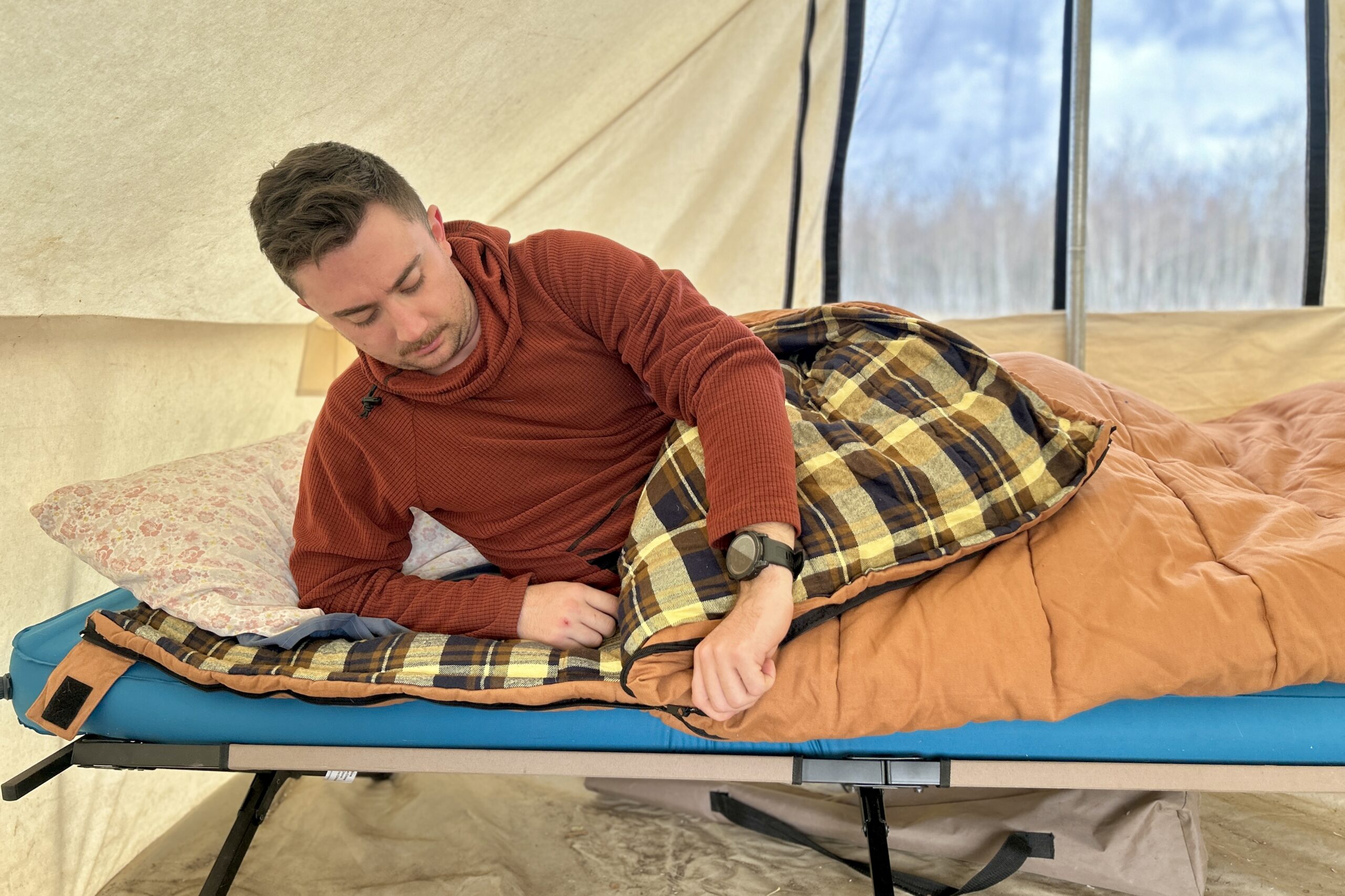
We prioritize bags with soft interior linings to maximize comfort, and the Teton Sports Celsius Grand XXL 0F and Big Agnes Echo Park 20 stand out for this. They feature soft internal linings that offer a cozy, bed-like feel. The REI Co-op Siesta Hooded 20 and REI Co-op Hunkerdown 20 earn top marks for comfort, too, thanks to a giant blanket-fold feature that zips down partially on both sides for a blanket-like feel that adds a bit of extra warmth and comfort for a snuggly night of sleep.
The REI Co-op Trailmade 25 also proves that mummy bags may be narrower, but not necessarily less comfortable. The bag’s soft lining feels smooth against the skin, while its gently tapered shape is well-padded and warm, rather than restrictive.
WARMTH
The North Face One Bag is an outstanding choice for warmth. The modular design allows three interchangeable layers, so it can adapt to a wide range of temperatures, making it suitable for sub-zero conditions when fully assembled. The synthetic and down layers provide excellent warmth and versatility, and perfectly-placed draft collars and a cinchable hood enhance heat retention. Plus, the ability to configure the layers based on the weather offers a customizable warmth experience.
Another of our top choices, the Teton Sports Celsius Grand XXL 0F, works in freezing temperatures rated down to 0°F. It features some of the loftiest synthetic insulation on the market, which offers good warmth even in damp conditions. The bag’s mummy shape, oversized hood, and full-length zipper draft tubes retain heat effectively. And we love the brushed flannel lining for a cozy feel and the double-layer construction for consistent warmth all night.
We highly recommend the Mountain Hardwear Bishop Pass 15. This bag uses high-quality 650-fill-down insulation, which provides an excellent warmth-to-weight ratio. The bag’s mummy shape, contoured foot box, and insulated draft tube help maintain warmth, and the lightweight yet durable construction makes it ideal for sleeping in cold conditions where warmth and weight are priorities.
Similarly, the Exped DeepSleep prioritizes comfortable sleeping on chilly nights. Its mummy shape retains heat, while elements like a draft tube, hood, and collar keep the bag well-insulated. Uniquely, the DeepSleep also includes a pocket at the feet, specifically designed to hold hand warmers or a hot water bottle, ensuring feet stay toasty all night long.
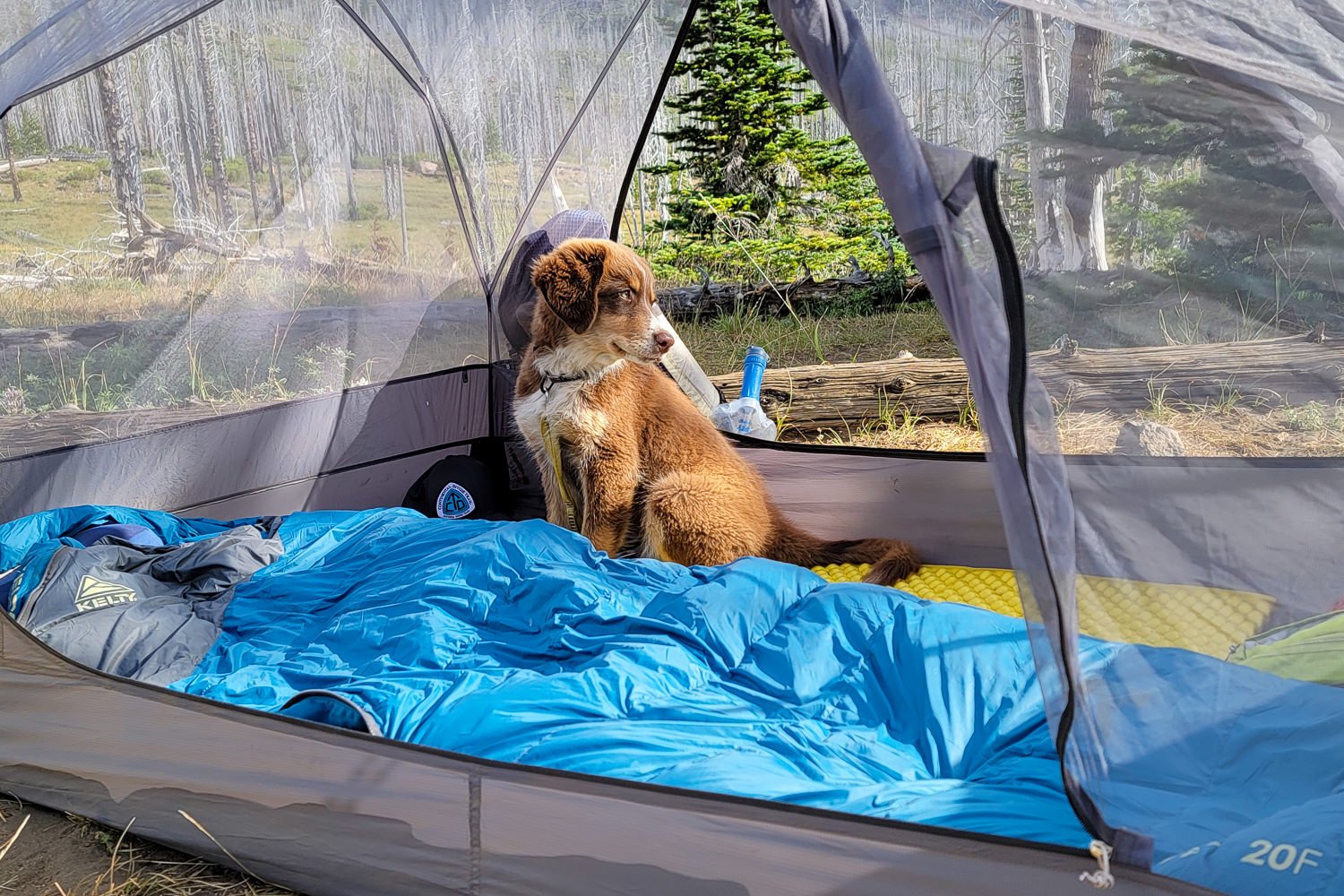
PACKED SIZE
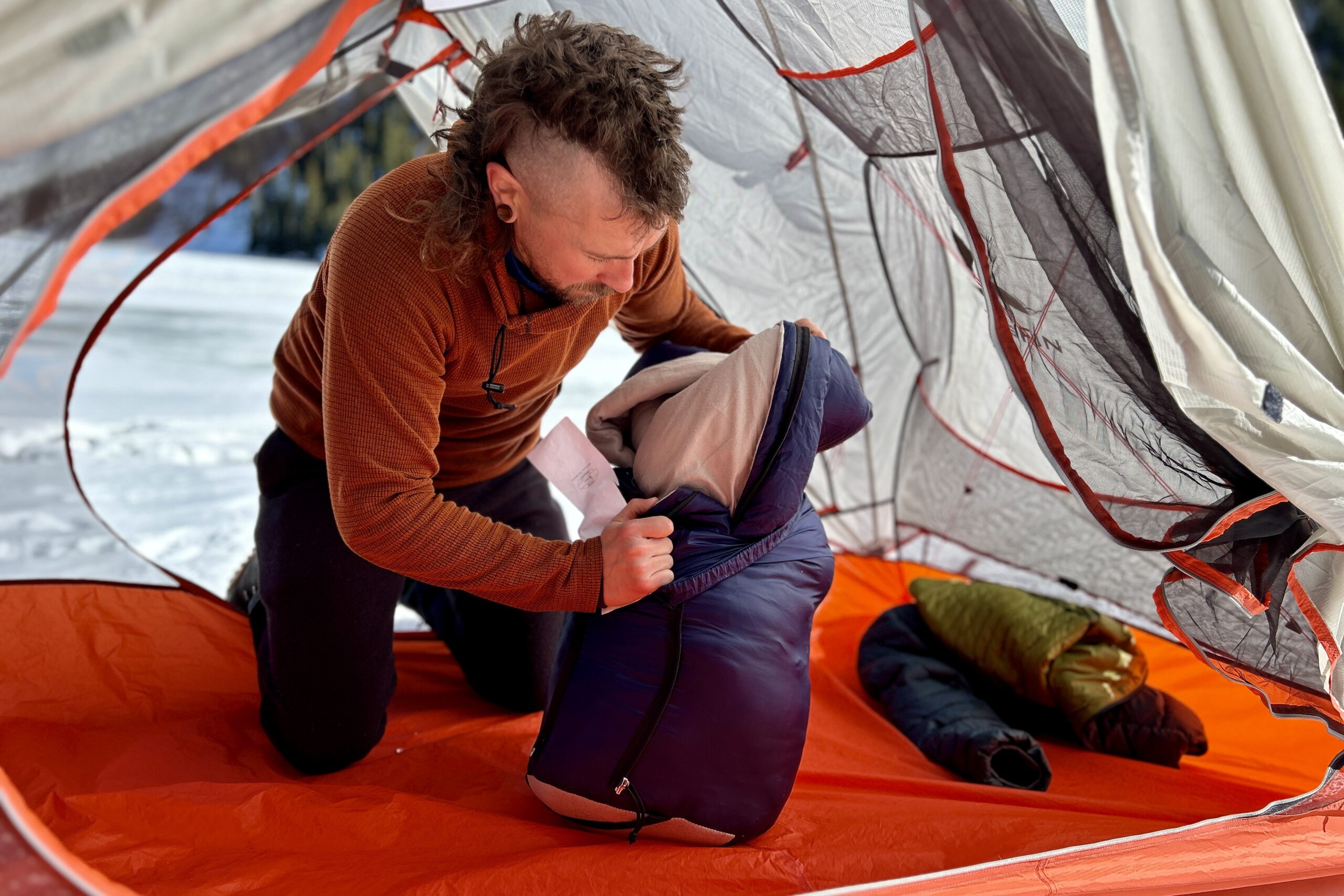
If you’re looking for a bag that packs small, insulation type and fill power matter for compression. That’s why both the Kelty Cosmic Down 20 and Mountain Hardwear Bishop Pass 15 are at the top of the list. They utilize down insulation, which is highly compressible and packs down to a smaller size than synthetic fills.
The fill power of their down — 600 for the Kelty and 650 for the Mountain Hardwear — contributes to their ability to shrink down. Lightweight materials in the shell and liner also play a crucial role in the overall packed size. Specifically, both bags feature lightweight nylon, which compresses better and occupies less space than other materials.
A few very close alternatives are the NEMO Disco Endless Promise 30, the Therm-A-Rest Boost 650, and the REI Co-op Trailmade 25. They don’t quite achieve the same compact size, but it’s close, and we’re splitting hairs here. They also utilize lightweight materials and highly packable designs, perfect for backpacking or car camping.
FEATURES
The most feature-rich sleeping bags we tested are the Therm-A-Rest Boost 650, the North Face One Bag, and the REI Co-op Siesta Hooded 20. All four bags feature oversized hoods, large neck baffles, and draft tubes that enhance warmth and comfort. They include internal pockets to stash small items like your phone or chapstick for fast access. The mummy-style hood of the Boost 650 and The North Face One Bag provides a snug fit.
The Boost 650 is full of lightweight zippers that offer unique and handy features. Unzip the center of the back to expand the width, transforming it from a mummy bag into a spacious car-camping bag. Unzip two zips on the side to vent heat, or stick your arms out for unrivaled dexterity while staying warm inside the bag, then completely zip the bag down to the base of the footbox and use it as a quilt.
The North Face One Bag has a zipper that extends all the way around the perimeter to customize temperature regulation and breathability. We also appreciate the glow-in-the-dark zipper pulls, which make it easy to adjust the bag in the dark.
How to Choose a Camping Sleeping Bag
How do you choose the “right” temperature rating?
Many factors contribute to how hot or cold you might feel, such as packing the right clothing, staying hydrated before bed, eating plenty of calories at dinner, the altitude of your campsite, and especially the insulation of your sleeping pad or mattress.
We’re confident all the bags on this list will keep the average camper comfortable in typical temperate summer conditions, with overnight temps mostly in the 40s and 50s, though some bags are rated for much lower or a little higher. However, if you already know you’re a hot or cold sleeper, take that into account when weighing your options.
- Temperature Rating: Most sleeping bags have a number listed after their name: for example, the NEMO Jazz 30. As mentioned above, this number represents the lower limit of the bag, which is typically about 10 to 15°F below what is comfortable. Look for bags with a standardized EN Comfort Rating. The EN rating gives a more practical, real-world idea of how the bag will feel to the average sleeper. That said, it’s rare to see EN Comfort Ratings on frontcountry camping bags. If you don’t see a comfort rating, just add 10 to 15°F to the manufacturer’s listed temperature.
- Increase your Temperature Rating: Remember, you can always add layers to increase the warmth of your bag. If you sleep cold or know there will be a major drop in temperature, simply throw a camp blanket over the top, use a silk bag liner on the inside, or add additional layers to stay warm. We recommend sleeping in base layers and a warm hat on really chilly nights. Also consider eating food right before bed so your body has calories to burn, drinking plenty of water to stay hydrated, or even sliding a hot water bottle into your sleeping bag a few minutes before you hop in.
WHERE DOES THE DOWN COME FROM?
Down is the soft, fine layer of feathers beneath the outermost plumage on ducks and geese. These tiny feathers help keep the birds warm, especially in very cold weather. Most down comes from birds used for meat, and a large portion of the world’s down — around 70% — is supplied by China.
DOWN FILL POWER VS. SYNTHETIC
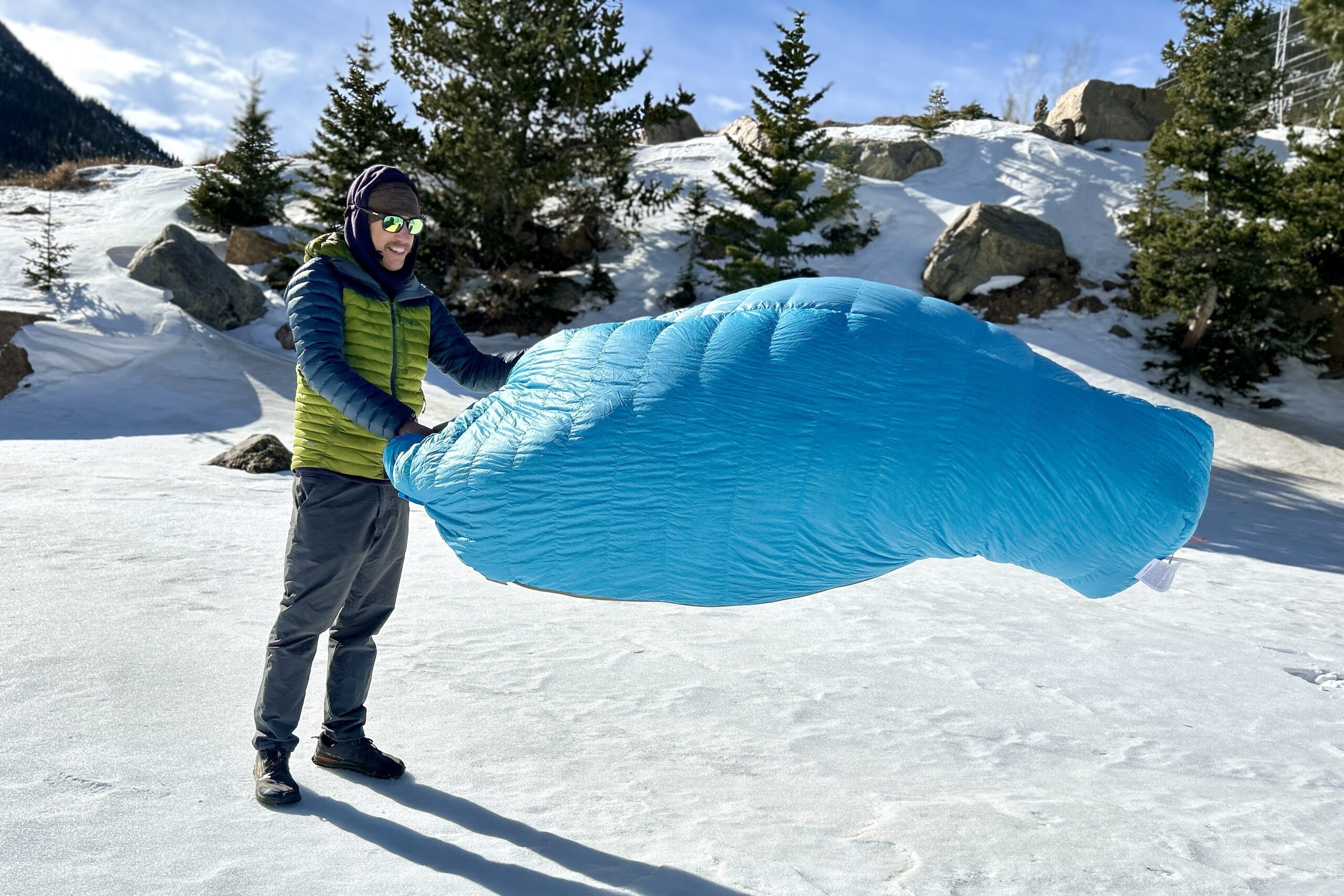
Fill power (fp) specifically refers to the quality of down insulation in down sleeping bags — note that this rating doesn’t apply to synthetic bags. Higher numbers mean the down is lightweight, compresses better, and usually costs more. Ratings above 800-fill-power are top-notch. If the number is lower, it’ll likely cost less but won’t be as warm for the weight.
When it comes to synthetic insulation, quality is measured by the type of material used and the steps taken in its construction. Synthetic bags may use terms such as “weight” or “thickness” to describe insulation quality. As a result, measurements are harder to compare and gauge for synthetic sleeping bags.
What Sleeping Bag length & width Should you buy?
Sleeping bags generally aim to eliminate areas of dead heat — pockets of interior volume that your body has to expend energy to keep warm. Mummy bags, because of their tapered bottoms and more snug fit, tend to feel the warmest. However, they can be narrow and restrictive for sleepers who like to spread out. Unfortunately, mummies rarely come with wide options, so you’ll want to look elsewhere if the bag is too slim.
Rectangular and wider bags may feel a bit colder in chilly temperatures due to cold spots in the corners or at the edges. However, if you’re a belly or side sleeper or tend to move a lot at night, a wider orientation will feel more natural and comfortable. Plus, many rectangular bags have zippers that extend the entire length of one side for venting. Many have zippers that wrap around to the opposite corner, opening into a blanket or quilt, offering maximum versatility for ventilation and comfort.
In general, we recommend choosing the wider version of most sleeping bags, regardless of your sleeping position. In our experience, the more room you have to roll over and adjust, the more comfortable you’ll be.
DWR
DWR, or Durable Water Repellent, is a treatment for the outside fabric of your sleeping bag that adds a layer of water resistance. When this treatment is done regularly, water will bead up and stay on the outer shell rather than soak into the fabric. This doesn’t make your bag fully waterproof, but it does add important extra protection. Many sleeping bags already come with a DWR coating, but just like rain jackets and rain pants, it eventually wears off, and you’ll need to reapply it. To learn how, check out our guide How To Clean & Wash Your Sleeping Bag, including steps on reapplying DWR.
WASHING & STORAGE
When it comes to durability, down is excellent, but it loses efficiency over time as it gets oily, dirty, and compressed. Synthetic materials may last a bit longer, but lifespan also depends on proper storage and maintenance. For details on how to care for your bed-away-from-bed, head over to our article How to Repair, Wash, Store, & Care For Your Sleeping Bag.
Why trust cleverhiker
Our team at CleverHiker has collectively spent over a thousand nights under the stars, testing sleeping bags from sticky 80°F summer evenings in the Sonoran desert to -10°F winter nights in the high Rockies. Ian Krammer, Gear Analyst and lead camping and sleeping bag tester, has been camping and sleeping outdoors across the Rocky Mountains of Colorado for the last decade. With a deep love for the outdoors and years of experience in product sales and gear analysis, he has a keen eye for quality gear. His systematic approach of putting sleeping bags through the wringer in real-world conditions, along with a critical eye towards quality, guarantees these sleeping bags will provide a stellar night of sleep in any conditions.
Joining him is Gear Analyst Marion Tucker, who helped update the guide by taking sleeping bags into the variable conditions of California’s Eastern Sierra Nevada. Putting the bags to use in environments ranging from alpine forest to high desert, and sleeping in them in both a tent and a van, Marion wanted to explore how their versatility, quality, and comfort stood up to both backpacking and car camping.

How We Test & Methodology
We tested camping sleeping bags along four different dimensions — warmth, comfort, packed size, and features — to assess and compare performance.
COMFORT
For sleeping bag comfort, we evaluate the bag’s shape and size, looking at how mummy, rectangular, and hybrid designs accommodate different sleeping styles and body types. We assess the softness of the interior fabric for its against-the-skin comfort. We also examine how roomy a sleeping bag is, particularly in the shoulders and footbox, to make sure there’s enough space to turn over. We test the zipper system for ease of use and snag resistance, as a smooth-operating zipper enhances overall comfort.
WARMTH
For warmth, we test the sleeping bags in a range of conditions, from 0°F to upwards of 70°F, to verify that temperature ratings are accurate and that a bag is reliable. Additionally, we assess design features that help retain warmth while you sleep, such as draft collars, hoods, zipper baffles, and baffle shape, which are crucial for preventing heat loss. We also consider the shell material’s durability and water resistance, as these elements protect the insulation and maintain warmth in damp conditions. We also evaluate the fill loft and weight of each bag (higher loft and fill weight indicate better insulation and warmth).
PACKED SIZE
Packed size is less of a priority for car camping than backpacking, but size still matters for storage and transport. We look at the type of insulation and its loft, looking for high-loft down and advanced synthetic fills that compress well to save space in the trunk. Next, we measure the packed dimensions and weight, and also consider if the sleeping bag uses compression sacks, straps, or a stuff sack that can dramatically reduce its volume without damaging the insulation.
FEATURES
When it comes to features on sleeping bags, we start by assessing internal and external pockets, evaluating their size, placement, and accessibility for storing small items like phones, chapstick, and headlamps. We look at the functionality of wrap-around zippers, ensuring they provide versatile ventilation options and easy entry and exit, and glow-in-the-dark zipper pulls earn extra points for visibility and ease of use in low-light conditions, adding convenience for nighttime adjustments. We also consider additional features, such as built-in pillow attachments, pad attachments, and torso or foot vents, that enhance the sleeping bag’s comfort and usability.
Conclusion
Choosing the right sleeping bag can make or break your camping experience, so we hope this guide has provided valuable insights to help you find the ideal frontcountry bed for your next camping trip. Remember to consider comfort, warmth, packability, and features to determine the best value and the perfect fit for you.